

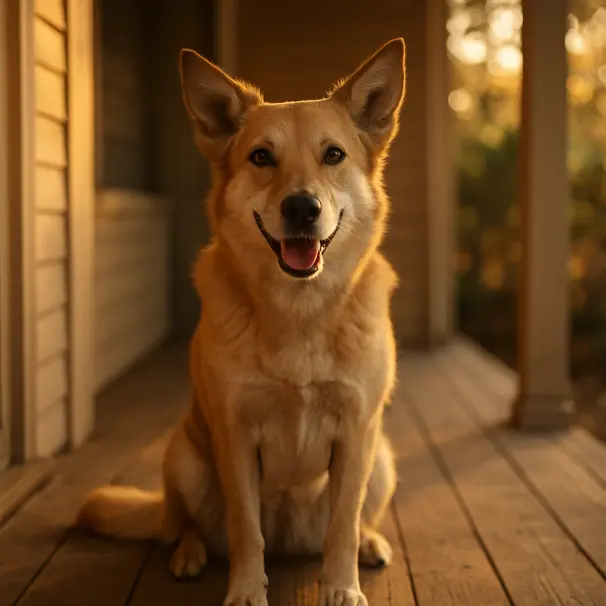
Dogs with pointy ears we love
Pointy ears are a little piece of personality you can spot across many breeds. They can look proud, curious, mischievous, or plush, and they often give dogs an expressive, alert face. If you love that perky silhouette, this article celebrates some of our favorite pointy-eared dogs, explains practical care tips, and offers guidance for finding pet carers who understand their needs.
Why pointy ears are so endearing
There’s something about ears that stand up that tugs at the heart. They make expressions sharper, body language clearer, and portraits frame perfectly. For owners and carers, those ears are also helpful, because they can give early clues about mood. A fully pricked ear might mean curiosity, a tilted ear can be questioning, and an ear that flops or flutters can suggest relaxation.
Beyond looks, pointy ears sometimes need a little more attention. Cleanliness, monitoring for signs of irritation, and keeping them dry after swims or baths are sensible habits. Consider asking your vet during regular check-ups if a specific routine would help your particular breed.
Spotlight: pointy-eared breeds we adore
Below are friendly profiles of breeds you’ll often see with ears that stand to attention. Each one has a different personality, and each needs slightly different care and enrichment.
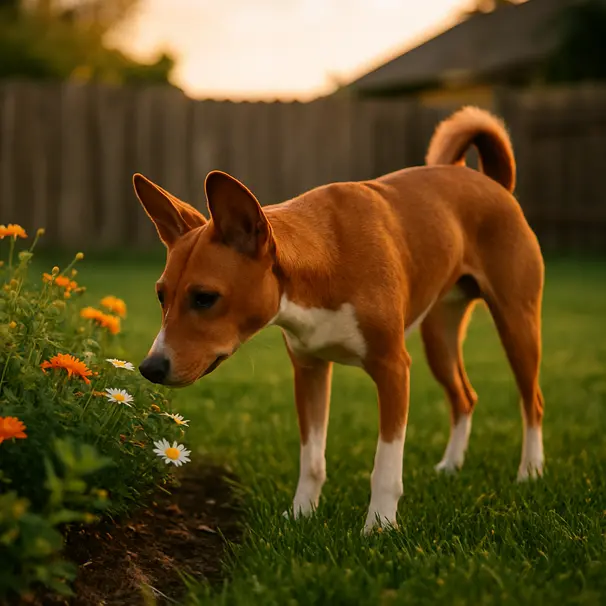
Basenji
Small and elegant, Basenjis are known for their alert expressions and tightly folded, pointy ears. They’re independent thinkers, with a playful streak and high curiosity.
- Temperament: Intelligent, lively, sometimes aloof
- Energy: Moderate to high; they enjoy bursts of activity
- Grooming: Short coats are low-maintenance, but ears should be checked regularly
Tips: Basenjis can be escape artists. Secure fencing and supervised off-leash time in safe areas help prevent adventures.
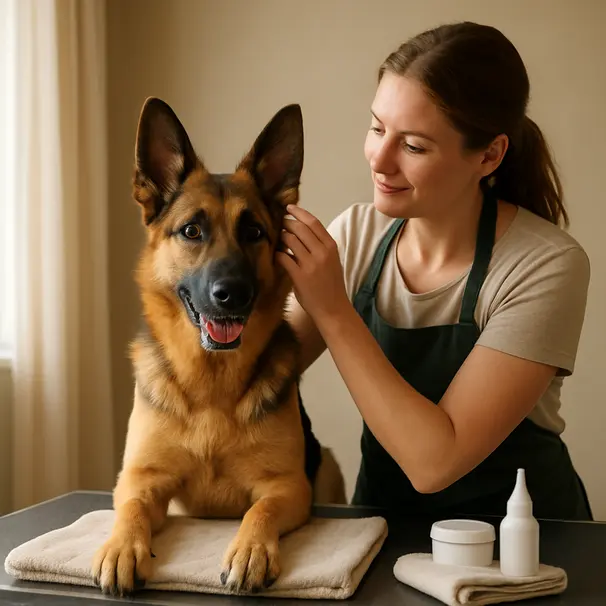
German Shepherd
Classically noble, German Shepherds have large, erect ears that show off their focus. They are eager learners and often used in working roles because they pick up cues quickly.
- Temperament: Loyal, confident, trainable
- Energy: High; consistent exercise and mental work are important
- Grooming: Regular brushing helps manage shedding; ears benefit from routine inspections
Tips: Early socialisation and scent games can keep their minds engaged and reduce boredom-related behaviours.
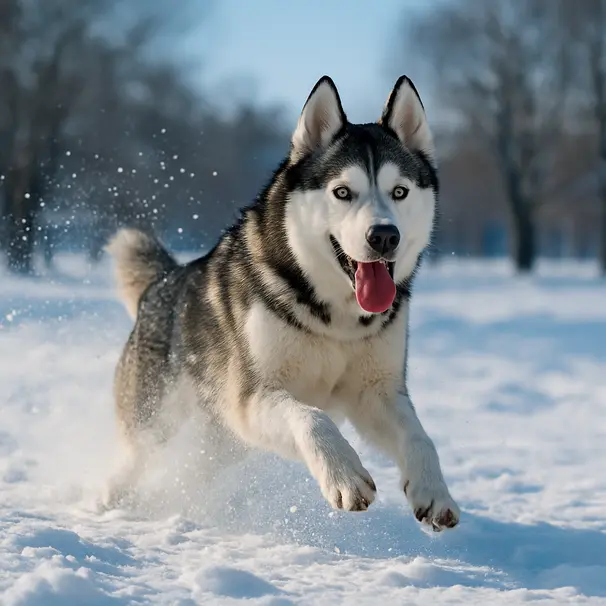
Siberian Husky
With fox-like faces and expressive ears, Huskies are pack-oriented and playful. Their ears help them listen for calls and commands when they’re out exploring.
- Temperament: Friendly, energetic, sometimes independent
- Energy: Very high; daily vigorous exercise is key
- Grooming: Heavy seasonal shedding; ears are usually clean but should be dried after wet weather
Tips: Huskies thrive with running and play. Consider long walks, jogging, or dog sports to meet their needs.
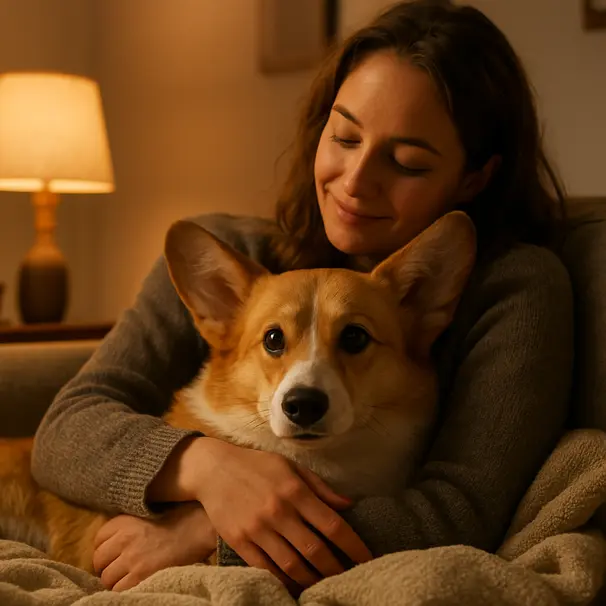
Pembroke Welsh Corgi
Corgis have those iconic upright ears and a loving, sometimes comedic personality. Short legs and a long body make them surprisingly sprightly.
- Temperament: Affectionate, alert, bold
- Energy: Moderate; playful indoors and outdoors
- Grooming: Double coat needs regular brushing; check ears for debris
Tips: Corgis enjoy puzzle toys and short agility courses. Keep an eye on weight to protect their backs.
Belgian Malinois
Confident and athletic, Malinois have sharply pointed ears and a focused gaze. They’re often used in professional roles due to their drive.
- Temperament: Driven, intelligent, loyal
- Energy: Very high; they need purposeful work
- Grooming: Short coat, routine ear checks recommended
Tips: If you adopt or own a Malinois, plan for intensive training and enrichment, ideally with a handler or carer who understands working breeds.
Practical ear care for pointy-eared pups
Pointy ears can be easier to air out than floppy ears, but they still deserve attention. A small routine can prevent trouble and keep your dog comfortable.
- Inspect weekly: Look for redness, unusual wax, swelling, or a bad smell
- Keep dry: After swimming or rainy walks, gently dry the ear base and inside the ear flap
- Clean gently: Use a vet-recommended ear cleaner, and never insert cotton swabs deep into the canal
- Watch for head shaking: Frequent shaking or rubbing at the ears can mean irritation
- Consult your vet: If you notice persistent signs of discomfort, consider a vet visit for guidance
These steps can help reduce risk, but please remember to consult your vet for tailored advice and diagnosis.
Training tips that work well for pointy-eared dogs
Many pointy-eared breeds are highly responsive to voice tone and body language, so small adjustments in how you communicate can pay off.
- Use clear cues: Consistency helps dogs read your intent faster
- Short, frequent sessions: Keep repeats brief and fun to maintain engagement
- Reward attention: Marking good focus with treats or praise reinforces listening
- Social games: Playdates and walk sniffing help mentally satisfy curious noses
- Enrichment: Puzzle feeders, scent trails, and obedience challenges are great for clever breeds
If you’re working with a high-drive breed, consider professional training or dog sports to channel energy productively. Pet carers who’ve trained similar dogs often make walks and sessions more effective.
Health considerations to keep an eye on
Pointy-eared dogs share many of the same health considerations as any dog, but a few issues can pop up more often in specific breeds.
- Ear injuries: Erect ears can get sunburned in fair-skinned dogs. Apply vet-approved protection if recommended
- Genetic concerns: Breeds like German Shepherds and Corgis can be prone to joint issues. Keep exercise appropriate and consult your vet if you have concerns
- Skin issues: Check the skin near the ear base, especially in breeds with thick fur, for hotspots or irritation
These are considerations you can monitor at home, but if something seems off, ask your veterinarian for next steps.
Grooming and seasonal care
Seasonal changes can affect ears and coat. A simple care plan helps keep things comfortable all year.
- Spring and summer: More outdoor time can mean more pollen and debris. Wipe the ear base after adventures
- Fall and winter: Dry air can cause flaky skin, so a hydrating shampoo or vet-recommended supplement may help
- Shedding seasons: Brushing often prevents matting and reduces the amount of hair around the ears
Regular grooming sessions are also a great chance for bonding. Gentle handling of the ears during brushing and quiet petting makes vet visits less stressful.
Finding a pet carer who adores pointy-eared dogs
Trust matters when you hand over your dog. These tips help you find carers who are experienced, compassionate, and a good match for a perky-eared pal.
- Look for relevant experience: Ask if the carer has worked with your breed or similar energy levels
- Ask about handling: How do they respond to ear checks, bathing, and quiet time? Can they describe their routine?
- Communication style: A good carer will give updates, photos, and note any unusual behaviour
- Trial visits: A short meet-and-greet can reveal how the dog responds to the carer
- Check references: Other owners can share how a carer handled training, walks, and small health issues
If your dog needs medication, crate time, or special feeding, make sure the carer is comfortable and confident with those tasks. Consider leaving written notes about your dog’s cues and preferences.
Preparing your pointy-eared dog for a stay or sitter
A little prep helps carers settle in quickly and reduces stress for your dog.
- Make a care sheet: Include feeding, exercise, favourite toys, calming cues, and any health notes
- Pack a comfort item: A blanket or toy with your scent can be soothing
- Practice short separations: Gradually build tolerance to being apart so a sitter visit feels normal
- Review handling: Show the carer how you check and clean the ears, and any commands your dog knows
These small steps make a big difference to your dog’s comfort and to a carer’s confidence.
Final thoughts
Pointy ears are a joyful trait that comes with personality and a little responsibility. Stretch the fun — take cute photos, try new walks, and enjoy those comic head tilts. At the same time, keep an eye on ear hygiene, provide mental and physical outlets, and choose carers who respect your dog’s energy and boundaries.
If you ever notice persistent ear problems, consider scheduling a vet appointment. Otherwise, enjoy the perkiness. With the right care and thoughtful sitters, pointy-eared dogs bring a lively, affectionate spark to any home.
- Need help finding carers nearby? Look for sitters with breed experience, and ask about training and routine before booking.
- Want enrichment ideas? Try scent trails, short agility setups, and interactive puzzle toys tailored to your dog’s drive.
Thanks for reading. Share a photo of your pointy-eared friend with a carer who made a difference, we love those stories.