

Dogs with the best sense of smell ranked
If you’ve ever watched a dog lock onto a scent and refuse to let it go, you know how powerful a canine nose can be. Some dogs are born with supercharged scenting ability. They track, find, and interpret smells in ways that leave us human sniffers humbled. This post ranks the breeds known for the strongest noses, explains what makes their sense of smell exceptional, and gives practical advice for owners and carers who want to use and nurture that ability.
Why a dog’s nose matters
Scent is a dog’s primary way of exploring the world. Their noses have vastly more scent receptors than ours, and their brains treat smells like a detailed information source. Dogs can follow hour-old trails, identify a person in a crowd, and detect subtle changes in the environment. That talent makes them wonderful companions, useful workers, and joyful scent-game partners at home.
What affects scent ability
Several factors shape a dog’s smelling talent:
- Breed and genetics. Some breeds were bred for scent work across generations. That creates natural talent.
- Nose anatomy. A long muzzle and specialized nasal structures increase scent surface area.
- Training and socialization. Practice can sharpen a dog’s focus and scent discrimination.
- Motivation and temperament. Food-driven, curious, or independent dogs often excel.
Now, let’s meet the champions. This list blends historical function, documented working success, and practical experience from trainers and carers.
Top breeds with incredible noses
1. Bloodhound
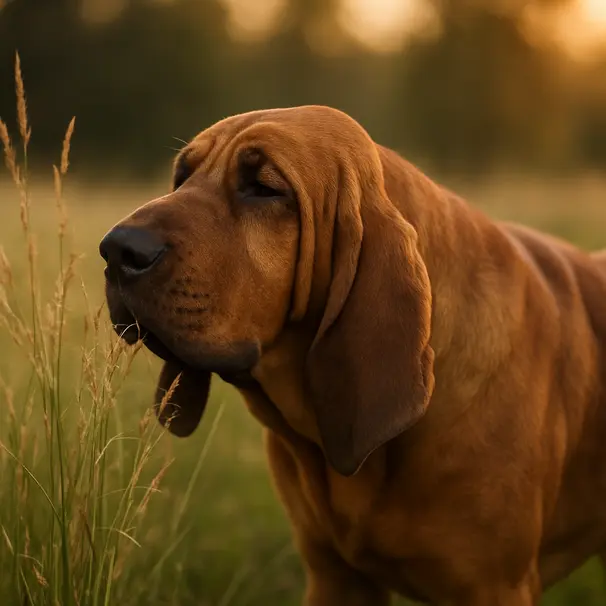
The Bloodhound often tops scent lists. Bred for trailing people, this gentle giant has thousands more scent receptors than many other breeds. Their tracking ability is famous in search and rescue, legal tracking, and trailing lost people. Bloodhounds can follow days-old trails if conditions allow.
Care tip: Bloodhounds are single-minded on a scent. Use a secure harness and long line for safe tracking sessions. Keep outings positive and paced to avoid overexertion.
2. Basset Hound
Bassets were bred for ground scenting. Their long ears and loose facial skin help stir and trap scent particles near the nose. They are slower than some scent hounds, which helps them methodically follow a trail.
Practical note: They love sniffing more than running. For carers, that means walks that allow nose-time are better than long jogs.
3. Beagle
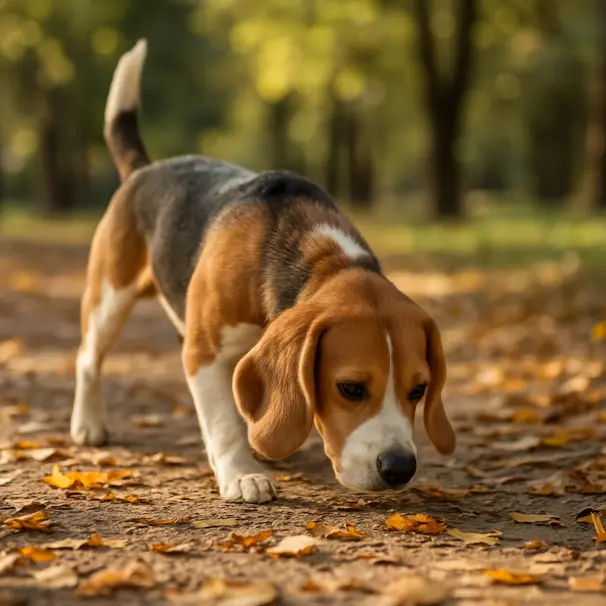
Beagles are classic scent hounds, small but determined. They were bred to hunt in packs, following rabbit trails. Their compact size and sociable nature make them popular family pets and great scent-game buddies.
Training tip: Beagles can be very food-motivated. Use small, high-value treats when practising scent work, and celebrate each discovery with calm praise.
4. German Shepherd
While known for intelligence and versatility, German Shepherds also have excellent scenting skills. Their combination of smell, trainability, and work ethic makes them top choices for police and detection roles.
Owner note: These dogs often thrive when given a job. Adding scent work to their routine can reduce boredom and improve behavior.
5. Labrador Retriever
Labradors are famous for noses that find game, people, and even medical cues. Labs combine strong scenting ability with a love of work, swimming skills, and a cooperative temperament. They’re often used in search, detection, and as therapy or assistance dogs.
Care tip: Labs need mental exercise as much as physical. Nose games are an excellent way to tire them out without lots of running.
6. Coonhound (Treeing Walker and Black and Tan varieties)
Coonhounds were developed to track raccoons and follow complex trails at night. They follow ground scent with determination. Different coonhound breeds have slightly different styles, but all are persistent and focused.
Safety tip: Coonhounds can be loud when on a trail. If you have noise-sensitive neighbors, plan outings accordingly.
7. Springer Spaniel
Springers are versatile gundogs with sharp noses and quick feet. They excel in fieldwork and search roles that require mobility and scent discrimination. Their eagerness and energy make them natural scent training partners.
Practical idea: Short, frequent scent games that reward quick finds keep a Springer engaged and confident.
8. Belgian Malinois
Like the German Shepherd, the Belgian Malinois mixes a strong nose with high drive and trainability. They’re common in detection work, including explosives and drugs, because they learn quickly and maintain focus under pressure.
Owner caution: Malinois need structured, consistent training and plenty of mental stimulation. Unused drive can turn into mischief.
9. Dachshund
Dachshunds were bred to hunt underground. Their low profile and fearless attitude make them excellent at following scent into tight spaces. They may be small, but their noses punch well above their weight.
Practical tip: Dachshunds appreciate short scent puzzles and buried-treat games that mirror their natural hunting style.
10. Springer and Cocker Spaniel mix breeds and other scent-savvy mutts
Many mixed-breed dogs inherit strong scent instincts. A spaniel mix, scent-hound hybrid, or a dog with working lines can be a surprise scent champion. Don’t overlook rescues when you need a great nose.
Adoption advice: If you’re seeking a scent-savvy companion, ask shelters about behavioral traits and offer enrichment to find hidden talents.
How to practice scent work at home
You don’t need special certification to give your dog scent challenges. Simple, fun exercises build focus, confidence, and satisfaction.
- Hiding treats or toys. Start with visible placements, then increase difficulty by hiding scents under boxes, in different rooms, or behind low obstacles.
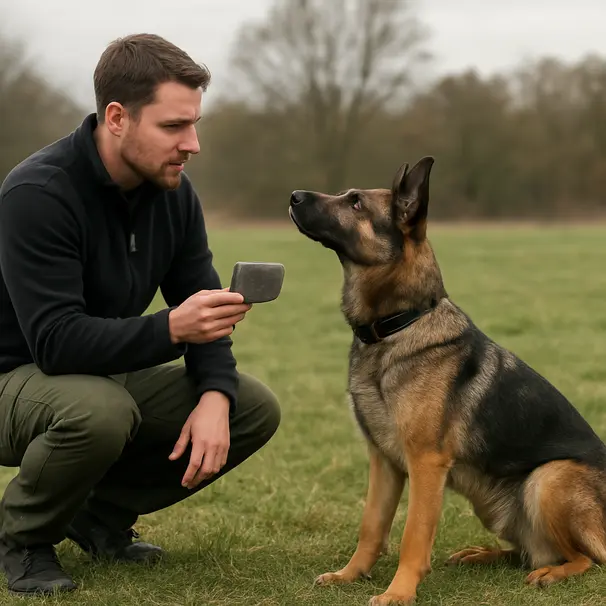
- Scent trails. Drag a treat or scent pad along a short path, then let your dog follow it. Gradually add turns or time delays.
- Find the person. Have a family member hide and call the dog. This is great for dogs that like people rewards.
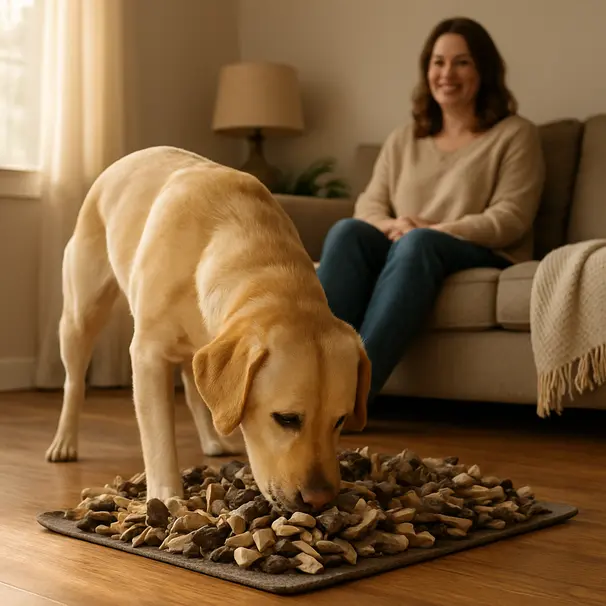
- Puzzle feeders and snuffle mats. These tools encourage nose work during mealtimes and slow down fast eaters.
Training tip: Keep sessions short and fun, around 5 to 10 minutes. End on a win to keep motivation high. Use high-value rewards when introducing harder tasks.
Working dogs versus family pets
Some breeds were built to do scent jobs all day. Working dogs often enjoy and expect a routine of purposeful activity. Family pets with strong noses can do well as long as their needs are met.
Questions to consider:
- How much daily mental stimulation do they need?
- Do they have the space and management for tracking behaviors?
- Will they be safe off-leash while following scent?
If a dog shows strong tracking behavior, channel it into supervised scent games and outings rather than suppressing it. That makes life happier for the dog and easier for you.
Safety and health considerations
Using a dog’s nose is low-impact, but keep some practical cautions in mind:
- Avoid letting dogs eat unknown objects they uncover. Use toys or known treats for scent games.
- Check for ticks and burrs after outdoor scent outings, especially in long-haired breeds.
- If a dog has breathing issues or nasal problems, consider consulting a vet before intense scent work.
Always consider your dog’s age and physical condition. Puppies benefit from gentle games, while senior dogs may prefer slower, scent-based puzzles.
Choosing a trusted carer or trainer for scent work
If you want to turn scent into a hobby or job, finding a good carer or trainer matters. Look for someone who:
- Uses positive reward methods, not punishment.
- Has experience with scent or nose-work activities.
- Understands the breed’s temperament and energy levels.
- Communicates clearly and sets realistic goals.
Ask carers about their routines. A good pet carer will offer nose-activity sessions or walks that let scent-driven dogs explore safely. For more advanced work, a certified nose-work instructor can guide training toward trials or professional detection fields.
Enrichment ideas for carers and sitters
If you’re a pet carer, adding scent activities to visits makes you a real floofy favorite. Try these easy options:
- A 10-minute snuffle mat breakfast. Hide kibble so the dog must forage.
- A short, supervised scent walk at the start of the visit.
- A hide-and-seek fetch game with a beloved toy.
- Rotating scent toys so each visit has a new challenge.
These small choices reduce stress, create bonds, and make your service more valuable to owners.
When scent becomes a problem
Sometimes strong scent drive leads to unwanted behaviors, like bolting after a trail or persistent digging. If this happens:
- Redirect the behavior to structured scent games.
- Use secure harnesses and long lines on walks.
- Teach reliable recall with high-value rewards before allowing off-leash exploration.
- Consult a trainer for targeted behavior plans.
If a behavior change seems sudden, check with a vet. Medical issues can affect scenting or behavior, and a professional can help rule out causes.
Final sniff: matching nose to lifestyle
A dog’s nose is more than a party trick. For some dogs, scent work is their joy and purpose. For carers and owners, understanding and nurturing that ability creates stronger bonds and happier dogs. Whether you want a skilled tracker for search work or a friendly companion who likes to sniff every tree, there’s a breed or mix that fits.
If you’re thinking about adding scent games to your routine, start small, keep it fun, and celebrate discoveries. And if you’re looking for a trusted carer who understands nose work, consider asking about enrichment-focused services. A little sniffing can go a long way toward a fulfilled dog and an easier life for everyone involved.
Happy sniffing from the Floofy team. Invite curiosity, stay safe, and enjoy the little victories your dog finds on the trail.