

Gentle starts: why patient training matters
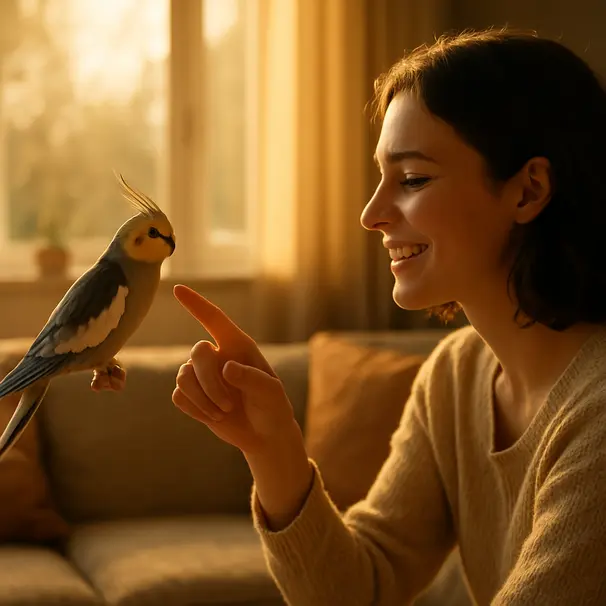
Birds are brilliant, curious, and full of personality. They also process the world differently than dogs or cats. Training a bird is less about obedience and more about communication, trust, and offering choices. Spend time observing before teaching any trick. Give a bird the chance to relax around you, and you’ll get far better results.
This post is for pet owners and pet carers who want humane, practical ways to help birds thrive. You’ll find step-by-step ideas, quick fixes for common challenges, and ways to make handovers and sitting visits stress-free for the bird.
Understanding bird body language
Birds tell you how they feel with posture, eyes, feathers, and sounds. Paying attention to these cues will make your training sessions kinder and more effective.
- Watch the eyes: A relaxed bird may have soft, half-closed eyes. Wide, staring eyes can mean excitement, fear, or vigilance.
- Notice the feathers: Fluffed feathers could mean comfort or a mild chill. Sleek feathers often mean alertness. Sudden piloerection, where neck feathers stand, may indicate stress.
- Head and body position: A lowered head, relaxed wings, and steady breathing usually show trust. A stretched neck, leaning away, or rapid side-to-side movements often show discomfort.
- Vocal cues: Chirps, whistles, and soft calls often show contentment. Screaming or sharp, repeated squawks may point to stress, boredom, or an attempt to get attention.
Taking a few minutes to learn your bird’s unique signals will guide when to start, pause, or end training.
Creating a safe training environment
A calm, predictable space sets the stage for success. Reduce distractions, turn off loud music, and close windows against sudden noises if possible. Training near the cage is fine, though sometimes letting the bird step onto a training perch outside the cage helps build focus.
Keep treats and equipment handy. Use small, tasty rewards that the bird finds motivating. For many birds, a tiny piece of fresh fruit, a sunflower seed, or a special seed mix works well. Keep sessions short, five to ten minutes, and finish while the bird is still interested.
Building trust: small steps that matter
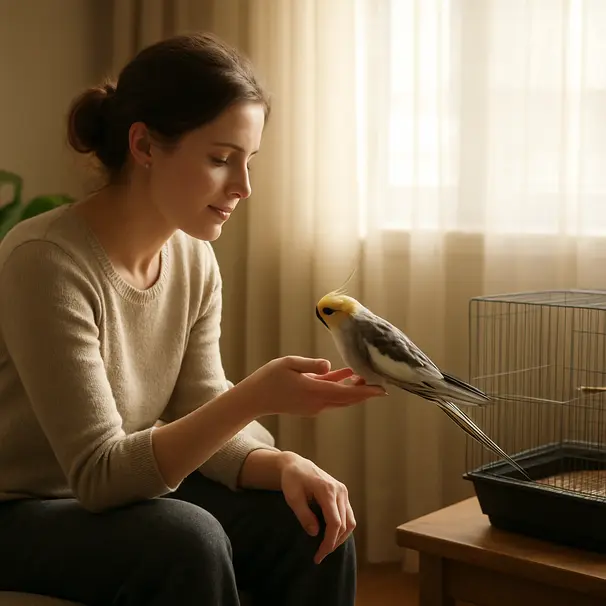
Trust is the foundation of any good relationship with a bird. Quick wins follow from consistent, gentle interactions.
- Start with presence. Sit quietly near the cage while reading or doing a calm task. Let the bird get used to your voice and movement.
- Offer treats through the cage bars, then with the door open. Move slowly, and allow the bird plenty of choice. If the bird doesn’t take the treat right away, that’s okay.
- Teach a step-up. Use a perch or your finger. Present the perch close to the bird’s lower chest, then say a simple cue like “step up” and offer a treat when the bird steps on. Progress slowly, celebrate tiny improvements.
- Respect boundaries. If a bird leans away or lunges, pause and return to easier steps. Forcing interactions sets back trust and can cause bites.
Quick trust-building exercises
- Hand-feeding: briefly feeding from tweezers or a spoon can create positive associations.
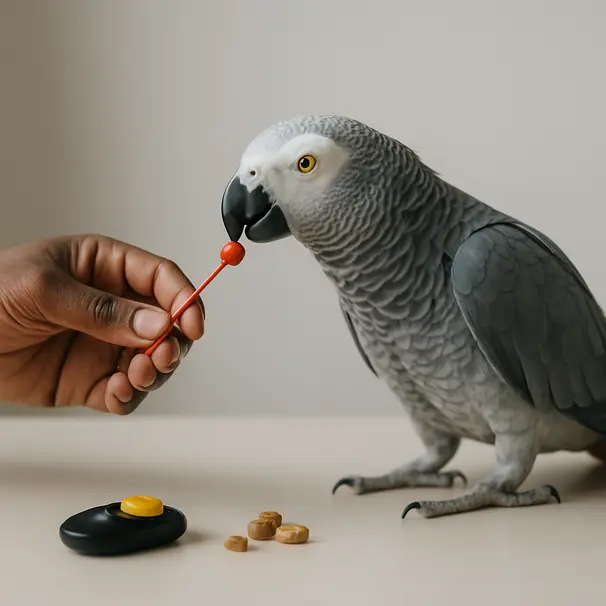
- Target training: use a small stick or target to teach the bird to move toward a point. This builds control without physical pressure.
Positive reinforcement and clicker basics
Positive reinforcement is the gentlest, most consistent way to teach birds. Reward behaviors you like with treats, praise, or a favorite toy.
Clicker training can help mark exact moments. The click signals the precise behavior that earned the reward, helping birds learn faster.
- Choose a clear, consistent sound. A clicker is fine, or a quiet word like “yes.” Keep the sound the same every time.
- Charge the clicker. Click, then immediately give a treat. Repeat until the bird connects the sound with a reward.
- Shape behaviors. Break a goal into tiny steps. Reward each small success. Want a bird to step onto your hand from a short distance? Reward facing you, then stepping toward you, then stepping onto the hand.
- Keep sessions short and fun. Birds learn best when training feels safe and rewarding.
- Vary rewards. Rotate treats, praise, and play so the bird stays motivated. Some birds prefer food, others love a particular toy or head scratches.
Teaching common behaviors
Here are practical approaches for everyday training goals.
Step-up and step-down
- Hold a perch or your finger near the bird’s lower chest, say your cue, and reward the step. Practice in small doses.
- For stepping down, lower the perch to a stable surface, use the same cue, and reward the bird quickly.
Recall and moving between perches
- Teach target touching first. Once the bird reliably follows the target, practice moving between perches with the target as guidance.
- Gradually increase distance. Keep rewards ready and return to shorter distances if the bird becomes hesitant.
Reducing biting and nipping
- Understand the trigger. Biting can come from fear, hormonal changes, or overstimulation.
- Avoid punishing the bird. Punishment may escalate fear or aggression.
- Redirect gently. Offer a toy, or step back calmly and ignore attention-seeking bites for a short period. Reward calm behavior.
Managing screaming and noise
- Identify cause. Birds may scream for boredom, attention, or environmental stress.
- Increase enrichment, training, or social time. Teach a quiet cue using positive reinforcement.
- Provide a consistent daily routine. Predictability often reduces anxiety-related noise.
Always consider consulting an avian-savvy vet or behaviorist for sudden or extreme changes in behavior.
Enrichment and routines that support training
A bored bird is a distracted bird. Enrichment keeps the mind active and makes training more effective.
- Rotate toys and introduce puzzle feeders. Novelty sparks curiosity.
- Offer safe foraging opportunities. Hide small rewards inside paper rolls or under cups, so the bird uses beak and brain.
- Schedule daily social and training time. Even ten minutes of focused interaction can make a big difference.
- Vary experiences. Short supervised time outside the cage on a playstand, or a different room for training, keeps learning fresh.
Working with pet carers: clear communication and consistency
Pet carers play a big role in a bird’s emotional health. Clear notes, bite-safe handover practices, and consistent cues help the bird stay settled while you’re away.
- Provide a simple profile. Include preferred treats, training cues, calm signals, and any no-go areas.
- Demonstrate routines. Show the carer how you do step-up, feeding, and pocketing treats. A short video can be very helpful.
- Share an emergency plan. List the vet’s contact, signs that need vet attention, and any medical notes.
- Agree on boundaries. If your bird dislikes quick approach, ask the carer to use the same slow methods and the same cue words.
- Encourage carers to practice short training sessions. A familiar, predictable routine with the same cues helps the bird feel safe.
- Ask for updates. Short messages or photos reassure you that the bird is comfortable and progressing.
Sample two-week training plan
This simple plan is suitable for many companion parrots or similar birds. Adjust to your bird’s attention span and preferences.
Week 1
- Day 1–3: Presence and treats through cage. Short sessions, five minutes, twice a day.
- Day 4–7: Introduce step-up on a perch. Reward each small success. Add one minute of target touching practice.
Week 2
- Day 8–10: Begin clicker charging, continue step-up. Slowly increase step distance.
- Day 11–14: Practice moving between two perches using target. Introduce a gentle “quiet” cue during calm times.
Keep a simple log. Note what works, which treats motivate most, and any behaviors that need more time.
Troubleshooting common hiccups
- Stalled progress: Return to easier steps, shorten sessions, and add more high-value rewards.
- New biting behavior: Stop the session, identify triggers, and seek an avian vet if it’s sudden and severe.
- Caregiver inconsistencies: Revisit the routine with the carer, provide short videos, and keep cues consistent.
Safety reminders and vet visits
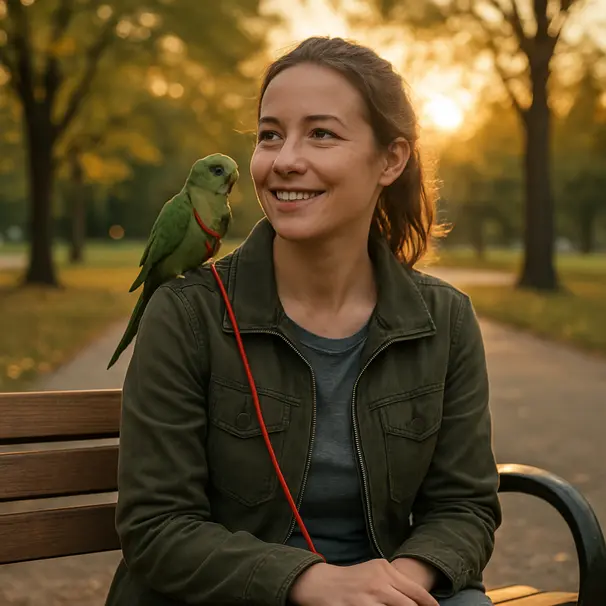
Always consider safety first. Use harnesses only from reputable sources and practice indoors before supervised outdoor time. Be cautious introducing other pets. If you see signs of illness, such as changes in droppings, appetite, or breathing, consult an avian vet. Training can help spot health changes sooner, but it does not replace professional care.
Final tips for long-term success
- Celebrate tiny wins. Training is cumulative, and small steps add up to lasting trust.
- Keep sessions short, positive, and predictable. End while your bird is still engaged.
- Keep notes about favorite rewards and what triggers stress. These details make future sessions smoother.
- Build a team. If you use carers, involve them in training and keep communication open.
Bird training is a gift you give your feathered friend. With patience, kindness, and consistent routines, you’ll build a relationship that feels rewarding for everyone. Enjoy the process, smile at the little surprises, and remember that every bird learns at their own pace.
Resources and next steps
- Consider joining a local avian training group or online community for support.
- Look for books and videos by certified avian trainers, and choose those that emphasize positive reinforcement.
- If behaviors are complex or sudden, consult an avian veterinarian or a certified behaviorist.
Happy training, and give your bird an extra treat for trying something new today.