

Why emergency planning matters
Leaving your pet in someone else’s care can stir up a surprising mix of emotions. You want peace of mind, your pet wants routine and comfort, and your carer wants clear guidance. A thoughtful emergency plan helps everyone relax. It reduces guesswork, speeds up response times, and can keep problems from escalating.
Good plans aren’t complicated. They’re practical, clear, and easy for a carer to follow in a hurry. Below you’ll find step-by-step advice you can use whether you have a regular sitter, a new carer from Floofy, or a friend stepping in last minute.
Start with an emergency contact and vet sheet
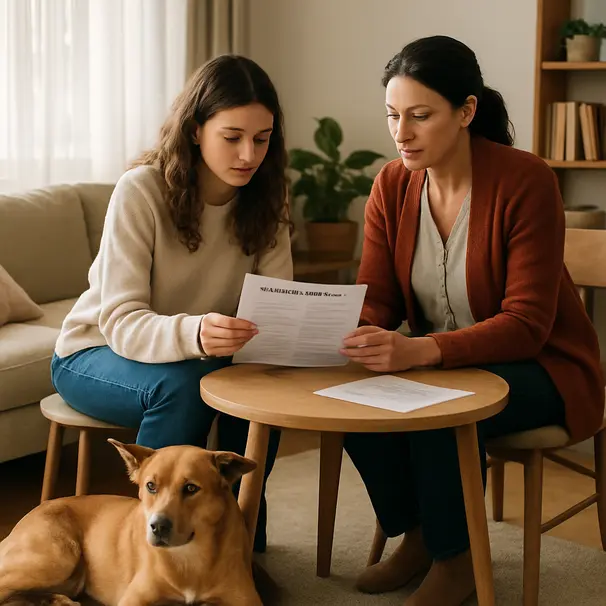
The first thing to prepare is a single sheet of essential contacts and health details. Keep a printed copy in an obvious place and save a digital version your carer can access on their phone.
What to include:
- Your full name and the person who can make decisions if you’re unreachable, with phone numbers.
- Your pet’s vet name, clinic, and 24-hour emergency clinic nearby.
- A local friend or neighbour who has a spare key or can assist quickly.
- Your pet’s medical history highlights: allergies, chronic conditions, and dates of recent vaccines. Use plain language, not medical jargon.
- A short description of your pet’s temperament and triggers so carers know when a behavior is urgent.
Keep this sheet on the fridge, in the pet’s carrier, and in the sitter’s welcome pack. Carers appreciate simplicity; one well-organized sheet beats a pile of loose notes.
Pack a practical emergency kit
Think of this as a grab-and-go bag for your pet carer. It should be compact but cover the basics.
Kit checklist:
- Recent photo of your pet, and a quick ID description.
- Any medications in clearly labeled containers, with dosage instructions and administration times.
- A copy of your pet’s vet records and vaccination card.
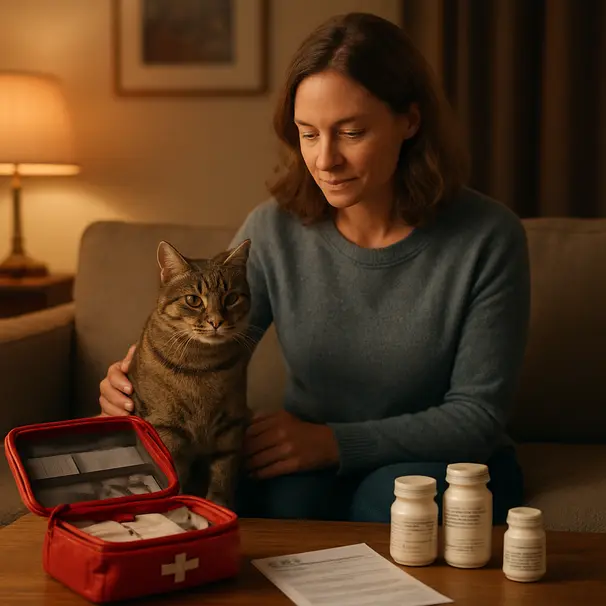
- A small first-aid kit: gauze, bandage tape, antiseptic wipes, and disposable gloves. This can help with minor issues, and your carer will know when to call the vet.
- A familiar blanket or toy that smells like home.
- A collapsible water bowl and a little extra food measured for two days as backup.
- Contact numbers printed on waterproof paper.
Label everything. Clear labeling speeds up action and reduces confusion, especially under stress.
Clear and realistic care instructions
Write a straightforward care plan that matches how you actually look after your pet. Avoid overly long essays. Carers want short, reliable instructions they can reference quickly.
Suggested format:
- Feeding: what, how much, and exactly when. Note any food sensitivities and what to do if your pet skips a meal.
- Medications: name, dose, form (tablet, liquid), how to give, any tricks or tricks that don’t work. If medications may make your pet sleepy or groggy, say so.
- Exercise and enrichment: preferred walk length, leash preferences, toys that calm them, and any restricted activities.
- Safety rules: doors that must stay closed, rooms off-limits, and furniture or items to avoid.
- Emergency behaviors: signs the carer should treat as urgent, like repeated vomiting, difficulty breathing, disorientation, or collapse. Use language like “consider calling the vet if…” and encourage contacting you immediately.
Include short bullet points and bold or underline key actions for quick scanning. A few clear sentences beat pages of text.
Communication plan with your carer
Decide how often you’d like updates and what kind. Some owners want a daily photo and short note, others prefer minimal interruptions so their pet can settle. Agree expectations before you leave.
Tips for smooth communication:
- Set preferred channels: text, app messages, or a phone call.
- Share your time zone and availability windows so carers know when to reach you.
- Give permission for the carer to make small decisions without calling you, like a vet visit under a certain cost threshold. Write that threshold down.
- Ask the carer to escalate immediately for red-flag symptoms, and to call you first for anything uncertain but non-urgent.
A quick message template can help carers share useful updates: “Meals: on time. Walk: 30 minutes. Mood: relaxed. Note: sneezed twice.” Short and specific is kind and useful.
Health, medications, and vet relationships
Medicines can be stressful to give, especially if your pet hides or resists. Make it easy on the carer.
Practical steps:
- Demonstrate any tricky medication techniques before you go. Video yourself giving the medication so the carer has a visual guide.
- Provide pill pockets, syringes for liquids, or measured droppers labeled clearly.
- Leave the name and direct line of your regular vet and the nearest 24-hour clinic.
- If your pet has a serious condition, consider writing a letter to the vet authorizing care in your absence. This can save time at triage.
Remember to avoid definitive medical advice in your notes. Use phrases like “may benefit from” and advise your carer to consult the vet when in doubt.

Preparing your home and routines
Familiar surroundings help pets settle. Small adjustments can make a huge difference.
Home-prep checklist:
- Leave doors and gates secured, and remove hazards like toxic plants, dangling cords, and small chewable objects.
- Keep routines consistent: feeding times, walk times, and bedtime. Write these down in chronological order.
- Create safe areas: if your pet is anxious, leave a bedroom or crate set up with blankets and toys.
- Label light switches and thermostats with preferred settings so carers can maintain comfort.
If you have a camera system, tell your carer how and when it’s used. Respect privacy by giving clear expectations about footage and check-ins.
Trust-building and practice runs
If your carer is new, a practice visit can work wonders. It helps your pet and the carer learn each other without the stress of a long absence.
What to do on a trial run:
- Spend 30 to 60 minutes together showing routines, how doors lock, where food is stored, and how to administer medication.
- Let your carer feed one meal and take a short walk while you watch. This builds confidence.
- Encourage honest feedback. Carers often spot small safety issues you might miss.
Practice runs are also helpful for experienced carers when your pet’s needs change, like after surgery or a new medication.
Emergency scenarios and step-by-step actions
Outline a few likely scenarios and the steps you expect the carer to take. Being specific reduces hesitation.
Example scenarios:
- Minor wound: clean with antiseptic wipe, apply gauze, monitor. If bleeding continues, contact vet.
- Vomiting once but otherwise normal: withhold food for a few hours, offer water, monitor. Contact vet if vomiting persists or your pet becomes lethargic.
- Severe symptoms: difficulty breathing, collapse, uncontrolled bleeding. Take to the nearest emergency clinic immediately and call you on the way.
Include the addresses and driving directions to the two nearest clinics. If your carer drives for your pet, remind them to bring a leash and carrier, and to secure the pet in the car for safety.
Paperwork, permissions, and finances
Unexpected veterinary care can be costly. Clarify how bills will be handled before you travel.
Decide and document:
- A spending limit the carer can approve without contacting you.
- Who will be responsible for non-emergency decisions.
- How receipts and reimbursements will be handled on your return.
If you have pet insurance, leave policy details and claim numbers. If you prefer the carer to use a specific clinic, say so.
Aftercare and debrief
When you return, a short debrief helps everyone. Ask your carer about anything unusual and note any changes in appetite, behavior, or litter habits. These observations can be helpful for future trips.
You might also:
- Leave a small thank-you note or tip for exceptional care.
- Update your emergency plan if any new issues came up.
Quick checklist to leave with your carer
- Emergency contact sheet, printed and digital.
- Emergency kit bag with labeled meds and vet records.
- Clear feeding and medication schedule.
- Permission thresholds and payment plan for veterinary care.
- Practice run completed or walk-through video provided.
- Keys, alarm instructions, and home safety notes.
A single laminated checklist taped to the fridge can save minutes in a stressful moment.
Final thoughts: kindness and clarity go a long way
Traveling is meant to refresh you, not add worry. By putting a few practical plans in place, you give your pet and your carer a steady, calm framework to fall back on. Keep communication warm and straightforward, make emergency steps easy to follow, and check in with your carer’s comfort level before you leave.
Most carers want the same thing you do: a safe, happy pet and a smooth experience. A little planning goes a long way toward that goal, and it makes every return home sweeter.
If you’d like, save this guide as a template and customize it for each trip. Your future self, and your pet carer, will thank you.