

Introduction
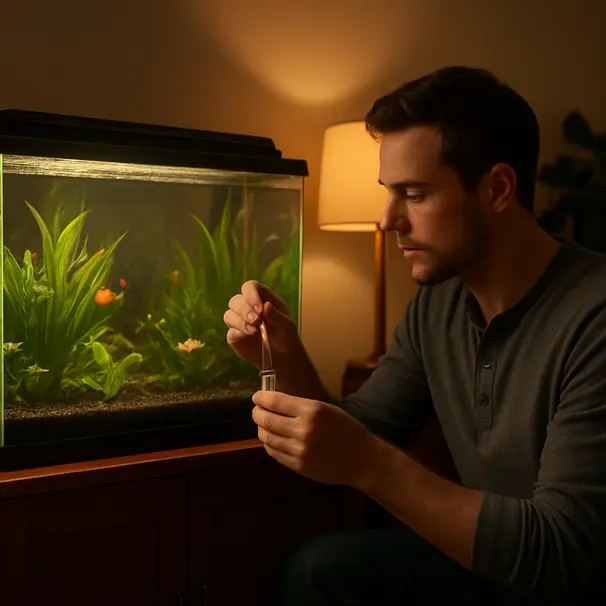
Keeping an aquarium can be one of the most soothing hobbies, and seeing fish glide through clear water is its own reward. Good tank care, though, is more about steady routines than heroic weekend clean-ups. Small, consistent habits can prevent most problems and help your aquatic friends stay healthy and vibrant.
This guide lays out friendly, practical routines for daily, weekly and monthly care. It also covers simple water testing, feeding tips, equipment maintenance and a checklist you can share with pet carers. Whether you keep a nano tank or a planted community aquarium, you’ll find steps that fit into your life and keep fish happy.
Daily checks: a 5-minute habit that pays off
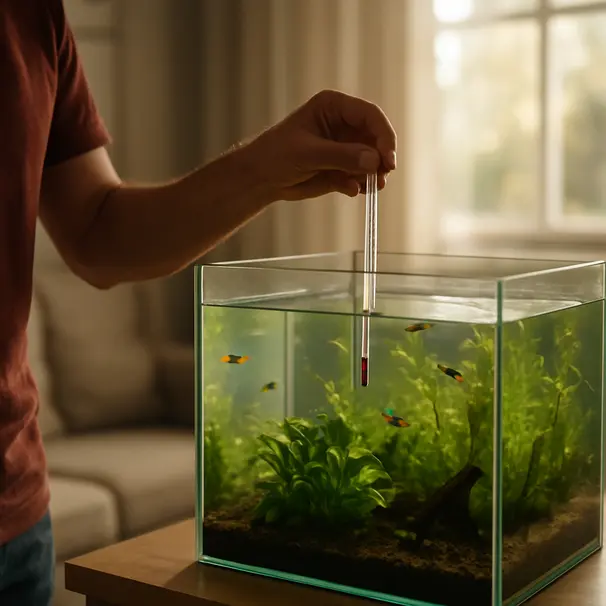
A quick daily routine helps you catch trouble early. Spend five minutes at the same time each day and make a few observations.
- Look at your fish’s behaviour. Are they active, eating, or hiding more than usual? Small changes can be the first sign of stress.
- Check the water surface and glass for film, excessive algae or floating debris.
- Ensure heaters, lights and filters are running. A dashboard-mounted thermometer or an aquarium thermometer makes this fast.
- Feed mindfully. Offer only what fish can eat in about two minutes, then remove leftovers if needed.
Daily checks are about noticing patterns. If something seems off for more than a day or two, record it. A quick photo or a few notes can help both you and a pet carer identify changes.
Weekly routines: water and cleanliness
Weekly tasks are the backbone of aquarium health. They keep water chemistry stable and prevent waste from building up.
Partial water changes
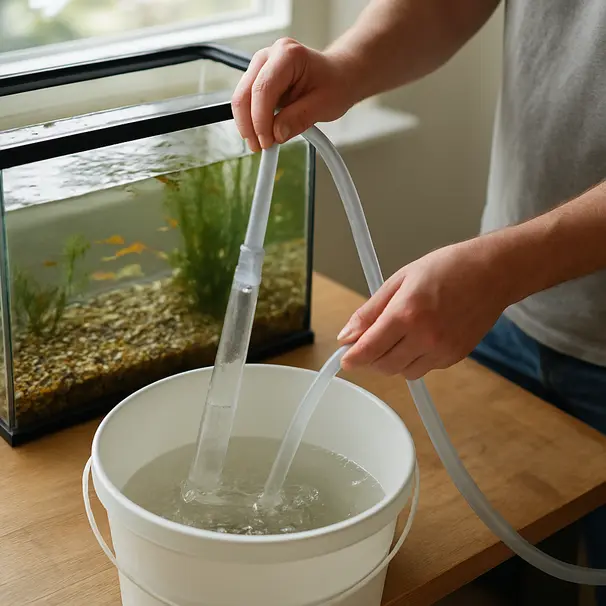
Aim for a 10 to 25 percent water change each week for most tanks. This helps reduce nitrates and replenishes minerals.
- Use a siphon to remove water while vacuuming the gravel or substrate.
- Replace with dechlorinated water matched to the tank temperature.
- Add water conditioner to tap water if it’s treated with chlorine or chloramine.
If you have lightly stocked tanks or lots of live plants, you may get away with smaller weekly changes. Heavily stocked tanks often need the higher end of the range. Try to be consistent in the volume you remove each week.
Filter maintenance
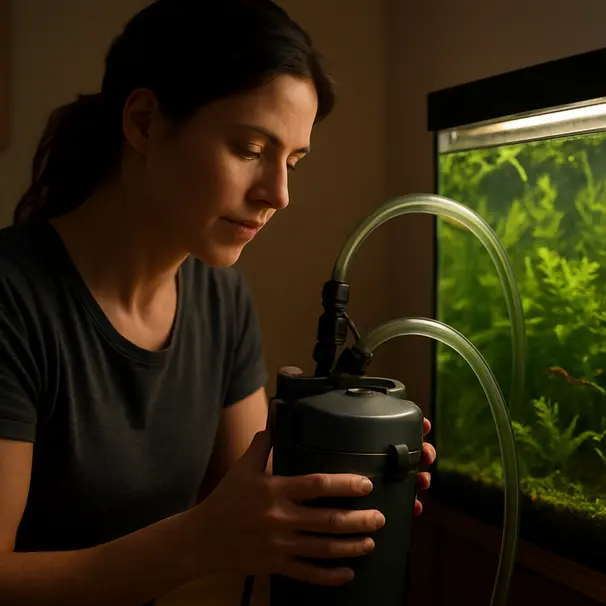
Filter media may need rinsing in tank water during the water change. Rinse gently—do not scrub with tap water. Replace mechanical media like sponges when they’re falling apart, and replace chemical media such as activated carbon on a schedule the manufacturer recommends.
Glass, decorations and plants
Use an algae scraper for glass and a soft brush for decorations. Trim dead plant leaves and remove visible waste. Keep a planted tank tidy, but avoid removing too much plant mass at once.
Monthly and seasonal tasks
Some chores are less frequent but still essential. A monthly checklist can keep everything in order.
- Deep clean filter housings while keeping beneficial bacteria intact.
- Test and replace bulbs if you use fluorescent lights, or check LED output if plants seem to struggle.
- Inspect tubing and air pumps for wear and replace as needed.
- Clean the aquarium hood and any external equipment.
Seasonal checks are useful too. For example, heating needs may change in winter, and algae growth may spike in summer with longer daylight hours. Notice these rhythms and adjust maintenance accordingly.
Testing water: what to check and when
Water testing is one of the most practical ways to keep fish healthy. A small test kit can go a long way.
- Weekly: Test ammonia, nitrite and nitrate until your tank stabilizes, then continue testing nitrate weekly.
- Every few weeks: Check pH, general hardness (GH) and carbonate hardness (KH) if you have sensitive species.
Ammonia and nitrite should be zero or undetectable in a cycled tank. Nitrate may be present but lower is generally better. If levels creep up, increase water change frequency and check feeding amounts.
Keep results in a simple log. Noting values over time helps you see trends, and it makes instructions easier to hand off to a pet carer.
Feeding: less is usually more
Overfeeding is one of the leading causes of poor water quality. Here are friendly feeding strategies:
- Feed small portions once or twice a day. Offer food that fish consume in roughly two minutes.
- Rotate diets. Flakes, pellets, and occasional frozen or live foods offer variety and balanced nutrition.
- For picky eaters, try feeding a little at different times of day, or use sinking wafers for bottom dwellers.
- Fast your fish one day a week in community tanks to help clear their digestive systems and reduce waste.
If you’re going away for a few days, most healthy community fish will be fine. For longer trips, arrange for a pet carer or use automatic feeders as a backup, but test the feeder first to avoid overfeeding.
Substrate, plants and decorations care
The substrate and plants create the tank’s environment and affect water chemistry.
- Vacuum the substrate lightly during weekly water changes, focusing on areas where waste accumulates.
- Avoid deep cleanings that remove beneficial bacteria from the substrate.
- Trim plants regularly, remove decaying leaves, and replant cuttings to keep a healthy aquascape.
- Rinse decorations in tank water if they collect debris. Replace porous decorations if they become clogged or slimy.
Live plants can help control nitrates and provide shelter. They may require extra care like fertilisers or CO2, so research plant needs and balance them with fish requirements.
Equipment upkeep: keep it simple and reliable
A reliable setup is easier to maintain. Regular checks prevent sudden failures.
- Heaters: spot-check temperatures daily, and test the thermostat monthly. Consider using a secondary heater or a thermostat controller in sensitive setups.
- Filters: follow manufacturer guidance for media changes and consider having a backup filter on hand.
- Lights: set a consistent photoperiod, usually 8 to 10 hours for most planted tanks. Use a timer to avoid overeager algae.
- Air pumps and tubing: replace tubing annually or if it becomes brittle.
Label service dates on a small chart near the tank or on your phone calendar. That reminder will save you from guesswork.
Spotting common problems and gentle fixes
Even with routines, things happen. Here are common issues and calm steps to take.
- Cloudy water: Often a sign of bacterial bloom after a big change. Reduce feeding, keep up gentle water changes, and test water.
- Algae spikes: Check light hours and nutrient levels. Trim plants, reduce lighting slightly, and consider algae-eating tank mates if appropriate.
- Sick fish: Isolate visibly ill fish in a quarantine tank if possible. Consult an aquatic vet or experienced carer, and consider water parameter changes, stressors, or parasites.
- Equipment failure: Keep spare parts like heater thermostats and filter media. If a heater fails, a partial water change with slightly warmer replacement water may help, but aim to restore stable conditions quickly.
When in doubt, reach out to a vet or a trusted pet carer. You may want to share your water test log, recent photos, and a description of behaviour to get faster, more accurate advice.
Preparing clear instructions for pet carers
If someone will care for your tank, clear, practical notes make a huge difference. Provide a short written routine and emergency contacts.
- Daily checklist: feed amounts, where food is stored, how long to leave lights on, and basic observations to note.
- Weekly tasks: how to perform a water change, what tools to use, and where replacement water is stored.
- Important tank info: water parameters (pH, temperature range), species list with special needs, and any medication history.
- Emergency contact: your number, your aquatics-savvy friend or a local aquarium shop, and a vet experienced with fish if available.
Include labelled photos of equipment and show the carer how to take a quick water test. Leave spare supplies and write down where replacements are kept.
A simple care checklist you can copy
Daily
- Quick visual check of fish behaviour and equipment
- Feed appropriate portions
Weekly
- 10 to 25 percent water change
- Vacuum substrate gently
- Rinse filter media in tank water if needed
- Test nitrate levels
Monthly
- Inspect and clean equipment housings
- Replace worn tubing and bulbs as needed
- Deep check of plant health and decorations
Emergency steps
- Isolate sick fish if possible
- Record water test values and recent changes
- Contact an experienced carer or aquatic vet
Closing thoughts
Aquarium care is a rhythm, not a race. A few short daily checks and regular weekly rituals will keep your tank stable and your fish content. If you ever feel unsure, trusted pet carers and the Floofy community can help guide you through a tricky moment.
Keep notes, take photos, and enjoy the quiet reward of a healthy, lively tank. Your fish will thank you in the calm, colorful ways they know best.