

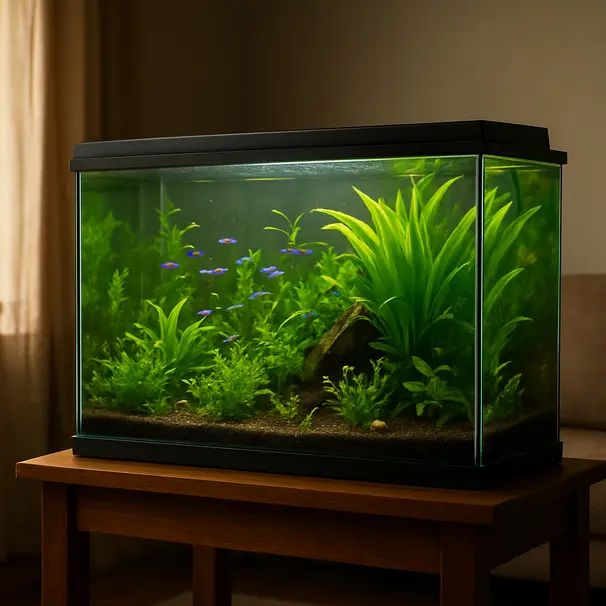
Essential Aquarium Maintenance Guide for Healthy Aquatic Pets
Keeping an aquarium is a joy. There’s something quietly magical about watching fish glide through plants, tiny fins catching the light, and a well-tuned tank humming along like a small, living ecosystem. This guide is a warm, practical companion for pet owners and carers who want to keep aquatic companions healthy and comfortable. I’ll walk through setup essentials, daily and weekly chores, water testing, cleaning tips, feeding advice, and simple troubleshooting. Grab a cup of tea and let’s make your tank a place your fish will truly love.
Getting the setup right
A good routine starts with a good foundation. The right setup reduces surprises and keeps stress down for pets and carers alike.
Choosing the right tank and location
- Pick a tank size that fits the species you plan to keep. Bigger tanks are more stable and forgiving. A 20–30 gallon tank is a solid start for community freshwater fish. For larger species or planted tanks, go bigger.
- Place the aquarium on a sturdy, level stand away from direct sunlight. Sunlight can trigger algae blooms and temperature swings.
- Consider the room’s humidity and foot traffic. Avoid high-traffic areas where kids or guests might bump the tank, and keep it away from heaters or air conditioners that could change the temperature.
Essential equipment
- Filter, heater, and lighting are the core trio. Match filter capacity to tank size and bioload. Heaters help tropical species thrive, and consistent lighting supports plants and fish day-night rhythms.
- Substrate choice matters. Fine gravel for most freshwater tanks, sand for bottom-dwellers, and aragonite sand or crushed coral for some saltwater or African cichlid setups.
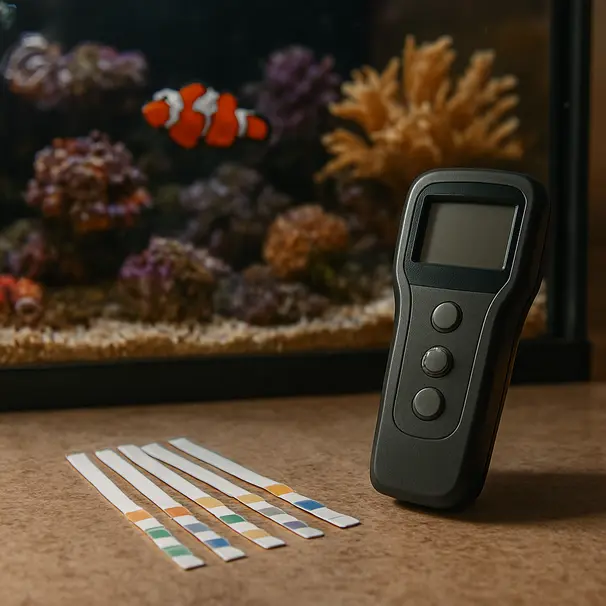
- Test kits for ammonia, nitrite, nitrate, pH, and hardness are non-negotiable. For saltwater, add salinity testing.
Cycling the tank
Cycle your tank before adding most fish. Cycling establishes beneficial bacteria that process ammonia and nitrite. You can cycle with live food waste, a bacterial starter, or by adding hardy, quarantined fish used as bio-load sparingly. Monitor ammonia and nitrite levels and add more livestock only when those readings stay at zero and nitrate is under control.

Daily and weekly care routine
Small daily checks and steady weekly chores keep things calm and predictable. Think of this as short, friendly maintenance sessions rather than big, stressful cleanings.
Daily checks (5 minutes)
- Look at fish behavior and appetite. Quick changes in behavior may signal water or health issues.
- Check equipment: filter flow, heater temperature, lights on schedule.
- Remove uneaten food after a few minutes to prevent water fouling.
Weekly tasks (30–60 minutes)
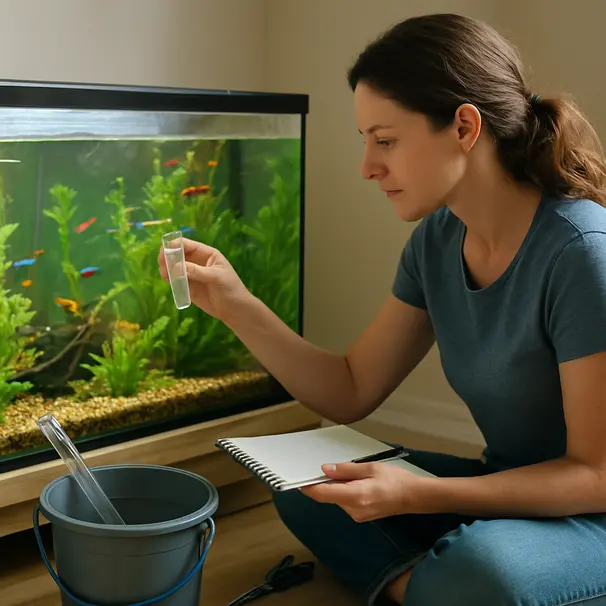
- Test water for ammonia, nitrite, nitrate, and pH. Keep a log with dates, temperatures, and readings. Trends tell a better story than single readings.
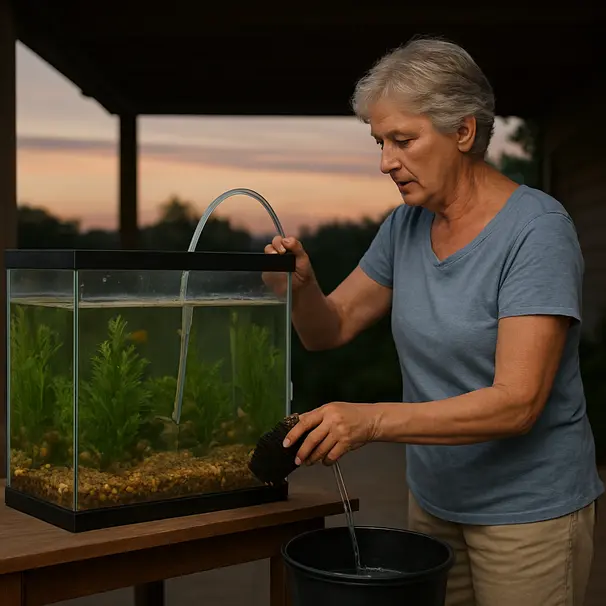
- Do a 10–25% water change for most freshwater tanks. Larger changes may be needed if nitrate is high.
- Siphon the substrate during water changes to remove waste and detritus. Don’t aim for perfection; you want to remove buildup, not all beneficial bacteria.
- Rinse filter media in removed tank water, never tap water, to preserve beneficial bacteria. Replace media per manufacturer guidance, not just when it looks dirty.
Water testing and chemistry basics
Good water chemistry is the backbone of aquatic health. Tests help you catch issues early and guide corrections.
What to test and why
- Ammonia: toxic even at low levels. If ammonia appears, reduce feeding and increase water changes while finding the source.
- Nitrite: also toxic. A cycled tank should show zero nitrite.
- Nitrate: less toxic but should be kept in check with water changes and plants that uptake nitrates.
- pH: many species prefer a steady pH. Avoid large pH swings.
- General hardness (GH) and carbonate hardness (KH): influence stability and some species’ well-being.
- Salinity: for marine tanks, use a refractometer or hydrometer to keep salinity steady.
How to interpret results
- A healthy, cycled freshwater tank usually reads 0 ppm ammonia, 0 ppm nitrite, and nitrate under 40 ppm, often lower for sensitive species.
- Stability matters more than a single perfect number. Sudden shifts are stressful for fish.
- If a test is out of range, act calmly: partial water changes, stopping feeding, and double-checking equipment and recent additions can help bring things back.
Cleaning and equipment care
Regular gentle maintenance keeps the tank pretty and functional. Over-cleaning can be as harmful as neglect.
Glass and decorations
- Use an algae scraper on the glass weekly or as needed. For stubborn algae, a magnetic cleaner is handy and less intrusive.
- Rinse decorations in tank water during a water change. Avoid soap or chemicals.
Substrate and vacuuming
- Gravel vacs remove detritus and uneaten food. Move carefully so you don’t remove too much beneficial material.
- For planted tanks with delicate roots, use gentle surface cleaning and only deep-clean where necessary.
Filters, heaters, and lights
- Clean filter housings and replace media per the schedule. Sponges may be rinsed in tank water; chemical media like carbon gets replaced regularly.
- Check heaters for consistent temperature. Consider a second thermometer for verification.
- Replace or clean light fixtures and bulbs per manufacturer recommendations. Lighting schedules, controlled with a timer, help prevent algae.
Feeding and fish health
Good feeding habits are simple and powerful.
- Feed small amounts once or twice daily depending on species. Offer only what your fish can eat in a minute or two.
- Rotate foods: flakes, pellets, frozen or live treats where appropriate. Variety can help nutrition and reduce picky eating.
- Observe body condition rather than just behavior. Sunken bellies, bloating, rapid breathing, or faded colors may indicate a problem.
- Quarantine new fish for a couple of weeks in a separate tank. This prevents introducing disease and lets you observe behavior and health before adding new pets to the display.
- Consider consulting an aquatic veterinarian for worrying symptoms. A vet can help diagnose diseases and advise on treatment options in a safe, responsible way.
Troubleshooting common problems
Even experienced keepers run into hiccups. Try methodical, gentle fixes before dramatic changes.
Algae blooms
- Algae growth is normal, but excessive blooms often point to too much light, excess nutrients, or imbalanced feeding.
- Shorten lighting periods, reduce feeding, and add live plants or algae-eating species appropriate to your tank.
- Manual removal and routine water changes bring levels down.
Cloudy water
- Bacterial bloom: often appears as white or gray cloudiness in a new tank or after a large disturbance. It may clear on its own with stable conditions and patience.
- Fine particulate matter: improve filtration and vacuum the substrate.
- Test water to rule out chemical imbalances.
Sick fish signs and common conditions
- Look for loss of appetite, clamped fins, rapid breathing, unusual spots, or erratic swimming.
- Isolate affected fish if you can, and compare symptoms to reputable care guides. Treatments can help but should be chosen with care.
- For serious concerns, consider a vet consult. A vet may suggest water parameter corrections, medicated baths, or in-tank treatments based on diagnosis.
A note about saltwater tanks and specialized care
Saltwater and reef setups need extra attention to salinity, specific gravity, and more exacting chemistry. Live rock, protein skimmers, and targeted lighting add complexity. If you’re new to saltwater, start small and ask experienced carers or shop staff for guidance. Floofy carers with marine experience can assist with regular maintenance and water changes while you learn.
Working with trusted pet carers
Using a trusted carer can make aquarium ownership easier and more reliable, especially during busy weeks or vacations.
- Look for carers with clear experience and references caring for aquariums like yours. Ask about their routine for water changes, feedings, and test logs.
- Provide a simple checklist: feeding amounts and times, equipment settings, emergency contacts, and a log sheet for water tests.
- Offer a trial visit so you see how a carer handles routine tasks. A good carer will be calm, observant, and communicative about any odd findings.
- Carers can help with heavy tasks like large water changes, filter media rotation, and timed feeding when you’re away. They may also support quarantine and introductions if you’re adding new fish.
Final thoughts and a gentle reminder
Aquariums are living systems that reward steady care and small habits. Keep notes, pay attention to changes, and enjoy the process. Your fish don’t need perfection, they need consistency, good water, and thoughtful feeding. If something feels off, slow down and work through the basics: test water, check equipment, and reduce variables. If you’re unsure, ask a vet or a trusted aquarium carer for help. Sharing the work can make aquarium ownership less stressful and more delightful.
Thanks for reading. Take your time, be kind to your tank, and remember that even tiny improvements make a big difference for aquatic pets.