

Essential bird safety tips for every pet carer and bird owner
Birds bring a special kind of joy into a home. Their curiosity, bright personalities and comical moments make them wonderful companions. That same curiosity, however, means birds can encounter hazards ordinary people might not notice. This guide is a warm, practical companion for both bird owners and pet carers, full of friendly advice to make daily life safer and more enjoyable for every feathered friend.
Quick safety checklist
Start with a short list you can read in a glance, and keep it near the cage or in a carer’s folder.
- Secure cage placement, away from drafts and direct heat sources.
- No toxic plants, fumes or open windows nearby.
- Fresh water and safe food available at all times.
- Supervision during out-of-cage time.
- ID and contact details on the cage, carrier and bird.
- Emergency vet contact and basic first aid kit ready.
This checklist can help carers step in confidently, and it’s a simple way for owners to communicate priorities.
Cage and environment safety
A good setup reduces stress for the bird and worry for the person caring for them. Think of the cage as the bird’s home base, a place that should feel safe and predictable.
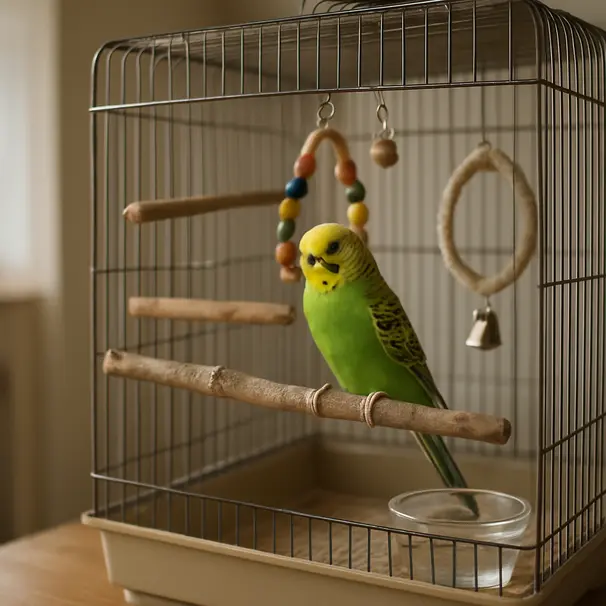
- Size matters. Choose a cage that gives the bird room to stretch wings and move around. Bigger is better for most species.
- Bar spacing should match the species. Too wide and smaller birds can escape or get stuck.
- Place the cage where the family spends time, but not in the middle of heavy traffic. Birds like social interaction, but they also need calm to rest.
- Avoid placing cages above stoves, next to open windows or near ceiling fans. Kitchen fumes, drafts and fans are serious risks.
- Keep perches varied in size and texture to promote foot health. Natural wood perches can help, but avoid branches from unknown trees.
- Clean bowls and change water daily. Dirty water can lead to illnesses, so fresh water is a simple, powerful safety step.
Consider a weekly photo log or short notes for carers. Photos show perch placement, favorite toys and any subtle changes to behavior.
Common household hazards to watch for
Birds explore with their beaks and can get into trouble fast. Here are frequent risks and how to reduce them.
- Teflon and non-stick cookware. Overheated non-stick surfaces may release fumes harmful to birds. Keep birds out of the kitchen during cooking, and avoid using these pans if birds are present nearby.
- Ceiling fans and open windows. Birds can fly into blades or out an open window. Close windows or use secure screens, and turn off fans during flight time.
- Household cleaners and aerosols. Sprays can be toxic. Use bird-safe cleaning products and ventilate well. Consider asking carers to avoid aerosol use while the bird is in the home.
- Certain plants and foods. Chocolate, avocado, caffeine, and alcohol can be dangerous. Many common houseplants are toxic to birds too. Keep a list of safe and unsafe items visible.
- Electrical cords and small objects. Birds like to chew. Cover cords and keep small items out of reach. Consider cord protectors and tidy storage.
If you’re unsure about a product or plant, take a photo and check with an avian-savvy veterinarian or a trusted source. It’s worth the extra few minutes.
Feeding and nutrition basics
Diet plays a big role in a bird’s wellbeing. A balanced routine helps avoid nutritional gaps and curious foraging that can lead to trouble.
- Offer a varied diet. High-quality pellets, fresh vegetables, and occasional fruits can form a good base. Seeds alone may not meet all nutritional needs.
- Remove uneaten fresh food after a few hours. Fresh foods can spoil and attract bacteria.
- Avoid offering human junk food. Salty, sugary or fatty snacks are not bird food.
- Keep supplements and medications labeled and locked away. If a pet carer is administering supplements, provide clear written instructions.
- If you plan to change diet, do it gradually. Sudden changes can cause stress or digestion upset.
Consider leaving a sample of the bird’s regular meal in a labeled container for carers. A quick note about favorite treats and a short refusal list makes feeding straightforward.
Handling, socialization and training
Many accidents happen during handling. A calm approach keeps the bird relaxed and the person confident.
- Let the bird come to you when possible, and approach with a soft voice.
- Use step-up training to encourage safe perching on hands or a stick. Positive reinforcement can help birds accept handling more willingly.
- Avoid forcing contact. If the bird is anxious, give it space and try again later.
- Never grab a bird by the tail, wings or legs. Support the body gently and avoid squeezing.
- Teach children safe ways to interact. Short, supervised sessions with clear rules reduce stress for everyone.
Training also helps during vet visits and emergencies. A bird that tolerates brief handling is easier to move into a carrier and transport calmly.
Travel, carriers and escape prevention
Moving birds safely needs planning. A good carrier, practice and identification can prevent tragedies.
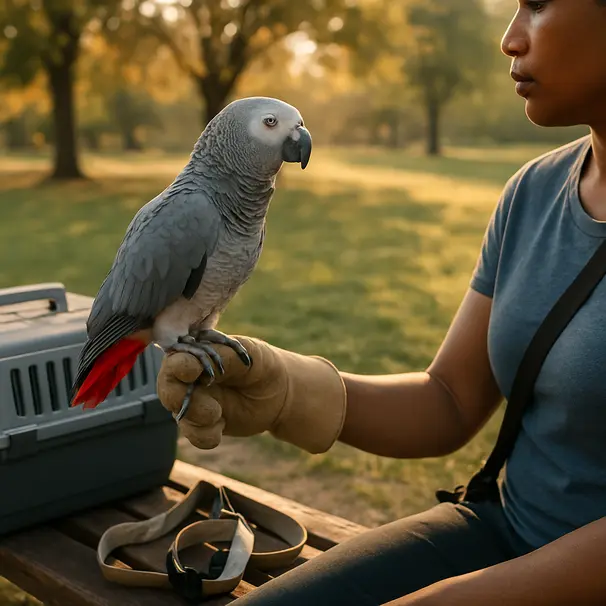
- Use a sturdy carrier with secure latches and proper ventilation. Line it with a towel to prevent slipping.
- Acclimate the bird to the carrier before travel. Leave it open in the house with treats inside so it becomes familiar.
- Never transport a bird loose in a car. Sudden stops, drafts or open windows can lead to escape or injury.
- Consider a harness for supervised outdoor flight or short walks, if the bird tolerates it. Practice in a quiet area first.
- ID the bird. Leg bands, microchips and a clear photo with identifying marks are helpful. Keep contact information up to date.
Carers should have written instructions for transport and any recent behavioral notes in case the bird is nervous during travel.
Emergency prep and basic first aid
Emergencies are stressful, but some planning can make responses faster and calmer.
- Keep contact details for an avian emergency vet clearly posted. Know the closest 24-hour clinic that treats birds.
- Pack a small first aid kit: soft towels, a syringe for offering water, vet wrap or a small box to keep a bird calm. Include a copy of the bird’s medical records.
- If a bird becomes unconscious or injured, keep it warm and quiet. Avoid feeding or giving medications unless instructed by a vet.
- For suspected poisoning or respiratory distress, remove the bird from the environment and get veterinary help right away. Fumes can act very quickly.
Make sure all carers know where the kit and records are kept, and run through one practice emergency plan so everyone feels prepared and calm.
Cleaning and hygiene
Good hygiene protects both birds and people. Clean cages regularly, and do it in a bird-safe way.
- Use bird-safe disinfectants and rinse surfaces well. Avoid strong-smelling cleaners while birds are present.
- Clean food and water dishes daily. Replace toys that are heavily soiled or damaged.
- Wash hands before and after handling birds, their food or cage liners. This simple step reduces transfer of germs.
- Let fresh air circulate after cleaning, then return the bird when fumes are gone.
If a carer is working for different households, encourage them to change clothes and wash hands between visits to minimize cross-contamination.
Leaving your bird with a pet carer: a practical checklist
A clear handover makes life easier for carers and safer for birds. Include these items in a printed or digital folder.
- Daily routine: wake time, out-of-cage schedule, feeding times, and special treats.
- Favorite toys and calming strategies.
- Known dislikes or triggers, such as specific noises or handling methods.
- Vet contact, medication instructions, and medical history.
- Emergency contacts and the nearest avian-friendly clinic.
- Keys, alarm codes and any house rules relevant to the bird.
Add photos that show preferred perch positions and any behavioral quirks. A short video of the bird eating or stepping up can be especially helpful for a new carer.
Seasonal and travel considerations
Weather and seasonal changes affect birds more than people might expect.
- Keep indoor temperatures stable. Birds can tolerate a range of temperatures, but sudden drafts or heating swings may cause stress.
- Sunlight is important. A safe, sunny spot in the morning can benefit mood. Avoid hot afternoon sun through glass.
- During holidays, minimize exposure to candles, sparklers, and crowded parties that create stress and potential hazards.
- Airline travel has specific rules and risks. If you must fly with a bird, plan well in advance and consult an avian-experienced vet.
Carers should be told about seasonal care changes and any plans that might alter the bird’s routine.
Final thoughts and gentle reminders
Caring for birds combines patience, observation and small routines that build big safety gains. A few practical habits can prevent most accidents, and a little planning makes life smoother for carers and owners alike.
- Keep communication open. A quick text, photo or short note about any odd behavior helps track changes.
- Trust instincts. If a carer feels something is off, encourage them to contact the owner and, if needed, a vet.
- Celebrate the positives. Share moments of progress, funny quirks and quiet successes. Birds thrive in environments where people feel confident and kind.
Bird safety is about creating a consistent, nurturing space where curiosity is met with gentle boundaries. With these tips, owners and carers can work together, giving birds secure homes and happy lives.
If you have specific medical concerns about your bird, consider consulting an avian veterinarian. They can offer tailored advice and care recommendations for your bird’s unique needs.