


Essential care and responsibilities of owning exotic pets
Opening your home to an exotic pet can be a joyful adventure. These animals—bearded dragons, parrots, sugar gliders, tortoises, snakes, and more—bring personality and curiosity to daily life. They also ask for specific care and attentive, knowledgeable guardianship. This guide walks through practical responsibilities, friendly tips for day-to-day care, and how to prepare for the unexpected. Keep a warm cup of tea nearby and read on; this is for both new owners and carers who want to do right by these special companions.
How to decide if an exotic pet fits your life
Exotic pets aren’t low-maintenance. They may live a long time, need specialty diets, unique housing, or specific social interaction. Before taking one home, consider:
- Time commitment, daily and weekly
- Upfront and ongoing costs for equipment, food, and vet care
- Space and environmental needs, such as heat lamps or aviaries
- Local regulations and permit requirements
- Your comfort level handling and training the species
If you’re unsure, talk with experienced carers, rescue groups, or a vet who works with exotic species. A little honest reflection now can prevent stress for you and the pet later.
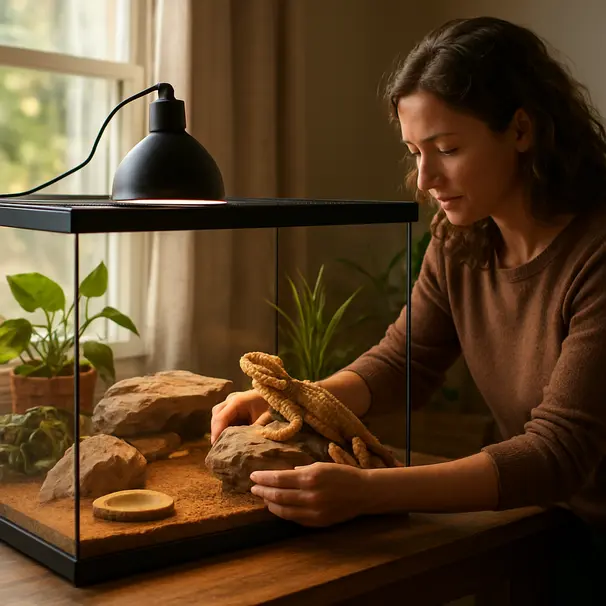
Legal and ethical responsibilities
Owning exotic animals comes with legal obligations. Laws vary widely by region. Some species require permits, microchipping, or proof of captive-bred origin. Others are restricted or banned. Always check local and national regulations before acquiring an animal.
Ethically, aim to support captive breeding programs and reputable rescues instead of wildlife trade. Consider the conservation status of a species and the potential ecological impact of ownership. Responsible ownership means being accountable for the animal’s welfare and ensuring it never ends up abandoned or released into the wild.
Research: species-specific needs matter
Every exotic species has its own language of needs. General advice helps, but specifics are critical. Learn about:
Habitat and enclosure
- Size requirements, vertical vs horizontal space
- Appropriate substrate and hiding spots
- Temperature gradients and safe heating sources
- Lighting needs, including UVB for reptiles
- Safety and escape-proofing
Some animals like constant drafts, others need very stable humidity. Invest in reliable thermometers and hygrometers. For reptiles, a basking spot and cooler end create a temperature gradient they can use to self-regulate.
Diet and nutrition
Diet ranges widely. Insects, fresh vegetables, formulated pellets, or whole prey may be needed. Variety and proper supplementation can help prevent deficiencies. Consider food safety, sourcing live prey responsibly, and preparation methods to reduce risk.
Social and behavioral needs
Some species are solitary, others form bonds and need social enrichment. Parrots and some mammals can get bored or stressed without interaction. Learn natural behaviors and provide outlets that let the animal express them.
Veterinary care
Find a veterinarian experienced with the species. Exotic vets can help with nutrition plans, routine exams, and emergency care. Consider scheduling an initial wellness visit after adoption, and keep records for vaccinations, parasite screens, or treatments.
Housing and environmental care
Setting up a proper home is the first and most important investment. A well-designed environment supports physical health and emotional well-being.
Practical tips:
- Start with species-appropriate housing. Bigger is almost always better than cramped.
- Use safe, non-toxic materials. Avoid cedar and certain treated woods for many small mammals and reptiles.
- For reptiles, research exact light and heat requirements, including UVB bulb type and replacement intervals.
- Rotate and refresh hiding places and enrichment items to keep the environment interesting.
- Keep the enclosure clean but avoid over-sanitizing; healthy microbiomes matter.
If possible, set up the housing before bringing the animal home and monitor conditions for several days. That way the animal moves into a stable, familiar environment.
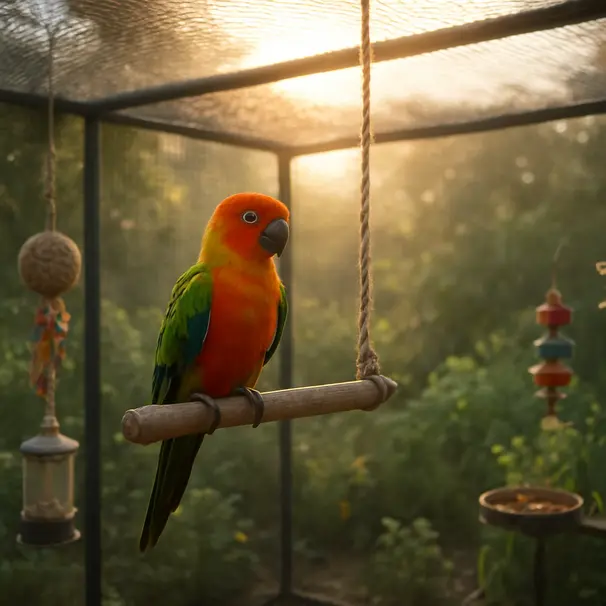
Daily care and handling
Consistent routines help exotic pets feel safe. Daily tasks may include feeding, spot cleaning, environmental checks, and brief interaction time.
Handling tips:
- Learn correct handling techniques for the species. Support body weight and avoid sudden movements.
- Keep sessions short and positive for animals not used to handling.
- Watch body language—tail flicks, vocalizations, or freezing can signal stress.
Feeding routines:
- Feed on a schedule appropriate for age and species.
- Remove uneaten food to prevent spoilage and pests.
- Consider food puzzles or foraging feeders to encourage natural behaviors.
Grooming and care:
- Trim nails and beak only if you’re trained or by a vet. Improper trimming can cause injury.
- Bathing or misting may be needed for some species to maintain skin and feather health.

Health monitoring and preventive care
Routine health observation is a simple, powerful habit. Check your pet daily for changes in appetite, activity, droppings, skin, or fur/feathers. Keeping a log can reveal slow changes that might be easy to address.
When to contact a vet:
- Sudden loss of appetite
- Unusual lethargy or aggressive behavior
- Changes in breathing, discharge, or stool
- Visible wounds or skin/feather problems
Avoid medical claims and remember that symptoms can mean many things. A vet’s assessment can help you decide on diagnostics or treatments. Consider regular wellness checks with an exotic-savvy vet so you have a baseline for future reference.
Enrichment, training, and social needs
Enrichment isn’t a luxury. It prevents boredom, reduces stress, and lets animals show natural behaviors. Tailor activities to the species:
- For birds, rotate toys and offer foraging opportunities, such as hidden treats inside safe boxes.
- For reptiles, change the layout of the enclosure occasionally and include climbing structures or burrowing spaces.
- For small mammals, provide tunnels, chew toys, and supervised playtime outside the enclosure.
Positive reinforcement works well with many exotic pets. Use small food rewards, gentle praise, or a preferred activity to encourage calm handling and husbandry cooperation.
If your animal enjoys company, consider compatible companions only after careful research. Some species need lifelong pairs, others need to be housed alone to avoid stress or aggression.
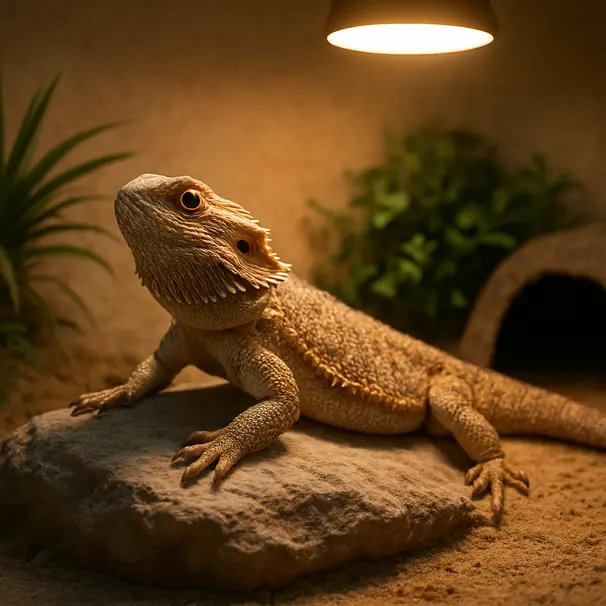
Safety, travel, and emergency preparedness
Plan for accidents and disruptions. A few practical steps make emergencies less frightening:
- Keep an emergency kit with vet contact info, photos of your pet, copies of records, and species-appropriate supplies.
- Have a safe travel carrier sized for the animal and practice short transports so they’re less stressful.
- Know local 24-hour emergency vets that handle exotics. Not every clinic is equipped for all species.
- Develop a contingency plan for someone to care for your pet if you travel or can’t be home.
In an emergency, quick, calm action is valuable. Follow your vet’s guidance and try to transport the animal safely in a suitable carrier.
Finding trusted carers and community support
When you need help, whether for a date night or a longer trip, choose carers with experience and clear references. Look for:
- Experience with your species and handling techniques
- Clear communication about routines and what to do in an emergency
- Willingness to follow your care plan and ask questions
- Insurance or professional affiliations where applicable
Local clubs, online forums, and rescue groups can be great places to find experienced sitters and mentors. On Floofy, you can connect with carers who specialize in exotic pets, read reviews, and ask about specific experience.
Responsible rehoming and lifetime commitment
Exotic pets sometimes outlive owner expectations or develop needs the owner can’t meet. Plan for the long term. If rehoming becomes necessary, work with rescues or trusted adopters who understand the species. Never release captive animals into the wild.
A few steps for ethical rehoming:
- Provide full medical and care history
- Offer necessary equipment and supplies
- Screen potential adopters for experience and environment
Quick checklist for new and prospective owners
- Research species-specific needs thoroughly
- Confirm legal requirements and permits
- Set up and stabilize housing before bringing the pet home
- Find an exotic-experienced veterinarian
- Prepare a daily care and enrichment routine
- Pack an emergency kit and travel carrier
- Line up trusted carers or sitters for absences
Final thoughts
Exotic pets bring wonder, curiosity, and often deep bonds. They reward careful attention and thoughtful care. By learning their language, meeting their needs, and planning ahead, you give these animals a life where they can thrive. If you’re a carer, communicate clearly with owners and prioritize the animal’s comfort. If you’re an owner, seek support, embrace learning, and enjoy the unique companionship your exotic friend offers.
For tailored help, consider reaching out to local rescues, avian or reptile veterinarians, and experienced carers on Floofy. They can offer species-specific advice, sitter recommendations, and community wisdom.
Take care, and happy snuggling, watching, and learning from your exotic companion.