

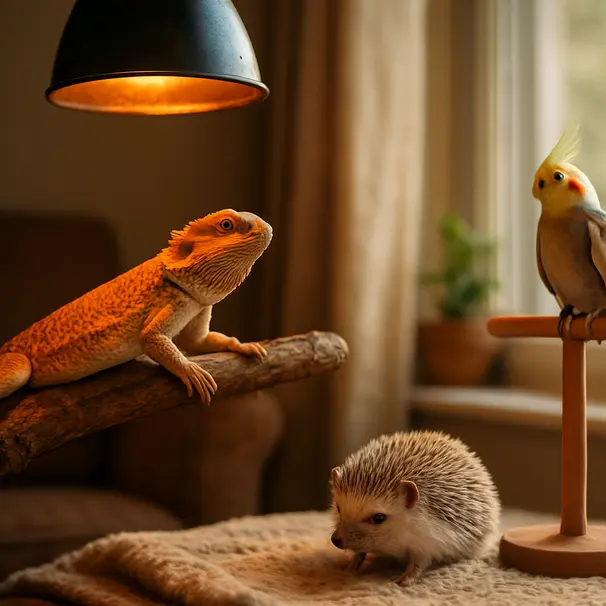
Essential care guide for first-time exotic pet owners
Bringing home an exotic pet is a joyful moment. It can also be a steep learning curve. Exotic pets—reptiles, birds, small mammals and amphibians—have very specific needs. Get the basics right and you’ll be rewarded with a healthy, engaged companion. Get them wrong and you could unintentionally cause stress or illness.
This guide is written for people new to exotic animals. I’ll walk you through research, housing, diet, handling, enrichment, health checks, and practical steps to find trusted carers. Think of this as a friendly map to help you start on the right foot.
Start with species-first research
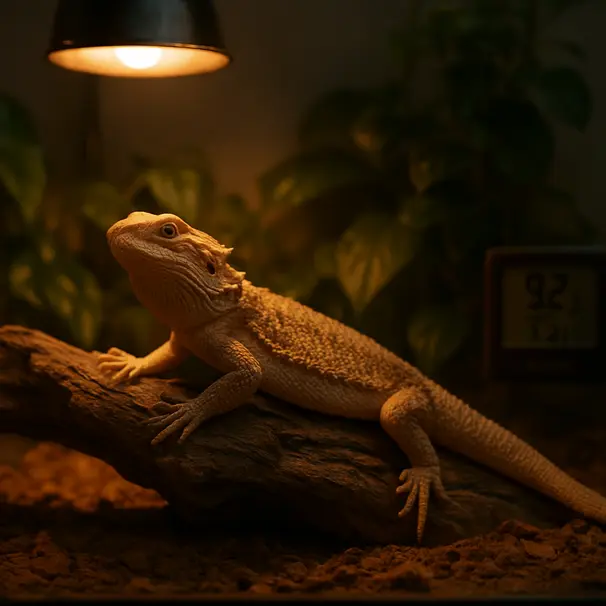
Before you bring any animal home, learn about that species’ life span, adult size, temperament, and special needs. Different species have wildly different requirements. A ball python is not a bearded dragon is not a cockatiel.
- Read care sheets from multiple sources. Look for care from reptile, avian, or exotic mammal-focused rescues and veterinarians.
- Join community groups and forums run by experienced owners. Ask specific questions about housing, diet, and common pitfalls.
- Check legal and housing restrictions. Some cities or landlords restrict certain exotic species.
Ask yourself whether your home, schedule, and budget match the animal’s needs. Some parrots can live 50 years and need intense social interaction. Tortoises may require large outdoor space and decades of care. If your lifestyle is busy or unpredictable, a species with simpler, shorter-term needs might be wiser.
Housing and the environment: temperature, lighting, and space
Most exotic pets depend on their environment more than dogs or cats do. Reptiles often rely on precise temperature gradients, amphibians need stable humidity, and birds need room to fly.
- Provide a secure, escape-proof enclosure sized for the species and adult size.
- Create temperature gradients rather than a single temperature. Use thermostats and reliable thermometers placed at both warm and cool ends.
- For reptiles, consider UVB lighting if the species requires it. Replace bulbs on the schedule recommended by the manufacturer, because UV output declines even when visible light remains bright.
- Control humidity for amphibians and some tropical reptiles. Hygrometers are inexpensive and helpful.
- Ensure proper ventilation, but avoid drafts in chilly climates.
A well-set-up home reduces stress and helps prevent common problems like metabolic bone disease in reptiles or respiratory issues in damp containers. If you’re unsure about the exact parameters, look for veterinary care guidelines or ask experienced carers.
Diet and nutrition: quality over guesswork
Diet is one of the areas where small mistakes make big differences. Unlike cats and dogs, many exotic species have highly specific diets.
- Learn exactly what your species eats as an adult. Avoid feeding juvenile diets or inappropriate substitutes.
- For insect-eating reptiles, gut-loading and dusting feeders with calcium and vitamins can help. But don’t over-supplement. Consider calcium without vitamin D3 unless UVB access is limited, and a multivitamin occasionally.
- Herbivores need a variety of fresh greens, safe vegetables, and species-appropriate pellets when recommended.
- For birds, a mix of pellets, fresh fruits and vegetables, and species-safe treats can support health. Seeds alone are often insufficient.
- Watch for signs of overeating or weight loss. Keep a feeding log during the first few months to see patterns.
When in doubt, consult an exotic veterinarian about a feeding plan. They can help tailor portions and supplements safely.
Handling, socialization and bonding
Some exotics enjoy frequent gentle interaction, while others are happiest with minimal handling. Learn the natural behavior of your species and build trust slowly.
- Move at the animal’s pace. Start with short, calm sessions and use quiet voices.
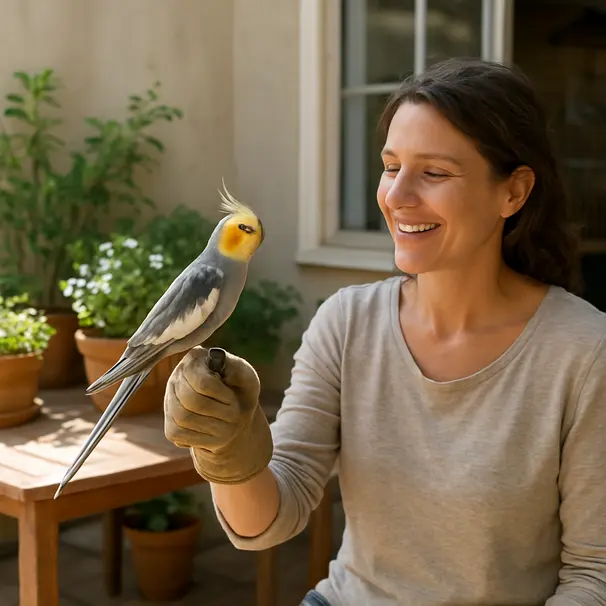
- For birds, positive reinforcement training with treats can build strong bonds and reduce stress during nail trimming or vet visits.
- For shy reptiles or nocturnal animals, try daytime routines that respect their sleep cycles. Use soft lighting and slow movements.
- Avoid forcing interaction. If an animal shows defensive behavior—hissing, biting, puffing up—give space and try again later.
Socialization also matters for animals that need company. Some parrots require daily interaction, while many solitary reptiles are happier alone. Make sure social needs are met without overhandling.
Enrichment: mental and physical health
Enrichment keeps exotic pets mentally stimulated and physically fit. Bored animals may develop behavioral issues or health problems.
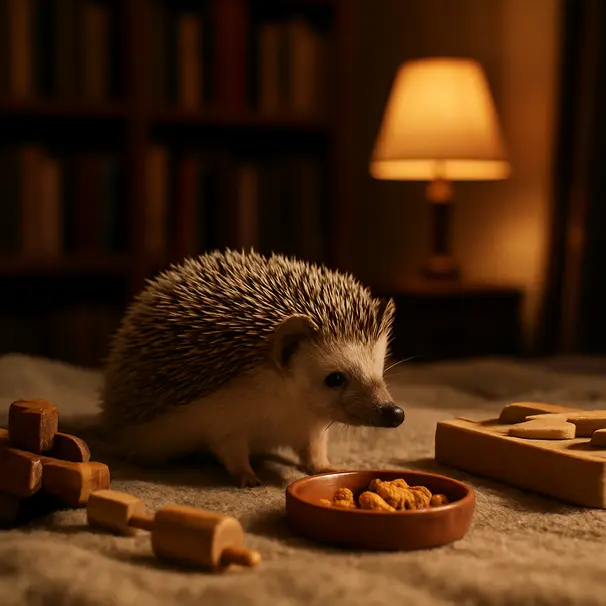
- Offer species-appropriate toys and hiding places. Reptiles appreciate branches and caves. Birds love puzzles and foraging toys.
- Rotate toys to keep interest high. A simple change of layout can feel like a new environment.
- Provide opportunities for natural behaviors. Burrowing substrates for diggers, perches at different heights for climbers, and shallow pools for species that enjoy bathing.
- Supervised out-of-enclosure time can be valuable for many species. Be mindful of room hazards: open windows, ceiling fans, toxic plants, and household cleaners.
Make enrichment part of daily care rather than an afterthought. Small investments in habitat complexity go a long way.
Finding an exotic-savvy veterinarian
Exotic pets need vets with specialized training. Regular checkups can catch problems early and help you set a preventative care plan.
- Use local referral lists, online directories, or community groups to find vets experienced with your species.
- Schedule an initial wellness exam soon after adoption. Bring photos of the animal in its enclosure, recent feeding notes, and any behavior concerns.
- Ask about emergency availability and expected costs. Exotic veterinary care can be more specialized and costly than standard pet care.
If you’re unsure about a treatment or diagnosis, it’s okay to seek a second opinion. A good vet will help you understand options and next steps.
Safety and household hazards
Many common household items are hazardous to exotic pets. A few preventative steps can help keep everyone safe.
- Secure chemicals, small objects, and human foods that are toxic to animals. Chocolate, avocado, and certain houseplants can be dangerous to some species.
- Watch for household cleaners with strong fumes. Use them away from pet areas and ventilate thoroughly.
- Keep glass windows and mirrors covered during out-of-enclosure time for birds. They can fly into reflections.
Prepare a simple first-aid kit and have emergency numbers handy: your exotic vet, a local emergency clinic, and a poison control helpline where available.
Travel, boarding and finding a carer
Exotic pets can be sensitive to travel and unfamiliar sitters. Planning ahead makes trips less stressful.
- Look for carers with specific experience for your species. A sitter used to dogs may not know how to manage a temperature-dependent reptile.
- Provide detailed written care instructions, emergency contacts, and a list of behaviors that are normal for your animal.
- For boarding, visit the facility first. Check enclosures, temperature control, cleanliness, and staff handling experience.
- Test short stays before longer trips. A single overnight with a trusted sitter can help you see how your animal reacts.
When using platforms like Floofy, read carers’ profiles carefully. Look for reviews that mention experience with exotic species and ask targeted questions about their set-up and emergency procedures.
Common mistakes new owners make
Mistakes are normal, and most are fixable. Knowing the common ones helps you avoid them.
- Underestimating size, lifespan, or space needs. Research adult size and lifetime commitments.
- Skipping proper heating, lighting or humidity. These are crucial for many species and affect appetite, digestion and immune health.
- Feeding inappropriate staples, like feeding only seeds to parrots or only crickets without gut-loading.
- Overhandling too soon, which causes stress and setbacks in trust-building.
- Not having an exotic vet or delaying checkups. Preventative care matters.
If you do make a mistake, don’t panic. Reach out to experienced owners, community forums, or your veterinarian for advice.
Emergency planning and common warning signs
Plan for quick action if something looks wrong. Know the signs that mean a vet visit may be necessary.
- Lethargy, loss of appetite, difficulty breathing, abnormal droppings, swelling or wounds are all reasons to seek veterinary advice.
- Sudden changes in behavior or posture can indicate pain.
- Keep a log of the animal’s normal habits. That makes it easier to notice subtle shifts.
Have a plan to transport your pet safely. For reptiles, a warm towel-lined carrier helps; for birds, travel cages should be secure and draft-free.
Practical checklist for the first month
- Complete species-focused research and join a local or online community.
- Schedule a wellness check with an exotic vet.
- Set up the enclosure with correct heating, lighting, substrate and hiding spots.
- Establish a feeding schedule and purchase appropriate diet items and supplements.
- Introduce handling gradually and begin basic trust-building.
- Make a care sheet for sitters and identify at least one trusted carer.
This list helps you stay focused and reduces the chances of missing key needs during those early weeks.
Closing thoughts: patience, observation and joy
Exotic pets reward thoughtful care with fascinating behaviors and unique bonds. Expect a learning curve and celebrate small wins. Observe often, ask questions, and keep learning.
If you ever feel unsure, reach out to a veterinarian or an experienced carer. With good habitat, correct nutrition, and gentle handling, your exotic companion can thrive. Enjoy the journey of getting to know an animal that may be very different from the usual household pet.
Further resources: check local rescue groups, specialty care books, and veterinary resources for species-specific care sheets. And if you need trusted care, look for sitters who list exotic experience and positive reviews on Floofy.
Happy caring, and welcome to the wonderful, sometimes quirky world of exotic pet ownership.