


Essential cat health checklist for preventive care and early detection
Cats hide discomfort well. That mysterious purr and graceful stretch can make it easy to miss early signs of trouble. This checklist helps you build simple habits to spot issues sooner, keep routine care on track, and work confidently with a trusted pet carer or vet. Think of it as gentle detective work, done with treats and cuddles.
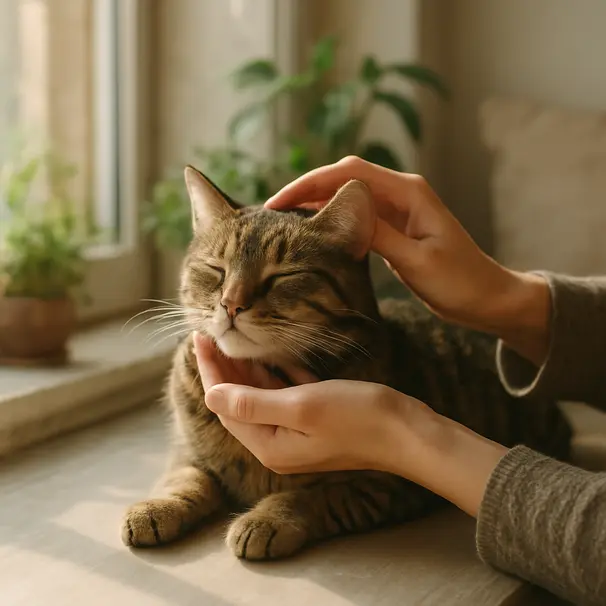
Daily checks: quick, gentle, and reassuring
These small moments add up. Spend a minute each day on a soft, calm check while your cat is relaxed.
- Look at overall mood and energy. Is your cat playing, grooming, or hiding more than usual? A sudden change in activity may be worth noting.
- Watch eating and drinking. A smaller appetite or increased thirst can be a clue. Keep an eye on meal portion changes rather than one skipped meal.
- Check the litter box habits. Faster digging, straining, or frequent small amounts of urine can suggest urinary issues. Also notice softer or harder stools than normal.
- Eyes and nose. Eyes should be bright and clear. A little teariness can be normal for some cats, but thick discharge, squinting, or redness may indicate irritation or infection.
- Ears. They should be clean with pale pink skin. Excess dark wax, odor, or head shaking can mean mites or infection.
- Coat and skin. Run your hands over the coat for lumps, bumps, or sore spots. Matted fur often hides skin problems.
- Breath and mouth. Lift the lips if your cat allows it. Look for bad breath, red gums, or tartar buildup. Don’t force a mouth check if your cat is stressed; note any drooling, bleeding, or difficulty chewing instead.
These daily observations can shape conversations with a vet or a pet carer. Jotting down quick notes helps reveal trends you might otherwise miss.
Weekly routines: small tasks that pay off
A weekly routine adds structure without taking over your life.
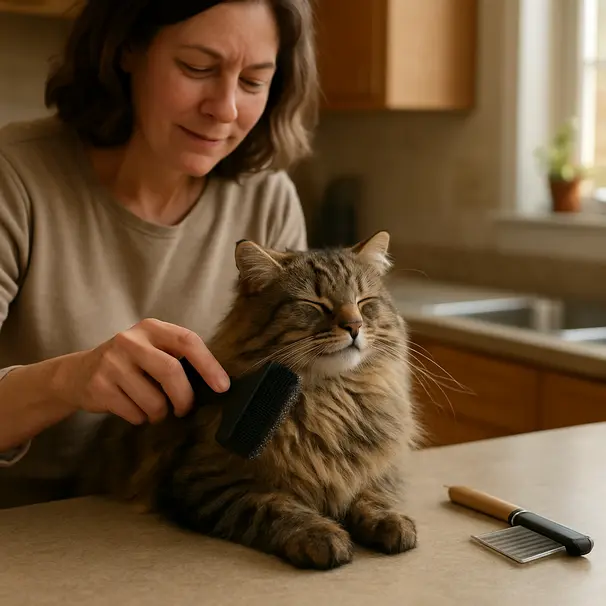
- Grooming session. Brush short-haired cats weekly, and long-haired cats several times a week to prevent mats that can trap moisture and irritate skin. Brushing is also a great bonding time.
- Nail check. Trim if nails touch the floor or snag on fabric. If you’re unsure, ask a carer or vet to show you safe clipping techniques.
- Tooth care. Aim to brush your cat’s teeth several times per week if possible, or offer dental treats and toys that may help reduce tartar. Consider introducing brushing gently and gradually.
- Weight spot-check. Run your hands along the ribs and hips to notice changes. A steady weight gain or loss may be subtle but important.
- Play and enrichment. Weekly interactive play sessions keep joints nimble and minds sharp.
Monthly tasks: paperwork and prevention
Once a month, take a few practical steps that support long-term health.
- Review vaccines and parasite prevention. Check dates for vaccinations, flea and tick prevention, and deworming. These items are often due on monthly schedules or annual boosters.
- Inspect your home for hazards. Look for chewing hazards, plants that could be toxic, and small items that could be swallowed.
- Refresh first-aid supplies. Keep a cat-first-aid kit with wound supplies, a digital thermometer rated for pets, and contact numbers for your vet and emergency clinic.
- Update records. If you use a pet carer through Floofy or another service, keep copies of vaccination records, medications, and emergency contacts current.
Grooming and skin care: more than aesthetics
Grooming helps you find lumps, skin lesions, and parasites early.
- Brushing. Use a brush suitable for your cat’s coat type. Long-haired breeds need more frequent grooming to avoid painful mats.
- Bathing. Most cats don’t need regular baths. If your cat tolerates water poorly, consider waterless wipes or professional groomers.
- Flea and tick checks. Even indoor cats can encounter parasites. Look for tiny dark specs and use a flea comb to check for flea dirt.
- Skin changes. Redness, scabs, hair loss, or excessive scratching may indicate allergies, infections, or fleas. These can be easier to treat if caught early.
Nutrition and weight: everyday choices that matter
Food fuels everything your cat does. Small adjustments can support long-term health.
- Balanced diet. Feed a food appropriate for your cat’s life stage and health status. If your cat has special needs, consider discussing prescription diets with a vet.
- Portion control. Follow feeding guidelines and adapt for treats. Avoid free-feeding if weight is a concern.
- Fresh water. Keep water bowls clean and full. Some cats prefer running water from a fountain.
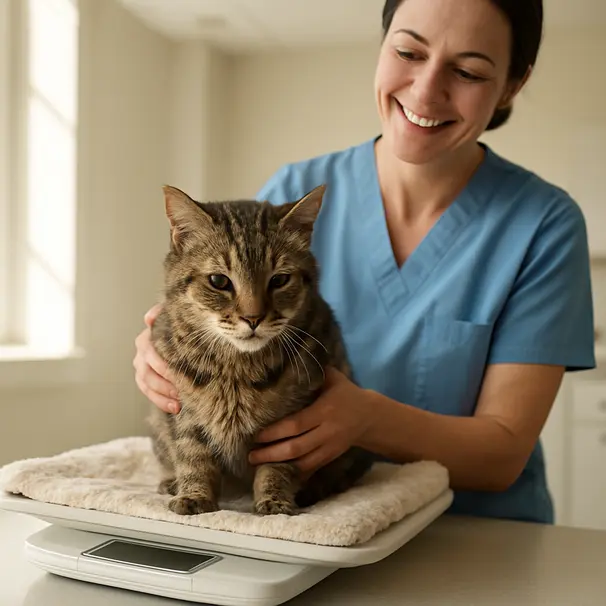
- Monitor body condition. A healthy cat has a tucked waist and ribs you can feel without seeing easily. If you’re unsure, ask your vet or a carer to help assess body condition scores.
Dental care: small habits, big payoff
Dental health can influence overall wellbeing. Dental disease may be painful and can affect the heart and kidneys over time.
- Look for signs. Bad breath, drooling, pawing at the mouth, or reluctance to eat hard food may suggest dental issues.
- Brushing and chews. Brushing with a feline toothbrush and toothpaste may help. Dental chews designed for cats can support oral health.
- Professional cleaning. Consider a vet dental check if tartar is visible, or if you notice bleeding gums. Professional cleanings may be needed for some cats.
Behavior and social cues: what your cat is telling you
Behavioral shifts can be subtle. Stress, pain, or illness often show up as changes in daily routines.
- Litter box changes. Stopping use of the litter box or longer hiding times can be stress-related, but could also be medical.
- Vocalization. More meowing, especially at night, might indicate cognitive changes, pain, or discomfort.
- Aggression or withdrawal. If a friendly cat becomes skittish or aggressive, check for pain or environmental changes.
- Play changes. Play is an excellent indicator of wellbeing. Reduced playtime may suggest joint pain, dental pain, or low energy.
Senior cats: extra attention and gentle adjustments
Cats age faster than we do. A 10-year-old cat may be considered senior and may need extra monitoring.
- More frequent vet visits. Consider check-ups every six months for seniors. Bloodwork and urinalysis can reveal developing issues.
- Joint support. Look for stiffness, difficulty jumping, or reluctance to climb. Ramp or step options can help an aging cat stay mobile.
- Dietary changes. Older cats may need diets that support kidney function, joint health, or maintain weight.
- Mental stimulation. Keep their mind active with novel toys and gentle play to help cognitive health.
Medications and chronic conditions: staying organized
If your cat is on medications, consistency matters.
- Pill routines. Use pill pockets or crushable formulations if your vet approves them. Keep a clear schedule and log doses given.
- Managing chronic disease. Conditions like kidney disease, diabetes, and hyperthyroidism may require regular monitoring. Record symptoms, appetite changes, and medication effects.
- Communicate with carers. If you hire a pet carer, give clear dosing instructions, a medication schedule, and training tips for handling or giving medicine.
Travel, carriers, and emergencies: be prepared
Unexpected trips to the vet or emergency clinic can be stressful. Preparation helps.
- Carrier training. Leave the carrier out with bedding and treats so it becomes a safe spot. A calm cat is easier to transport when needed.
- Emergency contacts. Keep your vet, nearest emergency clinic, and poison control numbers easily accessible.
- Evacuation plan. Have a plan for transporting and housing your cat during emergencies, and ensure carriers are sturdy and tagged.
When to contact a vet: trust your instincts
You don’t need to wait for a dramatic sign to call. Consider contacting a vet if you notice:
- Sudden changes in appetite, drinking, or litter box habits.
- Breathing difficulty, persistent coughing, or wheezing.
- Repeated vomiting or severe diarrhea lasting more than 24 hours.
- Lumps that grow, sudden lameness, or signs of pain such as reluctance to move.
- Sudden behavior changes like aggression, severe hiding, or disorientation.
If you are ever unsure, a quick phone call to your clinic can help decide if a visit is necessary. Don’t hesitate to ask questions. A vet will often suggest signs to watch for at home before scheduling an in-person exam.

Working with pet carers: clear communication helps everyone
If you connect with a pet carer through Floofy, a few practical steps make visits easier and safer.
- Leave a concise health summary. Include medical conditions, medications with dosing times, known triggers, and emergency contacts.
- Show routines. Demonstrate feeding times, favorite toys, and how your cat likes to be handled. Small notes about quirks can make a big difference.
- Share access details. Make sure the carer knows where supplies are, how to access the litter box area, and any hidden escape routes for a nervous cat.
- Feedback loop. Ask the carer to note daily observations about appetite, elimination, mood, and any odd behaviors. Photos and short messages can provide reassurance.
Record keeping: the quiet hero of preventive care
Good records save time and avoid missed doses or boosters.
- Keep a folder with vaccine records, medications, and a basic health timeline.
- Note changes. A simple calendar entry for weight, appetite, and unusual signs helps the vet spot trends.
- Digital backups. Scan important documents or use a pet health app that carers and vets can access with permission.
Final thoughts: small habits, big comfort
Caring for a cat’s health doesn’t require grand gestures. Small, consistent checks, a tidy routine, and clear communication with a vet and pet carer make a huge difference. When you notice changes early, you have more options and fewer surprises. Treat the checklist as a toolbox for staying connected to your cat’s wellbeing, and enjoy the extra time cuddling and playing instead of worrying.
If something concerns you, consider consulting your veterinarian. A professional can suggest tests, treatments, or a care plan that fits your cat’s unique needs. With a little attention and kindness, you can help your feline friend stay healthy and happy for years to come.