

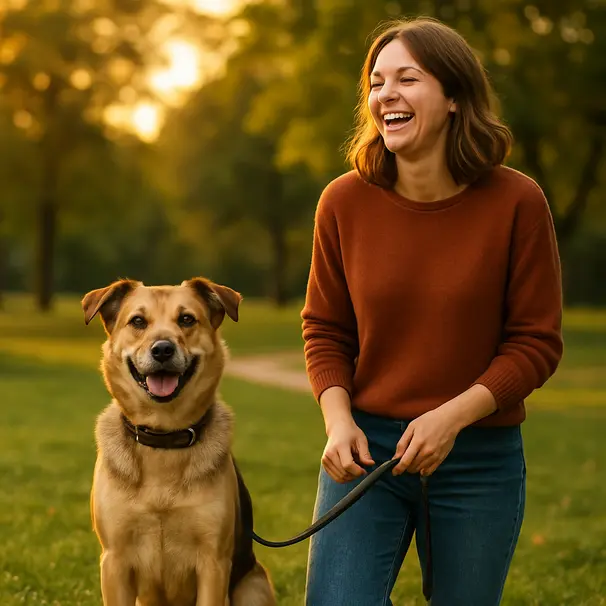
A warm welcome to basic dog health
Owning a dog is a joy and a responsibility. Little habits you build now can make a huge difference to your dog’s comfort and lifespan. This guide is full of practical, friendly advice you can use whether you’re a new owner or a seasoned caregiver. Read on for easy, actionable steps that can help reduce health risks, spot problems early, and keep tail wags coming.
Regular veterinary care: the foundation
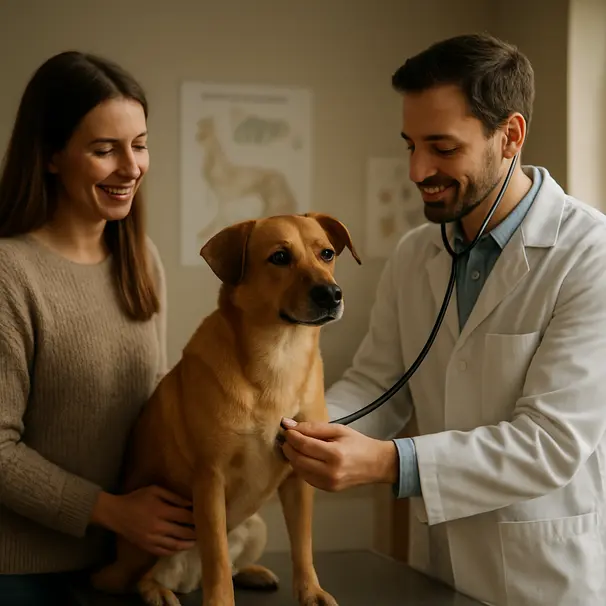
One of the best things you can do is keep up with routine vet visits. Think of your veterinarian as a partner. Regular check-ups can help identify subtle changes before they become serious. Consider scheduling wellness exams at least once a year for adult dogs and more often for puppies and seniors.
During a check-up your vet may examine teeth, ears, skin, weight, heart, and joints. They can recommend vaccines, parasite prevention, and any blood tests that might be helpful. If your dog has a chronic condition or a sudden change in behavior, make an appointment sooner rather than later. Early attention can make treatment easier and recovery quicker.
Vaccinations and parasite prevention
Keeping vaccinations up to date helps protect dogs against common infectious diseases. Your vet can advise on the core vaccines your dog may need and any region-specific shots. Vaccination schedules can vary by age, lifestyle, and health history, so consider a personalized plan.
Parasite prevention is another essential piece of the puzzle. Flea, tick, and heartworm prevention can help avoid uncomfortable and sometimes dangerous infestations. Talk to your vet about monthly preventives, seasonal plans, and any side effects to watch for. Good parasite control can also reduce disease risk for people in your household.
Nutrition and healthy weight management
Food is medicine in a subtle way. Choosing a balanced diet appropriate for your dog’s life stage, breed size, and activity level can support immune function, skin health, energy, and weight.
Tips for feeding:
- Follow portion guidelines on the food label and adjust based on your dog’s body condition. You may need to tweak portions, especially after spay or neuter surgery.
- Avoid too many table scraps. Human food can add excess calories and sometimes be toxic.
- Consider feeding twice a day for most adult dogs to help digestion and steady energy.
Monitor your dog’s weight monthly by feeling their ribs and checking for a visible waist. Sudden weight loss or gain can be a sign to consult your vet. A gradual approach to weight change, paired with portion control and activity, can help your dog reach a healthy body score.

Dental care: small steps, big impact
Dental health is often overlooked, but it can affect overall wellbeing. Plaque and tartar may lead to gum disease, discomfort, and even influence organs like the heart.
Practical dental routine ideas:
- Brush a few times a week with a dog-friendly toothpaste. Start slowly and praise your dog.
- Provide dental chews or toys that can help reduce tartar buildup.
- Ask your vet about professional dental cleanings when recommended.
Keep an eye out for bad breath, drooling, difficulty eating, or swollen gums, and consult your vet if you notice these signs.
Grooming and skin care
Grooming is more than looking nice. Regular brushing removes loose hair, distributes natural oils, and lets you check for bumps, parasites, or skin changes. Bathing frequency depends on breed and lifestyle, but consider a gentle shampoo and avoid over-bathing, which may dry the skin.
Check these regularly:
- Ears: look for redness, odor, or discharge. Clean gently with vet-approved solutions as needed.
- Paws: trim hair between pads, check pads for cuts, and remove stuck debris.
- Coat: watch for flaky skin, hair loss, or lumps.
If your dog scratches more than usual, consider a vet visit. Allergies, infections, or parasites may be at play, and professional advice can help you choose the right treatment.
Exercise and mental stimulation
Exercise keeps bodies strong and minds sharp. The right amount depends on breed, age, and health, but daily activity is important for most dogs. Walks, play sessions, and enrichment activities can reduce boredom and prevent behavior problems.
Ideas for varied activity:
- Short, brisk walks or long hikes for high-energy breeds.
- Tug and fetch to burn off energy and reinforce recall.
- Puzzle feeders, scent work, and training games for mental stimulation.
Rotate toys and try new activities to keep things fresh. If your dog seems reluctant to exercise, it may be a sign of discomfort or aging. A vet check can help rule out joint issues or pain.

First aid basics and emergency preparedness
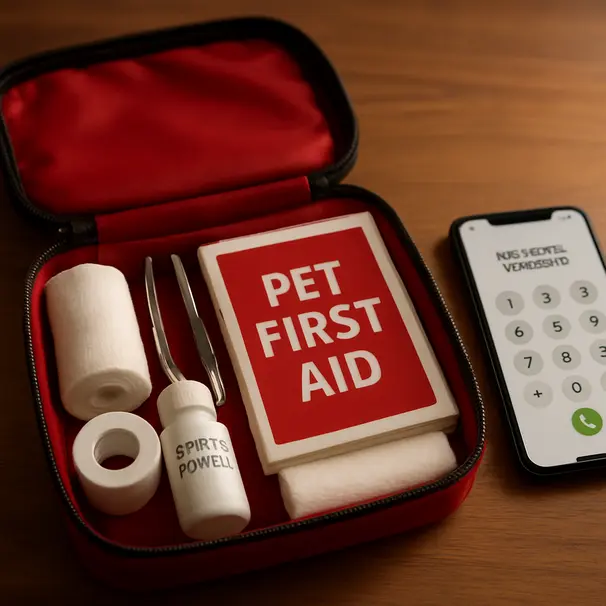
Being ready for small injuries and emergencies can make a big difference. Consider a pet first aid kit that includes gauze, bandage tape, styptic powder, a muzzle or soft restraint, tweezers, and your vet’s contact information.
Practice these basics:
- Know how to stop minor bleeding with gentle pressure.
- Learn how to safely transport your dog to the car and to the vet.
- Keep emergency numbers handy, including your regular vet, an after-hours clinic, and a poison control line.
If your dog eats something toxic, shows sudden weakness, ongoing vomiting, or difficulty breathing, seek veterinary help immediately. Quick action may change outcomes for the better.
Caring for senior dogs
As dogs age, their needs change. More frequent vet visits, gentle exercise, and attention to mobility can improve comfort. Consider these supportive steps:
- Adjust diet to match lower activity levels or special health needs.
- Provide non-slip surfaces and easy access to favorite spots.
- Watch for behavioral changes, which may signal pain, cognitive decline, or other concerns.
Routine screenings like bloodwork can help track organ function and catch issues early. Talk with your vet about supplements, pain management options, and other measures that may help your senior dog stay active and comfortable.
Working with pet carers and building a trusted team
If you use a pet carer, sitter, or dog walker, communication and clear instructions are crucial. A good carer can extend your dog’s healthy routines and notice things you might miss.
Make a care sheet that includes:
- Feeding schedule and portion sizes.
- Medication instructions with doses and times.
- Emergency contacts and veterinarian details.
- Favorite calming cues and what makes your dog anxious.
Introduce the carer gradually. A short trial walk or a supervised visit can help your dog relax and let the carer learn any special cues. Trusted carers can be a lifesaver if something comes up and you need reliable coverage.
Preventive tools and trackers
Technology may help you notice small changes. Consider tools such as activity trackers, apps for medication reminders, or smart feeders. These can help you spot decreases in activity, missed meals, or irregular routines.
Keep in mind these tools are helpful but not a substitute for professional advice. Use them to supplement your observations and talk to your vet if trackers show concerning trends.
Grooming checklists and routines you can start today
Simple weekly routines can become habits that protect your dog’s health.
- Brush coat and check skin every 3 to 7 days.
- Inspect ears and teeth weekly.
- Check paws after outdoor adventures.
- Keep a monthly log of weight and noteworthy changes.
Consistency makes it easier to spot small deviations. If something seems off, jot the details down. Dates, behaviors, and appetite changes can help your vet make a faster assessment.
When to call the vet
Some signs merit prompt attention. Contact your vet if your dog has:
- Sudden difficulty breathing, collapse, or severe bleeding.
- Persistent vomiting or diarrhea for more than a day.
- Sudden inability to stand, severe pain, or repeated seizures.
For less urgent but concerning signs like gradual weight loss, ongoing coughing, changes in urination, or behavioral shifts, schedule an appointment. Your vet can guide next steps and reassure you.
Final thoughts: small steps add up
Caring for a dog is a daily journey. Regular vet visits, balanced nutrition, dental care, grooming, exercise, and a plan for emergencies can all help your dog thrive. Build routines that suit your life and ask for help when you need it. A trusted carer, a compassionate vet, and your attentive care can make all the difference.
If you’re ever unsure, consider reaching out to your vet or a trusted pet carer for a second set of eyes. Dogs are experts at loving us back, and with simple preventive steps, we can give them a healthier, happier life.