

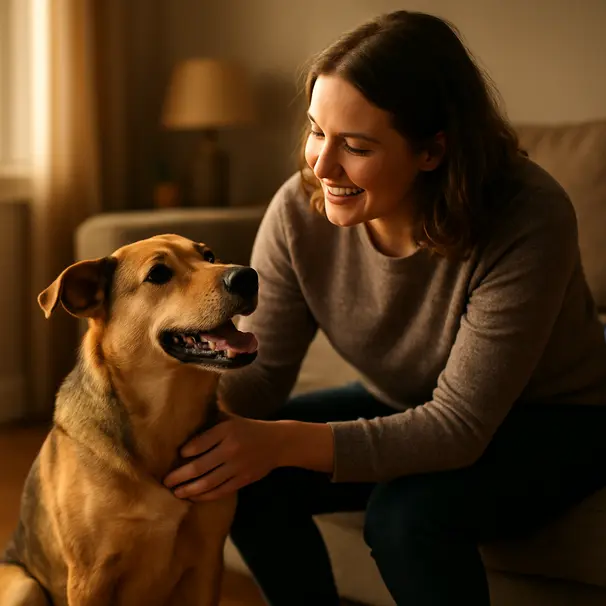
A warm hello from one dog lover to another
Caring for a dog is full of small rituals that add up to a lifetime of wellbeing. Whether you’re a pet owner, a regular dog walker, or a trusted carer helping a family while they travel, this guide collects friendly, practical tips to help you keep dogs safe, comfortable, and thriving.
This isn’t a substitute for veterinary advice. Use these suggestions to build good daily habits and consider a vet when you’re unsure or notice worrying signs.
Daily basics that matter most
Healthy dogs start with simple daily routines. Once these habits are part of your rhythm, they make prevention so much easier.
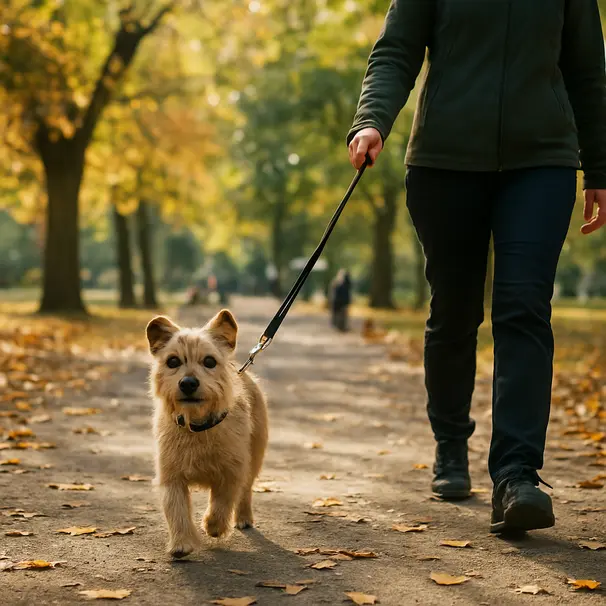
- Regular walks and play: Aim for consistent exercise tailored to the dog’s age, breed, and energy. Short, frequent walks can be better than one long march for some dogs. Playtime stimulates the mind and muscles.
- Clean water always available: Fresh water helps digestion and temperature regulation. Change bowls daily, and rinse them often.
- Routine meals at set times: A predictable feeding schedule supports digestion and weight control. Measure portions and adjust slowly if weight changes.
- Mental enrichment: Puzzle toys, scent games, and short training sessions can reduce boredom and destructive behaviors.
- Sleep and rest areas: Comfortable bedding and a quiet corner help dogs recharge. Older dogs may need softer, warmer bedding.
Small checks you can do every day
- Look at eyes, ears, nose, and mouth for discharge or odd smells. Consider cleaning ears gently if they look waxy. If you see redness or persistent odor, check with a vet.
- Run your hands over the coat. Feel for lumps, bumps, or hot spots. Early detection often makes treatment easier.
- Notice changes in appetite, bathroom habits, or energy. Even subtle shifts can be meaningful.
Feeding and nutrition, without stress
Good nutrition supports energy, immune function, and healthy weight. It does not have to be complicated.
- Choose a balanced diet: Pick a reputable commercial food appropriate to the dog’s life stage, size, and health. If you’re considering homemade diets, consult a vet or a canine nutritionist.
- Watch treats and extras: Treats should be small, healthy, and make up no more than 10% of daily calories. Use them for training and bonding.
- Monitor body condition: Learn to assess a dog’s body condition score. You should be able to feel ribs without pressing hard, and see a waist when viewed from above.
- Transition food gradually: If you change a diet, mix new food with old over 7 to 10 days to avoid stomach upset.
Hydration and special diets
Puppies, pregnant dogs, and seniors may have different needs. Dogs with medical conditions may require prescription diets. Consider fresh water availability during long walks, and avoid leaving food out all day for dogs that graze and gain weight easily.
Preventive healthcare everyone can manage
A proactive approach makes big differences in health outcomes. Many preventive steps are simple and affordable.
- Regular veterinary visits: Routine checkups help catch problems early. Puppies and seniors often need more frequent visits.
- Vaccinations: Core vaccines protect against serious diseases. Discuss the right schedule with a vet.
- Parasite control: Flea and tick prevention, and routine worming can help prevent common infestations. Check local risk factors and consider year-round prevention in high-risk areas.
- Dental care: Dental disease is common. Brushing teeth regularly can help. Dental chews and professional cleanings may be part of a prevention plan.
Keep records handy If you’re a carer, keep a simple folder or digital note with the dog’s vaccine dates, medication names and doses, emergency contact info, and vet details. It makes sharing care so much easier.
Grooming and skin care, the gentle way
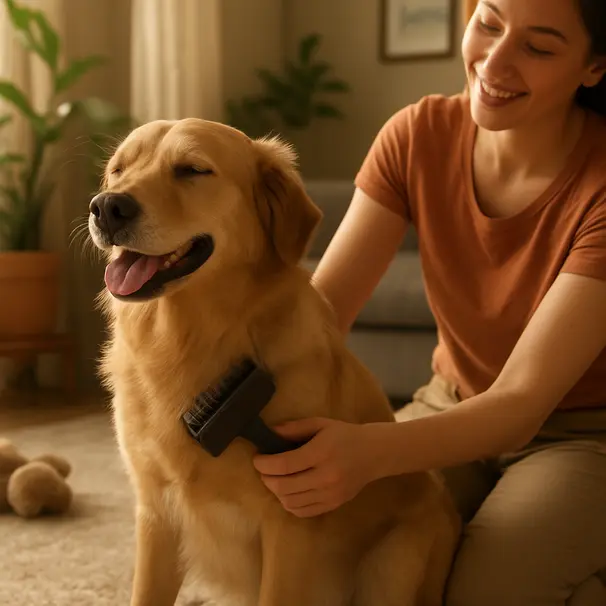
Grooming isn’t just about looks. It can prevent skin problems and is a lovely way to bond.
- Brushing frequency depends on coat type: Short coats may need weekly brushing, while long coats often need daily attention. Brushing removes loose fur and distributes natural oils.
- Bathing sparingly: Dogs usually don’t need frequent baths. Use a gentle dog shampoo and rinse thoroughly. Over-bathing can strip natural oils.
- Nail trimming and paw care: Trim nails regularly to prevent splitting and discomfort. Check paw pads for cuts, foreign bodies, or irritation after walks.
- Ear checks: Long, floppy ears can trap moisture. Wipe ears gently with a vet-recommended cleaner if they look dirty. Avoid inserting cotton swabs deep into the ear canal.
- Coat and skin checks: Look for fleas, ticks, scabs, and hair loss. If the skin looks inflamed or the dog is scratching a lot, suggest a vet visit.
Grooming tips for anxious dogs Go slowly and keep sessions short. Pair grooming with treats and praise. For nervous dogs, a towel wrap or gentle restraint can help them feel more secure. If grooming is causing stress, a professional groomer or a behaviour-savvy carer may help.
Recognizing common warning signs
Learning to notice small changes helps you act early. These signs may mean a vet visit is needed.
- Loss of appetite or vomiting that lasts more than a day
- Lethargy or hiding more than usual
- Labored breathing or persistent coughing
- Sudden lameness, severe limping, or swelling
- Discolored urine, straining to urinate, or accidents in the house
- Seizures, collapse, or unresponsiveness
If you’re unsure, consider calling a vet or an emergency clinic. Trust your instincts. It’s better to ask and be reassured.
Safety at home and on walks
Prevention includes reducing hazards around the house and outside.
- Secure fencing and ID: Make sure yards are escape-proof, and keep an up-to-date ID tag and microchip information.
- Safe socialization: Introduce dogs to new people and pets gradually, in neutral settings. Watch body language and step in before stress escalates.
- Weather awareness: On hot days, avoid midday walks and watch paws on hot pavement. In cold weather, provide coats or limit exposure for sensitive breeds.
- Toxin awareness: Common hazards include grapes, chocolate, xylitol, certain houseplants, rodent bait, and some human medications. Keep toxic items out of reach.
- Car safety: Use a harness seatbelt or crate for travel. Never leave a dog alone in a hot car.
Medication management for carers and owners
If a dog needs medication, clear communication and routines make administration safer.
- Written instructions: Note the drug name, dose, frequency, and any special instructions. Include start and stop dates.
- Pill pockets and food hiding: Many dogs accept medication in treats. Always ensure the full dose is taken.
- Watch for side effects: Nausea, lethargy, or unusual behavior can sometimes follow medication. Consider contacting the vet if you suspect a reaction.
Emergency preparedness without panic
Being ready reduces stress and helps you act quickly if something goes wrong.
- Build a basic dog first-aid kit: Include gauze, adhesive tape, styptic powder for nail bleeds, a digital thermometer, saline for eye rinses, and a blanket.
- Learn basic first-aid skills: Know how to check the pulse, stop bleeding, and perform CPR. Many community groups or local shelters offer short courses.
- Keep emergency numbers visible: Local vet, emergency clinic, poison control, and the dog owner’s contact details should be easy to find.
- Transport planning: Know where to safely move an injured dog. Use a firm surface, like a board or blanket, to support them if needed.
Working with carers and pet sitters: clear communication
If you’re the owner hiring a carer, or a carer looking after someone’s dog, clear notes and honest conversations make everything smoother.
- Leave a care plan: Include feeding times, medication instructions, favorite calming techniques, exercise needs, and known triggers.
- Share emergency contacts and vet details: Include any insurance or clinic policy numbers if relevant.
- Update after each visit: Carers should leave a brief note about appetite, poop and pee, energy level, and any unusual findings.
- Respect routines: Dogs find comfort in predictability. Try to keep walks, meals, and bedtime close to normal.
End-of-life and special needs care, with compassion
Caring for a senior or chronically ill dog requires patience and honest conversations with the owner and vet.
- Comfort measures: Soft bedding, ramps for stairs, shorter walks, and joint supplements that may help mobility.
- Pain management: If a dog shows stiffness, loss of interest, or changes in sleep, these can be signs of pain. A vet may suggest options to improve quality of life.
- Emotional support: Changes in behavior are normal. Offer calm reassurance, and keep the environment familiar and quiet.
Small habits, big differences
Prevention is often about consistency. A quick daily checklist can help carers and owners stay on top of things.
Sample quick checklist:
- Water bowl filled, food given at scheduled time
- Short coat rub-down, check for ticks or lumps
- Waste cleaned up and bathroom habits noted
- Medications administered and logged as needed
- Playtime and at least one walk
Parting notes and next steps
Dogs reward attentiveness with loyalty and joy. The tips here are practical ways to protect their health and wellbeing. Keep learning, keep communicating with owners and vets, and remember to enjoy the funny moments along the way.
If you ever feel uncertain about a symptom, consider contacting a veterinarian sooner rather than later. Prevention and early action often make the biggest difference.
Thank you for caring so much. Every small step you take helps a dog live a healthier, happier life.