

Essential dog nutrition and feeding guide for pet carers and owners
Feeding a dog is part science, part ritual, and a whole lot of love. This guide walks through the basics of dog nutrition, practical feeding routines, and helpful tips for carers and owners. You’ll find everyday actions that can make mealtimes healthier, calmer, and simpler for everyone involved.
Why nutrition matters
Good nutrition supports energy, healthy skin and coat, digestion, teeth, and overall wellbeing. Food can also influence behaviour, activity levels, and how quickly a dog recovers from illness. Think of feeding as daily healthcare, with small choices adding up over time. Consider checking with a veterinarian for personalised advice if your dog has health conditions.
Understanding dog food basics
Dogs need a balance of nutrients to thrive. The main categories to think about are:
- Protein, for muscles and repair.
- Fats, for energy and healthy skin.
- Carbohydrates, which can provide energy and fibre.
- Vitamins and minerals, for many body processes.
- Water, the single most important nutrient for every dog.
You can choose commercial foods or prepare home-cooked meals, but keep in mind that balance matters. A meal that seems wholesome can still miss key vitamins or minerals. Consider consulting a vet or a qualified canine nutritionist if you plan to feed homemade diets long term.
Reading dog food labels
Labels can be confusing, but a few quick checks help:
- Look for a named protein source near the top of the ingredient list, like “chicken” or “lamb.” Avoid vague terms such as “meat by-products” when possible.
- Check the AAFCO statement if available. It may say the food is complete and balanced for a certain life stage.
- Compare guaranteed analysis for crude protein, fat, fibre, and moisture to similar products.
- Watch for added sugars or unnecessary fillers. Whole-food ingredients and a short ingredient list often signal higher quality.
Keep a small notebook or photo of the label if you care for multiple dogs or switch foods often. That makes it easier to communicate with owners and vets.
Types of dog food and what to consider
- Dry kibble: Convenient and shelf-stable. Kibble can help with tartar control but quality varies widely.
- Wet food: Often more palatable and hydrating. Good for picky eaters or dogs needing softer textures.
- Raw or BARF diets: Popular with some owners. Raw feeding requires careful handling and planning to ensure safety and nutritional balance.
- Home-cooked diets: Can be tailored but may need supplements to be balanced. Work with a professional if you choose this route.
Each option has pros and cons. Ask pet owners about preferences, budgets, and the dog’s health history before making changes.
Life stages and special needs
Dogs’ nutritional needs change with age, activity level, and health.
- Puppies need more calories, protein, and certain minerals for growth. Feed puppy-formulated diets and monitor weight gain.
- Adult dogs usually enjoy maintenance formulas aimed at keeping steady weight.
- Senior dogs may benefit from lower-calorie diets, joint-support nutrients, and softer textures if teeth are worn.
Special situations to consider:
- Pregnant or nursing dogs may need extra calories and more frequent meals.
- Working or highly active dogs can require more energy-dense food.
- Dogs with allergies, kidney issues, or endocrine problems often need veterinary-prescribed diets.
If a dog has vomiting, diarrhea, rapid weight loss, or other worrying signs, encourage the owner to consult a vet promptly.
Feeding routines and portion control
A predictable routine can reduce begging and anxiety. Many dogs do well with two meals per day: one in the morning and one in the evening. Puppies may need three to four meals a day depending on age and breeder recommendations.
Practical portioning tips:
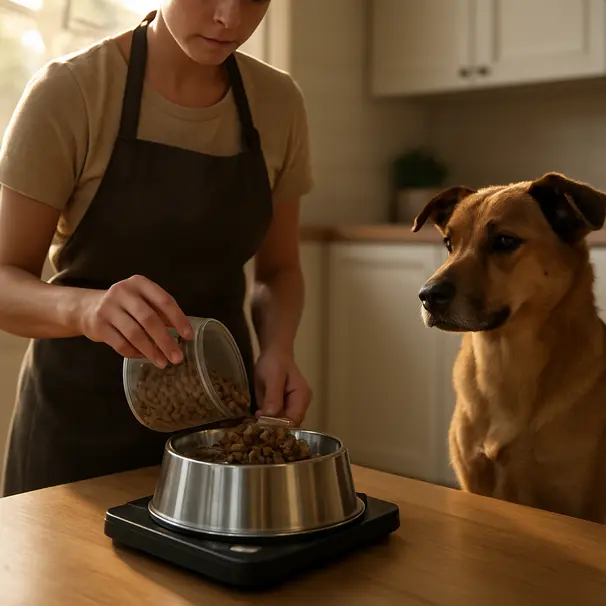
- Use a scale and measuring cup for consistency. Small errors each day add up quickly.
- Follow the feeding guidelines on the food package as a starting point, then adjust for the dog’s body condition and activity.
- Check the dog’s body condition score monthly. You should be able to feel ribs under a thin layer of fat, and the waist should be visible from above.
If a dog gains weight unexpectedly, reduce portions slightly and increase exercise. If a dog looks thin or loses weight, try a slightly higher-calorie diet and discuss with the owner and vet.

Treats, chews, and extras
Treats should make up no more than about 10% of a dog’s daily calorie intake. Use low-calorie treats for training, and break larger treats into small pieces to avoid overfeeding. Avoid feeding too many table scraps and foods that are toxic to dogs like chocolate, grapes, raisins, onions, garlic, xylitol, and certain nuts.
Consider enrichment options that aren’t food-based, such as puzzle toys that slow feeding without increasing calories, or interactive play sessions that pair rewards with exercise.
Water and hydration
Fresh water must be available at all times. Water intake varies with temperature, activity, and diet type. Dogs on wet food often drink slightly less because wet food contributes moisture. Check water bowls regularly and offer refills throughout the day.
Transitioning between foods
Switch foods gradually over 7 to 10 days, mixing increasing amounts of the new food into the old. Sudden changes can cause digestive upset. If diarrhoea or vomiting persists during a transition, pause the switch and consult the owner and possibly a vet.
Storage and food safety
- Store dry food in a cool, dry place, ideally in its original bag inside a sealed container.
- Refrigerate opened wet food after serving and use within the recommended time.
- Handle raw diets carefully: clean surfaces and bowls, wash hands, and store raw meat separately.
Keeping a food log for dogs you care for can prevent mistakes. Note brand, flavour, portion sizes, and any reactions. This is helpful for handovers and vet visits.
Allergies, sensitivities, and intolerances
Some dogs may seem itchy, have recurring ear infections, or show gastrointestinal upset. Food can play a role. An elimination diet trial under veterinary supervision can help identify food-related problems, and hypoallergenic or limited-ingredient diets may offer relief. Consider suggesting the owner discuss testing with their vet rather than experimenting without guidance.
Practical tips for pet carers
- Get clear written instructions from the owner about food type, portions, feeding times, and treats.
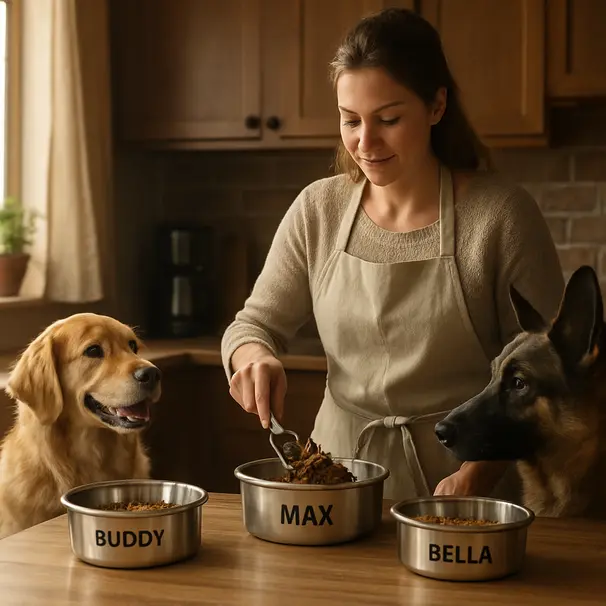
- Label food containers and bowls when caring for multiple dogs.
- Use timed feeders for regular schedules if owners permit them.
- Measure food precisely, and avoid “eyeballing” portions.
- If a dog refuses food for more than one meal, inform the owner and consider a vet consultation for prolonged refusal.
- Keep a spare supply of the dog’s regular food if possible, in case the owner is delayed.
Sample feeding plans
- Puppy (up to 6 months): 3–4 small meals daily, puppy-formulated food, monitor weight weekly.
- Adult small-to-medium dog: 2 meals daily, portion based on weight and activity, measure with a scale.
- Senior dog: 2 smaller meals, consider softer food or warmed wet food for palatability.
Adjust plans for each dog’s needs. These are starting points, not strict rules.
Handling medications and medicated food
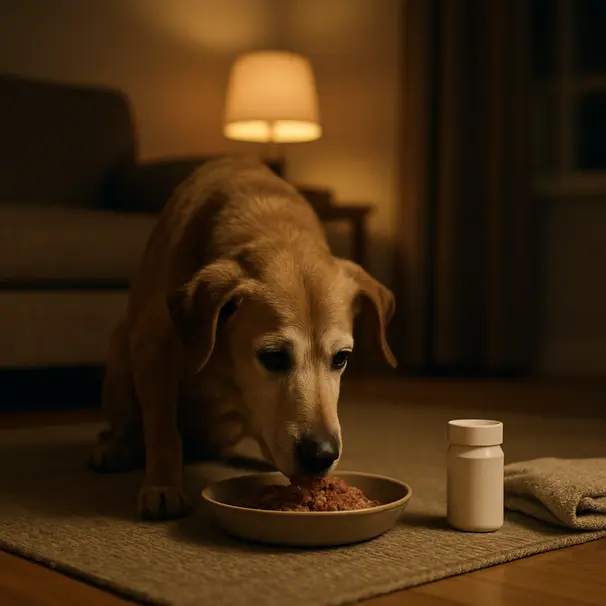
If food needs to be mixed with medication, get clear instructions from the owner and note any special timing or fasting requirements. Some medications work best with food, others on an empty stomach. Avoid crushing pills without permission, and record successful methods for handovers.
Common questions from owners and carers
My dog seems picky. What should I do?
- Try offering a few consistent, high-quality options, check for dental pain, and avoid frequent food changes. Small additions like warm water or a spoon of low-sodium broth may help with appetite occasionally.
How many treats are too many?
- Treats should be small and limited to about 10 percent of daily calories. Use tiny pieces for training.
Is raw feeding safe?
- Raw feeding may be okay for some dogs but requires strict hygiene and nutritional balance. Ask owners to discuss risks and planning with a vet.
Final practical checklist for carers
- Confirm the exact food brand, flavour, and portion sizes in writing.
- Measure meals with a scale or marked cup.
- Keep fresh water available and check bowls regularly.
- Store and label food safely.
- Avoid risky human foods and limit treats.
- Record any refusals, vomiting, or diarrhea and report them promptly.
Feeding a dog can be a quiet joy. With clear routines, precise portions, and good communication between carers and owners, mealtimes become predictable and nourishing. Small, consistent choices keep tails wagging and bodies healthy. When in doubt, suggest a vet check, especially for prolonged changes in appetite, weight, or digestion.
Thanks for caring enough to learn the details. Dogs notice the rhythm and care of meals, and your thoughtful approach can make a big difference in their daily happiness.