

Introduction
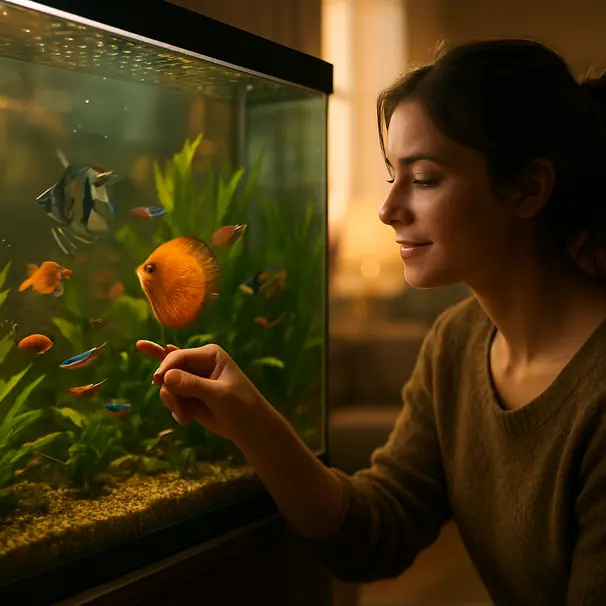
Keeping fish healthy is as much about what they eat as the water they swim in. Good nutrition fuels growth, supports immunity, and keeps colours bright. This guide walks you through fish food types, portioning, species-specific tips, feeding schedules, and practical notes for pet carers. It’s warm, practical, and full of real-world tips you can use today.
The basics of fish nutrition
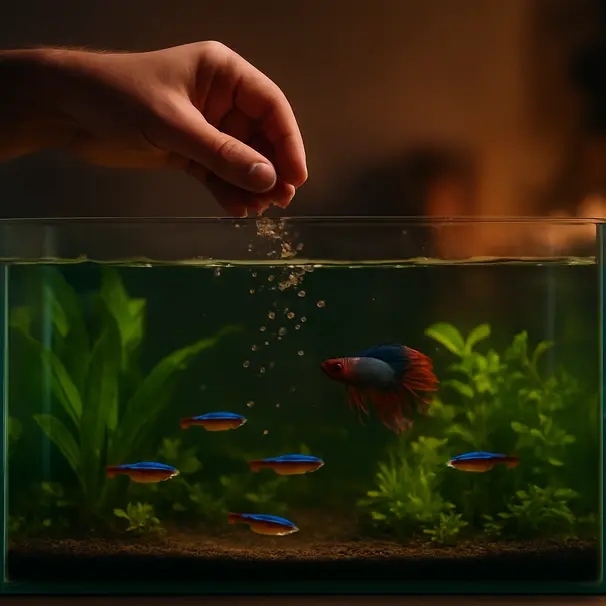
Fish need a balanced mix of protein, fats, carbohydrates, vitamins, and minerals. Different species have different needs, but there are a few general rules:
- Protein is critical for growth and tissue repair. Carnivorous fish usually need more protein than herbivores.
- Fats provide energy and help absorb fat-soluble vitamins.
- Fiber and plant matter help herbivores digest food properly.
- Vitamins and trace minerals support metabolic processes and immune function.
Consider that many prepared fish foods are fortified with vitamins, but freshness matters. Old or damp food can lose nutrients and appeal. If fish refuse food, it could be a water-quality issue or stress, so consider checking both environment and diet.
A quick note on variety
Fish typically do best with a mixture of foods. Rotating between pellets, flakes, frozen and live offerings can help cover nutritional gaps, encourage natural behaviours, and reduce boredom. Variety can also help picky eaters accept new foods more readily.
Types of fish food and when to use them
Different food forms offer specific benefits. Choose options that match your species, tank type, and feeding routine.
Flakes and micro-pellets
- Best for: small community fish like tetras, guppies, and rasboras.
- Pros: easy to portion, float or sink slowly depending on formulation.
- Practical tip: use flakes for top and mid-water feeders, micro-pellets for tiny mouths.
Sinking pellets and granules
- Best for: bottom dwellers such as corydoras, loaches, and many marine species.
- Pros: reach the substrate, available in slow- and fast-sinking varieties.
- Practical tip: place pellets near hiding spots so shy bottom feeders can access food.
Frozen and freeze-dried foods
- Examples: brine shrimp, bloodworms, mysis shrimp.
- Best for: boosting protein and mimicking natural prey items, good for picky or growing fish.
- Practical tip: thaw frozen food before feeding; avoid refreezing leftovers.
Live foods
- Examples: daphnia, blackworms, tubifex.
- Best for: breeding, conditioning carnivores, stimulating natural hunting behaviors.
- Considerations: live food may carry parasites, so source from trusted suppliers or culture your own carefully.
Algae wafers and vegetable matter
- Best for: herbivores and omnivores like plecos, some cichlids, and shrimp.
- Practical tip: blanch leafy greens like spinach or zucchini for larger herbivores, and secure them to prevent clouding the tank.
Specialty and medicated foods
- Some foods are formulated for color enhancement, digestion, or disease support.
- Medicated diets may help during illness, but consider consulting a vet before long-term use.
Portion control and feeding frequency
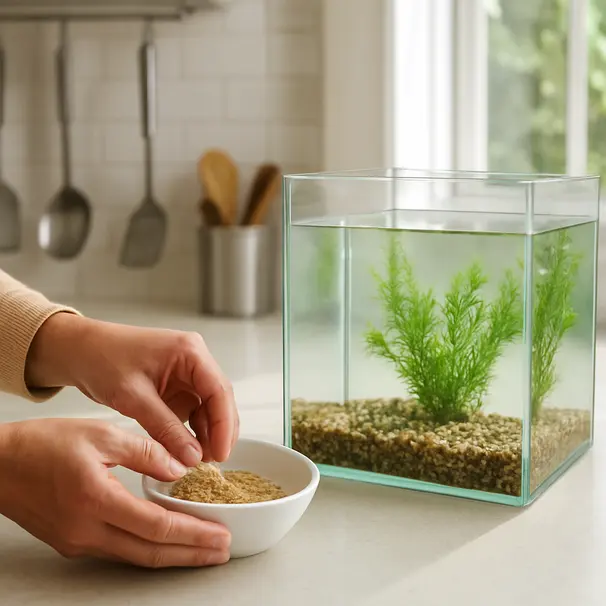
Overfeeding is one of the most common mistakes aquarium owners make. It can cloud water, cause spikes in ammonia, and lead to unhealthy fish.
General rules to consider:
- Feed only what fish will consume in about 2 to 3 minutes.
- Feed small amounts several times a day for fast-moving species, or once daily for slower eaters.
- Adjust portions for water temperature. Cold water species have slower metabolisms and may need less food.
Practical portioning tips:
- Use a small spoon or feeding ring for consistent portions.
- If you’re not sure, start small and increase gradually over a week while observing behaviour and body condition.
- For multiple species in one tank, offer portioned foods in different areas to ensure everyone gets their share.
Feeding for growth versus maintenance
Young, growing fish usually need more frequent feeds and higher protein. Adult fish on maintenance diets can do well with smaller daily portions and occasional protein-rich treats.
Species-specific guidance
Fish are not one size fits all. Here are quick tips for common pet species that carers and owners should know.
Bettas
- Carnivorous, prefer high-protein pellets or frozen foods.
- Avoid overfeeding, as they tend to gulp food at the surface.
- Offer small amounts once or twice daily.
Goldfish and koi
- Omnivores with tendencies toward overeating.
- Use sinking pellets or flakes formulated for coldwater species.
- Include some vegetable matter weekly to prevent digestive issues.
Tetras and small schooling fish
- Small portions multiple times daily work best.
- Use micro-pellets or finely crumbled flakes.
Cichlids
- Diet depends on species, some are herbivores, others carnivores.
- Research the specific cichlid species to avoid feeding too much plant or animal matter incorrectly.
Marine fish
- Many marine fish need varied diets including pellets, frozen meaty foods, and reef-safe options for herbivores.
- Some reef inhabitants rely on natural algae and microfauna, so supplements may be helpful.
Feeding for breeding and raising fry
Breeding and raising fry often requires more frequent feeding and smaller, highly nutritious food.
- Feed finely crushed or specially formulated fry food multiple times per day.
- Live foods like infusoria or newly hatched brine shrimp can help jump-start fry growth.
- Keep a close eye on water quality; frequent feedings can worsen parameters quickly.
Signs of poor nutrition or feeding mistakes
Watch for these clues that something needs changing:
- Dull colours or faded patterns may suggest inadequate diet.
- Rapid weight loss or sunken bellies can indicate underfeeding or illness.
- Bloated fish, floated waste, or gasping at the surface might point to overfeeding or poor water quality.
- Behaviour changes like listlessness or excess aggression can have dietary links.
If you suspect a health issue, consider consulting a vet or experienced aquatic specialist. Dietary adjustments may help, but professional advice can be safer for serious symptoms.
Practical feeding techniques and schedule templates
Creating a simple, clear feeding routine helps both owners and carers keep fish happy.
Sample daily schedule for a community freshwater tank:
- Morning: 1–2 small pinches of flakes or micro-pellets, feed for about 2 minutes.
- Midday: small portion of frozen brine shrimp or daphnia, if needed.
- Evening: sinking pellets or wafers placed near the bottom dwellers.
For a specialist keeper or breeder:
- Morning: protein-rich feed for growth (small pellet or frozen food).
- Afternoon: light plant matter or vegetable treat for herbivores.
- Night: skip feeding if water temperature is low, or give a tiny maintenance portion.
Practical tools to use:
- Feeding rings to target floating foods.
- Tongs or pipettes for precise placement of live or frozen foods.
- A simple calendar or tag on the tank listing amounts, times, and who fed last.
Working with pet carers: clear instructions and checklists
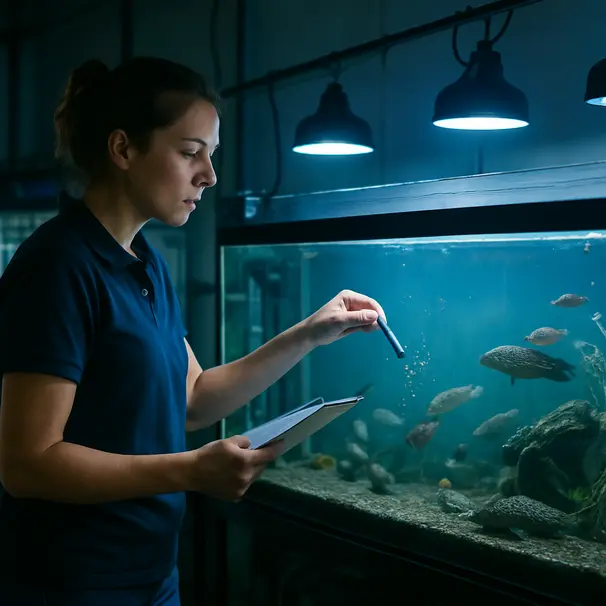
When someone else is caring for your fish, clarity matters. Leave a tidy, friendly set of instructions to reduce anxiety for both you and the carer.
What to include:
- Species list and number of each fish.
- Exact food brands, sizes, and daily portions.
- Feeding times and any special feeding spots.
- Water checks: what parameters to watch, and when to call you or a vet.
- Emergency contacts and location of supplies like extra food or water conditioner.
Make a printable card or a photo note showing portion sizes, especially helpful for new carers. A short, friendly walkthrough the first time is often worth more than a long written list.
Treats, supplements, and enrichment
Treats can be fun, but they should never replace a balanced diet.
- Use treats like frozen shrimp or blanched vegetables sparingly.
- Supplements such as vitamin-enriched feeds may help picky eaters or fish under stress.
- Enrichment ideas: chase-the-food games for predators, grazing surfaces for herbivores, floating targets for surface feeders.
Consider that enrichment helps natural behaviours. It also makes tanks more interesting to watch.
Common mistakes and how to avoid them
A few common errors are easy to fix:
- Overfeeding: measure and watch feeding time.
- One-food-fits-all: match diet to species, add variety.
- Ignoring water quality: food affects tanks quickly, monitor regularly.
- Using wild-caught live food without checks: quarantine or source from reliable suppliers.
Transitioning diets and picky eaters
Switch foods slowly, over a week, by mixing old and new foods in increasing proportions. For picky eaters, try warming frozen foods to release aroma, or chop pellets finely for small mouths. Patience and small changes usually work better than forcing sudden switches.
Final checklist before you finish
- Label foods and write down portions.
- Note feeding times and preferred placements.
- Keep a small backup stash of the main foods accessible.
- Leave emergency contacts and water parameter targets.
- Encourage carers to observe behaviour and note anything unusual.
Conclusion
Good feeding habits are simple but powerful. With the right foods, measured portions, and clear instructions for carers, most fish thrive. Mix up the diet, keep feeding tidy, and check water quality often. If a fish shows signs of illness or unusual behaviour, consider consulting a vet or aquatic specialist. Happy feeding, and enjoy watching your aquatic friends flourish.