

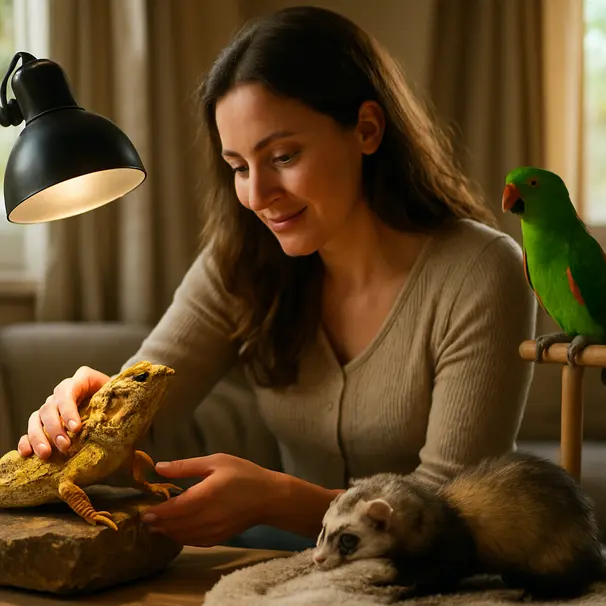
Essential health considerations for exotic pet owners and pet carers
Exotic pets bring joy, curiosity, and a bit of mystery into our homes. From bright-feathered parrots to slow-moving tortoises and zippy sugar gliders, these companions often need specific attention that differs from cats and dogs. This post is a warm, practical guide for owners and pet carers who want to provide safer, healthier lives for their unusual pals.
I’ll walk through common health concerns, preventive care essentials, how to recognize signs of illness, and what to pass on when someone else is caring for your pet. Think of this as a friendly checklist you can use and share with trusted carers.
Understanding species-specific needs
Exotic pets are a broad group. A healthy habitat for a bearded dragon is not a healthy habitat for a chinchilla. The first step in keeping any exotic species well is learning what your particular animal needs. Key variables to consider include:
- Temperature and humidity ranges animals need to thermoregulate.
- Light cycles and UVB requirements for reptiles and some amphibians.
- Dietary specialisations, from strict herbivores to insectivores and omnivores.
- Social needs, whether the species thrives alone or with companions.
- Typical lifespan and age-related concerns.
Spend time with reputable care sheets, books, and species-specific forums. Treat these resources as a starting point, and consider consulting an experienced exotics vet to tailor care to your individual animal.
Why micro-environments matter
Many health issues in exotic pets come from small environmental mismatches. Slight drops in nighttime temperature, incorrect humidity for a frog, or a lack of UVB for a young reptile can slowly weaken an animal’s immune system. Small changes may seem harmless, but they can make pets more susceptible to infections and metabolic problems.
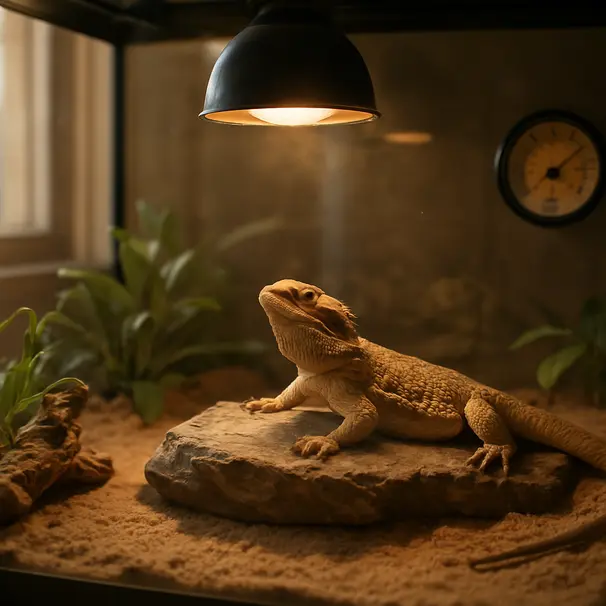
Regular monitoring with accurate thermometers, hygrometers, and timers can help keep conditions steady. Consider making a simple log that carers can check each day, listing temperatures, cleaning tasks, and feeding notes.
Common health concerns by species
Different groups of exotic pets share common risks. Below are practical points for the main categories many owners and carers encounter.
Reptiles (bearded dragons, snakes, tortoises)
- Metabolic bone disease can occur from calcium or UVB deficiency, so consider calcium supplements and UVB access.
- Respiratory infections may follow from low temperatures or high humidity, so keep clean enclosures and stable heat.
- Parasites like mites or internal worms can crop up, so periodic fecal checks with a vet may help catch problems early.
Birds (parrots, finches, cockatiels)
- Nutritional deficiencies may arise from seed-only diets. Pellets, fresh fruits, and vegetables can help balance intake.
- Psittacine beak and feather disease and respiratory issues are concerns in certain species, so minimize exposure to sick birds and maintain good ventilation.
- Birds hide illness well. Small changes in droppings, appetite, or activity often signal trouble.
Small mammals (ferrets, rabbits, guinea pigs, chinchillas)
- Dental disease is common in rabbits and guinea pigs, so provide hay and chew items to support tooth wear.
- Heat stress can affect species like chinchillas and some ferrets, so be mindful of ambient temperature.
- Gastrointestinal stasis in rabbits can be life-threatening. Look for changes in appetite or droppings and seek vet care promptly.
Amphibians (frogs, salamanders)
- Sensitive skin makes amphibians vulnerable to poor water quality and chemicals. Use dechlorinated water and avoid soaps near habitats.
- Chytrid fungus and other pathogens can be serious. Keep new animals quarantined and maintain strict hygiene protocols.
Preventive care essentials
Prevention is where a lot of health problems can be avoided. These steps are practical, easy to adopt, and helpful to share with any carer.
Nutrition and feeding
- Research an appropriate diet. Many exotics have narrow dietary needs and can suffer from vitamin or mineral imbalances if fed incorrectly.
- Use supplements thoughtfully. Calcium, vitamin D3, or multivitamin powders may help, but follow recommended dosages and consider vet guidance.
- Maintain feeding logs. Note portion sizes, appetite, and any treats given. This helps spot appetite changes early.
Habitat hygiene and maintenance
- Clean and disinfect enclosures regularly. Use pet-safe disinfectants and rinse thoroughly.
- Replace substrate, change water, and clean food bowls on a schedule.
- Check for mold, pests, and signs of wear in hides, branches, and heating equipment.
Temperature, light, and humidity control
- Use reliable thermometers and hygrometers placed where pets spend time.
- Provide thermal gradients for reptiles so they can choose a comfortable spot.
- Replace UVB bulbs on schedule. Bulbs degrade and may need swapping even if they still emit visible light.
Enrichment and exercise
- Enrichment reduces stress and supports mental health. Offer species-appropriate toys, climbing opportunities, and foraging challenges.
- For social species, regular social interaction helps prevent behavioral issues. For shy species, ensure hiding spots.
Parasite prevention and biosecurity
- Keep new animals quarantined for a recommended period. This simple step may prevent introducing parasites or pathogens.
- Wash hands between handling different animals.
- Clean tools and equipment between enclosures to avoid cross-contamination.
Recognizing signs of illness
Exotic pets often mask illness until it’s advanced. Carers and owners should watch for subtle changes. When in doubt, contact a vet.
Common warning signs include:
- Changes in appetite or water intake.
- Unusual droppings, diarrhea, or changes in urate color for birds and reptiles.
- Lethargy or unusual hiding that is out of character.
- Respiratory changes, wheezing, sneezing, or open-mouth breathing in reptiles.
- Swollen limbs, odd lumps, or wounds that won’t heal.
- Behavioral shifts, like increased aggression or excessive vocalization.
If you notice these signs, have a plan for prompt veterinary advice. Early intervention can be lifesaving for many exotic species.
Preparing clear information for pet carers
One of the best ways to keep an exotic pet safe is to hand carers a clear, well-organised information pack. This helps reduce stress for both the pet and the person looking after them.
Include these items:
- A brief species profile: age, sex, any known conditions, and normal behaviors.
- Daily care checklist: feeding times, portion sizes, lighting/heating schedules, and cleaning tasks.
- Emergency contacts: your vet, an emergency exotics clinic, and a trusted backup carer.
- Medication instructions: names, dosages, administration method, and storage details.
- Location of supplies: supplements, spare bulbs, extra substrate, and preferred foods.
A laminated sheet works well for carers who may have wet hands or animals underfoot. Consider leaving a spare key or clear access instructions to minimize confusion.
Quick template for a carer sheet
- Pet name and species
- Typical daily routine (times and tasks)
- Any known triggers or stressors
- How to handle gently and safely
- Red flags that need immediate vet attention
Keep the sheet short and scannable. Carers appreciate clear, practical notes they can follow under pressure.
Working with vets and finding specialists
Not every vet treats exotic animals. Establishing a relationship with a vet experienced in exotics is invaluable. Consider these steps:
- Ask local exotics groups for recommended clinicians.
- Call clinics to confirm which species they regularly see.
- Keep recent medical records and any lab results handy for new vets.
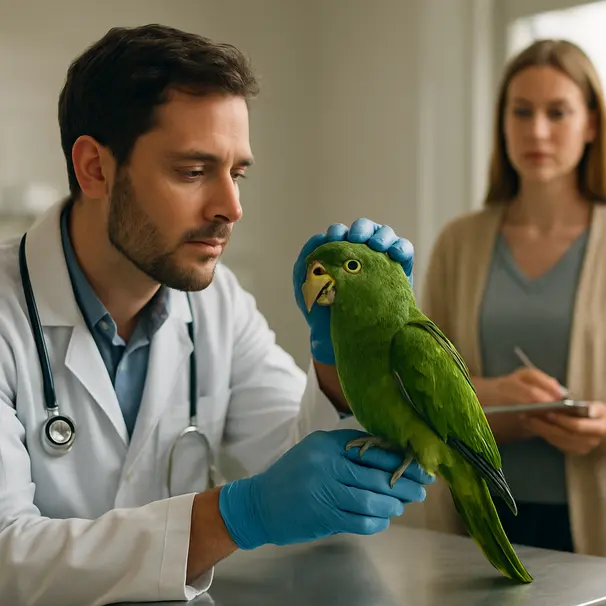
Regular check-ups may be less frequent than for dogs or cats, but when they occur, they may include fecal exams, imaging, or bloodwork tailored to the species. These checks can help catch creeping problems early.
Practical tips for carers on a visit or stay
- Introduce yourself to the animal calmly and let them approach. Sudden grabbing can cause stress.
- Keep handling sessions short at first, especially for shy or flighty species.
- Stick to the owner’s feeding schedule and avoid sudden diet changes.
- Maintain lighting and heating exactly as instructed. Power outages or wrong bulb types can create rapid problems for some species.
- Don’t attempt complex medical procedures unless trained. For example, oral medications for reptiles often require specific techniques.
Simple actions like wiping down the enclosure, checking water quality, and offering familiar treats can go a long way.

Emergency planning and travel
Have a plan for power outages, temperature drops, or sudden illness. For heat-sensitive species, a generator or temporary relocation plan may be necessary. If you need to transport an exotic pet to a clinic, use secure, species-appropriate carriers and bring a copy of their medical and feeding notes.
Consider pet insurance or a savings buffer for emergencies. Exotic vet care can be specialist and sometimes costly, so planning helps reduce stress when time is of the essence.
Building trust between owners and pet carers
Trust is a two-way street. Owners should be upfront about their pet’s needs and quirks. Carers should ask questions and admit when they’re unsure. A short orientation meet-and-greet before any long stay can help everyone feel comfortable.
Small extras make a difference. Leaving a favorite hide, a worn blanket, or a piece of clothing with the owner’s scent can help pets settle. Always label items clearly so carers can return things to the right enclosure.
Final thoughts
Caring for exotic pets is deeply rewarding and comes with a responsibility to learn and adapt. With a little planning, clear communication, and routine checks, owners and carers can greatly reduce health risks and enjoy rich relationships with their extraordinary companions.
Keep in mind that this guide offers practical suggestions and does not replace veterinary advice. If you suspect illness or need specific medical guidance, consider contacting an exotic animal vet promptly.
By staying observant, keeping habitats consistent, and preparing clear care notes, you and your carers will give your exotic friend the best chance to thrive. Happy caring, and enjoy the small, surprising moments that make exotic pet ownership so special.