


Welcome to pet parenthood and care
Bringing a pet into your life is one of the warmest decisions you can make. It’s also one of the most practical. Whether you’re a first-time owner or a pet carer stepping into someone else’s routine, this guide shares friendly, down-to-earth tips you can use right away. The goal is simple: help pets feel safe, healthy, and happy while keeping you confident and prepared.
Preparing your home: a safe and welcoming space
Before your new companion arrives, take a walk through your home from their perspective. Low shelves, dangling cords, and toxic houseplants look very different to a curious cat or puppy.
- Do a quick hazard sweep: tuck away chargers and cords, secure trash bins, and move small objects pets might swallow.
- Create a landing zone: prepare a quiet corner with a bed, water bowl, and a few safe toys so your pet has a place to decompress.
- Pet-proof rooms gradually: introduce one space at a time rather than opening the whole house at once.
Small investments pay off. A baby gate, a sturdy crate for training, and a few chew toys can reduce stress for both you and your pet. If someone else will be caring for the animal, leave a short home orientation sheet with favourite spots, off-limits areas, and how you store food or medication.

Feeding and nutrition: basics that matter
Good nutrition builds a healthy foundation. It’s also a big source of confusion, so let’s keep it simple.
- Choose age-appropriate food: puppies, kittens, adults, and seniors have different needs. Look for labels that match your pet’s life stage.
- Measure meals: eyeballing portions often leads to overfeeding. Use a measuring cup and follow the feeding guide as a starting point.
- Keep a consistent schedule: most pets do well with 2 meals per day for adult dogs, and 2–3 meals for kittens and puppies, though individual needs vary.
- Treats are training tools: use small, healthy treats and adjust meal portions to account for treat calories.
Consider food transitions carefully. If you need to switch diets, mix increasing amounts of the new food with the old over a week. Sudden changes can upset tummies. If your pet shows prolonged digestive issues, consult a vet for guidance.
Training and socialization: patience and positive steps
Training is more than teaching tricks. It’s how you communicate, build trust, and help pets feel secure.
- Start with short sessions: 5–10 minutes, two to three times a day works wonders. Keep it fun and end on a success.
- Use positive reinforcement: praise, treats, and a happy tone go farther than scolding. Pets remember how training makes them feel.
- Teach essential cues: sit, come, leave it, and a reliable recall for dogs. For cats, simple clicker-based rewards can teach them to come or accept handling.
- Socialize gradually: expose pets to different people, places, sounds, and gentle animals. Keep encounters calm and rewarding so they associate variety with good things.
If a pet seems fearful, step back. Give them space and try gentler introductions. Professional trainers or trusted carers can help with tailored plans, especially for rescue animals with unknown histories.

Health basics and preventive care
A few routine steps can help prevent many common health problems.
- Vet visits: book an initial check-up soon after adopting, then follow your vet’s recommended schedule for vaccines and check-ups. Consider annual exams, or more frequent visits for seniors.
- Parasite prevention: discuss flea, tick, and worm prevention with a vet. Prevention can help avoid long-term issues.
- Dental care: brushing or dental chews may help oral health. Ask your vet for safe products and techniques.
- Watch for changes: appetite, energy levels, stool, and weight are great early indicators of health. Sudden or severe changes may need prompt attention.
Avoid medical self-diagnosis. If you notice persistent coughing, vomiting, diarrhea, limping, or drastic behavior shifts, consult a vet. These signs can mean many things, and a professional can advise on the best next steps.
Grooming and regular care
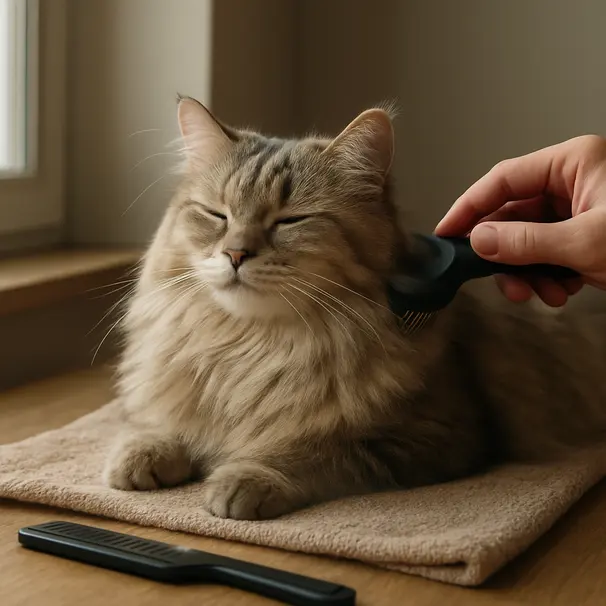
Grooming keeps pets comfortable, reduces matting, and is a chance to bond.
- Brushing schedule: long-haired breeds may need daily brushing, while short coats often do well with weekly sessions. Brushing can help reduce shedding and discover skin issues early.
- Nail trimming: learn the basics or ask a groomer to show you. Trim small amounts carefully, and use treats to keep your pet relaxed.
- Bathing: bathe on an as-needed basis with pet-safe shampoo. Overbathing can strip natural oils and dry the skin.
- Ear and paw checks: look for redness, unusual odors, or debris. Clean gently and consult a vet for persistent issues.
Make grooming pleasant. Start young when possible, use soft voices, and reward cooperation. That way, future grooming sessions feel like a calm routine instead of a stressful chore.
Safety and emergency preparedness
Being prepared helps you act quickly and calmly.
- Emergency kit basics: gentle lead or carrier, leash, spare collar and ID tag, copies of vaccination records, a recent photo, basic first-aid supplies, and a towel.
- Know your nearest 24-hour emergency clinic: save the number in your phone, and keep a paper copy in your kit.
- Learn basic first aid skills: how to stop bleeding, handle a choking incident, and safely move an injured animal. Consider a pet first aid course for confidence.
- Pet-proof outdoors: secure fencing and supervision reduce risks. Microchipping and ID tags boost the chances of being reunited if a pet gets lost.
If your pet swallows something toxic or shows severe symptoms, contact a vet or a poison helpline immediately. When in doubt, it’s better to ask than to wait too long.
Building routines and enrichment
Pets thrive on predictability, but they also need mental stimulation.
- Daily structure: feeding, walks, playtime, and rest help pets know what to expect. Routines ease anxiety and reduce problem behaviours.
- Enrichment activities: puzzle feeders, scent games, hide-and-seek, and safe chew toys keep minds active. Rotate toys to keep interest high.
- Exercise needs: match activity to the breed and age. High-energy dogs benefit from vigorous play or long walks, while many cats enjoy short bursts of play several times a day.
- Quiet time matters: pets need downtime. A comfortable bed, a safe corner, or a crate can become a soothing retreat.
Good enrichment reduces boredom-related behaviours like chewing, over-grooming, or excessive barking. If you’re a pet carer, ask owners about their pet’s favourite games and routines to keep consistency.
Working with pet carers and sitters
Clear communication sets great visits apart.
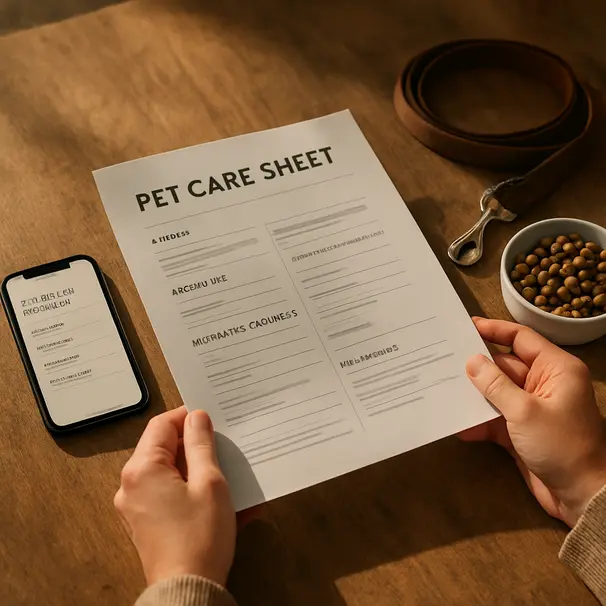
- Share a written care plan: include feeding amounts and schedules, favourite toys, exercise needs, quirks, and emergency contacts. A short list is priceless for carers.
- Introductions matter: arrange a meet-and-greet before the first solo visit. Let the pet choose whether to approach the carer, and watch for comfort signals.
- Keep routines consistent: if you walk the dog at certain times or feed at set intervals, ask carers to follow those cues.
- Provide supplies: leave enough food, medication, treats, and any special equipment the carer may need.
Carers, be observant and kind. Leave a quick note about how the visit went, any changes in behaviour, and any supplies used. Owners appreciate details and reassurances.
Handling common challenges
Every pet has off days. Here are gentle ways to respond.
- House training setbacks: regressions happen with changes in routine or stress. Go back to basics, increase outdoor potty breaks, and praise successes.
- Separation anxiety: gradual departures, counter-conditioning techniques, and enrichment can help. Short absences, increasing slowly, allow pets to build confidence.
- Overexcitement on walks: stop and only move forward when the pet is calm. Reward calm behaviour to reinforce good walking habits.
- Resource guarding: if a pet growls over toys or food, consult a trainer for safe, step-by-step strategies. Avoid confronting the behaviour directly without guidance.
When problems feel beyond your toolkit, an experienced trainer or behaviourist can make a big difference. They can offer custom plans that keep safety and emotional wellbeing front and centre.
Closing thoughts and friendly reminders
Caring for a pet is an evolving journey. Mistakes will happen, and that’s okay. What matters most is presence, patience, and a willingness to learn. Give yourself grace on the days that are messy and celebrate the little wins—a relaxed nap in sunbeams, a trusted recall, or a quiet grooming session that used to cause stress.
Keep a small folder or digital note with medical info, daily routines, favourite treats, and emergency contacts. If you’re a carer, a brief end-of-visit message builds trust with owners. If you’re an owner, clear instructions and a calm meet-up help carers provide the best care.
Above all, enjoy the companionship. Pets bring humour, comfort, and a unique rhythm into our lives. With thoughtful preparation, consistent routines, and gentle training, you’ll build a relationship that’s safe, joyful, and resilient.
Quick checklist to get started
- Schedule an initial vet check-up.
- Create a safe landing zone with food, water, and bedding.
- Measure food and set meal times.
- Start short, positive training sessions daily.
- Prepare an emergency kit and save local clinic numbers.
- Leave a clear care plan for any carers or sitters.
If you ever feel unsure, reach out to local vets, trainers, or trusted carers for advice. A little help early on can make all the difference for a long, happy life together.