

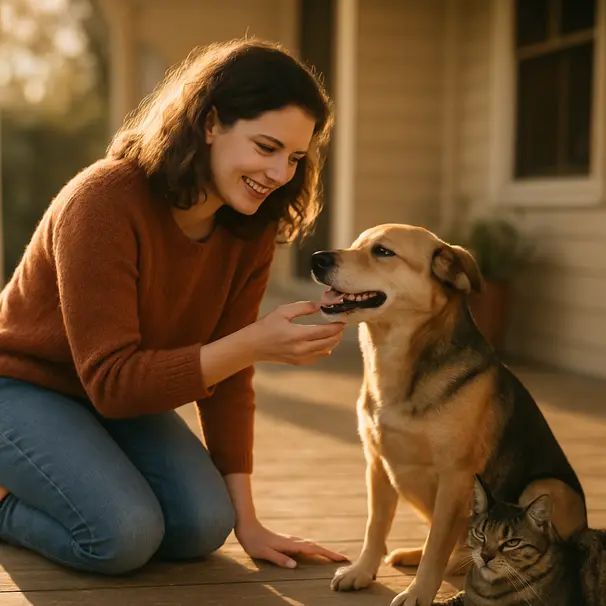
Essential pet health tips every owner and pet carer should know
Pets bring joy, comfort, and a fair share of muddy paw prints. Keeping them healthy takes a mix of everyday habits, a few precautions, and good teamwork between owners and pet carers. This guide shares practical, friendly advice you can use right away. It’s written for pet owners and carers who want clear, doable tips to keep furry, feathered, or scaly family members feeling their best.

Start with regular check-ups and proactive vet care
Routine vet visits are a foundation. For most animals, an annual check-up helps spot small issues before they become big ones. Puppies, kittens, senior pets, or animals with chronic conditions may need more frequent visits. Consider the following checklist:
- Keep vaccination records up to date and store them where your carer can access them.
- Share any behavioural or appetite changes promptly, even if they seem minor.
- Ask your vet for a weight and body condition plan. Small weight changes can signal health shifts.
- Discuss dental care, parasite prevention, and any breed-specific risks.
When in doubt, check with a vet. A quick call can help determine whether a home observation is enough or if an exam is needed. Carers should have emergency contact info and clear permission guidelines from the owner.
Balance nutrition and watch weight
Good food does a lot for long-term health. Feeding the right type and amount of food supports energy, coat quality, digestion, and overall wellbeing.
Tips for owners and carers:
- Follow the feeding instructions on the food label as a starting point, then adjust based on activity, age, and body condition. Consider measuring portions to avoid accidental overfeeding.
- Keep treats to under 10% of daily calories. Use healthy treat options and break them into training-sized pieces.
- If you change food, do it gradually over 7–10 days to reduce tummy upsets.
- Monitor weight weekly or monthly depending on the pet. A scale for small pets or regular visual checks for larger animals helps spot trends early.
If you notice persistent weight loss, sudden appetite changes, or digestive upsets, consider consulting a vet. Dietary needs may change with life stages, medical conditions, or medication.

Exercise and mental enrichment
Physical activity and mental stimulation go hand in hand. A bored pet can develop behaviour problems, and an under-exercised pet may gain weight or lose muscle tone.
Ideas to keep pets active and engaged:
- Daily walks or play sessions for dogs. Vary routes and include sniff time; it’s enriching for them.
- Indoor play for cats with wand toys, puzzle feeders, or short laser sessions. Rotate toys to maintain interest.
- For rabbits, ferrets, and small mammals, set up supervised floor time in safe, escape-proof areas.
- Add training sessions to the routine. Five to ten minutes a day of basic training provides mental stimulation and strengthens the human–pet bond.
Carers should confirm the pet’s usual exercise routine with the owner and note any physical limits. For example, senior dogs may prefer shorter, gentler walks, while highly energetic young dogs may need more frequent bursts of activity.
Grooming, skin and coat care
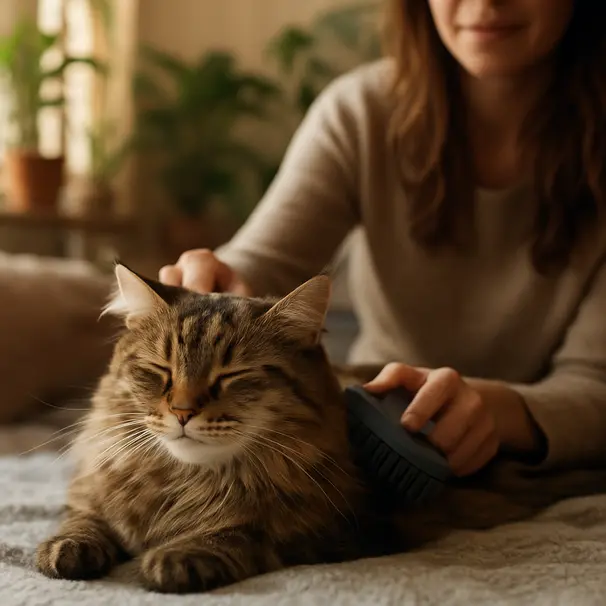
Grooming is more than vanity. It helps detect lumps, skin irritations, parasites, and changes early. A gentle grooming routine can be a calm bonding time.
Practical grooming pointers:
- Brush regularly to remove loose hair, reduce matting, and distribute skin oils. Frequency depends on coat type.
- Check ears weekly for redness, unusual odor, or excessive wax. Wipe gently with vet-recommended products if needed.
- Trim nails every few weeks or as soon as you hear clicking on hard floors. Long nails can alter gait and cause discomfort.
- Bathe only as needed with appropriate shampoo. Too frequent baths can dry skin; too infrequent baths can worsen certain skin conditions.
If you find wounds, persistent scratching, hair loss, or flaky skin, note these and share images with the owner and their vet if concerned. Carers should ask about grooming tools the pet prefers and any known sensitivities.
Dental care matters
Oral health often gets overlooked, yet it affects appetite, comfort, and even organ health over time. Small daily steps can help.
Simple dental habits:
- Brush teeth regularly using pet-safe toothpaste. Even short, gentle sessions a few times a week can help.
- Offer dental chews or toys that help reduce tartar, if appropriate for the pet’s size and age.
- Watch for bad breath, drooling, difficulty eating, or pawing at the mouth—these can suggest dental pain.
Ask your vet about professional dental cleanings and how often they may be beneficial. Carers should be briefed on safe dental routines and warned not to force a frightened pet into toothbrushing.
Parasite prevention and safe environment
Fleas, ticks, and worms can make pets miserable and may affect people in the household. Preventative measures are usually easier than treating an infestation.
Good practices:
- Use vet-recommended parasite preventatives and keep the schedule consistent.
- Check for ticks after outdoor outings, especially in grassy or wooded areas.
- Clean bedding and living spaces regularly. Vacuuming and washing soft items can reduce flea eggs.
- Keep toxic items—certain foods, plants, and human medications—out of reach. Make a list of household hazards the carer should know about.
If you find parasites or suspect exposure, speak with a vet to confirm treatment. Carers should know where to find the owner’s written permission for veterinary care in an emergency.
First aid basics and emergency preparedness
A little preparation can calm everyone during a crisis. Keep an accessible first aid kit and a short plan for common emergencies.
First aid checklist:
- Contact numbers: owner, primary vet, emergency clinic, poison control.
- A basic kit with gauze, bandages, styptic powder, digital thermometer, and a small muzzle or towel for safety during transport.
- Know how to check vital signs: respiratory rate, gum colour, and pulse, and share this information promptly with a vet.
- Learn how to safely transport the pet—carriers for cats, secure harnesses or crates for dogs.
Owners should leave clear instructions about allowable treatments and emergency spending limits. Carers should carry a printed copy on walks or outings and be familiar with the route to the nearest emergency clinic.
Communication: the glue between owner and carer
Clear, kind communication makes pet care reliable and less stressful.
Communication tips:
- Create a written care plan that covers feeding, walk schedules, medication, quirks, and comfort items. Update it when routines change.
- Share photos and short updates after visits. A quick picture of a happy, relaxed pet reassures owners.
- Note anything unusual: changes in behaviour, appetite, elimination, or sleep.
- Respect routines. Pets thrive on consistency, and carers should try to match the owner’s approach as closely as possible.
Establish preferred communication channels ahead of time. Some owners prefer a text after every walk, while others want a single end-of-day summary. Agreeing on expectations prevents misunderstandings.

Tips specifically for pet carers
Working with different pets all the time means staying adaptable.
Carer-friendly suggestions:
- Ask for a quick orientation at the first meet-and-greet: where the leash, food, medication, and emergency contacts live.
- Use positive reinforcement when building trust with a new pet. Snacks, slow movements, and soft voices go a long way.
- Keep a small notebook or app with pet details you can quickly reference: allergies, command words, favourite treats, and calming cues.
- Practice good hygiene between homes: wash hands, change clothes if needed, and sanitize gear to protect pets and humans.
If a pet resists care or shows signs of stress, pause and consult the owner for strategies they use at home. Avoid forcing interactions that could escalate fear or aggression.
Final checklist for everyday health
Before each shift or pet visit, run through this short checklist:
- Food and water amounts confirmed? Medication prepared and schedule clear?
- Emergency contacts accessible and permission notes available?
- Exercise plan and any mobility or behavioural cautions noted?
- Grooming needs or special handling instructions logged?
These small checks help everything run smoothly and let both owner and carer relax.
Closing thoughts
Caring for a pet is a team effort. Owners provide history and long-term plans, carers bring consistency and attention between visits. With clear communication, shared routines, and a few basic health habits, you can help pets live comfortable, joyful lives. Keep learning, stay observant, and don’t hesitate to reach out to a vet when something feels off. After all, pets give us their best selves—it’s nice to give a little back in return.