


Essential pet health tips for owners and pet carers
Every pet has its own personality, quirks and comfort zones. As an owner or a pet carer, your job is part guardian, part cheerleader. This guide gathers practical, friendly tips you can use every day to keep pets comfortable, safe and thriving. Consider it a helpful checklist you can adapt to your pet’s age, breed and temperament.
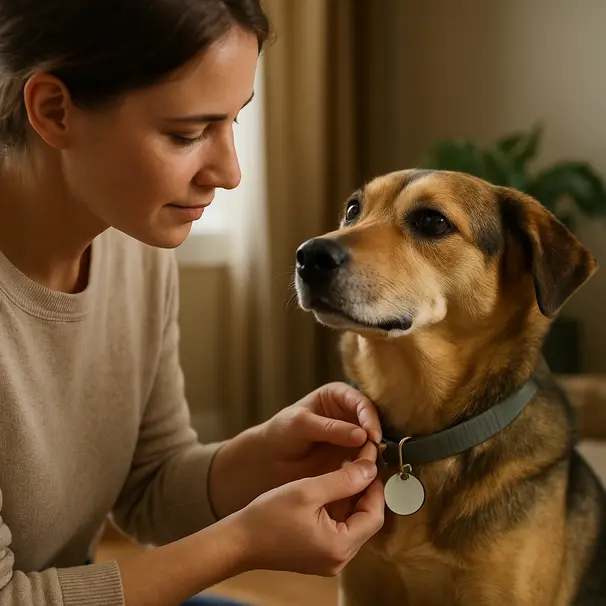
Start with the daily basics
Good health often begins with the simple stuff: food, water, sleep and movement. Those basics are easy to overlook on busy days, but they make a huge difference.
Nutrition that suits the individual
- Feed an age-appropriate diet. Puppies, kittens, adults and seniors have different needs. Look for food that fits their life stage.
- Watch portions, not just the bowl. Overfeeding can lead to extra weight and related issues. You may find that measuring cups or a kitchen scale help keep things consistent.
- Treats are treats. Keep them to a small percentage of daily calories and use them for training or bonding moments.
- If switching food, do it slowly over a week to avoid tummy upsets.
Consider asking a vet or an experienced carer for portion guidance if you’re unsure. Pets with special conditions may need tailored diets, so consult a professional when in doubt.
Hydration and comfortable rest
- Fresh water should always be available. Some pets prefer running water; a pet fountain can encourage sippers to drink more.
- Keep water bowls in a quiet, accessible spot away from litter boxes for cats and away from heavy foot traffic for dogs.
- Provide cozy sleeping spaces that match a pet’s habits. Older pets sometimes need joint-friendly beds. A familiar blanket can reduce stress for pets in new environments.
Exercise and mental stimulation
- Regular walks, play sessions or interactive toys help pets stay physically fit and mentally engaged.
- Short bursts of exercise several times a day often work better than one long session, especially for high-energy breeds.
- Rotate toys to keep things interesting and use puzzle feeders to make mealtimes enriching. This can help reduce boredom-related behaviors.
Preventive care: small steps with big payoffs
Prevention can keep many problems from starting, or help catch issues early.

Vaccination and parasite protection
- Keep vaccinations up to date. Vets can advise on schedules that fit your area and your pet’s lifestyle.
- Flea, tick and worm prevention may vary by season and region. Consider a plan that suits where you live and how much outdoor time your pet gets.
Use gentle language when explaining treatments to nervous pets. Familiar scents and slow, calm handling can reduce stress during application.
Dental care, grooming and coat checks
- Regular tooth brushing can help keep breath fresher and may help reduce dental disease over time. Use pet-specific toothpaste and go slowly to build trust.
- Brushing fur reduces shedding, distributes natural oils and gives you a chance to check for lumps, bumps or skin issues.
- Nail trims and ear checks are part of routine care. If you or the carer aren’t comfortable trimming nails, professional groomers can help.
Routine checks to do weekly
- Eyes clear and bright, no persistent discharge.
- Nose moist and free from scabs.
- Coat shiny without large bald patches; skin should be free of redness or obvious irritation.
- Gums pink and teeth free of excessive tartar, if possible.
- Check for unusual lumps and feel for any warm or painful spots.
If you notice anything unusual, consider contacting a vet. Early checks can help your vet spot warning signs before they become serious.
Recognizing subtle signs of illness
Pets are masters at hiding discomfort. Knowing the small changes to watch for helps owners and carers respond quickly.
- Appetite changes, including a sudden disinterest in favourite foods, may signal an underlying issue.
- Energy shifts: sleeping more, reluctance to jump, or sudden hyperactivity can all mean something’s off.
- Bathroom habits: more frequent urination, accidents in the house, diarrhea or constipation deserve attention.
- Behavior changes: increased clinginess, hiding, growling or changes in social interactions.
Keep a short daily log if needed. A few notes about eating, toileting and activity can be a lifesaver when talking to a vet or a regular carer.
Safe handling of medications and supplements
- Only give prescriptions or supplements recommended by a vet. Human medications can be dangerous for pets.
- Store medicines out of reach and keep a list of doses, times and expiry dates. Consider a weekly pillbox for pets on regular meds.
- If a pet refuses medication, many pills can be hidden in treats, pill pockets or a small amount of wet food. Ask your vet for palatable options.
Always confirm dosing instructions and ask how to handle missed doses. When in doubt, call your vet before improvising.
Emergency preparedness: a calm plan
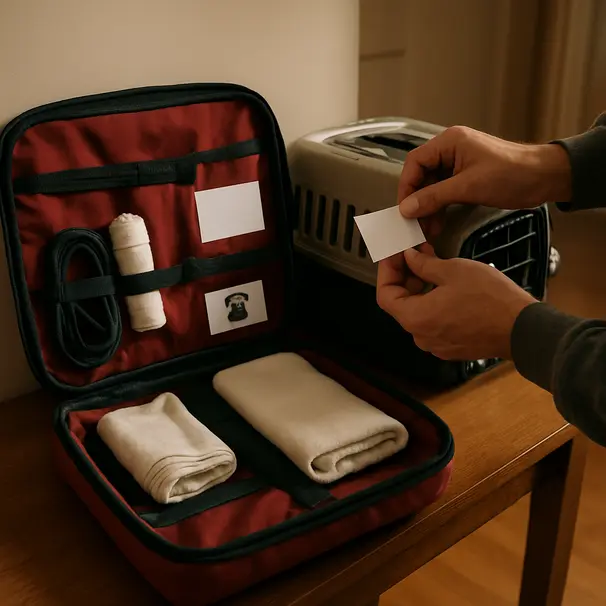
A quick, calm response can make a big difference. Put together an emergency kit and a simple action plan.
What to include in a basic pet first aid kit:
- Contact info for your vet, the nearest emergency clinic and a trusted carer.
- Copies of medical records and vaccination history in a waterproof bag.
- A short leash, carrier or crate, and a familiar blanket to reduce stress during transport.
- Basic first aid items: gauze, bandage tape, hydrogen peroxide to induce vomiting only if advised by a vet, and a thermometer.
Plan for evacuation too. If you live in a place with seasonal storms or natural disasters, know pet-friendly shelters and have carriers prepped and labelled. Practice loading pets calmly so they become familiar with the routine.
Working with pet carers: communication that matters
Good communication between owners and carers builds trust and keeps care consistent.
- Leave a clear care plan. Include feeding times, portion sizes, medication instructions, exercise preferences and any social cues (likes, dislikes, fear triggers).
- Share your vet’s contact details and a consent plan for routine issues. Decide ahead of time how much autonomy the carer has for emergency treatment.
- Small notes about personality make a big difference. Mention favourite treats, alarm sounds that startle them, or tricks that work well for calming.
- Use a quick handover checklist at pick-up and drop-off. A short recap avoids misunderstandings and helps the carer feel confident.
Encourage carers to leave short updates or photos. They can ease separation anxiety for owners and provide reassurance that routines are being followed.
Mental health and enrichment
A healthy pet is more than a well-fed, groomed animal. Mental stimulation helps reduce anxiety and prevent behavior problems.
- Rotate toys and introduce new, safe objects gradually.
- Teach simple cues or tricks with positive reinforcement. Training strengthens your bond and provides mental exercise.
- Social time matters. For social dogs, arranged playdates, walks or dog-sitter visits may be beneficial. For cats, interactive play sessions can be just as valuable.
- Quiet bonding also counts: brushing, gentle massages and calm cuddle time can soothe both pets and people.
If a pet is adjusting to a new carer, keep routines similar and introduce the carer slowly. Short supervised visits can build trust without overwhelming the pet.
Traveling and boarding tips
- Pack a familiar blanket and a couple of tried-and-tested toys. Familiar scents help pets settle.
- If boarding, check reviews and ask about staff-to-pet ratios, cleaning practices and emergency protocols.
- Consider a trial stay or short visit before an extended boarding period to see how a pet adapts.
- Update ID tags and consider microchipping if not already done. Make sure contact details are current.
Final checklist for owners and carers
- Keep a simple daily log for feeding, elimination and medication.
- Schedule regular vet checks and preventative treatments.
- Maintain grooming and dental routines.
- Create an emergency kit and keep contacts handy.
- Share a clear care plan between owners and carers.

Parting thoughts
Caring for a pet is a series of small, kind actions, repeated every day. Owners and carers who focus on consistent routines, clear communication and gentle observation can make life safer and happier for the animals they love. When in doubt, reach out to a vet for tailored advice. A little attention now may help your pet enjoy more comfortable days ahead.
Helpful resources: local veterinary practices, rescue organizations and trusted carer networks can offer advice or hands-on help. Keep the lines of communication open and enjoy the special rewards of caring for a furry friend.