


Exotic pet nutrition guide: practical feeding needs by species
Caring for an exotic pet brings big rewards and a few unique feeding puzzles. This guide breaks down practical feeding routines by species group, offers safe food ideas, and gives useful tips pet owners and carers can actually use. Think of it as a friendly road map you can adapt to your pet’s size, age and lifestyle. Remember to consider a vet consult for specific health concerns or unusual behaviors.
Quick principles that apply to most exotic pets
- Focus on species-appropriate balance. Some pets need mostly plant matter, others mostly animal protein, and some need a mix.
- Quality matters more than quantity. Fresh, varied ingredients usually beat a single commercial food.
- Hydration is part of nutrition. Provide clean water in a way your pet accepts.
- Small, frequent meals can help picky or high-metabolism species.
- Supplements may be needed. Use them carefully and consider professional guidance.
These ideas will pop up again under each species section. Now let’s get specific.
Reptiles: bearded dragons, leopard geckos, ball pythons
Reptiles cover a wide nutritional range. Herbivores like bearded dragons, insectivores like leopard geckos, and carnivores like many snakes all have different needs.
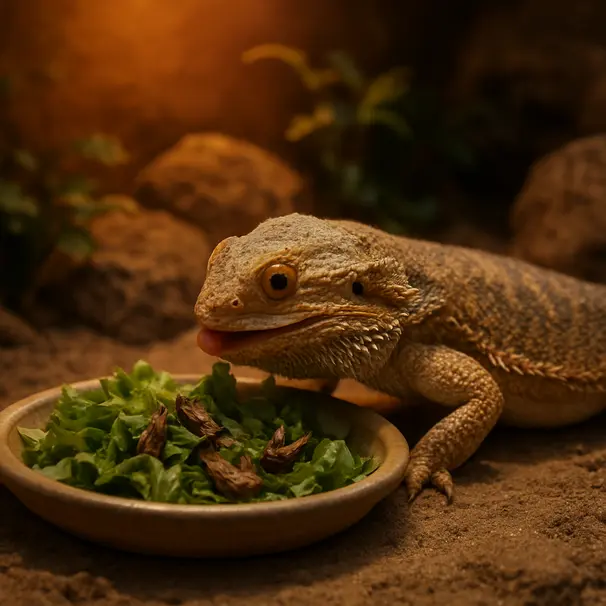
Bearded dragons (omnivore leaning herbivore)
- Typical feed: 70–80% plant matter for adults; juveniles often need more insects to fuel growth.
- Good greens: collard, mustard, dandelion, turnip greens, finely chopped vegetables.
- Safe insects: dubia roaches, crickets, black soldier fly larvae, gut-loaded and dusted with calcium.
- Calcium and vitamin D3: consider dusting insects with calcium frequently; D3 dosing may depend on UVB exposure and vet advice.
- Frequency: juveniles 2–3 times daily in small portions; adults once daily or every other day with grazing available.
Leopard geckos (insectivore)
- Feed mostly gut-loaded insects: mealworms, dubia roaches, small crickets.
- Dusting with calcium and a multivitamin on a schedule can help prevent deficiencies.
- Portion size: one or two appropriately sized insects every other day for adults; daily for juveniles.
Ball pythons and other snakes (strict carnivores)
- Prey items: frozen-thawed mice or rats sized about as wide as the snake’s widest body part.
- Feeding frequency: juveniles more often (weekly), adults often every 7–14 days depending on species and body condition.
- Never feed live prey unsupervised; frozen-thawed is safer to avoid injury.
Feeding notes for reptiles
- Temperature and digestion: warm reptiles digest better. Keep feeding when enclosure temperatures are in the recommended range.
- Hydration: offer shallow water dishes and mist where appropriate.
- Signs to watch: weight loss, swelling, lethargy, abnormal stools. These may indicate diet or husbandry issues; consult a vet.

Small mammals: rabbits, guinea pigs, ferrets
Small mammals are social and often food-motivated. Their diets have firm rules.
Rabbits
- Staple: high-quality grass hay (timothy, orchard) available at all times.
- Vegetables: leafy greens daily (e.g., romaine, dandelion leaves, cilantro), introduce new veggies slowly.
- Pellets: small portion of timothy-based pellets for adults; choose species-appropriate formulations.
- Avoid: iceberg lettuce, sugary treats, or high-starch foods in excess.
- Frequency: grazing on hay all day with scheduled veg and pellet portions.
Guinea pigs
- Vitamin C: guinea pigs cannot make their own, so include vitamin C-rich vegetables and/or appropriate supplements.
- Hay is also essential and should be available continuously.
- Pellets: look for guinea pig–specific pellets with vitamin C added.
Ferrets (obligate carnivores)
- Diet: high-protein, high-fat diets made for ferrets or high-quality kitten food may be used.
- Avoid: high-fiber vegetarian diets; ferrets need meat-based proteins.
- Feeding schedule: typically multiple small meals or free-feeding on a suitable kibble, depending on the pet’s routine.
Small mammal feeding notes
- Treats: keep them occasional and appropriate to species. Small fruit pieces or commercial treats can be enrichment but limit sugar.
- Dental health: rodent and lagomorph teeth grow constantly. Hay and chew toys help maintain dental wear.
- Transitioning food: switch over several days; mix increasing amounts of the new food to lower digestive upset risk.
Birds: parrots, cockatiels, finches
Bird diets are surprisingly complex and benefit from variety.
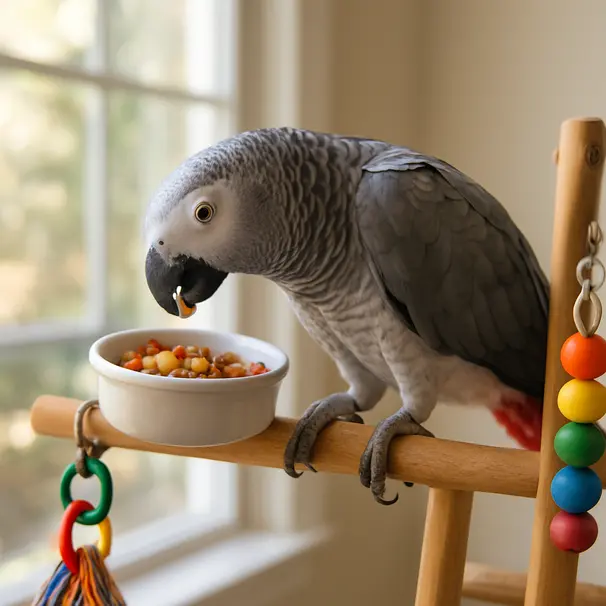
- Pellets vs seeds: pellets provide balanced nutrition, while seed-only diets often lead to deficiencies. Many owners offer a pellet base plus fresh foods.
- Fresh additions: chopped vegetables, leafy greens, some fruits, sprouted seeds, and cooked whole grains.
- Protein sources: cooked beans, eggs, or commercial bird proteins can be added sparingly.
- Portioning: depends on species size and activity. Larger parrots need more than cockatiels or finches.
- Avoid: avocado, chocolate, caffeine, alcohol and high-salt or high-fat human foods.
Bird feeding tips
- Foraging and enrichment: scatter-feeding, puzzles, and hiding food inside toys can stimulate natural behaviors and reduce boredom.
- Water: change drinking water daily. Some birds enjoy shallow bathing water; others prefer misting.
- Observing droppings: changes in droppings can indicate dietary problems; keep notes and consult a vet if you see persistent abnormalities.
Amphibians and fish: tree frogs, axolotls, exotic freshwater fish
These animals often have specialized needs and sensitive water parameters.
Tree frogs and other amphibians
- Diet: many are insectivores—offer gut-loaded crickets, small roaches, or specially formulated amphibian diets.
- Calcium: frequent dusting with calcium can help avoid metabolic bone issues.
- Feeding frequency: varies by species and life stage—frogs may eat multiple times weekly or daily if young.
- Moisture: maintain appropriate humidity; dehydration affects appetite and health.
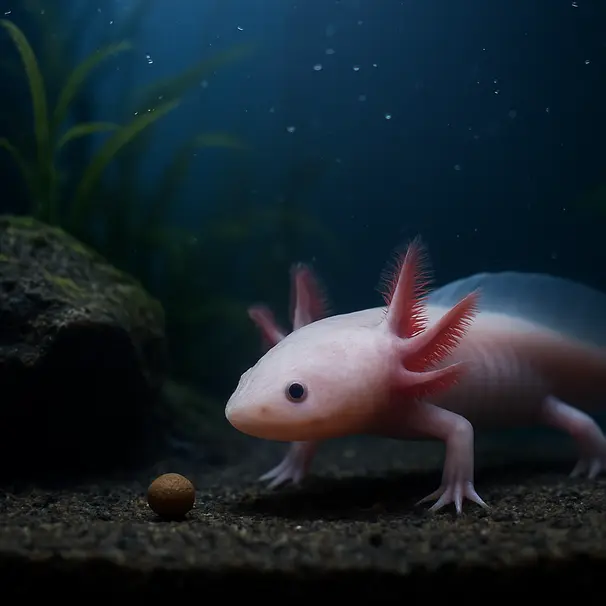
Axolotls and aquatic salamanders
- Diet: worms, small pieces of fish, sinking pellets formulated for carnivorous aquatic species.
- Water quality: clean, cool water is essential for appetite and digestion.
Exotic freshwater fish
- Diet types: herbivores, omnivores or carnivores; feeds can include flakes, pellets, frozen foods, and live feeds.
- Portioning: feed small amounts they finish in a couple of minutes, once or twice daily, to avoid water pollution.
Amphibian and fish notes
- Live foods risk: live feeder animals can introduce parasites. If using live food, source it responsibly and quarantine if needed.
- Water testing: regular checks on ammonia, nitrite, nitrate and pH can help prevent stress-related appetite loss.
Practical supplements, storage and safety tips
- Supplements: calcium, vitamin D3 and multivitamins may be useful for several species. Consider a vet’s recommendation for dosing.
- Food storage: keep perishables refrigerated and dry goods in airtight containers to prevent spoilage and pests.
- Handling food: wash hands before and after preparing exotic diets to protect you and your pet.
- Avoid toxic foods: research common household items that are dangerous to your specific pet and keep them out of reach.
Feeding as enrichment and behavior management
Feeding time is a great chance to enrich your pet’s day and strengthen bonds.
- Puzzle feeders: birds, small mammals and some reptiles enjoy food-dispensing toys that reward problem solving.
- Scattering food: hide bits of food in safe places to encourage natural foraging.
- Training with food: use small, healthy rewards to teach desirable behaviors and reduce stress during groomings or vet visits.
Communicating feeding plans for pet carers
Floofy connects owners with carers. A clear feeding plan makes things easier and safer.
Include this in a handover sheet:
- Pet basics: name, species, age, weight, known health issues.
- Daily feeding schedule: times, portion sizes and feeding locations.
- Exact food brands and storage instructions: include photos or labeled containers if needed.
- Supplements: type, dose, frequency, and whether to dust food.
- Favorite treats and foods to avoid: list allergens or toxic foods by name.
- Hydration notes: where the water is, how often to change it, and special watering methods for picky drinkers.
- Emergency contacts: your vet, after-hours clinic, and your contact details.
A sample short feeding template
- Morning: 8:00 AM — 1 scoop pellets, fresh greens handful.
- Noon: optional grazing hay and water refresh.
- Evening: 6:00 PM — insects (6 crickets) dusted with calcium.
- Notes: leave food out for 2 hours, remove uneaten insects, turn off heat lamp at 10:00 PM.
Clear instructions reduce mistakes and make carers feel confident.
Watching for red flags and when to call a vet
Some signs suggest a vet consult may be needed:
- Refusal to eat for more than a typical fasting period for the species.
- Sudden weight loss or gain.
- Visible lumps, swelling, or changes in skin/feather/scale appearance.
- Persistent abnormal stools, vomiting, or projectile regurgitation.
When in doubt, call your vet. Getting advice early can prevent a small problem from becoming serious.
Final checklist for happier, healthier exotic pets
- Keep a baseline weight and feeding log for your pet.
- Rotate fresh foods and safe treats to provide variety.
- Store foods correctly and use fresh ingredients.
- Prepare a concise feeding sheet for carers with clear photos and steps.
- Consider enrichment that fits species-specific behaviors.
- Schedule routine checkups and discuss diet with a vet.
Feeding an exotic pet has nuance, and a little attention goes a long way. With species-appropriate staples, careful supplementation, and clear communication with carers, you can help your special companion thrive. If you’re ever unsure, a vet or experienced carer can help tailor a plan that fits your pet’s personality and health needs.