


A gentle welcome to exotic pet ownership
Owning an exotic pet is a joyful, curious, and sometimes challenging adventure. These animals can make fantastic companions, but they often need care that differs from cats, dogs, or common small pets. This guide walks through the essentials every owner and carer should know, with practical tips, safety reminders, and checklists you can use right away.
What we mean by “exotic”
Exotic pets often include reptiles, amphibians, birds, ferrets, sugar gliders, hedgehogs, and some small mammals. They may have specific temperature, humidity, and diet needs. Before bringing one home, spend time learning the species’ natural history and daily routines. A little homework now can save a lot of stress later.
Choosing the right species for your life
Picking the right animal is the first step. Think about living space, noise tolerance, budget, time, and legal requirements. Ask yourself these questions:
- How much time can I commit daily and weekly?
- Do I have a vet experienced with this species nearby?
- Will my home environment meet the animal’s temperature and humidity needs?
- Are there local restrictions or permits required?
Visit keepers, rescues, or reputable breeders. Seeing animals in person helps you understand their activity levels and care needs. If you can, meet multiple individuals. Young animals may look adorable, but adults often have fully developed temperaments that tell you more about daily life.
Creating the right habitat
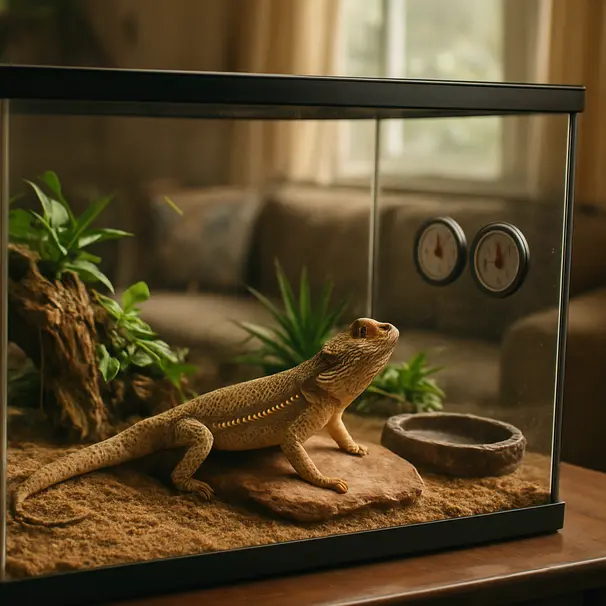
A proper habitat is the foundation of good care. For reptiles and amphibians, focus on temperature gradients, humidity control, hiding spots, and safe substrate. For birds, a cage that allows flight and exploration matters a lot. Small mammals often want tunnels, climbing opportunities, and nesting spaces.
Practical habitat checklist:
- Correct-sized enclosure with secure locks
- Thermometers and hygrometers placed at different heights
- Hides, branches, and substrate appropriate for the species
- UV lighting if the species benefits from it, and a day-night cycle
- Regular cleaning schedule and safe disinfectants
Place habitats away from direct drafts and noisy appliances. Monitor environmental conditions daily, and consider a backup plan for power outages if heating or lighting is essential.
Feeding and nutrition essentials
Exotic pets can have very specific diets. A diet that looks healthy to us may be missing vital nutrients for them. Use these guidelines:
- Research species-specific diet recommendations from reputable sources.
- Offer a variety of foods when appropriate to mimic natural diversity.
- Consider calcium and vitamin supplementation when needed, but consult a vet or experienced keeper first.
- Keep fresh water available, and clean water containers daily.
Feeding tips by group:
- Reptiles: many need a combination of live prey and supplemental vegetables. Know safe feeder species and gut-loading practices.
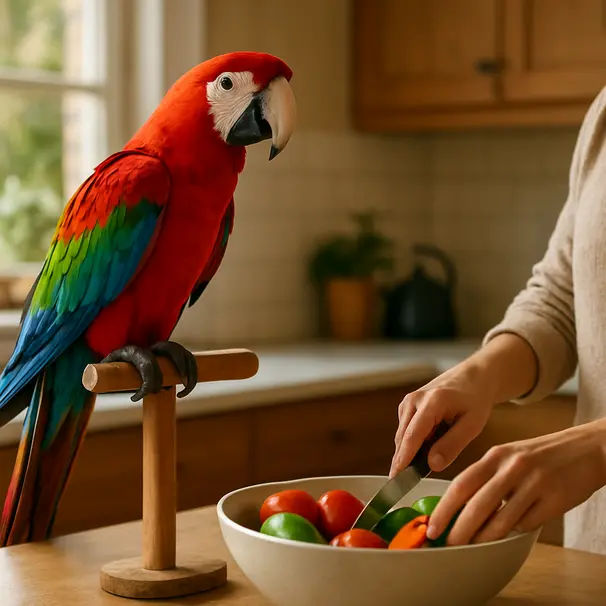
- Birds: fresh fruits, vegetables, pellets, and foraging opportunities can keep them healthy and engaged.
- Small mammals: high-quality pellets plus fresh produce and safe chewables are often a good balance.
Avoid sudden dietary changes. If you need to switch foods, introduce new items slowly over several days and watch for changes in appetite or stool.
Handling, socialization, and training
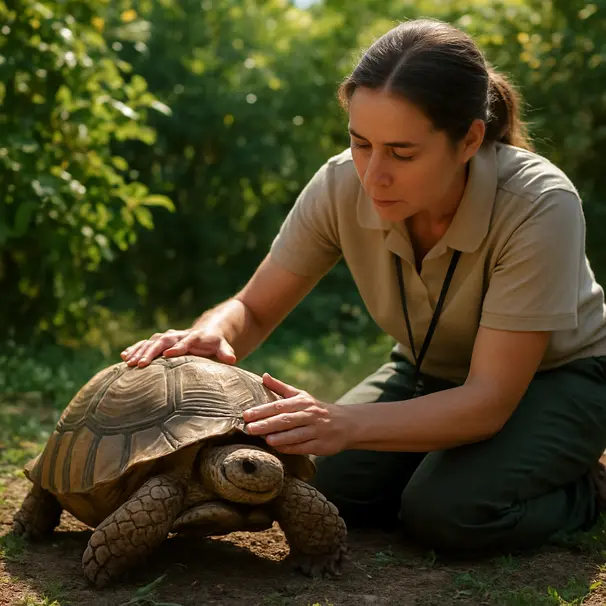
Handling needs vary widely. Some species enjoy gentle interaction, others prefer minimal handling. Start slowly and build trust with consistent, calm interactions.
Tips for safe handling:
- Learn species-specific body language so you can read stress signals.
- Support the animal securely and avoid sudden movements.
- Use treat-based positive reinforcement for training simple behaviors like stepping onto a hand or returning to a travel carrier.
- For social species, plan regular enrichment and companionship, either from humans or compatible conspecifics.
If you’re unsure about handling, seek a trainer or experienced carer who can demonstrate safe techniques. Carers on platforms like Floofy can help with introductions and model handling for you and your family.
Enrichment and mental wellbeing
Enrichment is as important as food and housing. It keeps animals mentally stimulated and reduces stress-related behaviors.
Enrichment ideas:
- For birds: puzzle feeders, foraging toys, and safe branches for shredding
- For reptiles: varied terrain, safe basking platforms, and scent trails to stimulate hunting behavior
- For small mammals: tunnels, nested sleeping areas, and chew toys
Rotate toys and activities to keep things fresh. Even simple changes, like new hiding places or a different feeding routine, can make a big difference. Observe your pet’s reactions and adjust. If an animal loses interest or shows signs of stress, try a different kind of enrichment.
Health, preventative care, and vets
Exotic pets may need vets with specific experience. Regular wellness checks can help catch issues early. Avoid making medical claims; instead, consider regular check-ups and ask a vet about vaccination and parasite prevention schedules relevant to your species.
Practical health reminders:
- Find an exotic or wildlife-experienced veterinarian and keep their contact handy.
- Schedule annual or biannual wellness exams, depending on the species.
- Keep a simple medical record with weight, appetite changes, and behaviors.
- Know baseline behaviors so you can spot subtle changes quickly.
If your pet seems off, consult a vet promptly. Sudden changes in eating, activity, or bathroom habits can signal something that needs professional attention.
Safety and legal responsibilities
Some exotic species are regulated or banned in certain areas. Check local laws before adopting. You may need permits or special enclosures. Also be mindful of wildlife risks; never release an exotic pet into the wild. Released animals can suffer and may harm local ecosystems.
Home safety tips:
- Secure enclosures and double-check locks
- Keep toxic plants, household cleaners, and human medications out of reach
- Teach children respectful, calm interaction methods
- Have a plan for emergencies, including escape protocols and emergency contacts
Finding trusted carers and community support
When you need a sitter or help, trusted carers make a big difference. Look for carers who have direct experience with your species, strong references, and clear communication. A trial meet-and-greet can reveal how well they handle your pet and follow routines.
Questions to ask a prospective carer:
- Have you cared for this species before? Can I contact references?
- How would you handle an emergency or a sudden behavior change?
- Are you comfortable administering medications or specialized feeding routines?
- Are you insured or bonded for pet care services?
Share a written care plan with any carer. Include feeding schedules, heating and lighting instructions, enrichment ideas, vet contact details, and clear steps for emergencies. Consider leaving a short video showing daily routines and handling cues. That personal touch helps carers match your style and keeps your pet calm.
Practical checklists you can use today
Daily checklist:
- Fresh water check and refill
- Temperature and humidity quick read
- Visual health scan for unusual behavior or appetite
- Enrichment activity or toy rotation
Weekly checklist:
- Clean food and water containers thoroughly
- Spot-clean substrate and remove waste
- Check lighting and heating equipment for wear
Monthly checklist:
- Deep clean of the enclosure according to safe cleaning methods
- Weight and record your pet’s body condition
- Review diet and enrichment progress
Emergency kit essentials:
- Contact info for your exotic vet and emergency clinic
- A small first aid kit suitable for your species
- Transport carrier in good condition
- A recent photo and written notes on diet and routine
Final thoughts and the joy of learning together
Exotic pet keeping is a continuous learning process. Each animal is an individual, and care routines often evolve as you and your pet get to know each other. Be patient, stay curious, and reach out to experienced keepers and vets when questions arise. A supportive community and trusted carers can lighten the load and enrich your pet’s life.
If you’re using a pet care platform, take advantage of reviews, sitter profiles, and the ability to schedule meet-and-greets. Those small steps build trust and give your exotic friend the consistent, loving care they deserve.
A checklist to leave with a carer:
- Daily feeding amounts and times
- Lighting and heating schedule with exact temperatures
- Favorite calming behaviors and known stress triggers
- Vet contact and emergency plan
- Location of medical supplies and keys
Thanks for giving unique animals a loving home. With good preparation, regular care, and trusted support, exotic pets can thrive and become wonderful companions. Keep learning, keep observing, and enjoy the surprises these special animals bring into your life.