

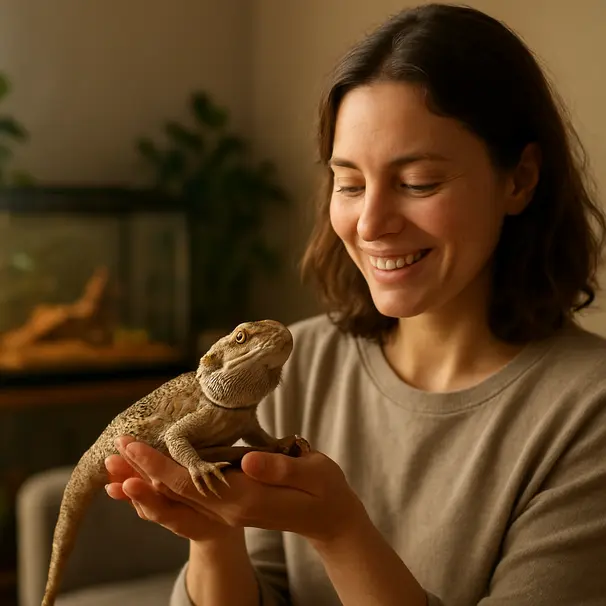
Welcome to the wonderful world of exotic pets
Bringing an exotic pet into your life is a joyful, slightly unconventional choice. These animals can be rewarding companions, full of personality and curiosity. They may need different care from cats and dogs, though, and a bit of research goes a long way. This guide is for new owners and pet carers who want practical, friendly advice on making life comfortable and safe for reptiles, amphibians, small mammals, birds, and invertebrates.

Before you commit: choosing the right exotic companion
Choosing an exotic pet is more than picking something cute. Think about time, space, budget, and your local laws. Some species need constant temperature control, others live for decades, and some are better suited to experienced caretakers.
- Research species-specific needs. Look for credible sources such as herpetological societies, avian veterinarians, and experienced carers.
- Consider lifespan. Parrots can live many decades, while some small rodents have short lives. Your long-term commitment should match the pet�s expected lifespan.
- Assess your home. Do you have the space for an aviary, the setup for a large tortoise, or a secure terrarium for a snake? Noise, smell, and escape risk matter.
- Check local rules. Some places restrict certain reptiles, birds, or non-native species. Make sure you can legally own your chosen pet.
Practical test: imagine a typical week. Who will maintain the habitat, manage feeding, and provide enrichment? If you plan to use pet carers, factor their comfort and experience with the species into your choice.
Setting up a safe, happy habitat
A suitable habitat is the foundation of good exotic-pet care. Temperature gradients, humidity, lighting, substrate, and hiding spots all influence health and behavior. Rather than guessing, create a checklist based on your species.
- Temperature and humidity: Many reptiles need a warm basking spot and a cooler side to thermoregulate. Amphibians often require higher humidity. Use reliable thermometers and hygrometers, and consider automatic controllers for stability.
- Lighting: UVB lighting can be essential for vitamin D synthesis in some reptiles and tortoises. Birds need full-spectrum light for well-being. Replace bulbs on the manufacturer�s schedule for consistent output.
- Substrate and furniture: Choose substrate that is safe and easy to clean. Provide branches, hides, and perches that match natural behaviors. For burrowing species, allow depth and structure for digging.
- Enclosure security: Escapes are stressful for pets and owners. Ensure lids and doors are secure, especially for curious parrots and agile reptiles.
- Cleanliness: Create a cleaning routine. Spot clean daily and do deeper cleans on a regular schedule that won�t disrupt the pet�s sense of security.
Practical tip: set up a backup power plan for heating and lighting in winter or during outages. A small, battery-powered heater or an insulated enclosure can help short-term, and your local carers should know your emergency plan.
Nutrition basics: what to feed and how often
Feeding exotic pets can be straightforward or complex. Aim for balanced nutrition and safe feeding practices.
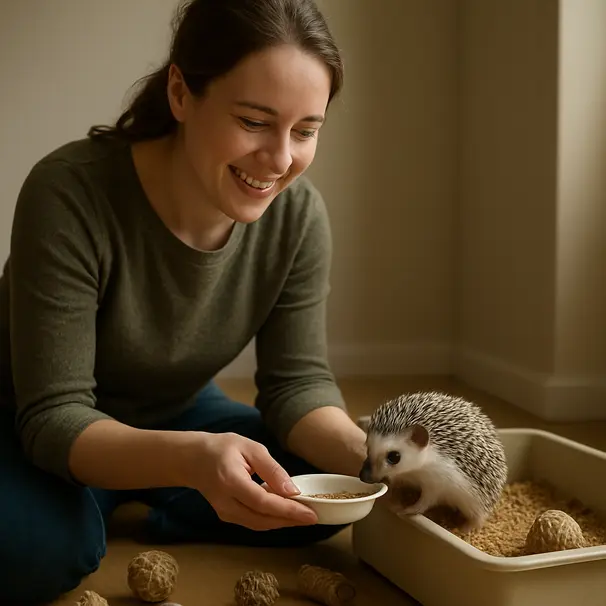
- Know the diet: Research what the species eats in the wild and use that as a starting point. Some reptiles eat a mix of insects and greens, while others are strict herbivores or carnivores. Birds may need formulated pellets plus fresh produce.
- Variety matters: Offering a range of safe foods can promote health and natural foraging behaviors. For insectivores, gut-loaded insects and calcium dusting can help provide nutrients.
- Avoid common toxins: Some household foods, plants, and seasonings are harmful to exotics. If you introduce new foods, double-check safety.
- Feeding schedules: Juveniles often need more frequent feedings than adults. Create a visible schedule for anyone who cares for your pet to reduce mistakes.
Consult a vet for tailored advice. If you�re working with a pet carer, provide clear instructions, portion sizes, and brand names of preferred foods. A simple feeding log can prevent miscommunication.
Handling, socialization, and stress reduction
Exotic pets vary in tolerance for handling. Some love gentle interaction, others prefer minimal contact. Respect the animal�s signals and take small steps.
- Read body language: Learn the signs of stress and contentment for your species. Avoid forcing interaction if the animal is showing defensive behavior.
- Gradual introductions: Start with short, calm interactions and build up over time. Use consistent routines so the pet learns what to expect.
- Safe handling techniques: Use species-appropriate methods. For example, support a bird�s body firmly but gently, or use gloves and tools recommended for certain reptiles.
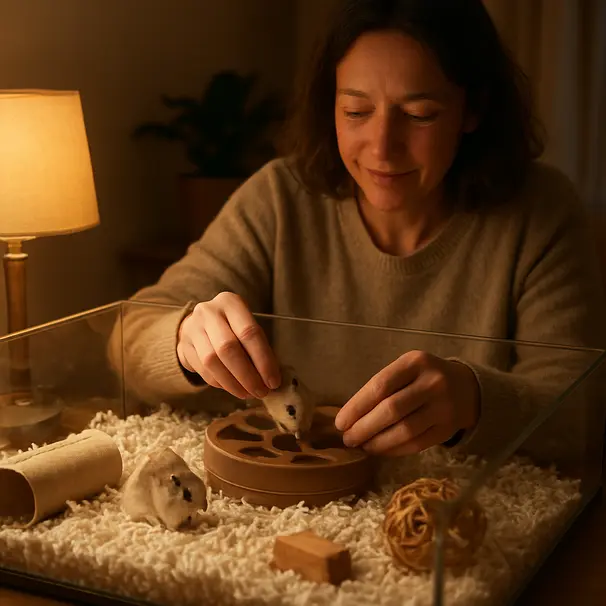
- Enrichment: Provide toys, foraging opportunities, and sensory stimulation. Enrichment reduces boredom and unwanted behaviors.
If a pet dislikes frequent handling, that�s okay. Many exotic species are happiest with quality interactions rather than constant touch. Communicate handling preferences clearly to carers and housemates.
Health basics and when to call a vet
Exotic pets can hide illness until it becomes serious. Regular checks and preventive care can help catch problems early.
- Watch for changes: Appetite, activity level, shedding, droppings, or breathing changes may signal health issues. Keep a simple journal of normal behavior to spot differences.
- Routine wellness: Some species benefit from periodic checkups with an exotics-savvy vet. Parasite screening, weight checks, and nutritional assessments may be helpful.
- Emergency signs: Loss of appetite, severe lethargy, breathing difficulty, or bleeding warrant prompt attention. If you�re unsure, call a vet or an experienced carer for guidance.
Avoid making medical claims. Consider a vet consultation for any concerning signs. Your pet carers should know your preferred clinic and emergency contact details.
Safety for you and your pet
Some exotic pets have specific risks you should manage. Responsible ownership protects both the animal and your household.
- Zoonotic considerations: A few species can carry pathogens that affect people. Practice good hygiene after handling, such as handwashing, and keep habitats away from food prep areas.
- Bite and scratch prevention: Teach children and visitors how to interact safely. Use signage or simple rules when carers visit.
- Escape prevention: Secure windows, vents, and gaps. For outdoor enclosures, predator-proofing and shade are important.
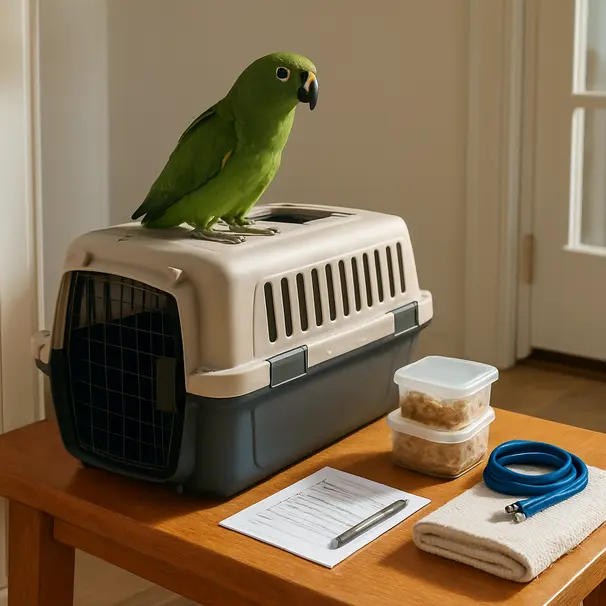
- Transport safety: Use species-appropriate carriers and minimize stress during travel. Share transport guidance with carers who might move your pet.
Working with pet carers: communication and trust
If you use pet carers, clear communication is key. A friendly, detailed handover helps carers provide consistent care and feel confident.
- Create a care sheet: Include feeding schedules, habitat settings, favorite hiding spots, known quirks, vet contact, and emergency instructions. Keep it concise and easy to follow.
- Show, don�t just tell: A walkthrough of the enclosure and a short demonstration of feeding or handling can be invaluable. Watch a new carer do the routine once, so you can correct gently.
- Leave supplies and backups: Keep extra food, batteries, and cleaning materials on hand. Label everything clearly, including expiration dates for perishable items.
- Check-ins and notes: Ask carers to leave short notes about behavior, appetite, and any changes. Photos can help if a vet needs to be consulted.
- Respect boundaries: Some carers may be experts with certain species, others are generalists. Match carers to pets thoughtfully and offer training or resources if you both want to expand the carer’s skills.
Social homes and multi-pet households
If you have multiple pets or your carers bring other animals into the home, plan introductions carefully.
- Separate spaces at first: Keep new animals in their own enclosure until health checks are complete and you�re confident in compatibility.
- Gradual exposure: Visual or scent introductions may ease the transition. Watch for stress signals and separate pets if needed.
- Supervised interactions: Never leave animals unsupervised until you know they are safe together. Some species may view others as food, competitors, or threats.
Travel, boarding, and temporary care tips
Travel and boarding require extra planning. Exotic pets often need consistent environmental controls and quiet.
- Choose a specialist: If boarding is necessary, seek caretakers or facilities with experience in your species. Ask about how they manage temperature, feeding, and emergencies.
- Trial overnight stays: A short trial can reveal any issues with stress, feeding, or routine changes.
- Pack detailed notes: Include a clear care sheet, medical history, and any calming items from home. Leave emergency contact numbers and permission to seek vet care if needed.
Final thoughts: patience, preparation, and partnership
Owning an exotic pet is a learning journey. Patience, steady routines, and good communication between owners and carers make life better for everyone. Expect some trial and error, celebrate small successes, and lean on the community of experienced keepers and vets. Your pet isn�t asking for perfection, just predictable care, gentle handling, and an environment that lets natural behaviors shine.
If you�re new to a species, consider joining local clubs or online forums focused on husbandry. These communities often share practical tips, trusted vet recommendations, and support for finding reputable supplies. And when you hire a pet carer, choose someone who listens, asks good questions, and shares your affection for the animal.
Caring for an exotic pet is as much about curiosity as it is about responsibility. With the right preparation, thoughtful routines, and a reliable support network, you and your pet can enjoy a rich, rewarding life together.