


A gentle welcome to small pet ownership
Bringing home a tiny companion is one of the most rewarding things you can do. Small pets like hamsters, guinea pigs, rabbits, rats, and mice each have big personalities packed into small bodies. As a pet carer who has matched countless families with the right set-up, I want to share the practical, friendly tips that make those first weeks easier for both of you.
Choosing the right small pet for your life
Picking the right species matters more than picking a cute face. Think about your schedule, living space, and how hands-on you want to be. Some quick guides:
- Hamsters: Mostly solitary, active at night, need a secure habitat and tunnels.
- Guinea pigs: Social and vocal, they thrive with a companion and regular handling.
- Rabbits: Affectionate and trainable, they need room to hop and chew-safe spaces.
- Rats: Smart and people-oriented, they enjoy puzzle toys and gentle interaction.
Spend time reading breed-specific traits and talk to carers or rescue volunteers. Consider fostering first if that option is available. Fostering gives you real experience without a long-term commitment.
Home base: setting up safe, comfy housing
A great enclosure is the foundation of a calm pet. Size matters, ventilation matters, placement matters. Aim for the biggest safe space you can provide.
- Flooring and bedding: Use absorbent, dust-free bedding. Avoid cedar or pine shavings, which can irritate sensitive lungs. Consider paper-based or fleece linings for comfort.
- Enclosure type: Taller cages suit climbers like rats and mice. Flat, wide spaces are better for guinea pigs and rabbits who need room to run. Aquariums hide airflow issues, so prioritize wire-top cages or exercise pens with secure bases.
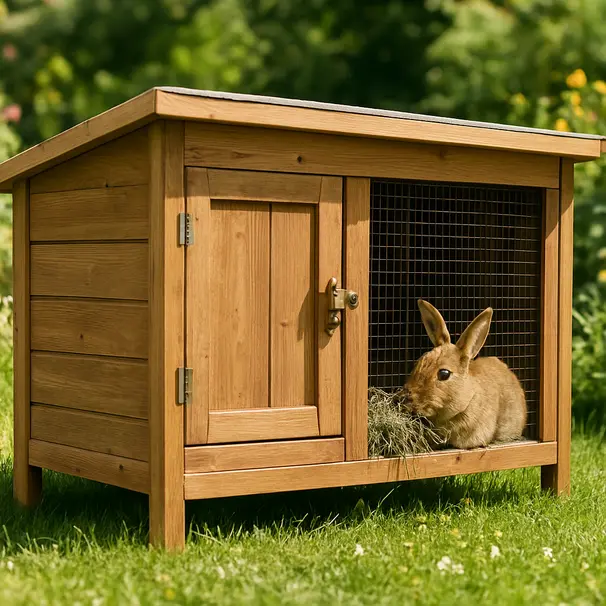
- Hiding spots: Every small pet needs a quiet hideaway. Cardboard boxes, igloos, or wooden huts can reduce stress.
- Temperature and location: Keep cages away from direct sunlight, drafts, and loud appliances. A stable, comfortable room temperature can help pets sleep and eat well.
Small touches can make a huge difference. Soft nesting, a couple of chew-safe toys, and a consistent location in the home will help your pet settle faster.
Food, water, and feeding routines
Diet changes can unsettle small pets, so create a predictable routine. Check species-specific advice and consider consulting a vet for unusual needs.
- Pellets or mixes: Many small pets benefit from a species-appropriate pellet or formulated diet. Avoid mixes heavy in seeds or sugary treats for animals like guinea pigs that need a high-fiber intake.
- Fresh vegetables: Introduce vegetables gradually. Leafy greens like romaine, cilantro, and dandelion greens can be great for guinea pigs and rabbits. Start with small portions to observe digestion.
- Hay: For many herbivores, good-quality hay is essential. It helps digestion and wears down teeth naturally.
- Water: Use a cleaned bottle or heavy ceramic bowl, and refresh water daily. Check bottles regularly, since blockages can leave a thirsty pet without water.
Feeding at roughly the same times each day gives pets a sense of routine. This also makes it easier to notice changes in appetite, which can be an early sign of a problem.
Handling, trust, and gentle introductions
Slow and steady wins the trust race. Your small pet will likely be curious but cautious on day one.
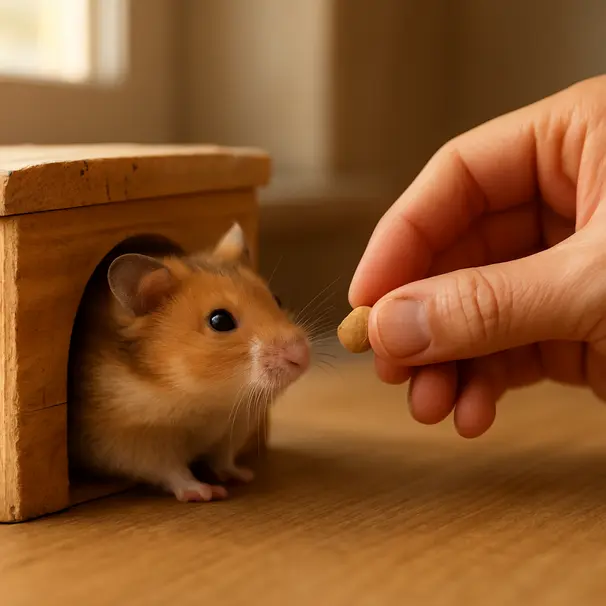
- Let them come to you: Sit quietly near the enclosure and offer a small treat. Let the pet approach on its own terms.
- Cup and scoop technique: For many tiny animals, scooping them in your hands rather than grabbing from above feels safer. Support their hind end and move slowly.
- Short, calm sessions: Multiple short interactions are better than one long stressful event. Keep first handling sessions under five minutes, then build up.
- Watch body language: Flattened ears, frozen stillness, or sudden lunges mean it is time to pause. Relaxed chewing, gentle climbing, or exploring indicate comfort.
Remember that each animal has its own timeline. Patience, consistency, and a calm voice can do wonders.
Grooming and routine health checks
Grooming is more than aesthetics, it is a chance to bond and spot issues early. Establish a weekly routine you both can enjoy.
- Coat checks: Look for mats, thinning fur, or redness. Long-haired breeds may need daily brushing.
- Teeth and nails: Small pets’ teeth grow continuously. Provide safe chew toys and wooden blocks to help wear them down. Nails may need trimming by someone experienced if they curl.
- Skin and ears: Check for mites, flaky skin, or waxy ears. A little wax can be normal, but excessive debris or scratching may need a vet consult.
Grooming can be soothing for you and your pet. Use quiet, reassuring movements and offer a treat afterwards.
Enrichment and exercise: avoiding boredom
Curiosity keeps small pets happy. Boredom can lead to over-grooming, chewing inappropriate things, or reduced appetite.
- Foraging: Hide small treats or scatter veggies in safe bedding to encourage natural searching behavior.
- Toys: Rotate chew toys, tunnels, and puzzle feeders to keep the environment stimulating.
- Floor time: Supervised time outside the cage in a pet-proofed area gives space to run and explore. Use a playpen for rabbits and guinea pigs.
Schedule daily play and exploration. A few short sessions each day will usually beat a single long one.

Safety and pet-proofing your home
Small pets are excellent escape artists and enthusiastic chewers. A quick safety sweep can prevent accidents.
- Hide cords and cables: Use cord covers or tuck cords behind furniture. Curious nibblers might try to chew them.
- Secure gaps and holes: Block gaps under furniture and around radiators where small animals can get stuck.
- Household toxins: Keep cleaning products, houseplants, and certain human foods out of reach. If unsure about a plant, look it up or ask a vet.
- Supervised interaction with other pets: Bigger pets like dogs and cats might seem friendly, but always supervise interactions closely and introduce slowly in a calm environment.
A little prevention can avoid stressful vet visits and keep the home peaceful for everyone.
Finding and working with a trusted pet carer
Even committed owners need help sometimes. Whether you need a sitter for a day or care during travel, finding someone reliable is key.
- Start early: Ask for recommendations, read reviews, and interview potential carers before you need them.
- Meet-and-greet: Invite the carer over so your pet can get familiar in its own environment. Watch how the carer handles your animal and how the pet responds.
- Emergency plans: Share vet contact details, dietary preferences, favourite hiding spots, and any health quirks.
- Trial run: Book a short visit before a longer sitting job. This helps reduce stress for everyone.
Good carers will ask thoughtful questions, follow your routine, and send updates so you can relax while you are away.
Spotting early warning signs and when to contact a vet
Small animals can hide illness well. A quick call to your vet is a sensible step if you notice subtle changes.
- Appetite changes: Eating less for more than a day may be cause for concern, especially for rabbits and guinea pigs.
- Lethargy or hiding: If your pet is much less active, that could be a sign that something is wrong.
- Changes in droppings: Small animals produce species-specific stools. Fewer droppings, runny droppings, or strange shapes can mean digestive upset.
- Breathing or movement changes: Noisy breathing, persistent sneezing, or limping should be checked.
Use cautious language with yourself. A vet can help assess symptoms, and some conditions are easier to treat when caught early.
Travel and moving tips for small pets
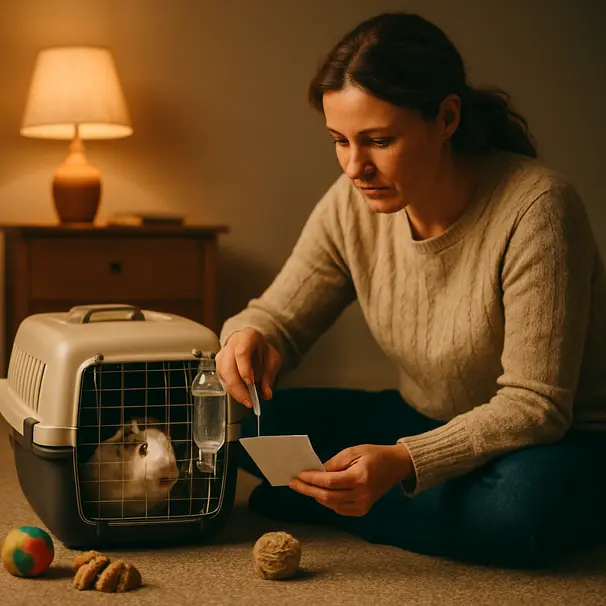
Travel can be stressful, but planning helps. Choose a carrier that offers ventilation and security. Line the carrier with familiar bedding and a small hide to reduce stress.
- Short trips: Feed and refresh water before travel. Avoid loud music and sudden stops.
- Longer moves: Gradually introduce the carrier at home before using it for travel. Use calming routines you already practice.
If you plan international travel or long relocations, check species-specific regulations and talk to a vet about health certificates and transport recommendations.
A simple starter checklist
- Appropriate cage or pen, prepared with bedding and hide.
- Species-appropriate food, hay, and a fresh water source.
- At least one safe chew toy and an exercise plan.
- Grooming basics: brush, nail clippers, and safe bedding.
- Vet contact, emergency plan, and a list of trusted carers for backup.
Keep this checklist near the cage so anyone helping can follow your routine.
Final thoughts from a pet carer
Small pets give endless joy with a bit of predictable care and thoughtfulness. Take your time learning your pet’s quirks, and keep connections with local carers and vets. Most importantly, enjoy the tiny moments: the soft snuffle of a content guinea pig, a curious whisker twitch, or that first brave hop across a new floor. These are the memories that make the effort worthwhile.
If you ever feel unsure, reach out to an experienced carer or your vet. A little advice early on can make a big difference for you and your new friend.