

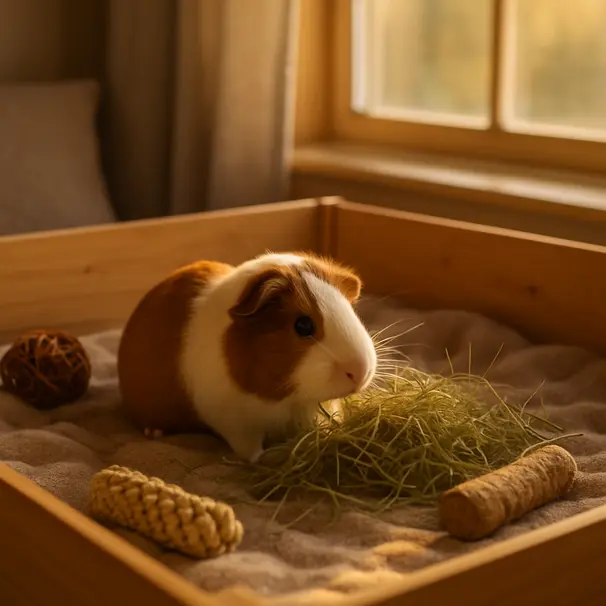
Welcome to the small-pet family
Congratulations, you little flutter of joy. Choosing a small pet is a wonderful decision, and it comes with a mix of excitement and responsibility. This post is a friendly, practical guide for first-time owners and carers, packed with tips that make daily life easier, and keep your new companion comfortable and safe.
Small pets—hamsters, gerbils, mice, rats, guinea pigs, chinchillas, degus, and rabbits—each have unique needs. Read through these sections, take notes, and don’t be afraid to ask questions of experienced carers or a veterinarian. A little preparation goes a long way.
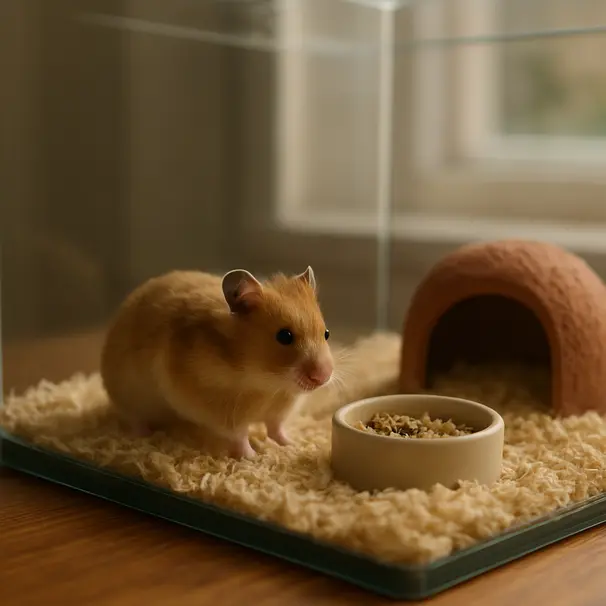
Choosing the right pet for your life
Start by matching pet personalities and care needs to your home, schedule, and budget.
- Space and lifespan: Hamsters might fit a small apartment, while guinea pigs and rabbits need more room and longer-term commitment. Rabbits can live 8 to 12 years and sometimes longer, so think beyond the first adorable weeks.
- Activity levels: Some rodents are nocturnal or crepuscular, which means they’re most active at dusk and dawn. If you prefer daytime interaction, look for species that are naturally active during the day.
- Social needs: Guinea pigs and rabbits often thrive with a companion. Hamsters, particularly Syrian hamsters, are solitary and may fight if housed together. Consider pairing only when species-appropriate.
- Allergies and family: If someone in your home has allergies, spend time with the animal type first. Also, introduce kids gently and supervise interactions.
Visit shelters, small-pet rescues, or trusted breeders. Observing the animal’s behavior and the facility’s cleanliness can tell you a lot about long-term care.
Preparing your home: safe housing and supplies
The right home is the foundation of good care.
- Cage and enclosure basics: Choose a cage or pen tailored to the species. Wire cages with solid floors are often best for ventilation, but wooden or plastic hutches may need extra cleaning and chew-proofing. Bigger is almost always better. Provide hiding spots, nesting material, and a solid, comfortable floor surface.
- Bedding and substrate: Use dust-extracted paper bedding, aspen shavings, or other species-appropriate materials. Avoid cedar and pine, which may irritate respiratory systems. Change bedding regularly to keep ammonia levels low.
- Food and water dishes: Heavy ceramic bowls reduce tipping. Water bottles are convenient, but check flow and cleanliness daily. Some small pets also enjoy a shallow water bowl occasionally.
- Temperature and drafts: Most small pets prefer stable indoor temperatures. Avoid placing cages in direct sunlight or near drafty windows and air vents. Sudden temperature swings can stress a tiny body.
- Safety checks: Small pets are curious and good at escaping. Secure wiring, hide electrical cords, and block gaps around furniture. Supervise floor time, especially in multi-pet homes.
Shopping tip: Buy a few trusted basics before bringing your new pet home—safe bedding, food, hide houses, and a carrier for transport. It helps the transition feel calm.
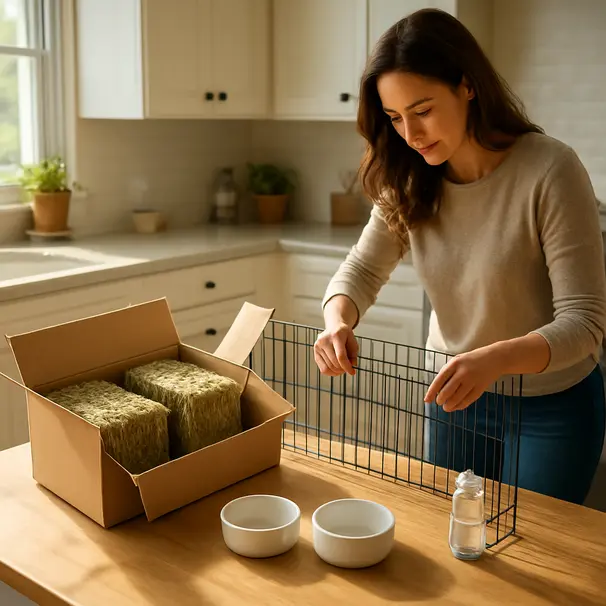
Feeding and health basics
Good nutrition and simple health routines are the pillars of longevity.
- Species-specific diets: Pellets, hay, fresh vegetables, and occasional treats form the backbone of most small-pet diets, but proportions vary. For example, guinea pigs need a constant supply of hay and vitamin C, while chinchillas need high-fiber pellets and limited fresh greens. Consider each species’ digestive quirks before you buy food.
- Fresh water and hay: Replace water daily and ensure hay is plentiful and clean. Hay provides both nutrition and dental wear for many species.
- Treats: Offer small amounts of fruits and commercial treats occasionally. Too many sugary treats can cause digestive upset or weight gain.
- Monitoring health: Look for bright eyes, clean ears, steady breathing, normal eating, and active behavior. Changes in appetite, droppings, or grooming habits may signal an issue. For any sudden or worrying signs, consider consulting a vet.
- Veterinary care: Find a veterinarian who understands small mammals and exotic pets. Consider an initial wellness check after adoption. Preventive care can detect dental problems, parasites, and other issues early.
Note on medical information: This is general guidance. For specific health concerns, please consult a qualified veterinarian.
Handling, bonding, and socialization
Bonding with a small pet takes patience. Little steps add up to big trust.
- First days at home: Let the pet explore their new surroundings while you sit nearby and speak softly. Offer treats through the bars or through the cage door to build positive associations.
- Slow, predictable interactions: Use calm movements and avoid sudden reaching. Crouch at their level, offer a treat on your palm, and allow them to approach. Short, frequent sessions are more effective than long, stressful ones.
- Picking up safely: Learn species-appropriate handling. Support the body fully, keep the animal close to your chest to prevent falls, and use a towel if the pet is nervous. Never pick up a rabbit by the ears. If you’re unsure, ask an experienced carer to demonstrate.
- Social needs and companionship: Some species benefit from same-species pairs or groups. Introductions should be slow and supervised, ideally neutral territory. If you plan to pair animals, research compatible gender combinations and consider spaying or neutering when appropriate.
- Enrichment: Rotate toys, chewing blocks, tunnels, and hideaways. Foragers and puzzle feeders can help keep a curious mind occupied. Simple things like a cardboard box, untreated wood blocks, or a paper towel roll can be delightful play items.

Grooming, cleaning, and routine care
A clean environment and regular grooming keep pets healthy and comfortable.
- Cage cleaning schedule: Spot-clean daily, removing soiled bedding and droppings. Deep clean weekly with pet-safe cleaners, fresh bedding, and sanitized toys. A consistent schedule reduces smells and keeps bacteria at bay.
- Grooming basics: Short-haired small pets may need occasional brushing. Long-haired breeds require more frequent grooming to prevent matting. Trim nails carefully, and if you’re unsure, have a professional or experienced carer show you how.
- Dental care: Many small mammals’ teeth grow continuously. Provide chew toys and hay to encourage natural wear. If you notice drooling, difficulty eating, or uneven tooth wear, seek veterinary advice.
- Litter training: Some small pets can learn to use a litter box, which simplifies cleaning. Start by placing a shallow box in a favored corner and using toys and treats to encourage use.
Practical tip: Keep a care checklist near the cage. It helps household members stay consistent on feeding, cleaning, and vet appointments.
Finding help: choosing carers, sitters, and vets
Floofy is all about trusted connections. When you need a sitter or a grooming expert, you want someone reliable.
- Vet selection: Look for vets who list small mammal or exotic experience. Ask about emergency protocols, fee structures, and vaccination or parasite prevention advice.
- Choosing a sitter or carer: Ask for references, reviews, and a meet-and-greet before the booking. Show them how to handle the pet, explain feeding routines, and leave written checklists.
- Emergency planning: Leave detailed instructions, including vet contact info, medications, food preferences, and behavior notes. Make sure your carer knows what to do if a problem arises.
- Transportation: Use a secure carrier for vet visits and travel. Line carriers with soft bedding, and avoid loud, stressful conditions as much as possible.
Bonus: Many carers appreciate a quick orientation video or a step-by-step guide. It reduces stress for both the sitter and your pet.
Troubleshooting common first-time issues
Problems pop up, but most are solvable with calm observation.
- Not eating: A reduced appetite for a day can happen with stress. Offer favorite foods and keep the environment quiet. If it lasts more than 24 hours, consult a vet.
- Hiding or skittish behavior: New environments make small pets nervous. Give them time, maintain a steady routine, and use gentle encouragement.
- Litter box accidents: Reassess box placement and size. Be patient and reward small successes.
- Overgrown teeth or nails: Regular checks will catch these early. If you’re uncomfortable trimming, ask a vet or experienced carer for help.
- Housing chewing or escape attempts: Double-check enclosure security. Provide extra chew toys, and make sure the animal has enough space and stimulation.
Keep a log of behaviors, food intake, bowel movements, and interactions for the first few weeks. It helps spot patterns and is handy information to share with a vet or carer.
Simple safety checklist for new owners
- Secure enclosure with no gaps
- Species-appropriate bedding and diet
- Fresh water available at all times
- Vet contact and emergency plan ready
- Supervised handling and safe play areas
- Regular cleaning routine
Final thoughts and gentle reminders
Bringing a small pet into your life is a joyful, rewarding experience. Your new friend will thrive with patience, routine, and a little creativity. Celebrate the small moments—the first time they nibble a treat from your hand, or when they explore a new tunnel with bright eyes.
Remember to be flexible. What works for one animal may not suit another. Keep learning, ask questions of experienced carers, and schedule periodic check-ins with a vet. A supportive community, like the carers and pet lovers on Floofy, can make a huge difference.
Thank you for choosing to open your home to a small pet. With steady care, gentle handling, and a warm place to rest, you’ll build a lovely bond that lasts. Happy pet parenting!