

Flying with dogs: stress-free travel tips
Traveling with a dog can feel like a big adventure, and it can also feel a little overwhelming. With some thoughtful planning, gentle training, and a calm mindset, you can make flying less stressful for both you and your pup. This guide covers everything from paperwork and crate prep to airport routines and on-board comfort, with practical tips you can use today.
Is flying the right choice for your dog?
First, pause and ask if air travel is really the best option. Young puppies, very old dogs, brachycephalic breeds such as pugs and bulldogs, and dogs with known medical issues may find flying more stressful or risky. Consider if a road trip, train, or leaving your dog with a trusted carer could be gentler. If you decide to fly, schedule a vet check, and discuss concerns you may have. Vets can confirm fitness to fly and may give specific advice tailored to your dog’s needs.
Paperwork, rules and timing
Airlines have different rules for pet travel, so check the specific carrier’s policy early. Key items to verify include:
- Accepted breeds and size or weight limits.
- Whether your dog can travel in-cabin or must go as checked baggage or cargo.
- Required health certificates and timing. Some airlines ask for a vet-signed form within a specific window before travel.
- Vaccination records, microchip details, and any destination-specific paperwork for international trips.
Book your dog’s spot when you buy your ticket. Many airlines cap the number of pets allowed in-cabin, and cargo space can fill up fast. Keep digital and printed copies of everything, and put your contact info on the carrier and in your dog’s harness or collar.
Choosing cabin versus cargo
Keeping your dog close in the cabin is usually less stressful, and it gives you direct control. In-cabin travel generally suits small to medium dogs that fit comfortably in an airline-approved carrier under the seat. Cargo travel is sometimes necessary for larger dogs, but it may carry more risk and stress. If cargo is the only option, choose direct flights, fly during mild weather when possible, and select airlines with strong reputations for pet care.
Crate training and the right gear
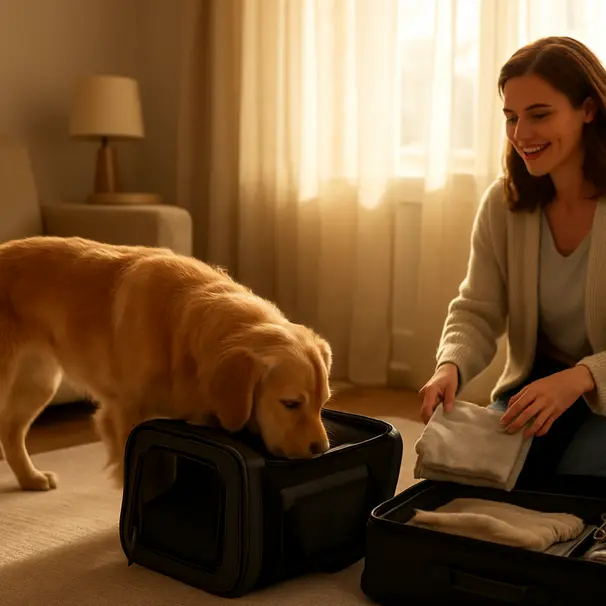
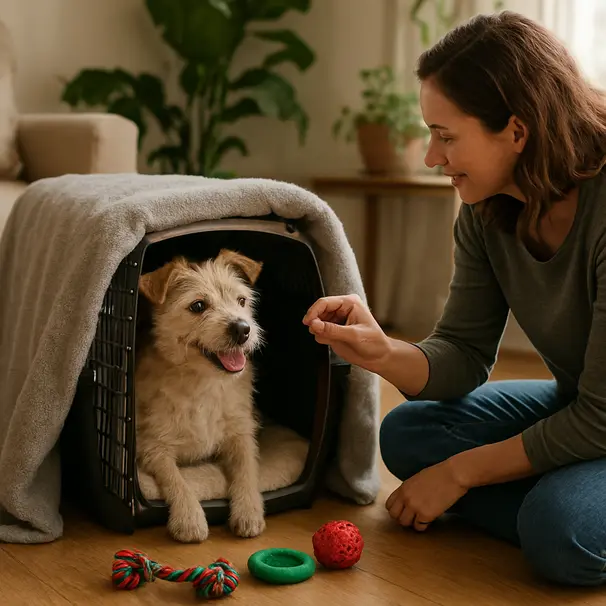
A familiar, secure crate is one of the best tools for air travel comfort. Start crate training weeks or months before the trip, building positive associations slowly.
Crate training tips:
- Make the crate a safe haven. Use soft bedding, a favorite toy, and treats for positive reinforcement.
- Practice short sessions, then longer periods. Put the carrier in the car, and take short drives to help your dog accept movement.
- Teach your dog to enter calmly, use cue words, and reward relaxed behavior.
- Ensure the carrier meets airline size and construction requirements, with good ventilation and a secure latch.
Gear checklist:
- Airline-approved soft-sided or hard-sided carrier that fits under the seat if in-cabin.
- Collar with ID tags, harness, leash, and a sturdy travel water bottle.
- Absorbent bedding, spare blanket, and a portable mat.
- Familiar toys, an item with your scent, and a small bowl for food and water.
Exercise, feeding and fluids before the flight
A tired dog is a calmer dog. Give your dog a good walk or play session before heading to the airport. Avoid a big meal right before departure. Offer a light meal four to six hours before the flight, and provide water up to the time you leave. For long flights, plan how you will offer water during layovers or on the plane. Consider potty breaks at the airport pet relief areas.
If your dog takes anxiety medication or supplements, discuss them with your vet. Some medications may be helpful, while others may not be suitable for air travel. The vet may suggest a plan that balances safety and comfort for your pet.
Airport arrival and security
Give yourself extra time at the airport. Arrive early so you can navigate check-in, security screening, and potty breaks without rushing. Typical steps include:
- Check-in and confirmation that your dog is registered for the flight.
- Security screening where most dogs go through x-ray-free procedures; carriers are usually opened and the dog walked through or carried.
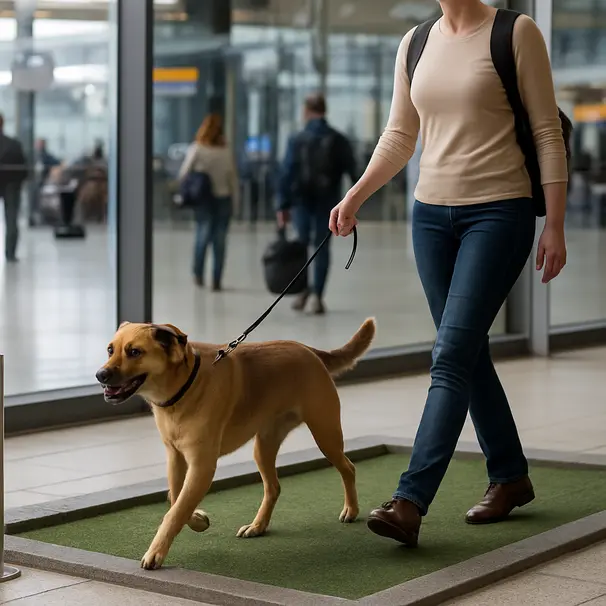
- Use airport pet relief areas before the flight and after security.
Keep your dog on a short leash and wear calm body language. Speak softly and provide reassurance instead of fussing, which can increase arousal. Have treats handy for quick rewards when your dog remains calm.
On the plane: keeping your dog comfortable
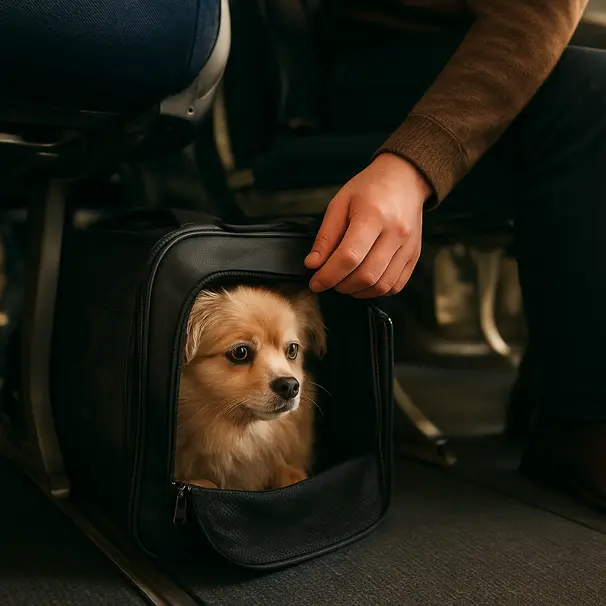
Once you’re settled in, create a cozy space under the seat for your dog. A familiar blanket or a small piece of your clothing can be very soothing. Keep interactions low-key, and offer chews or a safe stuffed toy to encourage relaxed behavior.
Other on-board tips:
- Avoid opening the carrier or removing your dog during takeoff and landing unless required. Follow crew instructions.
- If your dog becomes restless, gentle petting and soft praise can help. Avoid high-energy play.
- Keep water available. For long flights, offer small amounts periodically to prevent choking or stomach upset.
Be polite to your neighbors, and communicate proactively if your dog might be nervous. A short apology and explanation can go a long way toward keeping the mood friendly.
Layovers and long travel days
Long travel days can be tough. Plan layovers with pet-friendly airport options in mind. When possible, choose airports with indoor pet relief areas or outdoor spaces where you can walk your dog. During layovers:
- Offer a short walk and potty break.
- Give a light snack or water, but avoid large meals.
- Provide quiet time in the carrier to allow your dog to rest.
If your trip involves multiple flights, consider splitting travel days with an overnight stay in a pet-friendly hotel. That gives your dog a proper break, a good walk, and more predictable bathroom routines.
Arrival and helping your dog recover
After you land, prioritize a gentle reintroduction to the new environment. Give your dog time to stretch, sniff, and find a quiet spot. A long, calm walk can help them decompress. Monitor your dog for signs of stress or exhaustion, and provide familiar comforts like toys and bedding.
If your dog shows unusual signs such as severe lethargy, vomiting, or difficulty breathing, contact a local vet promptly. For mild signs of anxiety, soothing attention, routine, and rest may help. Consider scheduling a follow-up with your vet after travel if you have any lingering concerns.
Enrichment and comfort tricks for anxious dogs
Simple enrichment can reduce travel stress. Try these ideas:
- Puzzle toys or slow feeders to keep the mind busy.
- A calming scent, such as a worn T-shirt with your smell, placed near the head area in the carrier.
- Short training sessions for focus cues, like a sit or settle, which can provide mental structure.
- Aromatherapy or natural supplements may help some dogs, but discuss with your vet first.
Avoid forcing interactions. Let your dog approach new people and spaces at their own pace.
Using pet carers and Floofy for support
If flying still feels daunting, consider hiring a trusted pet carer for part of the journey. Pet carers can help with airport drop-offs and pick-ups, layover dog walking, or even driving legs of the trip. On Floofy you can find experienced carers who understand travel logistics and who can meet your dog with familiarity and calm.
Tips for working with a carer:
- Introduce the carer to your dog before travel day, if possible.
- Share detailed routines, favorite comforts, and feeding instructions.
- Provide all necessary paperwork and emergency contact details.
- Ask for a meet-and-greet, or request photo updates during the journey if it helps you relax.
A caring, knowledgeable helper can turn a stressful travel day into a smooth transition for your dog.
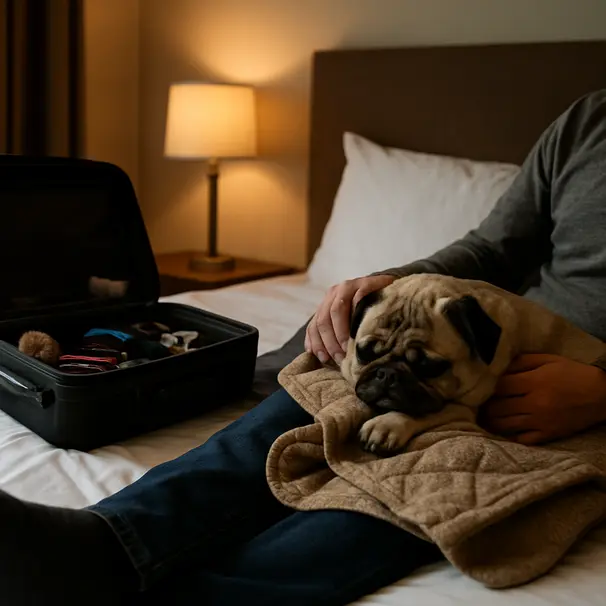
Final checklist for stress-free flights with dogs
- Confirm airline pet policies and book your dog’s spot early.
- Get a vet check and collect any required health certificates.
- Crate-train well in advance, using positive reinforcement.
- Pack a travel kit: documents, medications, bedding, food, water, toys, and cleaning supplies.
- Exercise your dog before the trip and time meals appropriately.
- Arrive at the airport early and use pet relief areas.
- Keep a calm energy, and use quiet praise and treats.
- Monitor your dog after arrival and contact a vet if you notice worrying symptoms.
Quick FAQ
Q: Can I give my dog sedatives for flying?
A: Talk with your vet first. Some medications may not be recommended for air travel, while others may be appropriate in specific cases. Your vet can advise based on your dog’s health and the details of your trip.
Q: How early should I book a pet ticket?
A: As soon as you purchase your own ticket. In-cabin spots and cargo space can sell out. Call the airline to confirm your dog’s reservation.
Q: What if my dog panics in the carrier?
A: Stop and use calm, low voices. Offer a small treat or a familiar toy. If panic continues, consult a vet for behavioral strategies and consider professional training before the next trip.
Parting thoughts
Flying with your dog takes planning, patience, and a little practice. Most importantly, trust your bond. Dogs read your energy, so staying calm and reassuring helps more than you might expect. If you need extra hands, a Floofy pet carer can be a great ally. With the right preparations, your flight can be a smooth chapter in your next adventure together.
Safe travels and happy tails, from all of us at Floofy.