

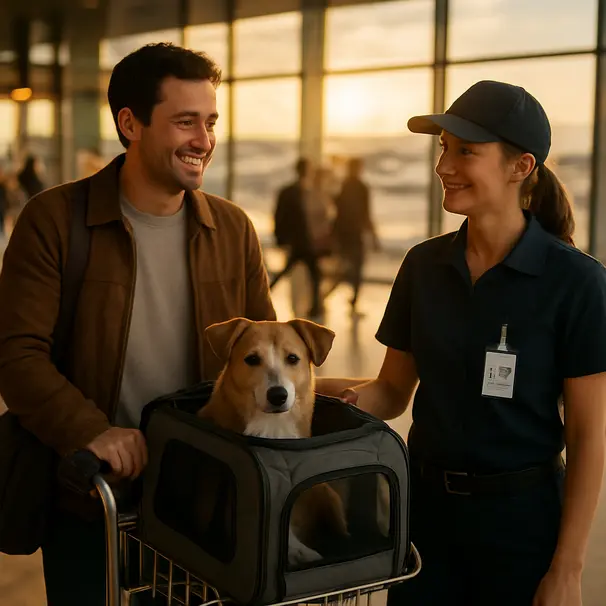
Flying with Pets: Essential Guide for Pet Owners and Pet Carers
Travel can be an adventure for humans and pets alike. For pet owners and pet carers, flying with animals takes a bit more planning, patience, and compassion. This guide walks you through practical steps to keep pets safe, comfortable, and as calm as possible — from booking the flight to that reassuring stretch at the arrival gate.
Before you book
Flying comfortably starts long before boarding. The first thing to do is research your airline’s pet policy. Rules vary wildly between carriers and even between routes. Some key items to confirm:
- In-cabin allowance versus cargo transport, and the maximum weight for in-cabin pets.
- Approved carrier dimensions and whether soft-sided carriers are allowed.
- Breed restrictions, especially for brachycephalic (short-nosed) dogs and cats.
- Seasonal embargoes for hot or cold weather.
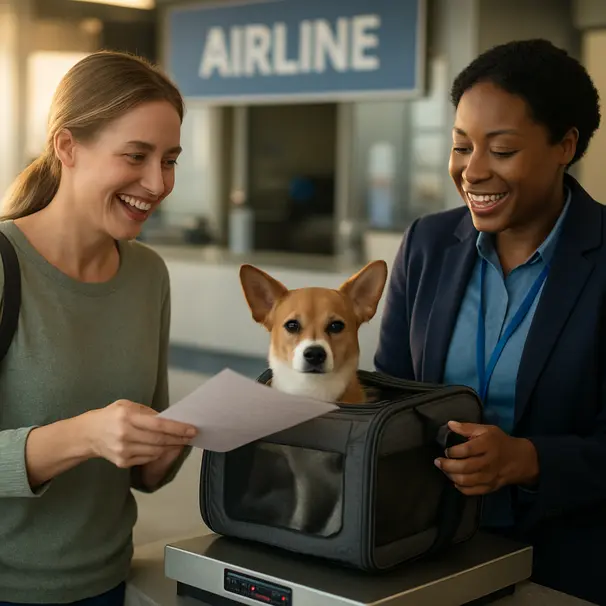
- Required paperwork: vaccination proof, health certificates, microchip information, and international entry rules.
If a pet carer is traveling on behalf of an owner, double-check that permission and documentation are accepted by the airline. Some countries require notarized letters or additional clearances for third-party travel. It’s smart to call the airline directly, and to save confirmation emails or policy screenshots.
Choosing the right flight
Whenever possible, pick a direct flight to reduce stress and the chance of mishandled transfers. Early morning or late evening flights can be cooler for summer travel and help avoid busy daytime hub activity. Nonstop flights reduce the number of times a pet must be handled by airport staff.
Preparing your pet for travel
Pets handle travel better with a gentle training plan. Start slow and build positive associations.
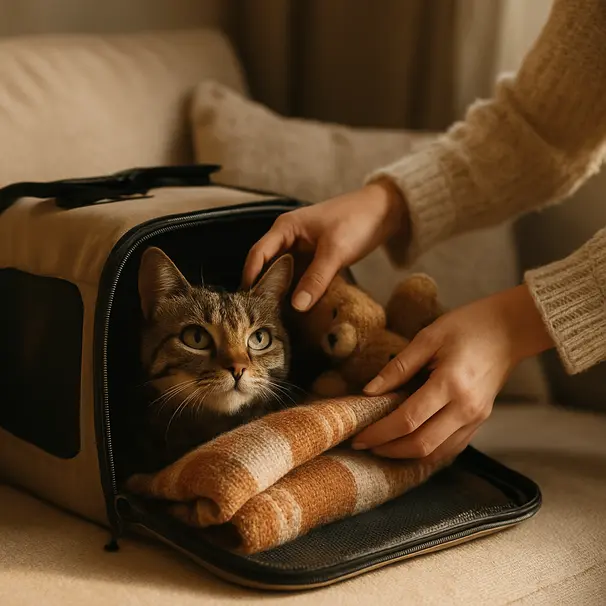
- Carrier familiarity: Leave the carrier out at home with a cozy blanket and treat inside. Let the pet explore it freely before any training that involves closing the door. Toss treats into the carrier so your pet sees it as a safe space.
- Short practice sessions: Take short car trips with the carrier to mimic motion and confinement. Praise and reward calm behaviour.
- Crate training basics: Make the carrier comfortable and big enough for the pet to stand, turn, and lie down. For longer flights, ensure they won’t be cramped.
- Handle desensitization: Practice gentle handling around the neck and paws if the pet needs to be checked or moved through security.
Consider a vet visit before travel. A quick check can help rule out health issues and you can ask about motion sickness options or calming strategies. Use language like “consider” and “may” when discussing medications, and follow your veterinarian’s guidance closely.
Packing the pet’s travel bag
Pack a dedicated kit so nothing gets forgotten. Essentials include:
- Collapsible water bowl and a small bottle of water.
- A favorite blanket or towel that smells like home.
- Two or three familiar toys.
- Extra collar and leash, ID tags with current contact info, and microchip details.
- Clean-up bags and paper towels.
- Copies of health certificates, vaccination records, and any required entry forms.
- A small first-aid kit and any prescribed medications.
Keep treats handy for positive reinforcement during security checks and boarding. Avoid feeding a big meal immediately before travel to reduce motion sickness, but don’t withhold water. Offer small sips on longer journeys.
Carrier choice and crate rules
Use a carrier that meets airline size and safety requirements. For in-cabin travel, carriers usually need to fit under the seat in front of you. Key tips:
- Soft-sided carriers are often allowed in-cabin because they can compress slightly under the seat. Rigid crates may be required for cargo travel.
- Ensure good ventilation on at least two sides of the carrier.
- Test the carrier at home for comfort. Add a non-slip mat and an absorbent pad in case of accidents.
- Label the carrier with the pet’s name, your phone number, and destination details.
If your pet must fly in the cargo hold, discuss climate-controlled options and choose airlines with experienced animal handling. Some carriers offer specialized pet cargo services. Keep in mind that cargo travel can be more stressful for pets, so weigh the risks and benefits carefully.
The day of travel: airport and security
Allow extra time at the airport. Check-in desks often require earlier arrivals for pets.
- Security screening: You will usually carry the pet through the metal detector while the carrier is X-rayed. For dogs and cats that must remain in the carrier, the carrier goes through the scanner and the pet is carried through separately when requested by security.
- Relief breaks: Locate pet relief areas in the terminal as soon as you arrive. Give the pet a chance to stretch, relieve themselves, and hydrate before boarding.
- Keep calm: Pets read your energy. Speak in low, reassuring tones and handle them gently.
Working with pet carers
If a pet carer is assisting, make sure responsibilities are clear. Share a printed checklist, emergency contacts, and a copy of the owner’s authorization. Good communication reduces stress for everyone, especially the pet.
Onboard tips for in-cabin travel
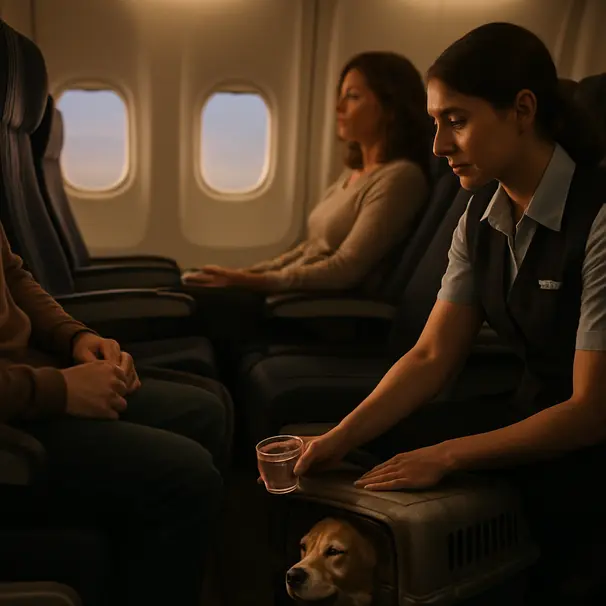
If your pet is flying with you in the cabin, follow these suggestions to keep them settled:
- Keep the carrier closed and under the seat unless the airline allows brief supervised outings. Being enclosed often feels safer for many animals.
- Offer a favorite toy or treat during takeoff and landing to distract and soothe.
- If possible, position the carrier so the pet can see you. Familiar human presence is calming.
- Monitor body language: heavy panting, drooling, or trembling may indicate stress. Calm reassurance helps, but if signs are severe, consult a flight attendant.
Avoid sedatives unless explicitly recommended by your vet. Sedation can affect breathing and temperature regulation at altitude, so it’s best to consider other calming strategies like gentle training, exercise before the flight, and pheromone sprays that may help reduce anxiety.
Food, water, and hydration
Keep feeding light before travel to avoid motion sickness. Offer a small meal several hours prior to departure and a bit of water until boarding time. On long flights, offer water during quieter times, but avoid overhydration.
For long-haul travel, pack an extra supply of your pet’s regular food, especially if you need to feed during an extended layover. Sudden changes in diet can upset a pet’s stomach.
Weather and breed considerations
Certain breeds, especially brachycephalic dogs and cats, can have more trouble with heat and breathing at altitude. Airlines may restrict travel for these breeds or require specific conditions. During very hot or cold weather, airlines may stop accepting pets for cargo travel. Always confirm weather-related policies before booking.
Arrival and settling in
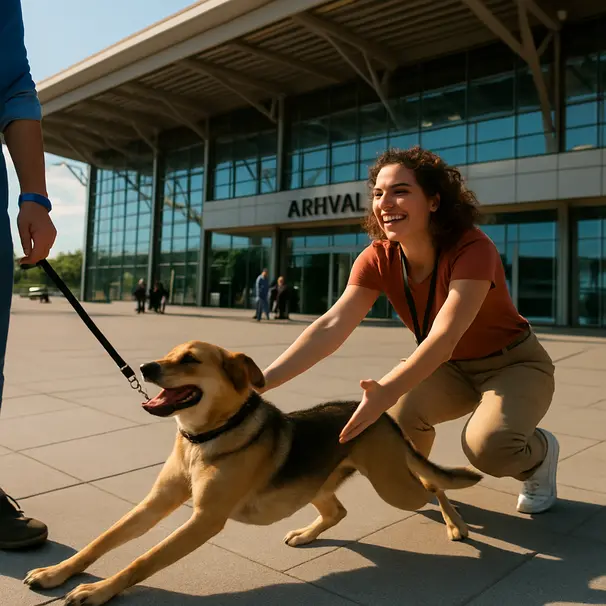
Once you land, your priority is a calm reunion and a gentle reintroduction to the new environment.
- Immediate relief break: Give the pet time to stretch and relieve themselves in a safe area.
- Hydration and a small snack: Offer water first. Keep feeding minimal until the pet has adjusted to the new time zone or location.
- Quiet time: Allow a quiet space to decompress. Even energetic pets can be exhausted after travel and may take longer to show signs of stress.
If you’re a pet carer delivering to a new owner, walk through the arrival plan beforehand. Share any observations about the pet’s behaviour during the journey and hand over paperwork, medication instructions, and favorite routines.
Layovers and international travel
Long layovers add complexity. Plan for pet-friendly transit lounges where possible, and never leave a pet unattended. For international trips, research entry requirements well in advance. Some countries require quarantine, while others need specific vaccinations or blood tests with waiting periods.
Tip: Work with a pet transport specialist for complicated international moves. They can help navigate regulations and reduce surprises.
Common questions from pet carers and owners
- What if my pet shows severe anxiety? Consider contacting the vet for strategies and discuss safe, vet-approved options. Short-term calming approaches like training, familiar items, and consistent routines may help.
- Can I sedate my pet for travel? Ask your veterinarian. Sedation may carry risks and is generally approached cautiously, especially for air travel.
- What happens if a flight is canceled? Try to rebook on the same airline as soon as possible. Keep a list of nearby pet-friendly accommodations and a plan for temporary care if needed.
Practical checklists
Owner checklist before travel:
- Confirm airline pet policy and reserve a spot for the pet.
- Visit the vet for health certificate and advice.
- Pack the pet travel bag and copies of documents.
- Practice carrier training and short car trips.
- Label the carrier with contact details.
Carer checklist for day-of responsibilities:
- Arrive early at the airport with printed documents and a charged phone.
- Maintain calm, steady interactions with the pet.
- Keep the pet hydrated and comfortable, offering breaks when available.
- Communicate clearly with the owner about any changes or concerns.
Final thoughts
Flying with pets can feel like juggling a few extra balls, but with a bit of planning and compassion, it becomes a manageable, even rewarding experience. The key is preparation, clear communication between owners and carers, and attention to the pet’s comfort. A familiar blanket, a confident carrier, and a calm human voice go a long way. When in doubt, consider a vet consultation for personalised advice. Safe travels and gentle paws all the way!