

German dog breeds: the full heritage list
Germany has given us some of the world’s most recognizable and well-loved dog breeds. Many of them started as working dogs — herders, guards, hunters — and have evolved into loyal companions, family members, and top-notch working partners. This guide gathers the full heritage list of German-origin breeds, grouped in a way that helps you match temperament, exercise needs, and care requirements.
Quick notes on German-breed characteristics
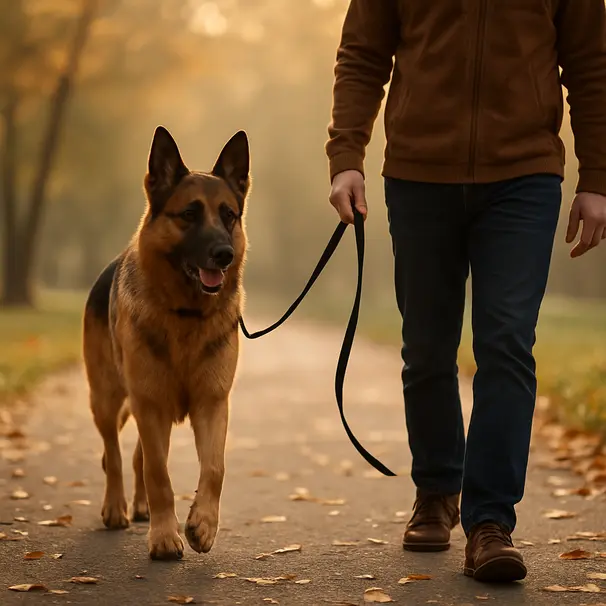
German breeds often share a few broad traits. Many are intelligent and eager to learn, they may have strong work drives, and socialization early on is usually important. Coat types vary widely — from the short, dense coat of a Rottweiler to the fluffy plume of a Pomeranian — so grooming needs can differ dramatically between breeds.
A few friendly reminders:
- These notes are general. Individual dogs can vary.
- If you’re worried about health or behaviour, consider talking to a vet or a qualified behaviourist.
- If you’re using a pet carer, be sure they understand the breed’s energy and social needs.
The full heritage list, grouped for easier browsing
Below is a broad and practical list of breeds with German heritage. Short descriptions will help you spot the family they belong to and what a typical temperament might be.
Working and herding breeds
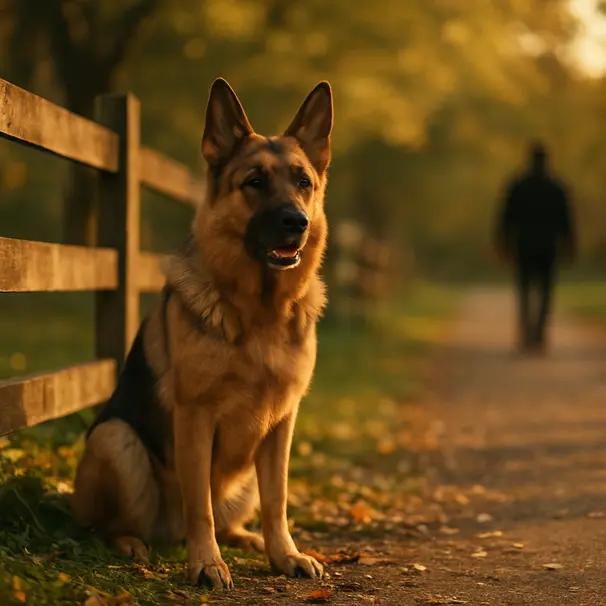
- German Shepherd Dog — A versatile, intelligent working dog. Loyal, trainable, and protective.
- Rottweiler — Confident and strong. Often calm with family but needs consistent leadership.
- Hovawart — A less-common working dog, loyal and watchful, originally a farm guardian.
- Leonberger — Large, gentle, and family-oriented. Once used as a farm and guardian dog.
Utility and guardian types
- Dobermann (Doberman Pinscher) — Sleek, energetic, and attentive. Bred for protection and companionship.
- Great Dane (Deutsche Dogge) — Majestic and gentle giant, surprisingly affectionate.
- Boxer — Playful, patient, and energetic; great with families who give regular exercise.
Terriers and small working dogs
- Affenpinscher — A small, spirited companion dog with a distinctive face and confident attitude.
- German Pinscher — Medium-sized and lively. Think of an agile, serious little watchdog.
- Jagdterrier (German Hunting Terrier) — Bold, spirited, and bred for hunting small game.
Hounds and hunters
- Bavarian Mountain Hound — A scent hound used for tracking wounded game, calm and focused when working.
- Hanoverian Hound (Hanover Hound) — A steady, classic German scenthound for tracking.
- Deutsche Bracke (German Bracke) — Traditional hunting hound, energetic and scent-driven.
- Bavarian Scent Hounds and smaller regional hounds — Many local varieties exist with strong hunting instincts.
Pointers and spaniels
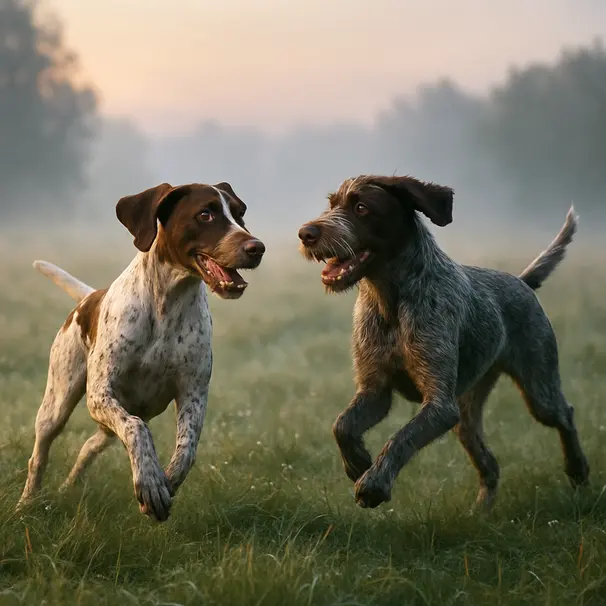
- German Shorthaired Pointer (Deutsch Kurzhaar) — Athletic, affectionate, and extremely versatile in the field.
- German Wirehaired Pointer (Deutsch Drahthaar) — Rugged, with a wiry coat and keen hunting instincts.
- German Longhaired Pointer (Deutsch Langhaar) — Less common, with a flowing coat and a gentle temperament.
- Deutscher Wachtelhund (German Spaniel) — A compact, hardworking flushing dog with a friendly nature.
Gundogs and munsterlanders
- Large Munsterlander and Small Munsterlander — Friendly, steady hunting and family dogs with solid noses and balanced energy.
Spitz and companion breeds
- German Spitz family (Wolfsspitz/Keeshond, Giant, Mittelspitz, Kleinspitz, Zwergspitz/Pomeranian) — A varied group: lively, alert, often very attached to family members.
- Pomeranian — The tiny Zwergspitz with a big personality, flashy coat, and playful manner.
- Kromfohrländer — A rarer companion breed with affectionate temperament; developed in Germany after WWII.
- Eurasier — A newer, calm companion breed blending spitz and other working lines; bred in Germany.
Miscellaneous and regional breeds
- Münsterländer breeds already mentioned.
- Various regional hounds and farm dogs, including Westphalian Dachsbracke and other local varieties.
If you see a breed not listed here and you’re unsure about its origin, feel free to ask. The German canine heritage includes both widely known breeds and dozen of regional types that live in hunting and farm traditions.
Temperament and needs by group (practical summary)
- Working and guardian dogs: High mental engagement and physical activity. They often thrive with jobs like obedience, agility, or scent work. Daily walks alone may not be enough.
- Hounds and pointers: Driven by scent and prey. They enjoy tracking games, long hikes, and nosework. Off-leash recall can be challenging without training.
- Spitz and small companions: Alert, often vocal, with strong attachment to their family. Regular grooming and enrichment work well.
- Terriers and hunting terriers: Bold and energetic. They need controlled outlets for their prey drive and plenty of safe, supervised play.
Training tip: Positive reinforcement and consistency usually win with German breeds. Short, fun sessions and a clear routine can help channel intelligence into good behaviour.
Practical care: grooming, exercise, training
Grooming
- Short coats (Boxer, Doberman, GSP): Low maintenance, regular brushing to remove loose hair.
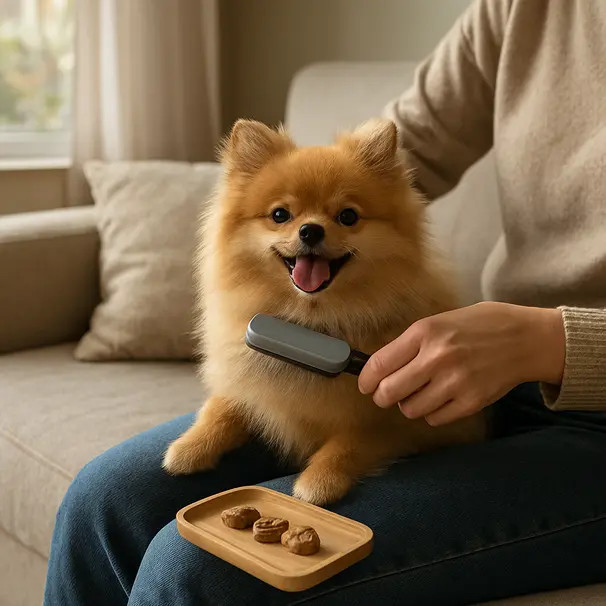
- Double coats and spitz types (Pomeranian, German Spitz): Regular brushing to prevent mats and seasonal blowouts. Consider professional grooming for some breeds.
- Wiry coats (Wirehaired Pointer, Schnauzer): Hand-stripping or skilled clipping keeps coat healthy and textured.
Exercise and enrichment
- High-energy breeds need more than walks. Try fetch, scent work, structured play, or canine sports.
- Mental enrichment can be as important as physical exercise. Puzzle toys, training new tricks, and scent games are great options.
Training and socialization
- Start socialization early. Expose puppies to a variety of people, places, and sounds in a positive way.
- Use positive reinforcement. Many German breeds respond quickly to praise and rewards.
- Consistency is key. Clear rules and predictable routines help confident dogs feel secure.
Working with pet carers
- If you’re hiring a carer, match their experience to the breed’s needs. For example, a German Shorthaired Pointer will need someone comfortable with high-energy outings and safe recall methods.
- Ask carers about their approach to training, leash management, and emergency care.
Health, lifespan and safe considerations
German breeds vary widely in size and lifespan. Large breeds like Great Danes may live 6–9 years, while smaller breeds like Pomeranians can reach 12–16 years. Certain breeds have predispositions to conditions such as hip dysplasia, cardiac issues, or eye concerns. It’s wise to:
- Consider breed-specific screenings when getting a puppy.
- Schedule regular vet checks and keep preventative care up to date.
- Discuss nutrition, exercise, and weight management with a vet.
Please remember, this is guidance, not medical advice. For health concerns, consult a qualified veterinarian.
Matching a German breed to your home and lifestyle
Ask yourself these questions before deciding:
- How much daily exercise can I realistically provide?
- Do I want a large, guardian-type dog or a small companion?
- Is anyone at home all day, and will that dog tolerate alone time?
- Do I have children, other pets, or a small living space?
Quick matches:
- Active families with yards: German Shepherd, Boxer, Rottweiler.
- Hunters or active hikers: German Shorthaired Pointer, Wirehaired Pointer, Bavarian Mountain Hound.
- Apartment life with dedicated walks: Pomeranian, Affenpinscher, or smaller Schnauzers if exercise is provided.
- First-time owners who want a calm companion: Eurasier or some Hovawart lines can be steady choices, but be aware of size and training needs.
Adoption, rescue, and finding a breeder
If you decide to add a German-breed dog to your family, consider adoption and rescues — many working and sporting dogs end up needing new homes. Local breed rescues often have experience matching these dogs to the right owners.
Breeder tips:
- Seek a breeder who provides health clearances and allows you to meet the puppy’s parents or see health records.
- Ask about temperament testing, early socialization, and any breed-specific health checks.
If you’re using Floofy to find a pet carer or sitter, look for carers who have experience with the breed group you’re interested in. A good match between a dog’s needs and a carer’s skills makes a huge difference for both dog and owner.
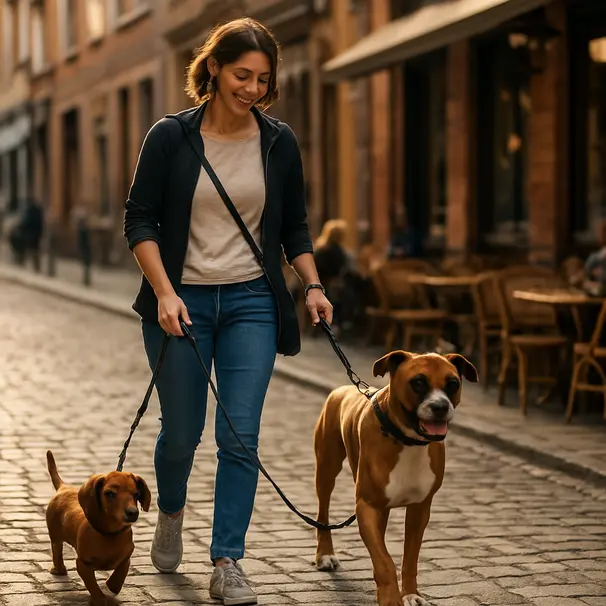
Bringing a German-breed dog into your routine with a carer
- Prepare a written routine: feeding, potty schedule, favourite games, and calming techniques.
- Share any training cues and reward types the dog prefers. Consistency helps the dog relax and behave predictably with different carers.
- Introduce the carer gradually. Short meet-and-greets help dogs feel safe.
A few final practical tips:
- Invest in durable toys and high-quality collars or harnesses, suitable for the dog’s strength.
- Build a gentle exit and recall routine if you plan off-leash time in safe areas. Many German breeds love scent work and can stray if a scent catches them.
- Keep grooming sessions positive, especially for breeds that need frequent brushing.
Final thoughts
Germany’s dog heritage is rich and varied. From pocket-sized Pomeranians to the stalwart Leonberger, each breed brings personality, history, and specific care needs. Whether you’re an owner, a pet carer, or thinking about adopting, take time to learn the breed’s typical traits and plan for the practicalities of daily life. A thoughtful match and strong partnership with a trusted carer can help a German-breed dog thrive in your home.
If you’d like help narrowing choices based on your lifestyle, or you want tips for interviewing a pet carer, Floofy carers are ready to share their hands-on experience. Happy dog hunting and wag-filled days ahead!