

Grow cat grass: simple indoor guide
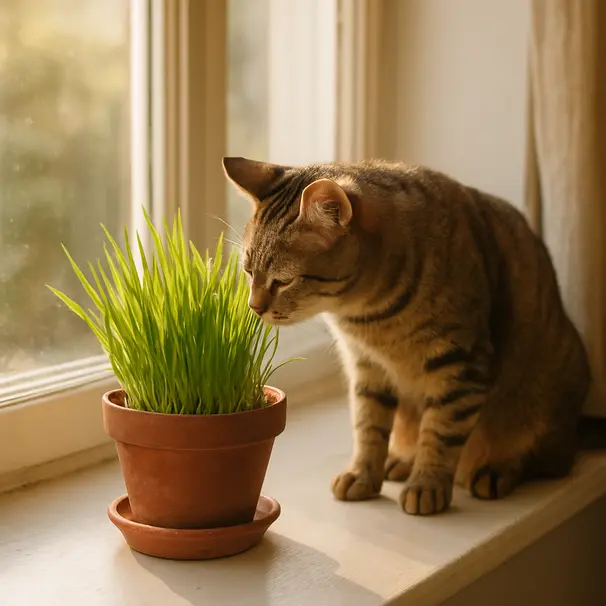
Cats and grass have a special relationship. Some cats take a curious nibble occasionally, others treat a pot of green shoots like a salad bar. Growing cat grass at home gives your feline friend safe, fresh greens to chew, keeps them entertained, and can help protect your more treasured houseplants. This guide walks you through everything you need to start a little indoor patch, from picking seeds to troubleshooting mold and enthusiastic nibblers.
Why cats like grass
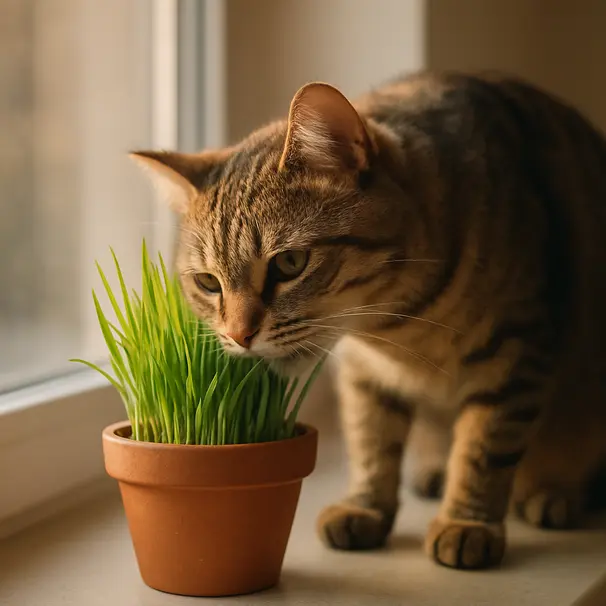
Cats often show interest in grass because it adds texture and plant matter to their diet. A bite of grass may help with digestion, or it can simply be an appealing crunchy snack. Offering cat grass gives curious cats a safe, attractive alternative to chewing on potted plants that might be toxic, or on curtains. Keep in mind every cat is an individual; some will love it, some will ignore it, and some will use it as a jungle gym.
What kind of grass should you choose?
There are a few popular options for cat grass. Each has a slightly different taste, texture, and growing speed.
- Wheatgrass: Fast to sprout, soft blades, popular choice.
- Oat grass: Slightly sturdier texture, mild flavor.
- Barley grass: Bright green, grows tall and lush.
- Rye grass: Hardy, longer-lasting blades.
Avoid wild grasses pulled from unknown sources. They can carry pesticides, fertilizers, or pests. You can buy seed blends labeled “cat grass,” or choose single-seed packs. If you see premixed blends with herbs or other plants, check every ingredient and avoid anything known to be toxic to cats.
Safety note: if your cat has special health concerns or a history of digestive issues, consider mentioning the new grassy snack to your vet. They can advise on portioning and watch for reactions.
What you need to get started
You don’t need much. This is a low-cost, low-effort project that yields a lot of joy.
- Seeds: wheat, oat, barley, or a cat grass blend.
- Growing medium: potting soil or seed-starting mix, free of added fertilizers.
- Container: shallow pots or trays with drainage, or recycled containers with holes drilled.
- Light: a bright windowsill or grow light for Winter months.
- Watering can or spray bottle.
- Scissors or kitchen shears for harvesting.
Optional extras: a saucer to catch drips, labels, and a second tray for rotating batches so there’s always fresh grass available.
Step-by-step: plant cat grass at home
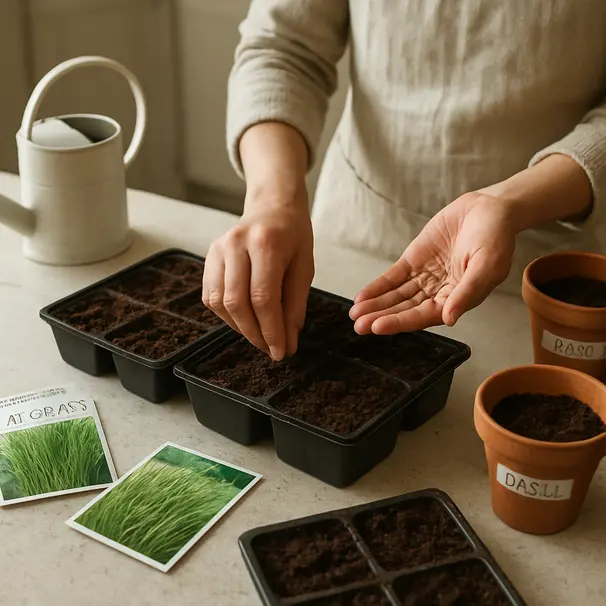
Prepare the container. Choose a shallow pot or tray about 1.5 to 3 inches deep. Clean used containers so there’s no residue from old fertilizers.
Add soil. Fill the pot to within about half an inch of the rim with potting or seed-starting mix. Press gently to level, but don’t compact the soil too hard.
Sow seeds. Sprinkle the seeds evenly across the surface. For denser growth, place seeds close together, but avoid creating thick clumps where mold can form.
Cover lightly. Add a thin layer of soil over the seeds, about 1/8 to 1/4 inch, or simply press them into the surface if instructions say so. Some seeds do well with a light covering, others prefer surface exposure; check the seed packet for specifics.
Water gently. Moisten the soil with a fine spray or a gentle pour, until it feels like a wrung-out sponge. Keep it damp but not waterlogged.
Provide light and warmth. Place the tray on a bright windowsill with indirect sun. Ideal temperatures are typical indoor room temperatures. If sunlight is limited, use a small grow light for 8 to 12 hours daily.
Watch and maintain. Seeds usually sprout in 3 to 7 days depending on variety and conditions. Keep the soil moist, and thin out any overly crowded patches to improve airflow.
Caring for cat grass
Caring is pleasantly simple. Here are the basics to keep grass healthy and appealing.
- Water: Keep soil consistently moist. A spray bottle can help prevent overwatering. If the soil starts to smell sour, reduce watering and improve airflow.
- Light: Aim for bright, indirect light. Direct hot sun can scorch seedlings. If the grass leans toward the light, rotate the tray a quarter turn every few days.
- Harvesting: When blades reach 3 to 4 inches, trim with scissors to encourage fresh growth. You can harvest small amounts often. Avoid removing more than one third of the plant at once.
- Rotation: Grow multiple small trays and stagger planting dates so you always have a fresh batch. A week or two between plantings keeps nibbling options open.
- Placement: Keep the grass in a place your cat can access safely, but consider a spot where it won’t be constantly trampled or knocked over. A low shelf or dedicated plant stand can work well.
Troubleshooting common issues
Even easy projects have hiccups. Here’s how to handle the most common problems.
- Mold or fuzzy white growth: This can happen when seeds are too crowded or the soil stays too wet. Solution: remove affected areas, improve airflow, water less, and reseed in a cleaner container.
- Seeds not sprouting: Check that the soil stayed consistently moist and that the tray received enough warmth. Try fresh seeds; old seeds lose viability.
- Yellowing or wilting: This may mean overwatering, poor light, or exhausted soil. Let the soil dry slightly between waterings, move the tray to brighter light, and start a fresh batch if needed.
- Cat digs or uproots grass: If your cat is more of a digger than a grazer, try placing a slatted mat under the pot so the soil stays in. A heavier container or a tray with a non-slip base can help reduce chaos.
If your cat eats a lot and then vomits repeatedly, or shows unusual lethargy or changes in appetite, consider contacting a vet for advice. Small amounts of grass are usually harmless, but persistent symptoms deserve a check.
Keeping other houseplants safe
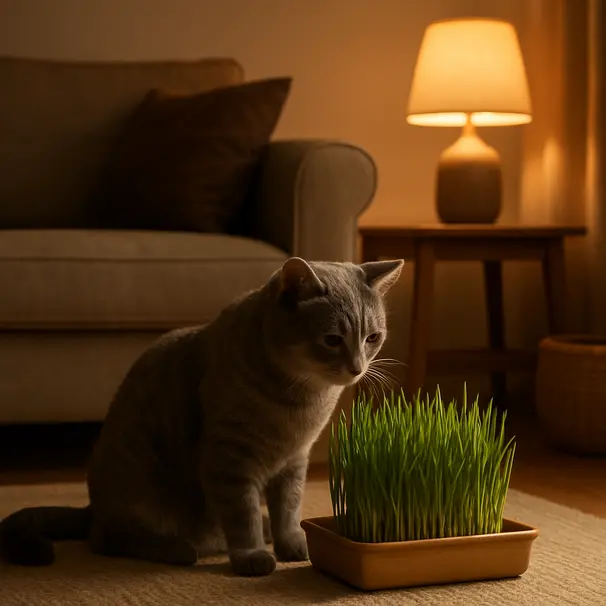
Cat grass can protect more delicate or dangerous houseplants by giving your cat a tempting, safe option. Still, curious cats may sample anything leafy. To protect other plants:
- Use double-sided tape or plant deterrent mats on pot rims.
- Place valuable or toxic plants out of reach on high shelves or in rooms your cat can’t access.
- Provide multiple grass locations so your cat feels less compelled to target a single pot.
- Consider plant stands with tops designed to make digging harder.
Also, check the toxicity of every indoor plant you own. If you’re unsure, a quick vet or poison control check can put your mind at ease.
Harvest and storage
Cat grass is best fresh. Harvest by snipping blades near the base once they reach a few inches in height. Use clean scissors and offer small handfuls. If you grow larger batches, compost the spent soil and start fresh for a healthier crop.
You can keep a small tray in the fridge for a day or two in a pinch, but the texture and taste change quickly. Staggered plantings will always beat refrigerated leftovers for freshness.
Creative ideas and extras
- Small multi-tray system: Stack a few shallow trays on a tray rack so you can rotate crops easily. That way the cat always has a fresh top-up.
- Window herb mix: If you enjoy herbs, grow cat-safe herbs nearby for you, and keep cat grass in its own tray for the cat. Don’t mix unknown herbs into the cat grass.
- Gift a starter kit: A little pot, seeds, and a sweet note make a cheerful gift for a fellow cat lover.
When to ask for professional advice
If your cat shows persistent digestive upset after eating grass, or if they eat grass obsessively and show other worrying signs, a vet visit can help rule out underlying problems. Also ask a vet before introducing any new plant materials to cats with known allergies or chronic health conditions.
Final tips and friendly reminders
- Start small. One tray is plenty to learn on.
- Keep it simple. Fresh water, decent light, and regular snips are all it really needs.
- Be patient. Some cats need time to discover and accept new things.
- Enjoy the process. Watching tiny green shoots sprout is one of those little domestic pleasures that feels rewarding and cozy.
Growing cat grass is an easy, heartwarming project that can enrich your cat’s environment and add a little greenery to your home. It’s low-cost, low-stress, and provides a healthy outlet for your cat’s natural curiosity. Happy planting, and expect the occasional paw print in the soil.