

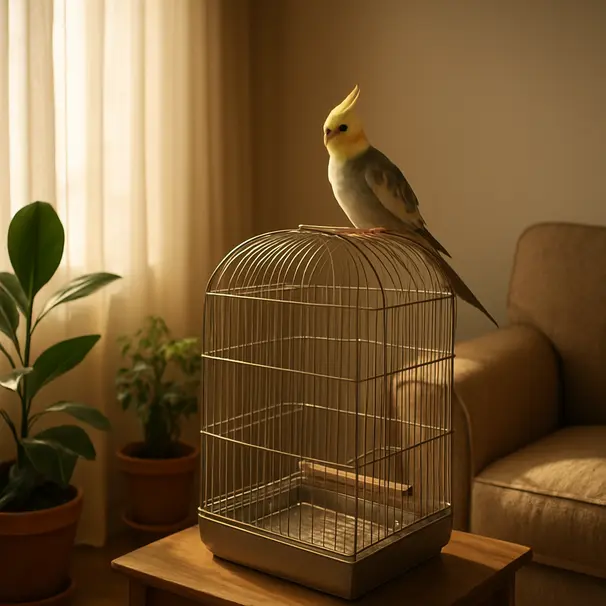
A warm welcome to better bird homes
Birds are brilliant, vocal, curious creatures. They bring color, song, and a lot of personality to a home. As a pet owner or a carer, creating the right habitat matters more than just picking a pretty cage. The right setup keeps birds safe, mentally stimulated, and relaxed. This guide walks through practical choices for cages and habitats, daily care tips, and gentle ways carers can make visits smoother and happier for birds and owners alike.
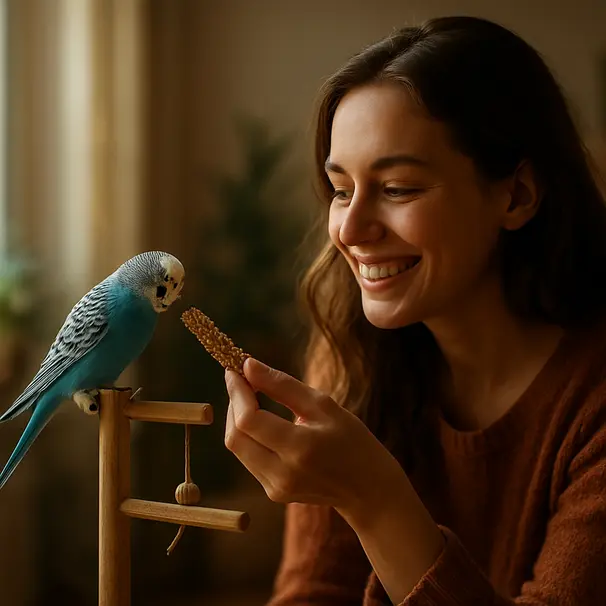
Know your bird: size, species, and needs
Different species have very different needs. A pair of finches will thrive in a horizontally oriented aviary with lots of flight space. A macaw needs huge vertical and horizontal room, plus tough materials. Below are quick notes to help match habitats to species:
- Small songbirds (finches, canaries): prefer flight space and fine bar spacing.
- Budgies and cockatiels: enjoy horizontal flight, moderate perch variety, and social interaction.
- Conures and small parrots: need sturdier cages, toys, and foraging opportunities.
- African greys and amazons: higher mental stimulation, durable toys, and large cages.
- Cockatoos and macaws: require very large, heavy-duty cages or aviaries and daily out-of-cage time.
When planning a habitat, consider how much out-of-cage time the bird gets. Birds that spend most of their time outside a cage can have smaller enclosures for sleeping and safety, while birds that are cage-based need more generous space and enrichment.
Choosing the right cage type
There are several common options. Each has pros and cons depending on species, home layout, and the bird’s routine.
Indoor cages
Indoor cages are the most common choice for companion birds. Look for:
- Proper bar spacing for species
- A secure latch and sturdy build
- A durable finish that resists chewing and cleaning
Indoor cages come in different shapes: tall and narrow, wide and short, or dome-topped. Wide cages let birds fly short distances. Tall cages let larger birds climb and move vertically. Try to prioritize floor space for birds that fly and climbing height for climbers.
Flight cages and aviaries
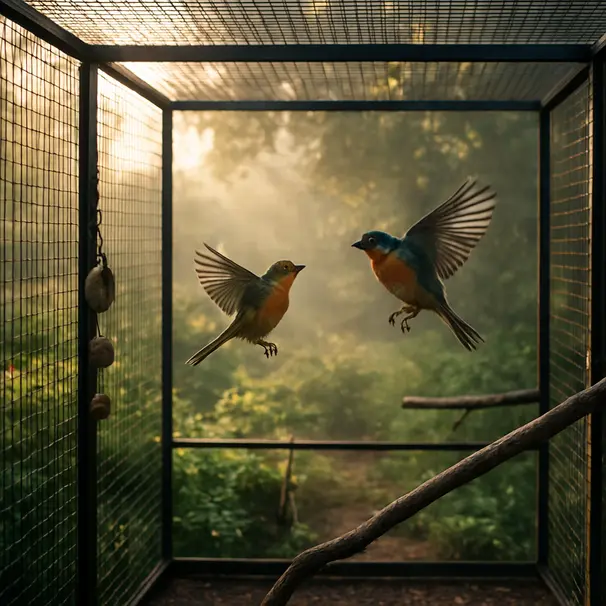
Flight cages and indoor aviaries offer generous space for flying and social living. These are wonderful for multiple small birds or larger species that need freedom to flap. Outdoor aviaries add fresh air and natural light, but they need predator-proofing, weatherproofing, and careful temperature management.
Travel carriers and temporary housing
A secure carrier is vital for vet visits, temporary boarding, and safe transport. Choose carriers strong enough to prevent escape, with good ventilation, and a removable tray for cleanliness. Carers should always bring a familiar towel or perch to reduce stress during travel.
Cage size guidelines (practical rules)
Exact requirements vary, but these general minimums can help you plan. If you can choose larger, do it.
- Budgies: at least 18 x 18 x 24 inches, wider is better.
- Cockatiels: 24 x 24 x 30 inches or larger.
- Conures: 24 x 30 x 36 inches, sturdy bars.
- African grey / Amazon: 36 x 36 x 48 inches or larger with strong construction.
- Cockatoo / Macaw: custom heavy-duty cage or aviary; minimums are often 48 inches per side and thick bars.
- Finches / Canaries: a wide cage to allow horizontal flight; multiple feet of horizontal space if housing pairs or groups.
These are starting points. A single large parrot will benefit from as much open space as you can reasonably provide. For carers, ask owners about usual out-of-cage routines so you can judge if the existing space is sufficient for the duration of your care.
Materials, finishes, and safety
Material choices affect durability and safety. Common materials include powder-coated steel, stainless steel, and plated metals.
- Stainless steel is the safest and most durable long-term option. It resists chewing and corrosion.
- Powder-coated cages come in many colors and are attractive. Check coatings for chips and damaged spots, which can expose metal and become hazardous.
- Avoid cages with zinc or lead plating. If a bird chews these, it may be harmful. Consider contacting a vet if you suspect toxic metal exposure.
Bar spacing matters. Too wide and small birds can escape or get stuck. Too narrow and larger birds can’t climb comfortably. Measure your bird and compare to manufacturer recommendations.
Perches, substrates, and furniture
A healthy habitat has variety. Birds use perches not only to rest but to exercise feet and trim nails.
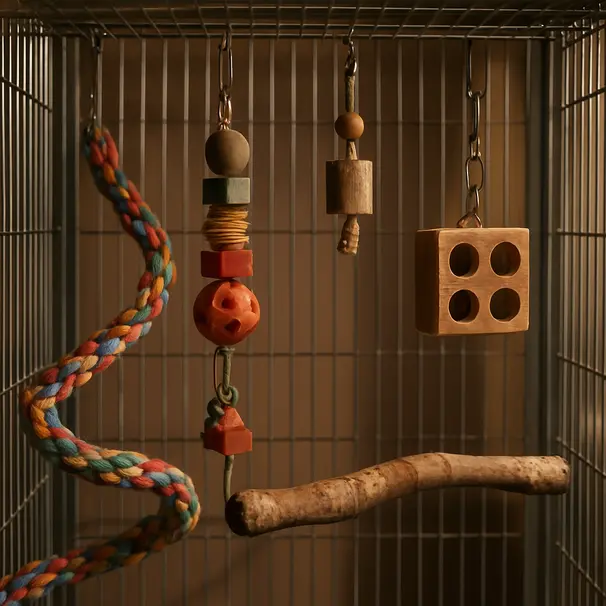
- Offer multiple perch types: natural wood, rope, and varying diameters.
- Avoid sandpaper-covered perches for daily use. They can abrade feet.
- Place perches at different heights and positions so birds can move and choose a preferred spot.
- Use cage liners or newspaper for easy cleaning. Avoid cedar shavings and other aromatic woods that can cause respiratory irritation.
Think about food and water dish placement. Keep them away from heavy dust zones and droppings, and offer fresh food daily. Foraging feeders can turn mealtimes into enrichment.
Enrichment: toys, foraging, and social time
Mental exercise is just as important as physical space.
- Rotate toys regularly to prevent boredom. Include shreddable items, puzzle toys, and safe chewables.
- Foraging encourages natural behaviors. Hide treats in paper, shells, or puzzle feeders.
- Mirrors and bells may entertain some birds. Many parrots prefer interactive toys that offer a challenge.
Enrichment can be as simple as a cardboard box with hidden treats or as clever as a foraging board. Carers should ask owners about favorite toys and food preferences and avoid sudden changes that could stress the bird.
Placement in the home
Where the cage sits influences a bird’s comfort.
- Birds enjoy being part of family life. A living room corner with moderate activity is often perfect.
- Avoid placing cages in direct drafts, near kitchens (fumes from nonstick pans can be dangerous), or in direct sunlight without shade options.
- Nighttime rest matters. Provide a quiet, darker area at night or a light cover for the cage to give a consistent sleep period.
Temperature should be steady. Small birds can tolerate moderate temperature swings but sudden drafts or outdoor exposure can be risky. If you notice sneezing, fluffed feathers, or lethargy, consider contacting a vet.
Cleaning and hygiene
A clean habitat supports wellbeing.
- Spot-clean daily. Remove droppings, spoiled food, and wet bedding promptly.
- Do a deep clean weekly: remove perches and toys, wash trays, scrub bars with bird-safe cleaner or mild soap, rinse thoroughly, and dry.
- Replace perches and toys when worn or frayed. Frayed rope can tangle toes.
For carers, ask owners about cleaning routines and any preferred products. Some birds react to strong scents, so gentle unscented cleaners are often best.
Travel, boarding, and temporary stays
If you care for birds in the owner’s home, or provide transport, keep stress low.
- Use a comfortable, familiar carrier lined with an absorbent towel. Include a small perch if space allows.
- Cover the carrier partially with a breathable cloth during travel to reduce visual stress.
- Keep temperature stable and minimize loud noises. Talk gently and move smoothly.
If you board a bird, recreate the owner’s routine as much as possible. Keep feeding schedules, toy choices, and out-of-cage times similar.
Tips for pet carers: communication and trust
Carers often step into a bird’s routine. Small thoughtful acts can make big differences.
- Meet the owner before the first solo visit. Learn the bird’s signals, favorite treats, and what comforts it.
- Start slowly with new birds. Allow them to approach you on their terms. Avoid forcing handling unless the owner has previously trained the bird for it.
- Keep notes about feeding, behavior, and any changes. Owners appreciate a quick summary after each visit.
If a bird seems stressed, reduce interaction and give it space. Keep a vet contact on hand, with owner permission, in case of sudden health concerns.
Common problems and practical fixes
A few recurring issues pop up often. Here are simple, humane responses.
- Feather picking or plucking: can signal boredom or stress. Increase enrichment and consult a vet for underlying causes.
- Screaming: check for attention needs, boredom, or changes in routine. Offer toys and predictable interaction times.
- Chewing cage bars: provide chew-friendly toys and rotate them often. Verify the cage material is safe and intact.
Encourage owners to keep a journal of behavior patterns. It helps identify triggers and track responses to changes.
Final checklist before you leave a home or hand over a cage
A short checklist helps carers and owners feel confident.
- Food and water fresh and accessible
- Perches secure and clean
- Toys safe and not frayed
- Carrier accessible for travel if needed
- Emergency contacts and vet info available
- Owner notes left where you can find them
Closing thoughts
Creating a safe and joyful habitat is one of the kindest things you can do for a bird. Thoughtful choices about cage size, materials, placement, and enrichment make daily life richer for feathered friends. Carers and owners working together can build trust, spot small problems early, and keep birds active and content. When in doubt, consider asking a veterinarian or an experienced avian specialist for guidance. Little comforts and consistent care add up to a happier bird and a happier household.
Thank you for caring with heart. Feathered companions repay patience and kindness with song and mischief, and a well-set habitat gives them the best chance to flourish.