

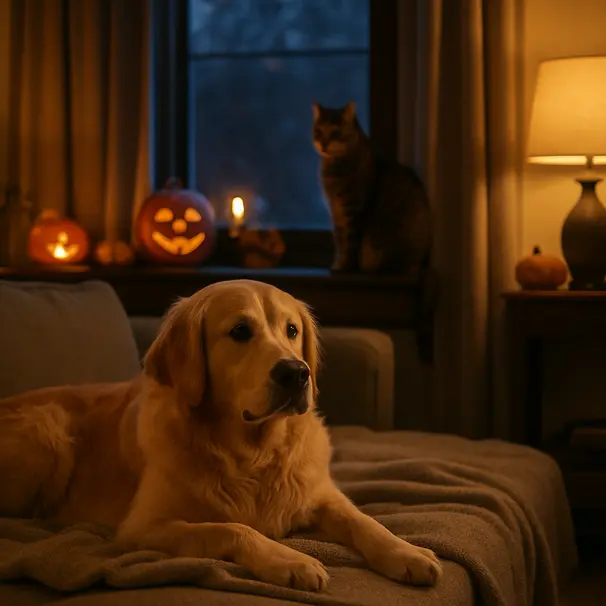
Halloween with Dogs and Cats: How to Keep Them Safe from Stress and Hazards
Halloween is full of costumes, candy bowls, and excited visitors. For our dogs and cats, though, the night can be full of surprises that cause stress or lead to accidents. This guide is written by pet lovers for pet owners and carers. It’s warm, practical, and full of tips you can use to protect your furry family while still enjoying the season.
Read your pet’s signals: spotting stress early
Pets show stress in ways that are easy to miss. A wagging tail doesn’t always mean a good time, and a cat sitting rigidly in a doorway may be overwhelmed.
- Watch for subtle signs: lip licking, yawning, pacing, trembling, wide eyes, tucked tail, hiding, decreased appetite, or sudden aggression.
- Notice changes in routine: if your dog is suddenly clingy or your cat starts avoiding people, Halloween traffic might be the trigger.
- Keep a short, written checklist of your pet’s usual behaviour so you can spot deviations quickly.
If you see strong signs of distress, consider moving your pet to a quiet room with favorite toys and familiar bedding. These small actions may help them settle.
Create a safe, quiet space at home
A simple safe room is one of the best gifts you can give your pet on a busy night.
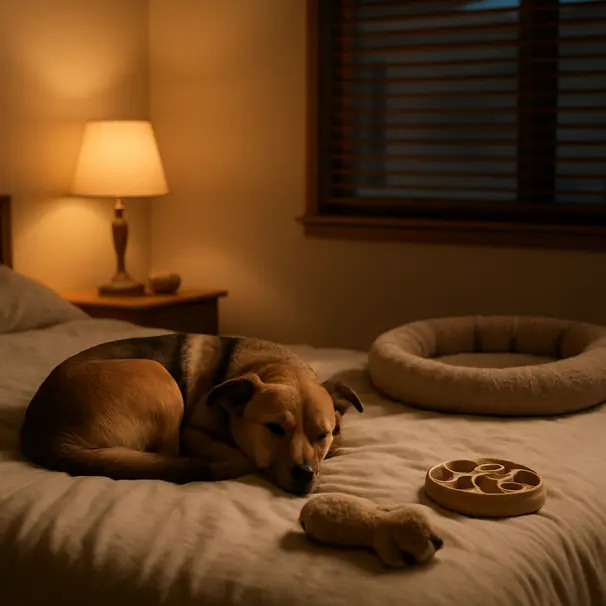
- Choose a quiet interior room with no exterior doors. Close blinds or curtains to muffle flashes from trick-or-treaters and reduce visual triggers.
- Include familiar bedding, chew toys, puzzle feeders, and a piece of your clothing that smells like you. Familiar scents can be calming.
- Use soft lighting or a night-light instead of harsh overhead light. Some pets prefer a darker den-like environment.
- Add background noise such as soft music or white noise to drown out knocks and doorbells.
Label the room on your household plan so sitters or carers know where to place your pet and how to make them comfortable.
Costumes and collars: what to avoid and what can help
Dressing pets up is cute, but safety comes first.
- Avoid costumes that restrict breathing, vision, or movement. If the outfit changes how your pet moves, don’t use it.
- Skip tight collars, neck scarves, or anything with dangling pieces that can get caught on handles or furniture.
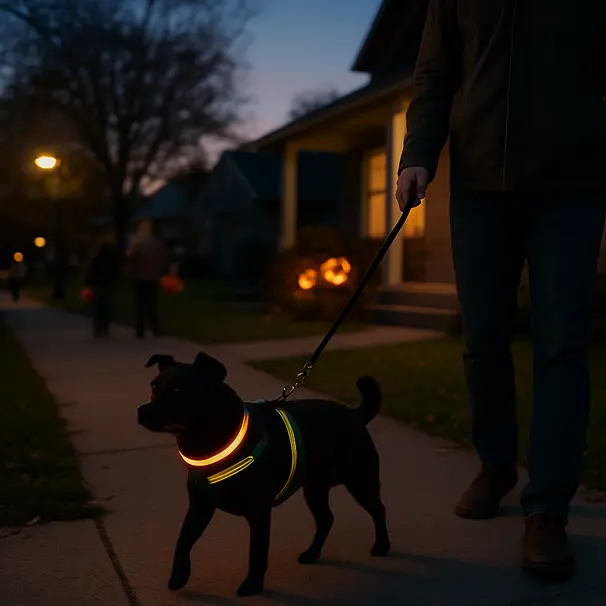
- Reflective harnesses or LED collars can be helpful for evening walks, but make sure they’re comfortable and don’t irritate your pet.
- If your dog or cat tolerates a simple bandana or a light reflective vest, that’s fine. Always supervise pets in costume and remove outfits at signs of stress.
Consider leaving costumes to carers or a brief photo session at home rather than wearing them all night.
Door safety and treat management
High door traffic is one of the biggest Halloween hazards. Excited visitors and open doors can lead to escapes.
- Use baby gates or keep pets in their safe room when guests arrive. A closed door with a sign like “Pet resting inside” can help manage expectations.
- Remind visitors not to feed your pet. Halloween candy and many human treats can be toxic to dogs and cats.
- Keep candy bowls well out of reach. Chocolate, xylitol-sweetened items, grapes, and certain nuts are dangerous to pets.
- If you’re handing out treats, have someone trusted watch the front door so pets aren’t tempted to bolt when it opens.
If you have a dog that reacts strongly to the doorbell, practice desensitization in the weeks leading up to Halloween. Short, positive training sessions can help reduce reactivity over time.
Fireworks, loud noises, and outdoor risks
Fireworks and loud noises can cause intense fear for many pets.
- Keep pets indoors for the evening. An indoor cat is much safer than a frightened outdoor cat trying to flee.
- Close windows and curtains to muffle sound and flashing lights. Place their safe bedding away from windows.
- Take dogs for their walk earlier in the day, before noise ramps up. A tired dog is often calmer later on.
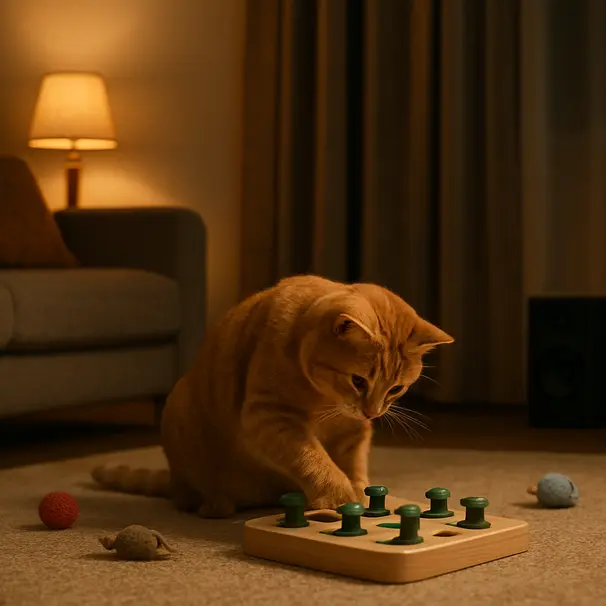
- If fireworks are expected, plan an indoor enrichment session with puzzle toys or a food-dispensing toy to distract and occupy your pet.
Consider leaving pets with a trusted carer or sitter if your neighbourhood is especially noisy. A familiar person who understands your pet can help reduce anxiety.
Parties and guests: setting expectations
If you’re hosting a Halloween gathering, preparation will help keep pets safe and stress-free.
- Give pets a quiet refuge that party guests know not to enter. A clear sign and a closed door work wonders.
- Ask guests to respect your pet’s space and avoid loud, sudden movements toward animals that are resting.
- Offer a comfortable place away from the crowd with toys, water, and soft lighting.
- Keep decorations secure. Tinsel, fake cobwebs, battery-operated candles, and plastic decorations can be tempting and dangerous if chewed or swallowed.
If your pet is social and enjoys company, designate a few calm people to interact gently. If they’re nervous, keep interactions brief and positive.
When to use a pet carer or sitter
Sometimes the best choice is to arrange care outside the house.
- Consider booking a pet carer through Floofy for evenings when your neighbourhood is particularly busy. A carer can stay with your pet or provide daytime walks and visits.
- Meet and greet carers ahead of time so your pet can build trust. Share routines, favorite treats, and any calming strategies that help.
- Leave clear written instructions: feeding times, medication, emergency contacts, escape routes, and the location of the safe room.
- Ask the carer to send photos and short updates so you know your pet is settled.
Trusted carers can also take pets out for a calm, late-night walk after the main rush, helping them expend energy in a safer environment.
Emergency prep: ID, kit, and vet info
A little preparation goes a long way if something unexpected happens.
- Ensure collars have up-to-date ID and that your pet’s microchip information is current. A collar with your phone number is an easy, visible backup.
- Prepare a simple pet first-aid kit: bandages, styptic powder, a muzzle or soft cloth for safety, and a copy of your pet’s medical records.
- Save your local emergency vet and animal poison control numbers in your phone and on a printed card in an obvious place.
- Keep a small torch and extra leash near exit points in case you need to quickly secure your pet.
If your pet eats something suspect, call your vet or an animal poison control hotline immediately. Avoid home remedies unless a professional recommends them.
Soothing strategies and enrichment that may help
Small comforts can make a big difference for anxious pets.
- Offer long-lasting chews or puzzle feeders to give a calming, focused activity.
- Try gentle massage or brushing. Many pets find rhythmic petting soothing.
- Use pheromone diffusers or collars that may help some animals relax. These can help, but results vary. Consider trying them a few days before Halloween.
- Keep routines consistent: maintain regular feeding and walk times where possible, as predictability can reduce anxiety.
If you’ve tried multiple behavioural strategies and your pet is still highly anxious, a consult with your vet or a behaviourist may help you plan longer-term approaches.
Travel, boarding, and overnight stays with carers
If you’ll be away or expect a stressful night at home, plan early.
- Book trusted boarding or a pet carer well in advance. Halloween week can be busy for sitters and kennels.
- Bring your pet’s bedding and a familiar-smelling item from home to the boarding facility. Comforting scents can lower stress.
- Share your pet’s usual routine and any calming techniques that work. Ask staff how they handle noise or escape risk during busy nights.
When leaving pets with a friend or professional carer, a short trial stay before the big night can help everyone gauge comfort and compatibility.
After Halloween: decompress and reward
Give your pets time to recover. Reward calm behaviour and rebuild routine.
- Offer gentle play or quiet cuddle time the day after to reinforce positive feelings.
- Monitor for delayed stress signs: appetite changes, hiding, or unusual elimination. If these persist, reach out to your vet.
- Celebrate small wins. If your dog stayed calm during a knock at the door or your cat didn’t bolt when someone passed the window, give them a treat and praise.
Final thoughts for pet owners and carers
Halloween can be a fun, memorable night without putting pets at risk. Thoughtful planning, a safe space, and clear communication with any carers will reduce stress and hazards. If you rely on a carer, make time for an introduction and leave detailed instructions. Small precautions make the evening better for everyone.
Enjoy the costumes and candy, but put your pet’s comfort first. A calm, happy companion is the best Halloween accessory.