


Welcome to tiny paws and big personalities
Hamsters are little fireworks of curiosity. For pet owners and carers, they offer fast-moving joy, quiet moments, and the kind of companionship that fits in the palm of your hand. This guide covers practical essentials for everyday care, from setting up a comfy home to handling, enrichment, health cues, and tips carers can use to keep hamsters safe and happy while guests are under their care.

Choosing the right hamster for your home
Hamsters come in several common types: Syrian (the larger, often solo-friendly variety), and dwarf species such as Campbell’s, Winter White, and Roborovski. Size, temperament, and activity levels vary. Consider these points:
- Space: Syrians grow larger and appreciate more floor space, while dwarf hamsters can be housed comfortably in slightly smaller setups.
- Social needs: Syrians are usually solitary and do best alone. Some dwarf species can sometimes live in same-sex pairs if introduced young and closely monitored, but solo housing is often safest for carers to manage.
- Handling tolerance: Individual temperaments differ. If frequent handling is part of the plan, look for a calm, inquisitive hamster and allow time for gentle trust-building.
If you’re adopting, chat with the breeder, shelter, or previous carer about personality and routine. A short handover about feeding times, favorite treats, and any quirks will make life easier for everyone.
Cage and habitat basics
A safe home is the foundation of good care. Here’s what to consider when setting up a hamster habitat:
- Minimum size: Aim for a cage offering plenty of floor area. For Syrians, larger is better; a rule of thumb is to prioritize more horizontal space over multiple levels. Wire cages with solid bases, glass tanks with secure mesh lids, or modular habitats can work if ventilation and enrichment are good.
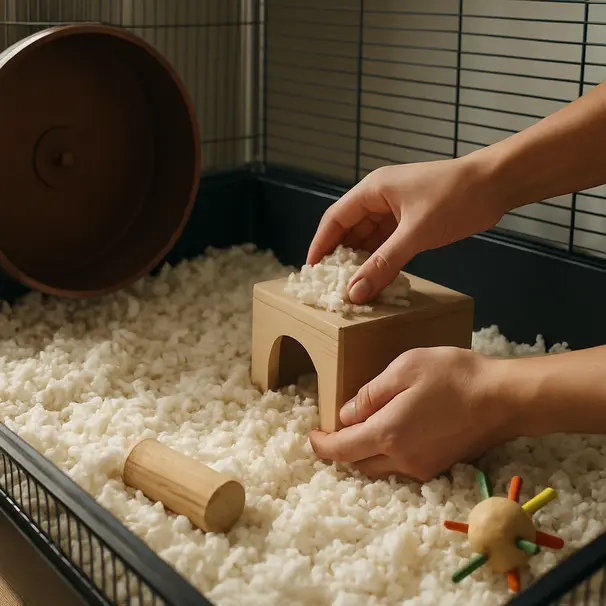
- Bedding: Use absorbent, dust-free paper-based bedding or aspen shavings. Avoid cedar and pine, they may irritate tiny lungs. Provide a deep layer so hamsters can burrow, usually 6–8 cm or more for species that love to dig.
- Hideouts and tunnels: Offer at least one snug hideaway that feels secure, plus tubes or ceramic nests. Rotating a few different hiding spots helps maintain novelty.
- Wheel: A solid-surface wheel is essential. Choose the right diameter—20–30 cm for Syrians, smaller for dwarf hamsters—to prevent back arching. Wire rungs can catch paws, so avoid them.
- Chew toys: Hamsters’ teeth keep growing. Safe wooden chews, untreated wicker, and mineral blocks help wear teeth naturally.
Placement tip: Keep the cage in a quiet, moderately lit area away from cold drafts and direct sunlight. Hamsters do best with a consistent day-night rhythm, so avoid placing cages where bright household lights disrupt their sleep.
Diet and feeding routines
Good nutrition supports activity, coat health, and digestion. A steady, simple routine makes life easier for carers.
- Base diet: Choose a quality commercial hamster mix specific to their species. These blends typically provide balanced nutrition. Pelleted options can reduce selective picking.
- Fresh food additions: Small amounts of fresh vegetables like cucumber, bell pepper, and carrot can be offered a few times a week. Leafy greens in moderation. Avoid high-water foods overnight to prevent wet bedding.
- Protein and treats: Cooked egg, plain tofu, or small mealworms can be occasional protein treats. Save sugary human treats and nuts for rare rewards.
- Fruits: Offer sparingly. Small hamster bodies can’t handle lots of sugar.
- Water: Fresh water should always be available via a sipper bottle or shallow dish. Check daily that the bottle isn’t clogged.
Feeding schedule: Feed once daily, ideally in the evening when hamsters become more active. For carers, ask the owner about portion sizes and favorite treats in a care notes sheet.
Enrichment: small brain, big curiosity
Hamsters are natural explorers and hoarders. Enrichment keeps them mentally stimulated and reduces stress.
- Foraging: Scatter feed or hide small portions of food in bedding and tunnels to encourage natural searching behaviours.
- Rotating toys: Swap in new tubes, climbing branches, and chew items every few days. A cardboard box or toilet paper tube makes an instant playground.
- Sand bath: A shallow dish with chinchilla sand (not dust) allows grooming and is great for species like Syrians. Offer a few times a week.
- Supervised floor time: A secure playpen or hamster ball can provide safe exploration outside the cage. Supervise closely and keep sessions short, 10–20 minutes, to prevent stress.
Enrichment is especially important when carers are looking after hamsters for longer periods. Leaving detailed notes on the hamster’s favorite toys will help maintain routine.
Handling and building trust
Hamsters can be skittish, but with patience they often become comfortable with regular, gentle handling.
- Start slow: Let the hamster sniff you at the front of the cage. Offer a small treat on your hand to encourage voluntary approach.
- Scoop method: Cup your hand under their belly and support them, rather than grabbing from above. Keep movements slow and steady.
- Time of day: Hamsters are crepuscular, often most active at dawn and dusk. Try short handling sessions during their active windows.
- Safety first: Never wake a hamster suddenly from deep sleep—this can cause stress or defensive biting. If you must move them, gently rouse by offering a treat.
For carers: Ask owners about handling preferences and any triggers the hamster might have. If a hamster seems fearful or nippy, reduce handling and focus on trust-building through treats and short, calm interactions.
Health cues and when to consult a vet
Knowing what’s normal helps you spot potential problems early. Rather than medical instructions, consider these general signs that suggest a vet visit may be helpful:
- Appetite changes: A sudden drop in eating or drinking
- Lethargy: Noticeable reduction in movement or interest in enrichment
- Breathing changes: Laboured breathing or noisy respiration
- Coat and skin: Bald patches, persistent scratching, wounds, or greasy fur
- Eyes, nose, or mouth: Discharge or swelling
Small animals can hide illness well, so consult the owner and a qualified exotic pet vet promptly if anything seems off. Regular check-ins and a contact for the hamster’s vet are must-haves for carers.
Cleaning and maintenance routines
A clean habitat keeps hamsters healthy and reduces odor.
- Spot cleaning: Scoop soiled bedding and uneaten food daily.
- Full clean: Once a week, perform a full bedding change, wash the base and accessories with warm water and mild soap, and dry thoroughly before returning the hamster.
- Wheel and toys: Check frequently for wear, sharp edges, or chew-through points. Replace if damaged.
- Bedding changes for short stays: If you’re a carer looking after a hamster for a few days, a mid-stay spot clean and top-up of fresh bedding is often sufficient, unless the owner requests otherwise.
Cleaning tip: Avoid strong-smelling cleaners and perfumes around the cage. Rinse items well to remove soap residue.

Travel, sitting, and handover notes for carers
Clear communication between owners and carers makes short stays smooth.
- Detailed care sheet: Owners should leave feeding amounts, favorite treats, sleep/wake patterns, preferred handling times, vet contact, and any medications. Carers should ask questions before the first sitting.
- Transport: Use a secure small pet carrier lined with familiar bedding. Keep carriers stable and covered to reduce stress from visual stimulation.
- Overnight stays: Keep the habitat setup consistent with the owner’s arrangement. Maintain the same wheel, hideaways, and feeding routine.
- Emergency plan: Agree on a vet to contact in case of urgent concerns and obtain the owner’s permission for emergency care in advance.
Common questions from new carers and owners
- Can hamsters swim? They may paddle if placed in water, but it’s not recommended. A sand bath is a better way to support grooming.
- Are hamsters nocturnal? They’re crepuscular, often active around dawn and dusk. Expect some night activity.
- Can two hamsters live together? Some dwarf hamsters might tolerate companionship, but many prefer being alone. Always follow owner guidance and species-specific advice.
Quick daily checklist for carers
- Check water bottle and refill if needed.
- Provide the correct measured food portion.
- Spot-clean any soiled bedding and remove uneaten fresh food.
- Spend a few minutes on enrichment or supervised handling.
- Observe for any health changes and note them for the owner.
Final thoughts: small care, big rewards
Hamsters may be small, but the responsibility of caring for them is real and rewarding. With thoughtful housing, consistent routines, gentle handling, and plenty of enrichment, they thrive. Carers who communicate openly with owners, follow written care notes, and maintain a calm, patient approach will find hamsters quickly become trusting little companions.
If anything seems unusual with your hamster, consider contacting a vet who specialises in small mammals. A quick question to a professional can give peace of mind and guide the best next steps.
Growing trust with a hamster takes time, treats, and gentle hands. Enjoy the tiny moments—quiet nose twitches, midnight wheel sprints, and the delight of discovering a hidden sunflower seed. Those small joys are what make hamster care so special.