


Welcome to your friendly hamster care handbook
Hamsters are tiny bundles of personality. They can be curious, dozy, feisty, and affectionate in turn, and they respond well to calm, consistent care. This guide is for pet owners and carers who want practical, doable advice to keep hamsters comfortable and healthy. Expect clear steps, small hacks, and lots of encouragement for building routines that make life better for both hamsters and humans.
Basic needs at a glance
- Housing: a roomy, safe enclosure with solid flooring.
- Bedding: deep, absorbent substrate for burrowing and nesting.
- Diet: balanced pellets, fresh water, and occasional treats.
- Enrichment: exercise wheel, tunnels, chewables and foraging toys.
- Handling: patient, gentle, short sessions to build trust.
- Health checks: daily quick looks for signs of illness and routine vet care.
Choosing the right cage
Size matters. A hamster needs space to run and explore. Consider a cage or enclosure with a minimum footprint that gives at least 450 square inches of floor space for Syrian hamsters, and a similarly roomy setup for most dwarf species. Avoid cages with only vertical space and thin platforms. Hamsters love to tunnel, so a wide base is more useful than tall walls.
Materials and safety
- Go for solid plastic bases and wire or acrylic sides that allow good ventilation.
- Bar spacing should be narrow for dwarf hamsters, to prevent escapes.
- Skip glass tanks unless you can provide excellent ventilation and frequent cleaning, because humidity and ammonia build-up can become an issue.
Accessories to prioritize
- A solid-surface exercise wheel sized appropriately for the species.
- Hiding houses and nesting boxes for security.
- Chew blocks and safe wooden toys to wear down teeth.
- A shallow food dish and a heavy water bottle or shallow water bowl if supervised.
Bedding and nesting: comfort that matters
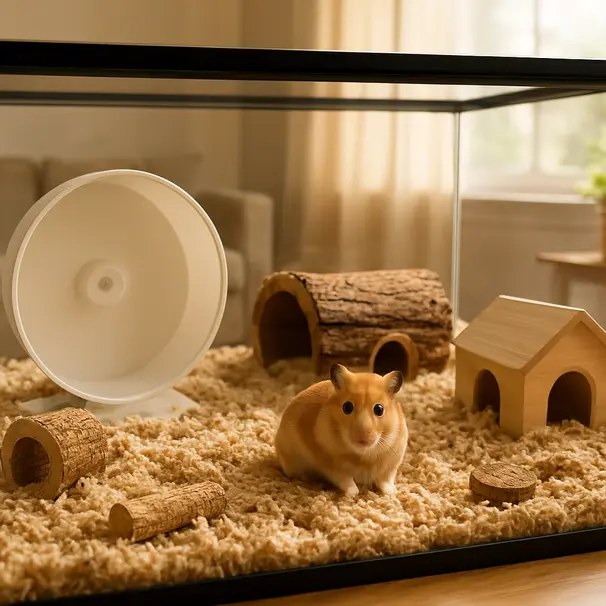
Hamsters love to burrow and build nests. Provide at least 6 to 8 cm of bedding, and consider deeper layers for Syrians. Use paper-based or aspen bedding. Avoid cedar and pine, which may irritate respiratory systems.
Nesting tips
- Offer soft nesting material like unscented tissue, shredded paper, or commercial nesting fluff.
- Place a wooden hide or igloo where the hamster can tuck its nest away.
- Spot clean daily and do a full bedding change weekly or when it smells. Carers should follow the owner’s schedule to keep the scent familiar to the hamster.
Feeding: simple, balanced, consistent
A varied, measured diet helps prevent obesity and nutritional gaps.
Staples
- High-quality pellet mix formulated for hamsters is the backbone of the diet.
- Supplements of fresh vegetables, small amounts of cooked egg, or plain yogurt can be offered in tiny portions.
Treats and things to avoid
- Offer treats sparingly: tiny pieces of fruit, unsweetened cereal, or mealworms.
- Avoid sticky or sugary treats, raw beans, chocolate, and any human junk food.
Feeding routine
- Feed once a day, preferably in the evening when hamsters are most active.
- Remove uneaten fresh food within a few hours to avoid spoilage.
- Keep water fresh and check bottles or bowls every day.
Handling and socializing your hamster
Hamsters are individual. Some will become friendly quickly, others remain shy. The key is slow, predictable interaction.
First steps
- Sit by the cage quietly for short sessions so the hamster learns your scent.
- Offer treats from the palm so the hamster associates your hand with rewards.
- Use a small cup or both hands for the initial lift, supporting the body fully.
Short, frequent sessions
- Keep handling short at first, a few minutes a day, then grow longer as trust builds.
- Always handle over a low, soft surface to minimize injury risk from falls.
Notes for carers
- Ask the owner about the hamster’s favorite treats and routine.
- Match the owner’s handling style and timing to reduce stress.
- If the hamster is nippy, step back and slow the pace. Patience pays off.

Enrichment: mental and physical fitness
A bored hamster may become restless or destructive. Enrichment keeps them busy and healthy.
Wheel and exercise
- Use a quiet, solid-surface wheel, sized so the hamster’s back stays straight while running.
- Consider supervised floor time in a hamster-proof playpen for extra exploration.
Toys and chewing
- Provide varied tunnels, cardboard tubes, and wooden chews.
- Rotate toys every few days to maintain interest.
Foraging and puzzles
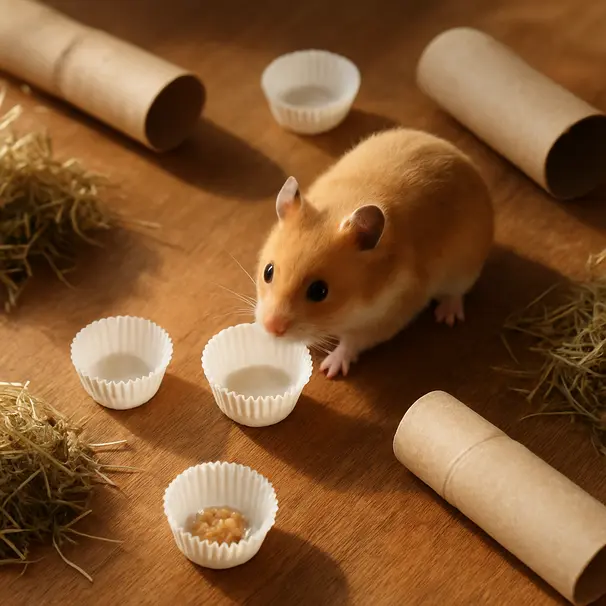
- Hide small food pieces in hay, paper, or puzzle toys to encourage natural foraging.
- Use cups, small boxes, or paper bags to create little treasure hunts.
Evenings and sleep
- Hamsters are nocturnal to crepuscular. They’ll be most active at dusk. Try to schedule play and handling during those times for better engagement.
Cleaning and daily routines
A consistent routine helps hamsters settle and prevents sudden stress from big changes.
Daily
- Spot-clean wet or soiled bedding.
- Check food and water.
- Quick visual health check: eyes bright, coat clean, breathing calm.
Weekly
- Replace most of the bedding, clean dishes and toys, and wipe cage surfaces with a pet-safe cleaner.
- Avoid complete overhaul too often; leaving some of the hamster’s used bedding helps preserve familiar scents and reduces stress.
Carer checklist
- Follow the owner’s cleaning schedule and note any changes in behavior or appetite.
- Communicate clearly about supplies used and any replacements provided.
Recognizing signs that suggest a vet visit
Hamsters hide illness well, so small changes can be meaningful. Consider a vet if you notice:
- Reduced activity or an unusually fluffed-up coat.
- Loss of appetite for more than 24 hours.
- Labored breathing, sneezing, or nasal discharge.
- Lumps, wounds, or bleeding.
- Diarrhea or severe dehydration.
Use careful language with owners and carers: these signs may indicate a health issue, and a vet can offer diagnosis and treatment. Suggest owners keep their vet’s contact information handy for carers.
Travel, sitting, and temporary care
If a carer is looking after a hamster for a few days, aim for minimal disruption.
What to bring and share
- Cages are best left in the home during short visits, if possible.
- If moving the hamster, use a secure travel carrier with familiar bedding and a small hide.
- Share a short written routine with the carer: feeding times, favorite treats, known dislikes, vet contact.
Sitting tips
- Keep the environment calm and at a stable temperature.
- Stick to the hamster’s normal lighting schedule, quiet hours, and feeding routine.
Breeds and temperament differences
Hamster species have distinct personalities and needs.
- Syrian hamsters: usually solitary, larger, and may prefer solo living.
- Dwarf hamsters: smaller, sometimes more social with their own species, but watch for fights.
- Roborovskis: speedy and shy, they may be less interested in handling but love tunnels and sand baths.
Owners and carers should confirm species before arranging social housing or playtime with other hamsters.
Safety and household hazards
Keep hamsters safe by eliminating common hazards.
- Wires: hide or tape down charging cables and small cords.
- Gaps: block gaps where a curious hamster could escape or get stuck.
- Pets: supervise any interactions with cats, dogs, or birds.
Plants and chemicals
- Avoid toxic plants and keep cleaning products away from the hamster’s space.
- Be cautious with essential oils and strong scents near the cage.
When to call the vet and how carers should report
If a carer suspects illness, contact the owner immediately and suggest calling the vet. Provide a clear report: what changed, when it started, and any actions taken. Photos and short videos are extremely helpful for initial assessment.
Final checklist for owners and carers
- Comfortable, appropriately sized cage with deep bedding.
- Balanced diet, fresh water daily, and measured treats.
- A safe, quiet space for daily activity and supervised play.
- Gentle handling routines with gradual trust-building.
- Enrichment variety: wheel, tunnels, chew toys, and foraging activities.
- Clear communication between owner and carer about routines and vet details.
Closing thoughts
Hamsters bring a lot of joy in a small package. Consistency, a calm approach, and a few thoughtful touches go a long way. If you’re a carer, matching the owner’s routine helps a hamster feel safe. If you own a hamster, building the environment and routines above will help your pet thrive. And remember, a quick question to a vet can help unblock uncertainty, so don’t hesitate to reach out if something feels off.
Happy hamstering—may your little friend’s wheel always spin smoothly.