

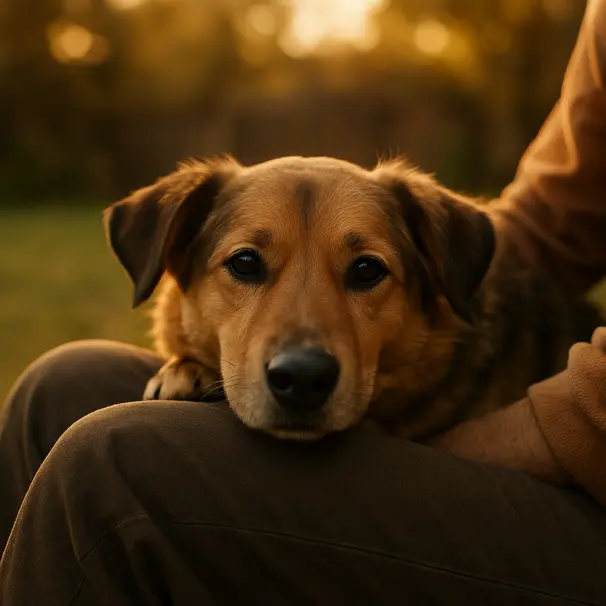
Head pressing in dogs: what it really means
If you’ve ever found your dog leaning their skull against a wall, couch, or your leg for long stretches, your heart probably did a little flip. Head pressing is one of those odd, specific behaviours that can look cute or puzzling at first, but it can also point to something more serious. Let’s walk through what head pressing may indicate, what other signs to watch for, and how you and a trusted pet carer can respond calmly and quickly.
A quick definition
Head pressing is when a dog presses the top of its head against a solid surface for no clear reason, often for several seconds or minutes at a time. It’s different from a dog leaning for comfort, or resting their head on your knee after a long walk. Head pressing is sustained, deliberate, and sometimes accompanied by other subtle signs.
Why it matters
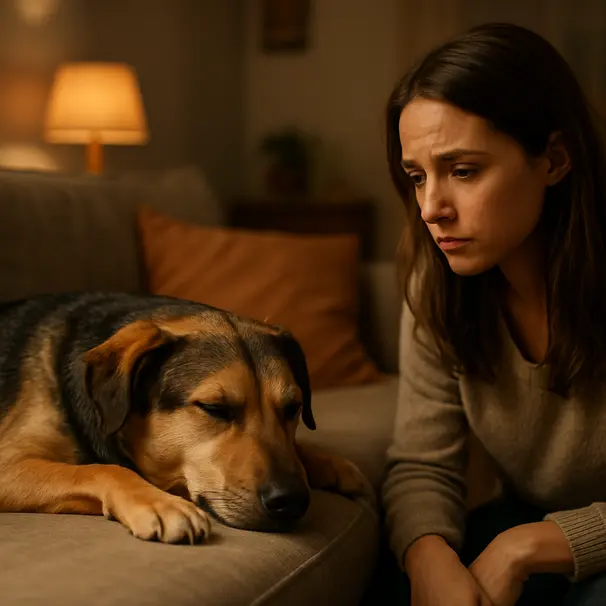
This behaviour matters because it can be a clue that something is going on neurologically or systemically. While not every instance is an emergency, head pressing can point to conditions that may need medical attention. Because there’s a wide range of potential causes, it’s helpful to take a careful, observant approach.
Common causes to consider
Remember, this isn’t a diagnosis checklist. These are possibilities to consider, and a vet is the best person to evaluate your dog.
- Neurological issues, such as inflammation or pressure inside the skull, can make a dog behave oddly. Head pressing may be one manifestation of discomfort or disorientation.
- Toxin exposure may change how a dog behaves. Certain household chemicals, plants, or medications can cause neurologic signs.
- Metabolic problems, like liver disease or severe electrolyte imbalances, can affect brain function and behaviour.
- Infectious diseases that affect the brain or nervous system could lead to unusual postures and movements.
- Pain or severe ear disease sometimes causes dogs to press their head as a response to discomfort.
Each of these categories covers many specific conditions. That’s why we avoid making definitive medical claims here, and instead suggest you consider seeking a professional assessment.
Other signs to watch for
Head pressing rarely occurs in total isolation. If you see head pressing paired with any of the following signs, consider contacting a vet sooner:
- Disorientation or wandering aimlessly
- Seizure activity, tremors, or muscle twitching
- Sudden changes in appetite or drinking
- Vomiting, diarrhoea, or collapse
- Vision changes, circling, or walking crookedly
- Changes in behaviour such as aggression, confusion, or lethargy
If head pressing appears briefly and your dog returns to normal, keep an eye on them. If it’s repeated or lasting, it’s worth getting professional advice.
How a vet may approach head pressing
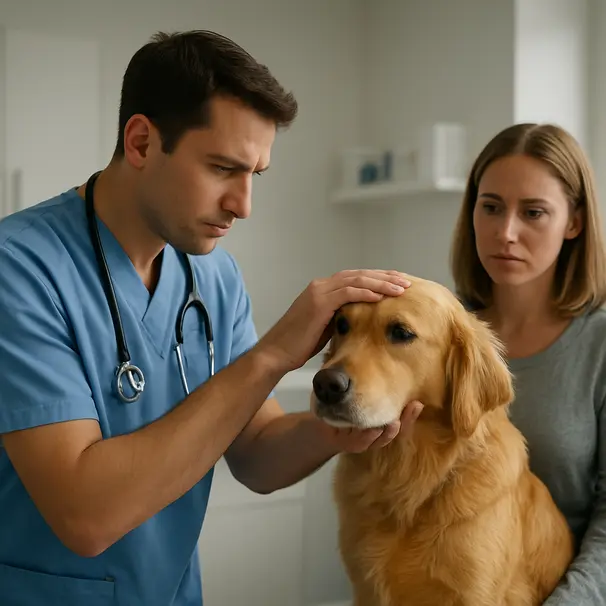
When you call or visit your veterinarian, they may ask detailed questions about timing, other symptoms, recent exposures, and any medications your dog takes. Diagnostics might be suggested to look for underlying causes. These may include blood tests, urinalysis, imaging like X-rays or ultrasound, and, in some cases, advanced imaging such as MRI or CT. The vet may also suggest contacting an emergency clinic if signs are severe.
These tests can help narrow down whether the cause is metabolic, toxic, infectious, or primarily neurological. The goal is to identify treatable issues and reduce risk to your pet.
What to do right away: a practical checklist
If you discover your dog pressing their head, try these practical steps while staying calm and gentle.
- Stay calm. Dogs pick up on stress, and keeping a steady voice helps.
- Observe and note details: when it started, how long it lasts, what surface they press against, and any other signs you notice.
- Remove obvious dangers: tuck away cleaning products, poisonous plants, or accessible medications. Avoid forcing your dog to move if they’re disoriented.
- Do a quick environment sweep for potential toxins, like antifreeze spills or exposed rat bait, then call your vet if you suspect exposure.
- Contact your regular vet or an emergency clinic, describe the behaviour and other signs, and follow their advice.
If your dog is having seizures, is collapsing, or seems unable to get up, seek emergency care immediately.

Home care while awaiting veterinary advice
If your vet advises monitoring at home, you can take these gentle steps to keep your dog comfortable:
- Provide a quiet, dimly lit place to rest where they won’t be accidentally bumped or fall off furniture.
- Offer water, but don’t force them to drink. If they’re not drinking or are vomiting persistently, update your vet.
- Keep activity low and avoid situations that might stress or overexcite them.
- Record any changes—times of feeding, urination, bowel movements, and any additional behaviours. These notes help your vet.
Avoid giving any over-the-counter human medications unless directed by your veterinarian. Some commonly available drugs can be toxic to dogs.
When it’s urgent
Call your vet or go to an emergency clinic if your dog:
- Presses their head repeatedly or for long periods
- Shows seizures, difficulty breathing, collapse, or major disorientation
- Has a sudden severe change in behaviour or responsiveness
- Has known access to a toxin or poison
In an emergency, take a sample of any suspect substance or a photo of the product packaging. If you can safely bring a sample of vomit or a blood/urine sample (if advised), that may help diagnostics.
Practical tips for pet carers and sitters
Pet carers are often the first to notice unusual behaviour. Here’s how professional carers and temporary sitters can help:
- Be observant: note the frequency, duration, and context of head pressing episodes.
- Communicate clearly: leave written notes for the owner detailing what you observed, when it happened, and any possible triggers.
- Keep the environment safe: block stairs or hazards if a dog seems disoriented, and keep dangerous items out of reach.
- Know emergency contacts: have the owner’s vet number, an emergency clinic number, and poison control resources on hand.
- If the owner isn’t available, use your best judgment—contact a vet and follow their guidance. Many carers find a brief video clip of the behaviour can be invaluable to a remote assessment.
Preventing misinterpretation
It’s easy to confuse head pressing with leaning or cuddling. To avoid false alarms, consider these points:
- Duration matters. A dog briefly resting their head after a game is different from pressing for long stretches.
- Context counts. Has the dog been active, injured, or exposed to new foods or environments recently?
- Look for patterns. One brief episode may not be alarming, but repeated incidents are worth reporting.
If you’re ever unsure, it’s better to err on the side of caution and call a vet. A quick conversation can save worry.
How owners can prepare
Having a plan reduces stress when something odd happens. Consider assembling a small pet health kit and information sheet you share with carers:
- List of emergency contacts: vet, emergency clinic, poison control.
- Allergies and current medications.
- Recent medical history and vaccination records.
- Clear instructions for familiar medications and when to seek a vet.
- A small first-aid kit with basics: gauze, tape, digital thermometer, and a blanket.
Make sure pet carers have permission to seek veterinary care if you can’t be reached. Knowing someone you trust will act quickly gives peace of mind.
Aftercare and follow-up
If a vet evaluates your dog and treats an underlying cause, follow their aftercare plan closely. Some dogs recover quickly, while others may need longer monitoring, medication, or follow-up testing. Keep tracking behaviour and share any concerns with your vet.
If a neurological cause is identified, ask the vet about signs to watch for, medication management, and whether environmental modifications can help keep your dog safe.
Real-life examples and reassurance
Many owners find that learning from others helps. A dog that pressed its head due to a short-lived metabolic issue might recover fully after a vet-led treatment. Another dog with a more complex neurological condition may need ongoing care but can still enjoy a good quality of life with the right support.
The takeaway is this: head pressing is a sign your dog is trying to tell you something. It shouldn’t be ignored, but it doesn’t always mean the worst. Fast action, calm observation, and good communication between owners, carers, and vets make the best outcomes more likely.
Final thoughts for Floofy families
If you’re a pet owner or a carer on Floofy, remember you’re not alone. Trust your instincts, document what you see, and reach out for professional help when needed. A quick photo or video, a calm voice, and clear notes can make a vet visit faster and more effective.
Head pressing can be scary, but with the right approach you can act confidently: keep your dog safe, get timely advice, and follow through with care. Your attention could make all the difference.
If you’re worried about an immediate episode, contact your veterinarian or an emergency clinic right away. For non-urgent questions, use the notes you took to start a conversation with your regular vet. And of course, if you need help connecting with trusted carers who know how to handle situations like this, Floofy is here to help you find someone experienced and compassionate.
Stay gentle, stay observant, and give your dog an extra pet from us.