

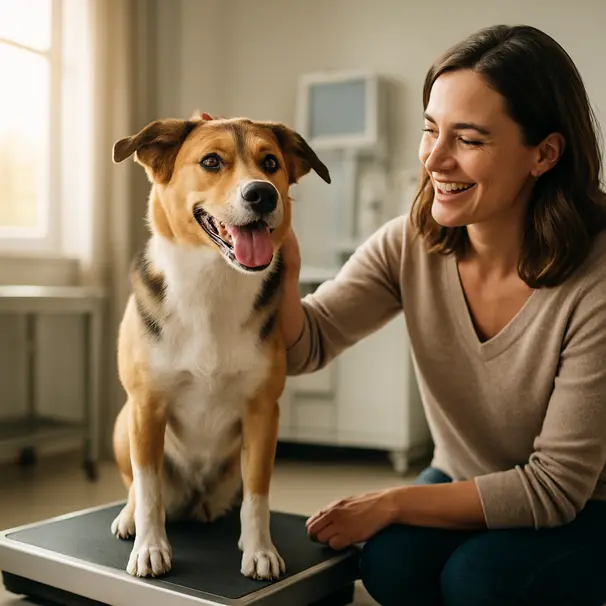
A gentle, realistic plan for a healthier dog
If your dog has put on a few extra pounds, you’re not alone. Many pets gain weight as routines change, treats sneak in, or playtime slows down. The good news is that gradual, consistent changes can help your dog lose weight safely, feel better, and have more pep for daily life. This guide is full of practical tips you can start using today, plus ways pet carers and owners can work together to support progress.
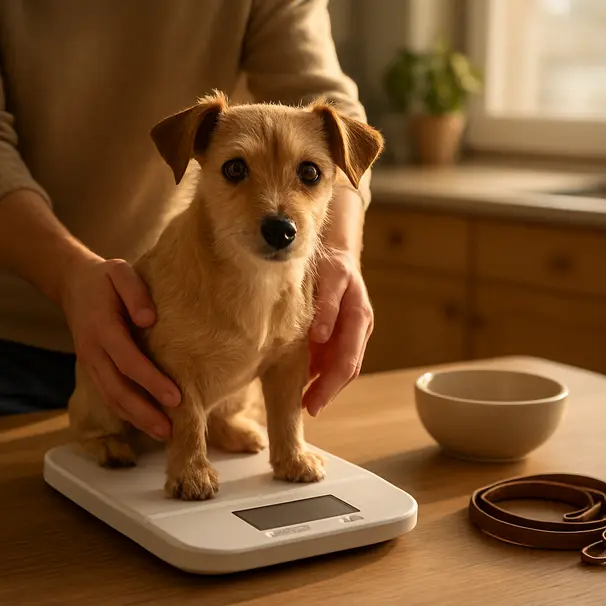
How to tell if your dog needs to slim down
A quick at-home check can give you a clue. Run your hands along your dog’s ribs. You should feel ribs without pressing hard, with a thin layer of fat covering. Look for a visible waist behind the ribs when viewed from above, and a tucked belly in profile. If those signs are faint or absent, your dog may be carrying extra weight.
Keep in mind body shape varies by breed. A veterinarian can confirm if your dog is overweight or obese and may use a body condition score to say how much weight to target.
Start by checking with a professional
Before changing food or activity levels, consider a vet visit. A check-up can identify underlying issues that might cause weight gain, like metabolic or hormonal conditions. Your vet can also recommend an ideal target weight and a safe weekly loss rate. Bringing a recent photo, current food labels, and a record of treats and exercise can help your clinician give practical advice.
Build a realistic weight-loss plan
Losing weight too fast can be risky. Aim for slow, steady progress. Here are core parts of a sensible plan you can implement at home.
Measure and manage food portions
- Weigh meals using a kitchen scale. Volume measurements like “1 cup” can vary by food type. A scale is more accurate.
- Follow feeding guidelines as a starting point, but be ready to adjust based on your dog’s response.
- Split daily food into two or three meals to keep hunger steady.
Small dogs and large dogs will have different calorie needs. Your vet or a pet nutritionist can help estimate caloric intake to encourage steady weight loss.
Choose the right food thoughtfully
Consider a food formulated for weight management or lower calorie density, but don’t swap without checking with your vet. Weight-control diets may increase fibre or adjust protein to help your dog feel satisfied. Transition slowly over 7–10 days to avoid upset tummies.
Quality matters. Look for a diet that provides balanced nutrition for your dog’s age and health status.
Treats, snacks, and training rewards
Treats can sabotage progress if they’re given too freely. Try these swaps:
- Use small, low-calorie treats designed for training.
- Replace a commercial treat with a piece of carrot, green bean, or apple slice (no seeds).
- Use part of the daily meal as training treats so you don’t add extra calories.
Keep a strict treat budget. Count treats as part of the daily calories, not extras.
Increase activity slowly and safely
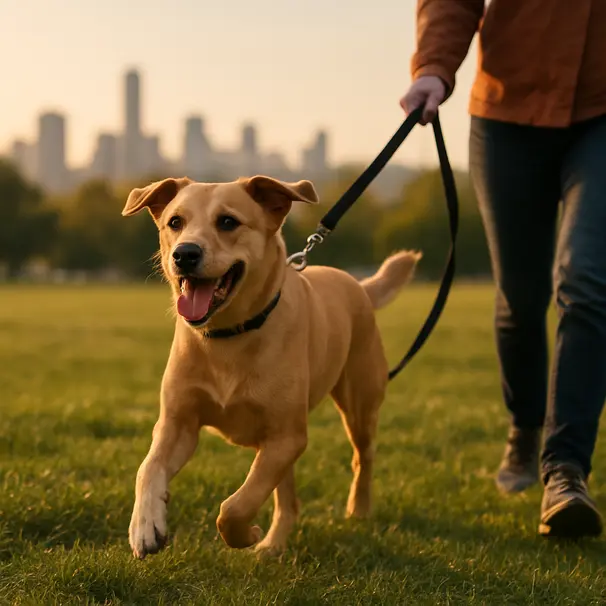
Exercise is a key part of weight loss, but it needs to be gradual if your dog is out of shape. Start with short, gentle sessions and build from there. Always watch for signs of fatigue, excessive panting, or limping.
Ideas to boost activity:
- Short walks, two or three times daily, increasing duration by five to ten minutes each week.
- Gentle play sessions at home, like fetch in a hallway or tug for short bursts.
- Swimming, which is low-impact and can help dogs with joint pain.
- Structured walks with a pet carer who can motivate steady pacing and safe routes.
If your dog has arthritis or other mobility concerns, a veterinarian or physiotherapist can suggest appropriate exercises and modifications.
Make mealtimes enriching and slower
Dogs who eat too fast may feel unsatisfied and beg for more. Try:
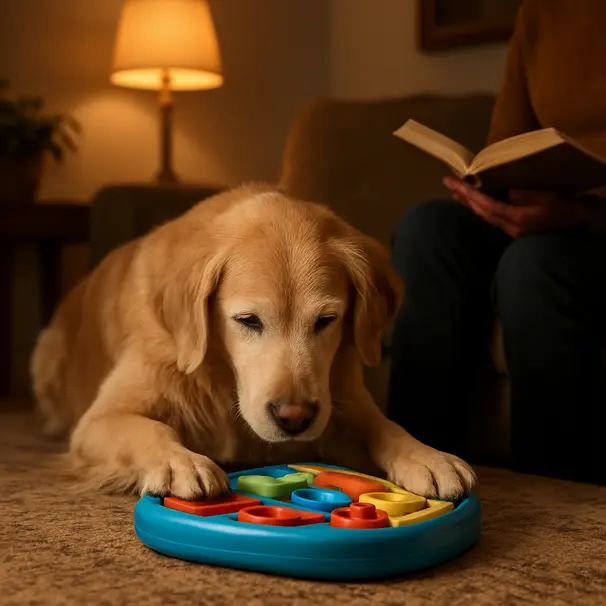
- Puzzle feeders or slow-feed bowls to stretch mealtime and provide mental stimulation.
- Scattering kibble across a mat to encourage natural foraging.
- Hiding small portions around the house for scent games that combine food with light movement.
This helps burn a few extra calories and keeps your dog mentally engaged.
Track progress with simple tools
Keeping records helps you and your vet see how things are going. Useful things to track:
- Weekly weight measurements (same scale, same time of day).
- Daily food amounts and treats given.
- Exercise minutes each day.
- Notes on mood, energy, and any health changes.
Celebrate small wins. A half-kilogram (or pound, depending on size) loss may mean better mobility, or more bounce on the next walk.
Work with a pet carer or sitter for consistency
If you use a pet carer through Floofy, share the weight-loss plan, feeding schedule, and treat rules clearly. Ask carers to:
- Use measured portions and avoid unapproved treats.
- Keep activity levels consistent with your plan.
- Record meals, treats, and walks in a shared note.
Many carers appreciate a clear routine. A cooperative approach keeps your dog’s progress steady even when you’re away.
Watch for common pitfalls and how to avoid them
- Sneaky calories: Table scraps and human food add up quickly. Make a household rule about no people food unless approved by the vet.
- Rewarding with food: Try pats, play, or a brief walk as rewards instead of treats.
- Inconsistent portions: Store kibble in measured containers and ask household members to follow the plan.
- Too little exercise too soon: Overdoing it can cause injuries. Increase activity gradually.
Sample daily routine for a medium-size dog
- Morning: 20–30 minute brisk walk, measured breakfast in slow feeder.
- Midday: Short 10–15 minute play or scent game using part of lunch portion as reward.
- Evening: 30–40 minute walk at a relaxed pace, measured dinner.
- Throughout day: Chews or low-calorie treats used sparingly and counted in daily calories.
Adjust times and durations to your dog’s fitness and breed tendencies.
Measuring body condition without obsessing over numbers
While the scale is useful, how your dog moves and feels matters too. Look for:
- Improved ability to climb stairs with less effort.
- More playful behaviour and improved stamina on walks.
- A clearer waistline and easier to feel ribs gently.
If progress stalls for a few weeks, recheck portion sizes and activity. Ask your vet if a change in plan is warranted.
Enrichment ideas that burn energy without high impact
- Nose work games: Hide treats or kibble in boxes and encourage your dog to find them.
- Stair games: Short, controlled trips up and down a stair or low step can increase exertion.
- Tug-of-war with rules: Short, supervised sessions that end before either of you gets too winded.
These activities are great for days when long walks aren’t possible.
FAQs from fellow pet owners
Q: How fast should my dog lose weight? A: A slow and steady loss is safest. Your vet can recommend a weekly target based on your dog’s size.
Q: Are grain-free or high-protein diets better? A: Diets vary by animal. Discuss options with your vet to find a balanced diet that suits your dog.
Q: What if my dog refuses the weight-loss food? A: Try mixing the new food with the old, slowly reducing the old over a week or two. Warming food slightly can make it more appealing. Ask your vet for suggestions.
When to get back to the vet sooner
If you notice rapid weight gain, sudden loss of appetite, extreme lethargy, vomiting, or changes in drinking or bathroom habits, contact your veterinarian promptly. These could be signs that need attention beyond a weight-management plan.
Encouragement for the long haul
Helping a dog lose weight is a team effort. It takes patience, consistent routines, and a kind approach. Small adjustments add up: a few fewer treats each day, an extra five-minute walk, or swapping a dense snack for a crunchy vegetable. Your dog will feel better, and you’ll likely enjoy more lively playtimes and cozy evenings together.
If you use Floofy to find carers, include your plan in their profile notes so everyone follows the same approach. Progress may be gradual, but it’s worth it for your dog’s comfort and longevity. Keep a light heart, celebrate milestones, and remember each healthy choice is an act of care.
A quick checklist to get started today
- Schedule a vet check to set a target weight.
- Measure current food portions and buy a kitchen scale.
- Replace high-calorie treats with low-calorie options.
- Add one or two short activity sessions to your daily routine.
- Use a slow feeder or puzzle toy at meals.
- Share the plan with anyone who cares for your dog.
You’ve already taken the first step by learning how to help. With steady effort, kindness, and teamwork, your dog can reach a healthier weight and enjoy better days ahead.