


Holiday pet care: finding a trusted pet carer for travel
Travel is for humans, but pets feel every change we make. Leaving a dog, cat, rabbit, or other companion behind can tug at your heartstrings. The good news is that with the right preparation and a trusted carer, your time away can be easier for everyone.
This guide is for pet owners and carers. It walks through choosing the right type of care, vetting and interviewing sitters, preparing your home and pet, and practical steps to prevent stress while you’re away. Think of it as a friendly checklist to help your pet feel safe and happy while you’re sipping cocktails or exploring new cities.
Decide what kind of care fits your pet
Not every pet needs the same arrangement. Start by matching your pet’s needs with the type of care you’re considering.
- In-home pet sitter: A sitter visits your home to feed, walk, and check on your pet. Great for pets who do best in familiar surroundings, anxious animals, and multi-pet households.
- Pet carer stays overnight: A sitter stays in your home or your pet stays with the carer. Overnight stays can work well for very social pets or those with medical needs.
- Boarding or day-care: Boarding facilities and day-care centres are structured and social. Some pets love the activity, but others might find it stressful.
- Dog walkers or drop-in visits: Short visits for walks, food, and play. Ideal for independent cats, short trips, or when you’ll be gone only a day or two.
Consider these factors when choosing:
- Routine sensitivity: Does your pet thrive on the same schedule? Staying home usually preserves routines.
- Medical needs: Pets that require medication, injections, or close monitoring may benefit from a certified carer or a facility with veterinary ties.
- Social needs: High-energy dogs often do well with sitters who can provide exercise. Shy pets may prefer quiet, familiar environments.
Match the choice to your pet’s personality, not your convenience. That’s the quickest route to everyone feeling calm.
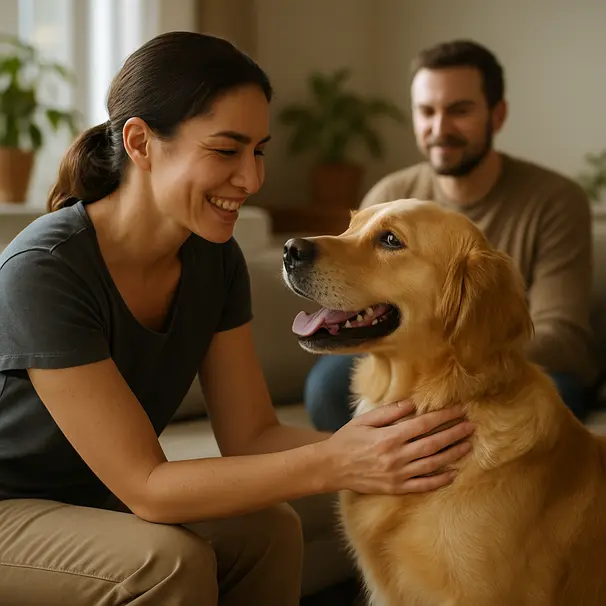
Where to find trusted carers and what to look for
Marketplaces like Floofy make it easier to connect with nearby carers, but trust is still earned. Look for carers who provide clear profiles, recent photos, and multiple reviews. Here are practical indicators of a responsible carer:
- Detailed profile and real photos: Authentic profiles include background, experience, and qualifications.
- Verified ID and background checks: Platforms often offer verification. It’s a meaningful extra layer of security.
- Consistent positive reviews: Read comments for specific examples—did they handle medication, nervous dogs, or multi-pet homes successfully?
- Clear communication: A prompt, thoughtful first message is a good sign. They should ask about routines, vet contacts, and emergency procedures.
- Insurance and bonding: Professionals usually carry liability insurance or are covered by the platform.
Pet carers: be transparent about your services, availability, and boundaries. Pet owners appreciate honesty about experience with certain breeds or medical tasks. This builds trust from the first message.
Screening checklist: questions to ask (and red flags to watch)
Before you book, have a short interview—phone calls or video chats work well. Here’s a checklist you can use.
Essential questions:
- What experience do you have with my type of pet?
- Are you comfortable administering medication or injections if needed?
- Can you provide references or recent client reviews?
- What happens in an emergency? Do you have transport and are you comfortable taking my pet to the vet?
- How will you communicate with me while I’m away (text, photos, daily updates)?
- Are you insured or bonded?
Red flags:
- Vague answers or reluctance to share references.
- Avoiding questions about emergency procedures.
- Overpromising (saying yes to every task without experience).
- Poor communication before booking.
For carers, asking the right questions matters too. Learn about the pet’s daily routine, favourite comforts, any triggers, and the precise location of supplies. That shows professionalism and care.
The meet-and-greet and trial stays
A meet-and-greet is where trust really grows. Schedule a short visit well before your trip. Watch how your pet reacts. Do they warm up quickly? Or do they retreat? The answers will guide your choice.
What to do during a meet-and-greet:
- Introduce calmly: Let the pet approach on their own terms. Watch body language and energy.
- Walk through the routine: Have the carer demonstrate feeding, leash handling, crate use, or any special tasks.
- Practice any medical routines: Give the carer a chance to handle medication, administer drops, or mimic a change in routine.
- Discuss communication: Agree on how often you want updates and what to include in messages or photos.
- Observe boundaries: Make sure both sides are comfortable with house rules and expectations.
Consider a short trial stay or a single overnight visit before a longer holiday. It reduces surprises and gives your pet and carer time to adjust.
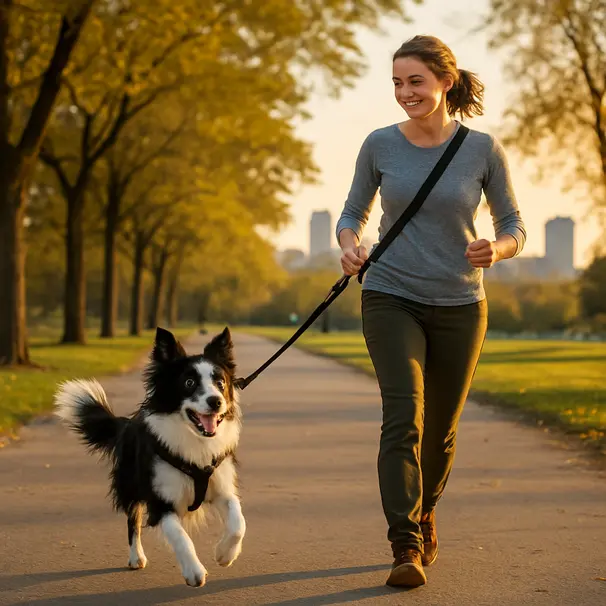
Preparing your home and leaving clear instructions
Good preparation makes life easier for the carer and less stressful for your pet. Create a clear, accessible information packet.
What to include in written instructions:
- Daily routine: feeding times, portion sizes, walk schedule, favourite games.
- Medical and health details: medication names, dosages, administration times, known allergies, and vet contact info.
- Behaviour notes: fears, triggers, favourite calming cues, how they show stress.
- House rules: furniture rules, doors to keep closed, access codes, alarm instructions.
- Emergency contacts: a local friend or neighbour who can be reachable, plus your own contact and travel details.
- Location of supplies: food, medications, treats, leashes, litter boxes, waste bags, first aid kit.
Label everything. A labelled container or a simple checklist on the fridge saves time and reduces mistakes. If your pet uses apps or trackers, make sure login details are accessible to the carer.

Safety, emergencies, and when to call the vet
Emergencies are rare, but knowing the plan makes you calm and decisive. Share exact instructions with your carer and include:
- Primary vet contact and clinic address, including after-hours information.
- Written permission for the carer to seek emergency veterinary care, plus a spending limit if you want one.
- Clear signs that require immediate attention: severe vomiting, difficulty breathing, collapse, strange disorientation, or severe bleeding. Encourage carers to call you and then the vet.
Carers should carry identification and be clear on transport options. For pets with chronic conditions, consider leaving written medical records and a recent photo in case it’s needed for identification.
If you’re unsure about a symptom before you leave, consult your vet and document the guidance. That can help the carer make the right decision later.
Practical packing list for carers and owners
For owners leaving a pet at home or with a sitter:
- Two weeks’ worth of food divided into daily portions.
- Medications with clear labels and dosing schedule.
- Treats, favourite toys, and a familiar blanket or bed.
- Recent photo of your pet and a copy of vaccination records.
- Contact information: vet, emergency contact, and your travel itinerary.
For carers preparing to visit or stay:
- A basic pet first aid kit and gloves.
- Portable water bowl and a leash.
- Notepad for observations and a simple daily checklist.
- Phone charger and the host’s house rules in writing.
Leaving predictable items, like a favourite blanket or the owner’s worn T-shirt, can comfort pets and reduce anxiety.
Helping your pet adjust and easing separation anxiety
Separation can be hard for pets. Small steps before departure can make a big difference.
- Practice short absences: Leave for 10–20 minutes and build up to longer periods. Reward calm behaviour on your return.
- Keep departures low-key: Avoid long goodbyes. A quiet routine helps pets learn that you’ll return.
- Stick to routines: Ask the carer to follow your pet’s mealtime and walk schedule as closely as possible.
- Provide enrichment: Puzzle feeders, safe chew toys, and tucked treats keep minds busy.
- Calming cues: Familiar scents, a gentle playlist, or pheromone diffusers may help some animals. Consider these as options and consult your vet if you want to try something new.
For dogs, regular exercise before you leave and daily walks while you’re away can reduce nervous energy. For cats, vertical space and hiding spots are essential. Rabbits and small pets may prefer fewer, quieter interactions.
Payments, agreements, and boundaries
Be clear up front about fees, cancellation policies, and expectations. Put the agreement in writing through the platform messaging or a simple email. Include:
- Service dates, arrival and departure times.
- Hourly rates or flat fees, plus any surcharge for holidays or extra pets.
- Cancellation and emergency policy.
- Agreed communication frequency (for example, daily photo updates).
Respect the carer’s time and professionalism. If you want them to travel with your pet or perform unusual tasks, verify their comfort level and adjust the fee if needed.
Final checklist before you leave
- Confirm booking and payment with the carer.
- Do a final run-through of written instructions and label supplies.
- Leave emergency paperwork and spare keys in a known spot.
- Introduce the carer to neighbours or a nearby friend who can help in an emergency.
- Leave a comforting item with your pet and set up any tech (cameras, feeders) you agreed on.
Take a deep breath. You’ve prepared, trained, and chosen carefully. Trust the process and enjoy your trip.
Notes for carers: building a great reputation
If you’re a carer, small habits build big trust:
- Send timely updates with photos and concise notes.
- Respect house rules and the owner’s routines.
- Be proactive about small problems and honest about big ones.
- Keep records of meds and any unusual behaviour.
A calm, reliable carer makes holiday travel easier for entire households.
Wrap-up
Travel is sweeter when you know your pet is in good hands. With thoughtful vetting, a solid meet-and-greet, clear instructions, and a practical emergency plan, you can minimize stress for you and your pet. Use the checklist in this guide, communicate clearly, and remember—most pets adapt quickly when they’re cared for by someone thoughtful and prepared. Safe travels, and may your inbox be full of happy pet photos while you’re away.