

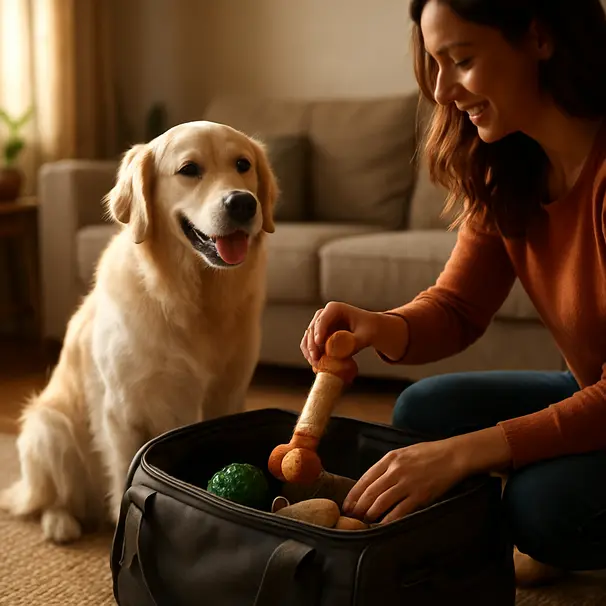
Holiday pet care tips for travel and choosing a pet carer
Planning a holiday is exciting, but leaving a pet behind can feel like a small tug on your heart. With a bit of preparation and the right carer, most pets do wonderfully. This post is a warm, practical guide for pet owners and carers who want a smooth experience from the first suitcase zipped to the joyful reunion.
Start early: planning and considerations
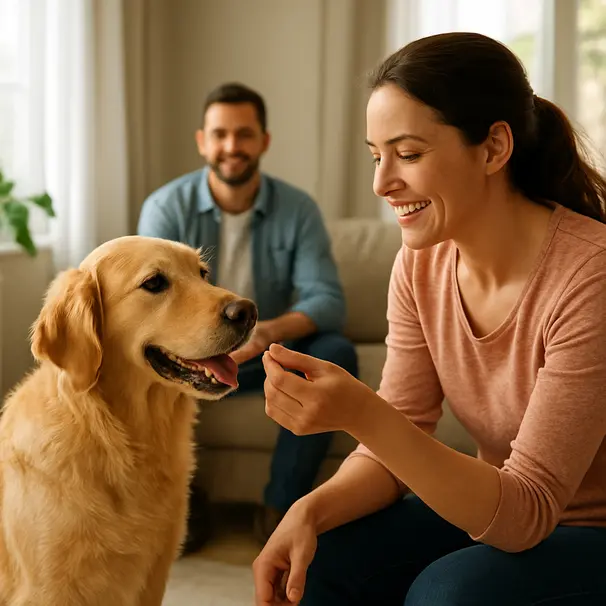
Give yourself time. Start planning at least a few weeks before your trip, and longer if your pet has special needs. Early planning helps you find the right person, arrange vet checks, and sort gear. It also gives your pet a chance to adjust to changes gradually.
Think about your pet’s routine. Dogs often need regular walks, mental stimulation, and bathroom breaks. Cats may prefer a familiar space and predictable feeding times. Small mammals, birds, and reptiles have their own environmental and dietary routines. Make a list of daily tasks and any quirks, like a dog who gets anxious during storms or a cat that hides when new people visit.
Consider the travel itself. If your pet is traveling with you, check transport rules and carrier requirements. If they’re staying home, decide whether in-home care, a sitter who stays overnight, or boarding is the best fit. Each option has pros and cons; matching your pet’s personality to the care style is key.
Travel options and preparation
If you plan to travel with your pet, a calm, well-prepared pet is a happier travel buddy.
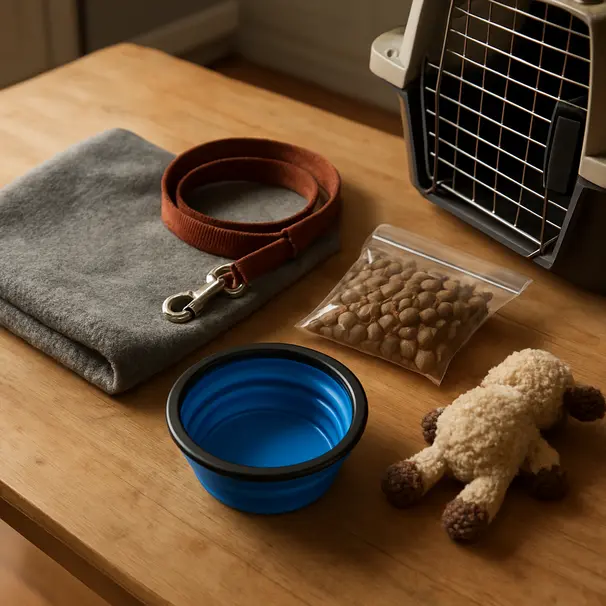
- Car travel: Secure carriers or harnesses help keep everyone safe. Pack a travel kit with food, water, a familiar blanket, and cleanup supplies. Take regular breaks for short walks, bathroom stops, and water. Practice short drives before a long trip so your pet gets used to the motion.
- Plane travel: Airlines have specific rules and carrier dimensions. Book early and check temperature and timing restrictions. Consider whether your pet is suited to air travel at all. If your pet is elderly or has health issues, consult your vet and consider alternatives.
- Train or bus: Check operator policies. Some services allow small pets in carriers only. Bring calming items and plan for quiet times.
How to make travel less stressful:
- Keep routines similar, especially feeding and exercise times.
- Bring a smelly comfort item from home, like a blanket or toy.
- Use short practice trips to help your pet build tolerance.
- Consider calming tools like gentle pressure wraps or pheromone diffusers, and talk to your vet about options if anxiety is severe.
Choosing the right type of care
You have several choices: in-home pet sitting, sitter who stays overnight, boarding kennels, or a pet-friendly friend or family member. Here’s how to weigh them.
- In-home sitting: A carer visits for walks, feeding, playtime, and companionship. Great for pets who prefer their own environment. It reduces stress tied to new spaces.
- Overnight sitter: Someone stays in your home while you’re away. This is ideal for pets that need company at night or those with medical needs.
- Boarding: Professional facilities provide constant care and socialization. Some pets thrive here, others might find it stressful. Visit the facility in advance, check cleanliness, and meet staff.
- Daycare or pet hotels: Useful for social dogs who enjoy group play. Ask about staff-to-pet ratios and supervision routines.
Match the care type to your pet’s personality. A shy cat usually prefers staying at home. A social, high-energy dog might enjoy daycare or a sitter who can provide several walks a day.
How to find and vet a trusted pet carer
Floofy and other pet-care platforms make searching easier, but a careful selection process matters. Here’s a step-by-step approach.
- Read profiles and reviews, then shortlist a few carers. Look for experience with your species and any special needs.
- Interview candidates. Ask about their experience, emergency procedures, and how they’d handle behavioral issues. Look for clear answers, empathy, and confidence.
- Check references. Speak to previous clients about reliability, how they handled surprises, and whether their pets were happy afterward.
- Verify credentials. For carers who medicate pets or offer specialized care, ask about training, certifications, or vet recommendations.
- Do a trial visit. A short meet-and-greet or a day visit helps your pet and carer get comfortable with each other. It also reveals how the carer interacts with your pet.
Interview questions to consider:
- What experience do you have with my pet’s breed or species?
- How would you handle a pet who becomes anxious or refuses to eat?
- Are you comfortable administering medication or following a special schedule?
- What’s your backup plan if you can’t make a scheduled visit?
- How do you communicate with owners while they’re away?
Preparing detailed instructions and a pet binder
Make life easier for your carer and safer for your pet by preparing a clear set of instructions. Put these in a binder or digital file.
Essentials to include:
- Up-to-date contact info for you, a local emergency contact, and your vet. Include the vet’s address and phone number, and any after-hours clinics nearby.
- A clear feeding schedule with exact portion sizes and brand names.
- Medications with dosages, photos of pills, and step-by-step administration notes.
- Daily routines: walks, playtime length, favorite games, and quiet times.
- Behavior notes: what calms your pet, what scares them, and signs of stress to watch for.
- House rules: furniture, rooms off-limits, and where keys, spare leashes, and waste bags are kept.
- Emergency instructions: where supplies are, whether to seek a vet immediately, and how fast to try contacting you.
Labeling food containers and medicine clearly can prevent confusion. Consider leaving a short video showing feeding, walking route, or how your pet likes to be comforted.

Communication while you’re away
Agree on how often your carer will check in. Daily photo updates and a quick message can ease your nerves and let the carer show you everything is fine. But be flexible. Constant calling can distract carers from their duties and may stress your pet.
Set expectations for emergencies. Decide whether the carer should call you first, contact your emergency contact, or take your pet directly to the vet if you cannot be reached. Provide clear authorization if you want the carer to make urgent medical decisions.
Use simple reporting templates to keep notes consistent. For example:
- Time of visit
- Food and water notes
- Elimination and walk details
- Mood and behavior cues
- Any concerns or unusual events
Safety and comfort tips for the home
A safe, predictable environment helps pets stay calm. Before you go:
- Tidy up hazards: secure cords, put away tiny chewable items, and ensure trash is inaccessible.
- Keep favorite toys and bedding out. Familiar scents are reassuring.
- Leave curtains and lights on timers to maintain a normal day-night rhythm.
- Keep a small supply of familiar treats and enrichment toys. Puzzle feeders and slow-dish bowls can help with bored pets.
If leaving a sitter unattended overnight, show them where to find emergency supplies like first aid kits, carriers, and spare leashes.
Handling medication and special needs
If your pet needs medication, provide clear written instructions and a quick demonstration. Label everything. If you’re uneasy about leaving complex treatments to someone else, arrange for a veterinary nurse visit or a sitter with medical experience.
For pets with anxiety or chronic conditions, a trial stay or more frequent check-ins before the holiday may help. Discuss any behavior modification plans with your carer and your vet. Remember to use language like “consider” and “may” when talking about health; encourage a vet consultation for medical decisions.
The day you leave and the reunion
On departure day, keep things calm. Avoid long, dramatic goodbyes which can heighten anxiety. A quick, affectionate send-off usually works best. Leave the carer a small, clear checklist for the first few hours.
When you come home, expect a mix of excitement and a short adjustment period. Your pet may be exuberant, clingy, or slightly off their routine for a day or two. Reintroduce rituals slowly, especially around feeding and exercise. Give extra attention, but maintain normal boundaries so your pet knows routines are back in place.
Checklists and printable templates
Here are two quick checklists you can copy into your binder:
Pet care essentials checklist:
- Food and portions labeled
- Feeding schedule
- Medications and instructions
- Leashes, carriers, and collars
- Favorite toys and bedding
- Vet and emergency contact info
- House access and spare keys
- Any behavioral notes
Carer meet-and-greet checklist:
- Observe interaction style
- Ask about emergency procedures
- Clarify communication frequency
- Do a trial walk or feeding session
- Confirm fee structure and cancellation policy
Final tips for a worry-free holiday
- Trust your instincts: if someone seems off, keep looking.
- Book your preferred carer early, especially during peak holiday seasons.
- Keep backup plans: a second carer or a vetted boarding facility as a fallback.
- Reward your carer with a thank-you note or small tip for exceptional care.
Being away from your pet can feel stretching, but with thoughtful preparation, most holidays go smoothly. Pets remember care, attention, and consistent routines. Finding a trusted carer is about matching personalities, clear communication, and leaving a home that supports safety and comfort. Enjoy your trip, and know your pet is in good hands.
Quick resources and next steps
- Prepare your pet binder this week, then schedule meet-and-greets.
- Create a short demo video of key routines.
- Make a list of local emergency clinics and leave copies with your carer.
Safe travels, and may your holiday be full of rest and happy pet photos when you return.