

Quick note for worried cat lovers
Horner’s syndrome sounds scary, but it’s a collection of signs rather than a single disease. If you spot one or more changes around your cat’s eye or face, it’s worth paying attention. This guide walks you through five signs to watch for, why they might happen, and practical steps you and a trusted carer can take to help your cat feel better while you get veterinary advice.
What is Horner’s syndrome, in plain language?
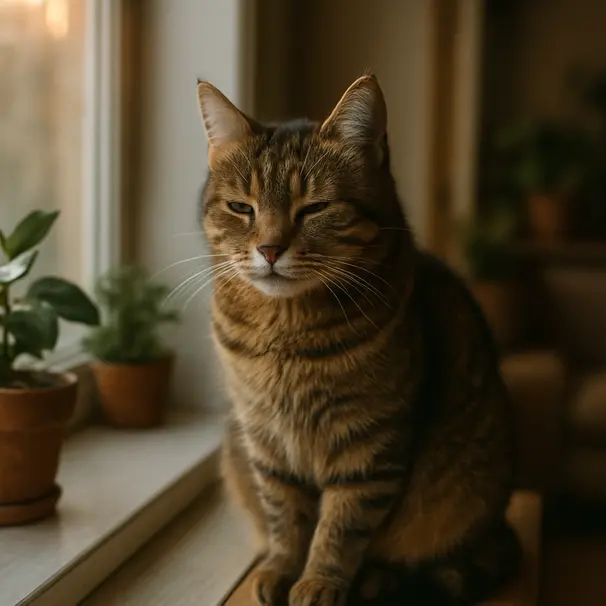
Horner’s syndrome may show up when the small nerve pathway that helps control parts of the eye is interrupted. That interruption can come from several different places along the nervous system, and the result is a specific set of changes in the affected eye and nearby facial tissues. It often shows on just one side of the face, which can make the change obvious and worrying.
We won’t dive into dense medical jargon here. For pet owners, the important thing is to recognise the visible signs and know what to do next. Seeing these signs doesn’t automatically mean something catastrophic, but it does usually mean a vet check is a good idea.
Recognising the five signs
Below are five signs that commonly appear with Horner’s syndrome. You might see one or several of them. Try to make a short note or take a photo so you can show your vet exactly what changed and when.
1. A smaller pupil on one side (miosis)
One of the clearest signs is a pupil that looks noticeably smaller on the affected side. In bright light both pupils get small, so check in soft indoor light. If one pupil stays much smaller than the other, that asymmetry is a clue.
How to spot it at home:
- Sit with your cat in a quiet room with gentle lighting.
- Look straight at the eyes from about an arm’s length away.
- If one pupil looks pinprick small compared with the other, take a photo for the vet.
Remember, some cats naturally have slight pupil differences, but a new or sudden change is what matters most.
2. A drooping upper eyelid (ptosis)
You might notice the upper eyelid on the affected side seems lower or droopier. The eye can look partly closed, and the cat may blink less on that side. This droop can make the eye look sleepy or smaller.
What to watch for:
- One eyelid appearing lower than the other.
- The cat squinting more on the affected side.
- An owner or carer noticing reluctance to open that eye wide.
This sign can be subtle, so again, photos and gentle observations over a day or two can help your vet see the pattern.
3. A sunken-looking eye (enophthalmos)
The affected eye can appear slightly sunken into the socket, which changes the face’s look on that side. It may not be dramatic, but combined with the other signs it becomes more noticeable.
How you might notice it:
- The eye looks set back compared with the other eye.
- Whisker position or skin folds look uneven.
- A cat’s face looks mildly asymmetrical when relaxed.
If the eye seems sunken and your cat also has trouble eating or swelling around the face, seek vet attention sooner.
4. A visible third eyelid (nictitating membrane) on one side
Cats have a third eyelid that usually stays hidden at the inner corner of the eye. With Horner’s syndrome, that third eyelid can creep up and become visible, looking like a pale triangle in the corner of the eye.
Signs to check for:
- A pale strip of tissue showing at the inner eye corner.
- The third eyelid may be more visible when the cat is sleepy or resting.
- The eye may look ‘covered’ slightly by this membrane.
A protruding third eyelid can also happen with other eye conditions, so it helps to note whether the eye itself seems irritated or painful.
5. Subtle facial or eyelid changes, and tear or mucus differences
Some cats show mild redness or extra tearing on the affected side. The skin and fur around the eye might seem cooler or the whiskers angle slightly differently because of the muscle changes in the face.
What owners often notice:
- Slight tearing or a small discharge that isn’t thick or green.
- The fur near the eye looking damp from tears.
- A faint difference in the face’s symmetry you only notice when you study your cat’s profile.
If you see thick, yellow-green discharge, or the eye looks painful or cloudy, seek immediate veterinary care rather than waiting for a routine appointment.
What might cause these signs?
A few different problems can interrupt the nerve pathway and lead to Horner’s signs. Common causes that vets consider include ear disease, injury to the neck or chest, some middle ear or skull problems, or rarely a mass or tumour pressing on nerves. In many cats, no clear cause is found and the condition is labelled idiopathic.
It’s important to avoid jumping to a single conclusion. Rather than guessing the cause at home, consider these steps:
- Make a clear list of all changes you see and when they started.
- Note any recent injuries, fights, or unusual behaviours.
- Mention ear scratching, head tilting, or any breathing or eating difficulties to your vet.
Your vet may suggest tests such as a full physical and neurological exam, ear checks, blood work, ocular tests, or imaging if they think it is needed. These tests are used to identify or rule out underlying problems.
When to contact a vet urgently
Most cases of Horner’s syndrome aren’t instantly life-threatening, but there are situations where prompt attention is wise:
- The cat seems weak, confused, or stops eating.
- There is breathing difficulty, severe facial swelling, or obvious pain.
- The eye itself looks cloudy, very red, or has thick discharge.
If you or a carer on Floofy are unsure, err on the side of caution. It’s better to call the clinic and describe the changes than to wait.
Practical steps you can take at home or with a carer
While you arrange a vet visit, these simple actions can help your cat stay more comfortable and make it easier to track changes.
- Keep the environment calm. Soft lighting and quiet spaces help if your cat is feeling off.
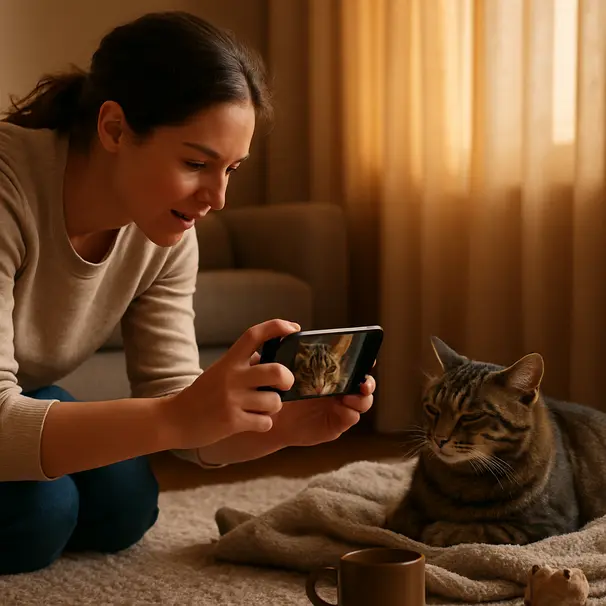
- Photograph the eyes from the same angle across several days. These photos become useful records for the vet.
- Note any other strange behaviours: balance issues, ear scratching, appetite changes, lethargy.
- Avoid poking or prodding the eye. If you need to restrain your cat for a photo or transport, use gentle, secure handling to reduce stress.
- If medication is prescribed by a vet, work with a trusted carer or sitter to administer it correctly.
Floofy carers can be a real help here. They can monitor the cat, take clear photos, transport your cat to the clinic if needed, and ensure medications are given on schedule. Communication between you and the carer about what to look for and what the vet recommended will make follow-up smoother.
Diagnosis and treatment — what to expect at the vet
A veterinary exam may include checking reflexes, the ears, the neck, and the chest. Sometimes eye drops are used to help narrow down where the nerve interruption might be. If your vet suspects a deeper cause, imaging like X-rays or an ultrasound may be suggested.
Treatment depends on the underlying cause. If an ear infection is found, a course of appropriate medication may help. If no cause is identified, the vet may recommend supportive care and monitoring. Recovery can vary—some cats improve within weeks, others may take longer.
Throughout this process, keep asking questions. It helps to understand what tests are planned, what they can show, and how long recovery might take.
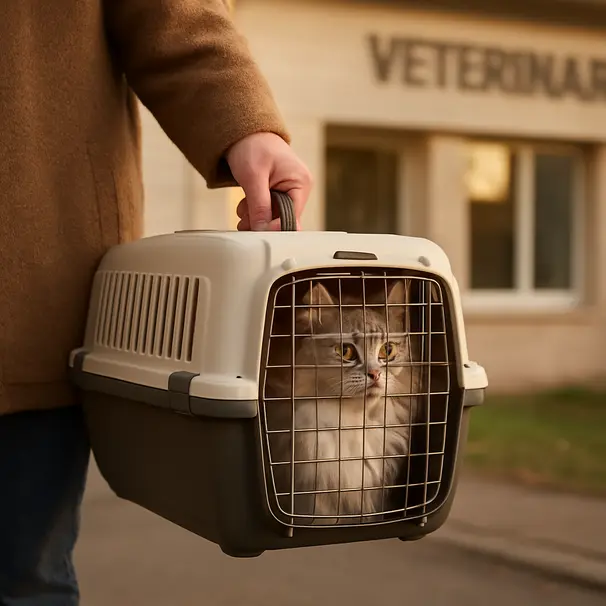
Tips for carers and pet sitters helping a cat with Horner’s signs
If you’re a sitter or carer looking after a cat with Horner’s signs, your observations are invaluable. Here are practical tips to make your notes and support useful:
- Take photos in consistent lighting and angles daily.
- Record appetite, energy levels, grooming, and any new behaviours.
- Check ears for scratching or discharge, but leave deeper checks to the vet.
- Bring the cat to the clinic if the owner asks, keeping travel calm and cushioned.
- Administer medications only if you have written instructions from the owner and vet.
Clear communication on Floofy about what you saw and when will help the owner make informed choices with their vet.
A gentle wrap-up
Finding a change in your cat’s face is unsettling, but you don’t have to panic. Horner’s syndrome gives you clear signs to watch for: a smaller pupil, drooping eyelid, a sunken look, a visible third eyelid, and subtle facial differences. Use photos and notes, get veterinary advice, and lean on trusted carers to help with monitoring and care.
If you’re a Floofy user, remember that carers can be a compassionate bridge between home and the clinic. Together you can make sure your cat gets timely attention, stays comfortable, and receives the right care.
If you want, save this guide to your phone, so you and any carers have the signs checklist on hand. And if you notice sudden or severe changes, contact your vet promptly. Cats may hide discomfort, so your careful eye and gentle care can make a big difference.
Stay patient, keep your kitty comfy, and trust your instincts—you’re doing the right thing by paying attention.