

Housing requirements for exotic pets: a pet carer’s guide
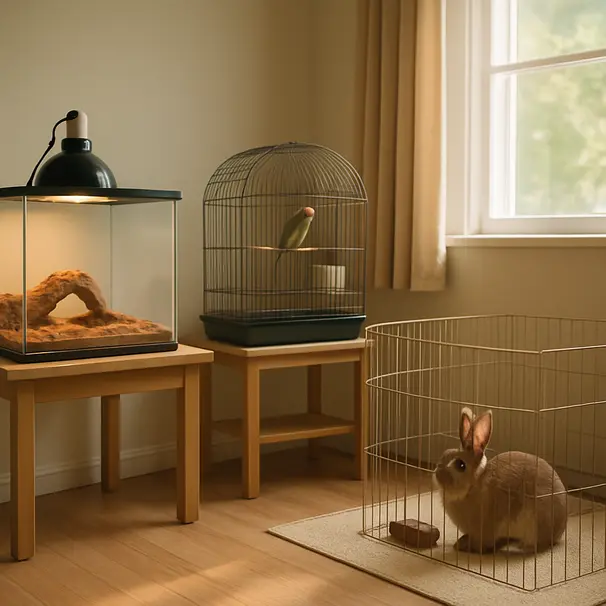
Caring for exotic pets can be wonderfully rewarding and occasionally puzzling. Each species brings a unique set of needs, and the right housing can make the difference between a stressed animal and a content companion. This guide aims to help pet owners and carers create safer, more comfortable homes for reptiles, birds, small mammals and amphibians, with practical tips you can use today.
Core housing principles for all exotic pets
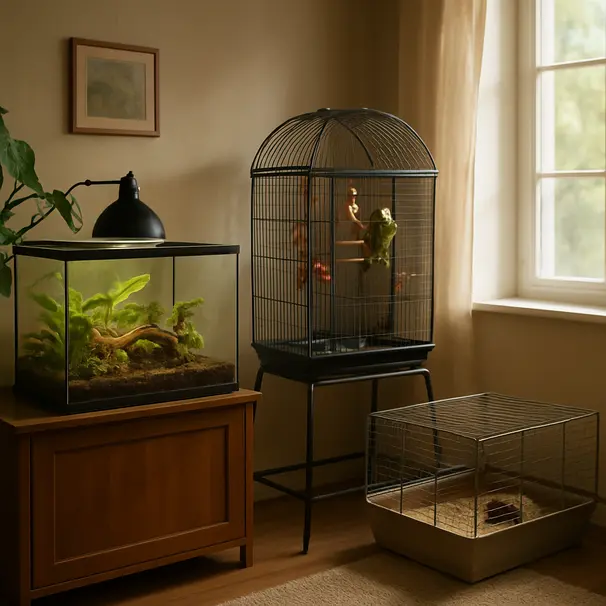
No matter the species, some basic principles underlie good housing. Think of these as the foundation to build on.
- Space matters, but quality matters more. Give animals room to express natural behaviours, climb, forage or burrow. Size recommendations often depend on the animal’s age and activity level.
- Security and escape-proofing. Enclosures should close securely and be made of materials that resist chewing or digging if the species is known to do so.
- Temperature gradients. Many exotic pets like reptiles and amphibians need a warm side and a cooler side to thermoregulate. Provide gradients rather than uniform heat.
- Humidity control. Some species prefer drier air, while others need higher humidity. Monitor with a hygrometer and adjust substrate, misting, or humidifiers accordingly.
- Hides and privacy. Almost every exotic pet benefits from sheltered spots where they can retreat and feel safe. Too few hiding places raises stress levels.
- Proper substrate. Use species-appropriate materials that are safe, non-toxic, and easy to clean. Avoid substrates that can cause impaction or respiratory issues.
- Clean water and food hygiene. Place water and food dishes to minimize contamination and change water daily for most pets.
- Lighting and photoperiod. Day/night cycles support normal behaviour. For many reptiles, UVB lighting can help with calcium metabolism, so consider species needs and replace bulbs on schedule.
- Enrichment and mental stimulation. Toys, branches, tunnels and foraging opportunities keep animals engaged and reduce boredom.
These principles form a checklist carers can use when preparing a temporary home or doing daily care visits.
Reptiles: creating a comfortable terrarium
Reptile housing varies widely. A bearded dragon has different needs than a ball python. Still, the basics below apply broadly.
Enclosure type and size
- Glass terrariums are common for lizards and snakes. They retain heat and are easy to view, but they may need additional ventilation.
- PVC or wooden enclosures can be better for humidity control, especially for species that need damp environments.
- Size guidelines: provide enough floor space for the animal to move freely, climb, and thermoregulate. Adults need more than juveniles; check species-specific recommendations.
Heat and lighting
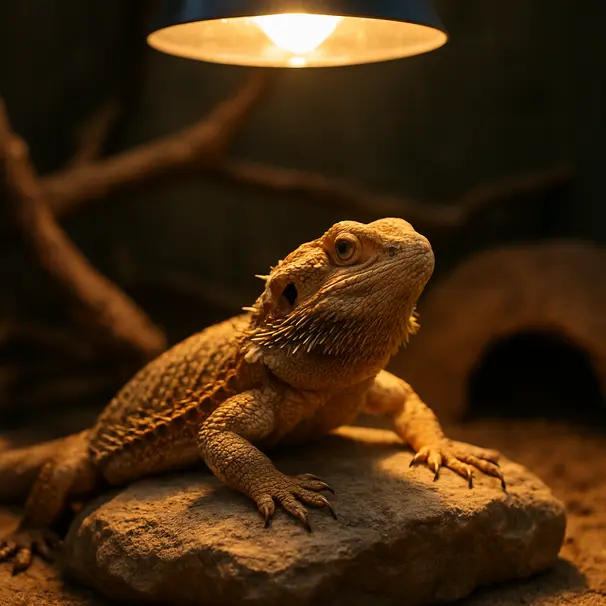
- Provide a temperature gradient so the animal chooses its comfort zone. Consider using under-tank heaters, ceramic heaters, or heat lamps depending on the species.
- UVB lighting may help some diurnal reptiles maintain healthy calcium levels. Replace UVB bulbs on the manufacturer’s timeline, because their output diminishes even if they still glow.
Substrate and décor
- Sand, reptile carpet, calcium-based substrates and paper-based options all have pros and cons. Avoid loose substrates for animals prone to accidental ingestion.
- Offer sturdy branches, platforms and hides. Climbing species appreciate vertical space and different textures.
Humidity and hydration
- Monitor humidity and adjust with misting, humidifiers or moisture-retentive substrate. For species that soak, provide shallow, clean water dishes.
Cleaning and maintenance
- Spot-clean daily, deep clean weekly to monthly depending on the animal and enclosure size. Use pet-safe disinfectants. Replace substrate when soiled and clean decor regularly.
Birds: cages, flight and mental stimulation
Birds are intelligent and social. Their housing needs reflect that curiosity and energy.
Cage considerations
- Choose a cage with horizontal space for flight and wing-flapping. Height matters for climbing species, but horizontal room allows movement.
- Bar spacing should suit the species. Too wide, and smaller birds may escape or get stuck; too narrow, and larger birds feel cramped.
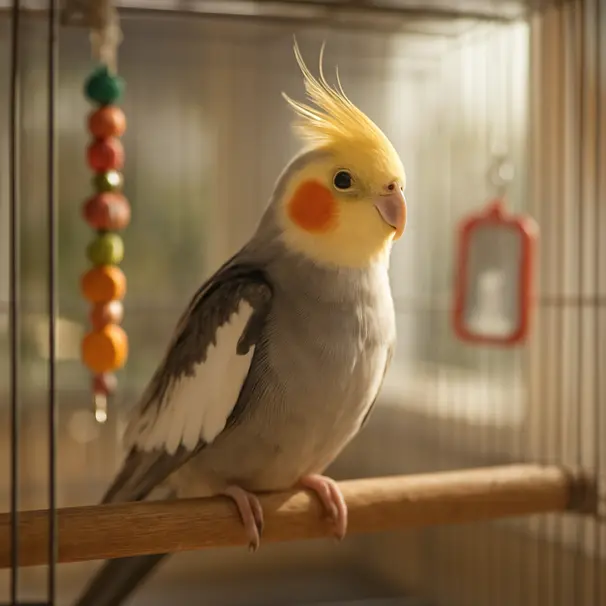
- Use solid perches of varying diameters to exercise feet. Natural wood perches are often better than uniform plastic dowels.
Placement and environment
- Place cages away from drafts, direct hot sun and busy doorways. Birds like to be part of family life, but also need quiet time.
- Maintain a comfortable room temperature. Sudden temperature swings can stress birds.
Enrichment and social needs
- Rotate toys regularly and provide foraging opportunities. Puzzle feeders, shredded paper, and small treat dispersion can keep minds active.
- Many birds need supervised out-of-cage time. If allowed free flight, make the environment safe by closing windows and covering mirrors.
Hygiene
- Replace cage liners frequently, clean droppings trays and disinfect perches and toys. Metal toys may rust, so inspect and remove anything that becomes unsafe.
Small mammals: rabbits, guinea pigs, ferrets and more
Small mammals often require more floor access and social interaction than people expect. They tend to be active and inquisitive.
Cage and run size
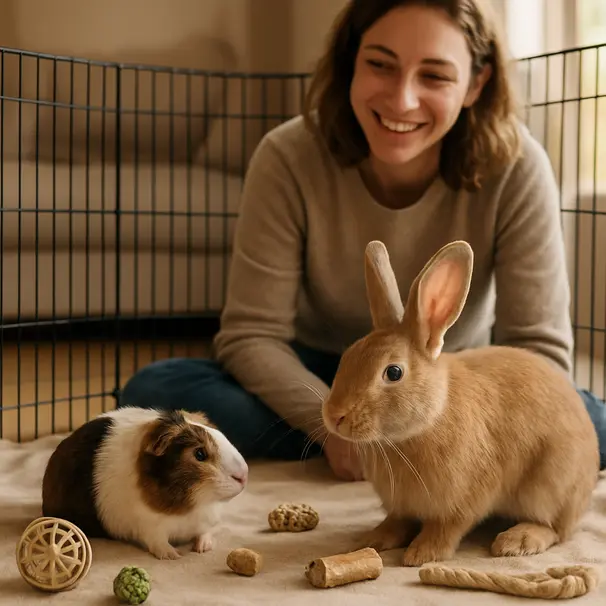
- Rabbits and guinea pigs need a combination of secure housing and supervised free-roam time. A small hutch isn’t enough for long periods.
- Hamsters and gerbils benefit from deep bedding for burrowing and multi-level habitats for exercise.
Bedding and chewing
- Choose absorbent, dust-free bedding. Avoid cedar and certain pine shavings which may irritate respiratory systems.
- Many small mammals chew. Provide safe chew toys and protect electrical cords when they are out of enclosure.
Exercise and social needs
- Provide daily supervised playtime outside the cage. For social species, keep compatible companions and introduce new animals slowly.
- Create tunnels, hide boxes and digging opportunities to mimic natural behaviours.
Cleanliness
- Spot-clean frequently, and do full bedding changes on a regular schedule. Clean food and water bowls daily.
Amphibians: moisture, water quality and calm spaces
Amphibians are sensitive to environmental changes and skin contaminants. Their housing should prioritize moisture and clean water.
Terrarium type and water
- Use aquariums or paludariums with secure lids to maintain humidity and prevent escapes.
- For fully aquatic species, filtration and regular water changes help maintain water quality. Use dechlorinated water and consider water condition testers.
Humidity and substrate
- Keep humidity stable using live plants, moss beds and misting. Substrates that retain moisture can create comfortable microclimates.
- Avoid substrates that harbor mold or mites. Replace and clean before problems arise.
Temperature and hiding
- Amphibians often prefer cooler temperatures than many reptiles. Provide shaded hide spots and shallow water dishes for soaking.
Enrichment, cleaning routines and daily care checklist
Good housing includes daily routines that support health and comfort.
- Daily checks: food, water, temperature, humidity, signs of stress, and any enclosure damage.
- Weekly tasks: spot-clean bedding, clean food and water bowls, swap toys for novelty and inspect lighting and heaters.
- Monthly tasks: deep clean enclosures, replace substrates fully, scrub decor and check filtration systems.
- Enrichment rotation: change toys and rearrange decor every one to two weeks to encourage exploration.
Practical checklist for temporary carers:
- Note species, age, weight and feeding schedule before you begin.
- Familiarize yourself with preferred temperatures, humidity and lighting needs.
- Confirm any dietary restrictions, medications and the vet contact.
- Ask the owner for a map of the enclosure: location of hides, heating elements and water sources.
- Keep a simple log of feeding times, behavioural notes and any unusual observations to share with the owner.
Safety tips for carers and owners
- Avoid putting household cleaners, aerosols and scented products near enclosures.
- Never mix species in the same enclosure. Cross-species housing increases stress and disease risk.
- Secure cords and heat sources to prevent burns or chewing accidents.
- Use appropriate locks or clips on doors, especially for intelligent escape artists like parrots or ferrets.
Transport and temporary housing
When moving an exotic pet or giving temporary care:
- Use species-appropriate carriers; ventilated, escape-proof and sized correctly.
- Keep transport short and calm. Cover carriers for shy animals to reduce visual stress.
- Maintain environmental needs during transport. Use heat packs for cold-sensitive species, and provide water when safe.
When to consult a vet
This guide focuses on housing. If you notice dramatic changes in appetite, breathing, movement or unusual discharges, consider veterinary attention. Regular check-ins with a qualified exotic vet can help confirm your housing and husbandry are on track.
Final checklist for a trusted temporary setup
- Correct enclosure size and secure locks.
- Proper temperature gradient and functioning heat source.
- Appropriate lighting, including UVB if applicable.
- Clean, species-appropriate substrate.
- Fresh water and clean feeding areas.
- Multiple hides or shelters.
- Enrichment items and safe chew options.
- A log for feeding and behaviour notes.
- Emergency contacts and vet details.
Good housing is about empathy, consistent routines and small adjustments that reduce stress. As a carer, your attention to detail can make short stays comfortable and long-term homes healthy. If you’re ever unsure, ask the owner for more specifics and consider consulting a specialist vet or experienced keeper for species-specific tweaks.
Thanks for being the kind of person who looks after animals with thought and care. On Floofy, you can connect with experienced carers and owners to share notes, ask questions and ensure exotic pets enjoy thoughtful, safe housing while you’re helping out.