

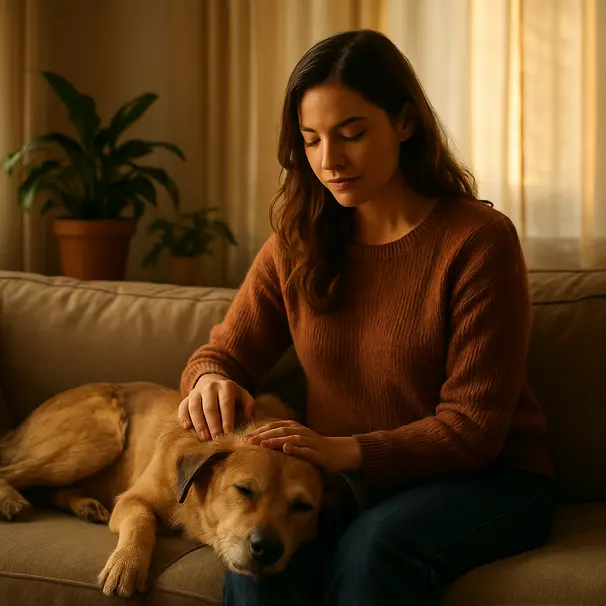
How a pet carer eases pet anxiety and stress at home
Pets pick up on small changes. A stranger at the door, a loud thunderstorm, or a sudden change in routine can tip a sensitive dog or cat into stress. That’s where a thoughtful pet carer steps in, bringing calm, predictability and comfort. This post shares practical steps carers use to ease anxiety at home, tips owners can adopt, and cues to watch that may mean it’s time to call a vet.
Why a pet carer can make a real difference
A good carer does more than feed and walk. They offer focused attention, reliable routines, and gentle social support. Pets often respond to consistent human presence. A carer who knows calming signals, body language, and how to modify the environment can reduce the frequency and intensity of anxious episodes.
Carers also act as observers. They notice subtle changes in appetite, behaviour and energy before those changes become big problems. That early spotting lets owners adjust routines or seek veterinary advice sooner.
How carers assess a stressed pet
Skilled carers begin with observation. They take a few minutes to learn the individual pet’s baseline. Simple questions and checks help build a picture:
- What does a normal day look like for this pet?
- Which sounds, people or places trigger stress?
- What comfort items does the pet prefer, such as a blanket or toy?
They watch body language: lowered ears, tucked tail, yawning, lip licking, pacing or hiding can all mean discomfort. Once carers understand the pet’s normal cues, they can respond in ways that calm rather than escalate.
Gentle approaches carers use to soothe pets
Here are practical, low-stress techniques carers often use. These are safe and non-invasive, and most can be tried at home by owners too.
Build a predictable routine
Routine matters. Regular feeding times, walks and play sessions help pets feel secure. Carers create consistent schedules for visits and activities. Predictability reduces the surprise factor that fuels anxiety.
- Feed at roughly the same times each day.
- Offer short, calm interactions before exciting activities.
- Use a soft, steady voice when greeting the pet.
Use calm arrival and departure rituals
Big fuss at the door can spike stress. Instead, carers use quiet greetings and brief, neutral departures. A quick hello, a few seconds of gentle petting if allowed, and then space helps pets learn that comings and goings are normal.
Respect the pet’s space and consent
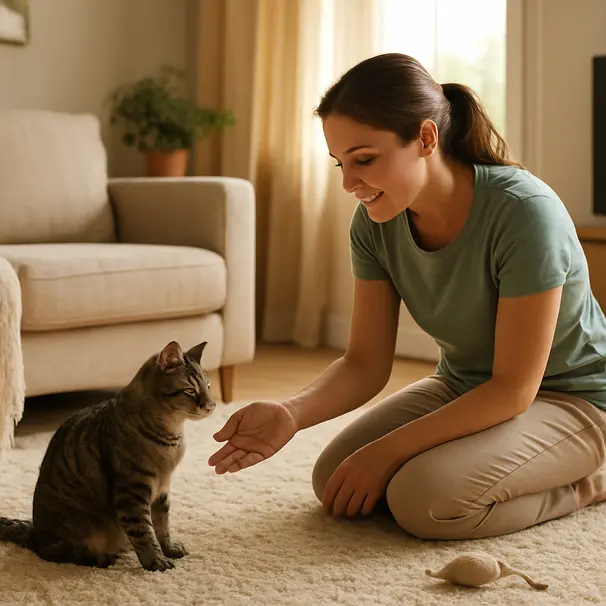
A stressed pet may retreat. Carers let shy pets approach on their own terms. They avoid forcing interactions and use slow blinking, soft tones and side-facing body language to appear less threatening.
Offer comfort items and safe spaces
Carers bring familiarity to the environment. Leaving a favourite blanket, shirt with the owner’s scent, or a trusted toy can help. They also identify a quiet corner, bed or crate where the pet feels secure, and make that space consistently available.
Environmental tweaks that reduce stress
Small changes can have big effects. Carers often adjust lighting, sound and smells to create a soothing atmosphere.
- Soft lighting in the evening helps animals wind down.
- A low-volume, calm playlist or white noise can mask startling sounds.
- Natural smells, like a recently washed blanket, can be comforting. Avoid strong perfumes or cleaners that may irritate sensitive noses.
For dogs that fear storms or fireworks, carers may use slow desensitisation techniques. That means gradually exposing the dog to low-volume versions of the noise paired with positive experiences, like treats or play. This approach can help, though it’s best to consult a trainer or behaviourist for structured programs.
Enrichment and exercise as emotional outlets
Boredom often looks like anxiety. Carers provide mental and physical outlets to help pets expend energy and feel satisfied.
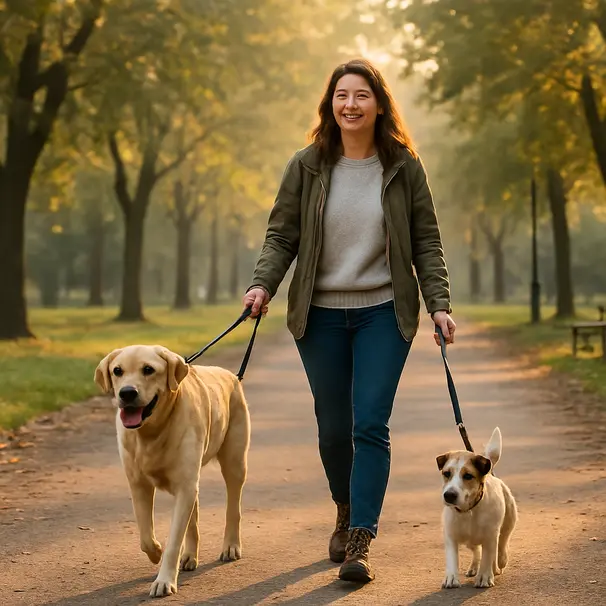
- Short, frequent walks or play sessions release nervous energy.
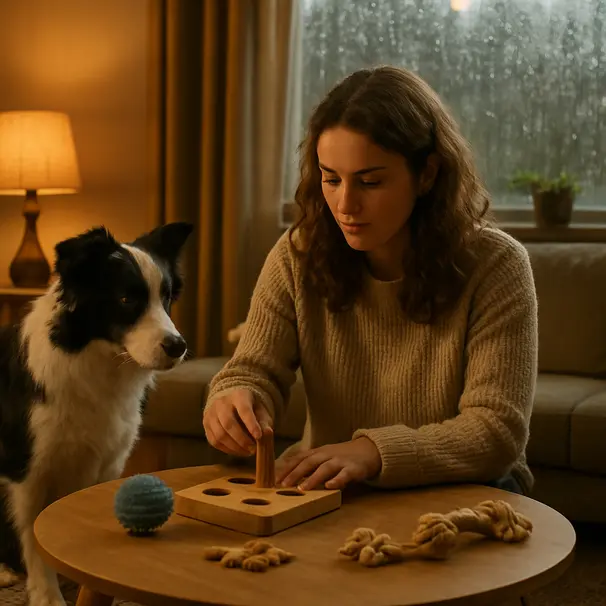
- Puzzle feeders and scent games engage a pet’s brain and can be surprisingly calming.
- Chew toys for dogs and interactive toys for cats give a safe focus for anxious energy.
Mix high-energy play with calm activities. A carer might start with a brisk walk, then offer a chewing toy and quiet cuddle time. That balance helps the pet settle.
Separation anxiety: practical strategies from carers
Separation anxiety is a common and stressful issue. Carers can support pets while owners work on longer-term behaviour changes.
- Gradual departures: carers help practice short absences, slowly increasing time away to build confidence.
- Low-key departures and arrivals reduce emotional highs around leaving.
- Transitional routines: a short, calm walk before an owner leaves can reduce excess adrenaline.
Carers also document the pet’s reactions and share notes. Owners then have a clear picture to discuss with trainers or vets. If a pet’s anxiety is severe, carers remind owners to consider professional behaviour support and veterinary guidance.
Positive reinforcement, not punishment
Carers use reward-based methods. Calm behaviour gets treats, praise and attention. Punishment or scolding tends to worsen anxiety, and can damage trust. A patient carer focuses on small wins: choosing the moment a pet is relaxed to reward them builds confidence over time.
Handling acute stress and storms
When a sudden trigger hits, carers use quick calming tactics:
- Move the pet to a quieter room with familiar items.
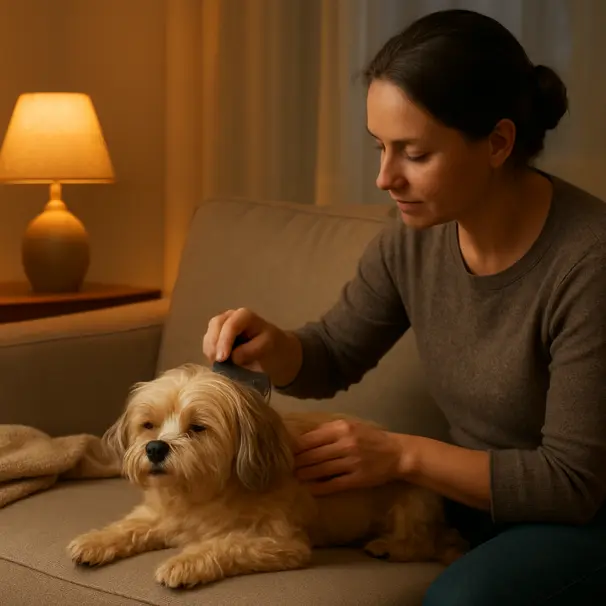
- Offer a short, familiar activity like a chew or gentle grooming.
- Use soft talking and slow movements to reduce arousal.
Always watch the pet’s response. If a tactic increases stress, switch to a different approach. Safety comes first; dogs and cats can react unpredictably when frightened.
Communication between carer and owner
Good carers keep owners in the loop. Clear, practical notes make a big difference. Typical updates include:
- Times of visits and walks.
- What the pet ate and drank.
- Mood and behaviour notes, including any triggers observed.
- Photos or short clips that show relaxed or playful moments.
Owners can help carers by sharing routines, favourite calming items and medical information. A short handbook for the carer, with the pet’s likes, dislikes and emergency contacts, speeds up trust-building.
Working with vets and behaviourists
Carers can identify when stress is more than temporary. They encourage owners to consult vets if:
- Appetite or toileting changes persist.
- Anxiety intensifies despite routine changes.
- Aggression or self-harm occurs.
A vet may recommend behaviour support, medication or both. Carers can follow through on any vet or behaviourist plans, reinforcing training exercises and noting progress.
Practical checklists for owners hiring a carer
Here are simple items to include when you welcome a carer into your pet’s life:
- A written routine with mealtimes and walk schedules.
- Photos of favourite toys and treats, and any food sensitivities.
- Clear instructions for handling stress, including safe rooms and preferred calming techniques.
- Emergency contact numbers, including your vet and a secondary contact.
- Permission details for medication or behaviourist-recommended tools.
A short in-home orientation can make a huge difference. Walk the carer through the home, point out hiding spots, favourite resting places and show how your pet likes to be greeted.
Small habits that build long-term confidence
Consistency is the quiet hero of stress reduction. Little rituals help pets anticipate a safe outcome. Some habits carers promote include:
- Short, calm training sessions each day to boost confidence.
- Regular socialisation in controlled settings, if the pet is comfortable.
- Gradual exposure to mild stressors paired with positive rewards.
Over weeks and months, these small steps add up to a more relaxed pet.
When comforts are not enough
If a pet’s anxiety doesn’t improve, carers and owners should consider a professional assessment. Severe anxiety sometimes needs structured behaviour plans or medical intervention. A good carer will flag concerns early, and support whatever next steps the owner and vet choose.
Final thoughts and quick tips
A caring, attentive pet carer is a partner in your pet’s emotional wellbeing. They bring calm routines, enrichment, careful observation and gentle handling. If you’re choosing a carer, look for someone patient, communicative and willing to follow your pet’s cues.
Quick checklist for owners:
- Share routines and comfort items.
- Ask for daily behaviour notes and photos.
- Prefer reward-based handling only.
- Consult your vet if issues persist.
With the right carer, your pet can feel safer, calmer and more at ease at home. Little things add up: a quiet voice, a consistent walk, a favorite blanket. Those small comforts build trust, and trust is the best medicine for a worried heart.