


How do drop-in visits work? A friendly guide for busy pet owners
If you’ve ever worried about leaving your cat alone all day, or wondered how a sitter fits into your hectic schedule, drop-in visits are probably the perfect compromise. They’re short, practical checks from a trusted carer that keep routines going, prevent lonely boredom, and give you peace of mind.
In this guide I’ll walk you through the whole process, from booking to bellies being patted. You’ll get tips for preparing your home, a realistic visit timeline, safety pointers, and questions to ask before you book. Let’s make this simple and useful, like a warm leash after a long day.
What is a drop-in visit?
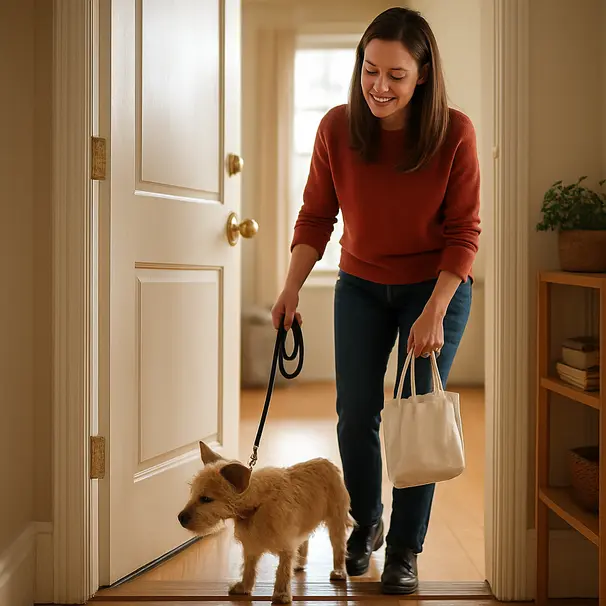
A drop-in visit is a scheduled short visit by a pet carer to your home. Visits commonly last 15, 20, 30, or 60 minutes depending on your pet’s needs. During that time the carer might feed your pet, refresh water, take dogs for a short walk or potty break, scoop the litter, give medication, and offer play or cuddles.
Drop-in visits are not full stays. The carer doesn’t sleep over, but they do provide essential care and company. For many pets, especially cats, small dogs, rabbits, and pocket pets, these visits keep stress and mischief to a minimum.
Who uses drop-in visits?
- People working long shifts who need midday breaks for their dogs.
- Travelers who prefer their pets to stay at home rather than boarding.
- Owners of shy or anxious pets that do better in familiar surroundings.
- Families with multiple pets where a short visit keeps routines consistent.
Drop-in visits are flexible. You can schedule a single visit, a series while you’re away, or even occasional top-ups during a busy week.
How drop-in visits work, step-by-step
1. Finding and booking a carer
On Floofy you can browse carers by location, reads reviews, and look at verified profiles. Filter for experience with your pet type, availability, and any special skills like administering medication. Most carers offer a meet-and-greet before the first booked visit.
A meet-and-greet usually lasts 10–20 minutes. It’s a casual chance to see how your pet reacts, discuss routines, show the home, and share emergency contacts. There’s no obligation to book after meeting, but it helps both sides feel comfortable.
2. Confirming the visit
Once you pick a time, confirm send clear instructions. Good details to include are feeding times, portion sizes, leash location, door codes, where to find the vet records, and any quirks your pet has. Also mention if the pet is shy around strangers, startled by loud noises, or has separation anxiety.
3. The actual visit
Carers arrive, follow your notes, and care for the pet according to the agreed tasks. Most use the Floofy app to check in and out, and send photos or short updates. Photos are a small comfort for owners and show the carer completed the visit.
4. Payment and feedback
Payment is usually handled through the platform for convenience and safety. After the visit you can leave a review and provide tips for future visits. If something unexpected happened, report it promptly and discuss how to avoid it next time.
Preparing your home and your pet: a simple checklist
A little preparation makes visits smoother, and it helps carers do their job with confidence.
- Write a quick cheat sheet, including feeding amounts, meds, and bathroom routine.
- Leave a spare leash and collar in a visible spot.
- Put favorite toys where the carer can find them.
- Hide breakables and secure houseplants out of reach.
- Leave a copy of your vet’s contact details and a signed authorization for emergency care.
- Make sure trash bins are closed and cleaning supplies are out of reach.
- If your pet is reactive to strangers at the door, tell your carer how to enter and where to keep the pet while doors open.
A clear, friendly list helps carers give consistent care, and it reduces miscommunications.
What a carer typically does during a visit
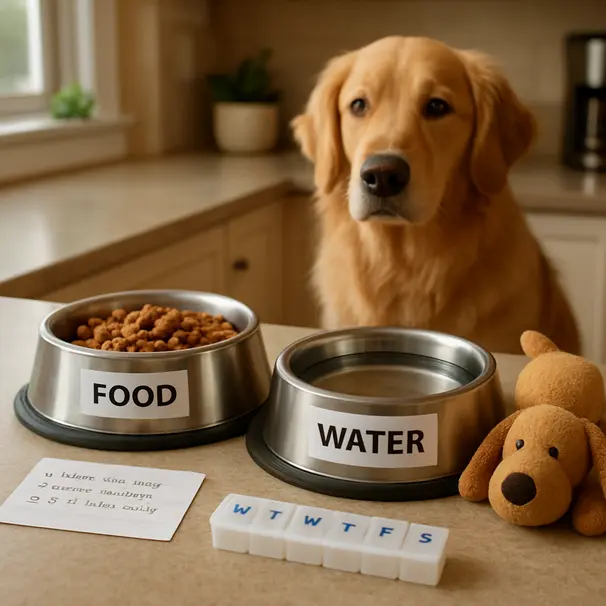
Tasks vary by species and agreement, but here are common responsibilities:
- Refresh water and feed according to instructions.
- Take dogs out for a bathroom break or a short walk.
- Scoop litter boxes and refresh bedding.
- Administer oral or topical medication when instructed.
- Provide playtime, grooming basics, or quiet companionship.
- Check for any signs of illness or injury and report concerns.
- Lock doors and windows, and leave a visit note in the app or a physical journal.
Good carers are observant. They’ll note changes in appetite, behavior, or mobility and let you know quickly.
A typical 30-minute drop-in visit: timeline and tips
Here’s a realistic timeline for a 30-minute visit. Adjust times for 15 or 60-minute slots.
- 0:00–1:00 minute: Arrival and quick check of home safety and doors.
- 1:00–5:00 minutes: Greeting the pet and letting them sniff and calm down.
- 5:00–12:00 minutes: Potty break or short walk for dogs, or interactive play for cats.
- 12:00–18:00 minutes: Feeding or medication, with quiet time afterwards.
- 18:00–25:00 minutes: More play, brushing, or enrichment activities.
- 25:00–30:00 minutes: Final check, secure the home, and send an update with photos.
Tips: If you want a longer walk, book a longer visit specifically for walking. If your pet prefers a calm visit, note that in instructions so the carer spends more time on cuddles and less on active play.
Safety, health, and emergencies
Safety is a top priority. Here are practical steps to plan for health or emergencies, without turning everything into a worry.
- Keep an updated emergency contact list, including your vet and a nearby emergency clinic.
- Leave written permission for emergency veterinary care if you’ll be unreachable.
- If your pet has chronic health issues, attach clear notes describing symptoms to watch for.
- Consider a spare key or keypad access for carers, stored securely with clear instructions.
- If your pet is on medication, include dosing times, a pill organizer, and demonstration during the meet-and-greet.
If you notice unusual signs like severe limping, persistent vomiting, or breathing problems, contact your vet. A good carer will reach out immediately if something serious occurs.
Communication and updates: what to expect
Most carers send a quick message after each visit. Typical updates include a short note, one or two photos, and confirmation that key tasks were done. If your pet needs reassurance, ask for a photo of them resting or eating.
Discuss communication preferences ahead of time. Some owners want texts for every visit, others prefer a daily summary.
Pricing, tipping, and cancellations
Pricing varies by location, pet type, and visit length. Expect to pay more for evenings, weekends, or last-minute bookings. The platform usually shows rates up front.
Tipping is optional, but appreciated for extra care. If a carer goes above and beyond, a small tip or positive review helps their business thrive.
For cancellations, read the carer’s policy before booking. Many carers ask for 24 to 48 hours notice for a refund. If your plans change, communicate as early as possible.
Choosing the right carer: questions to ask
Here are practical questions that reveal experience and style:
- What experience do you have with my pet’s breed or species?
- Are you comfortable administering medication if needed?
- Can you handle emergency vet situations if I’m unreachable?
- How do you manage pets that are anxious or reactive?
- Will you send photo updates and a short visit summary?
Meet-and-greets will help you observe how the carer interacts with your pet. Trust your instincts. A gentle, confident carer who follows your instructions is usually a great fit.

Common concerns and how to handle them
- My pet is shy or scared: Schedule a few short meet-and-greets to build trust. Ask the carer to let your pet approach first.
- My dog pulls on walks: Request calmer, shorter walks and suggest a no-pull harness if you use one.
- My cat hides: Tell the carer where your cat likes to hide and ask for patient, low-energy visits to encourage slow socializing.
- My pet needs medication: Demonstrate how to give meds during the first meet-and-greet and leave clear written instructions.
Tips for a smooth relationship with your carer
- Keep instructions concise and up to date.
- Leave treats and favorite toys available.
- Be realistic about your pet’s behavior and share any training cues.
- Reward good care with positive reviews and timely payment.
- If routines change, update the carer in advance.
A little clarity goes a long way. Most carers appreciate friendly, direct communication.
Final thoughts: making drop-in visits part of your routine
Drop-in visits are a practical, low-stress way to keep pets comfortable and cared for when life is busy. They help maintain routines, reduce anxiety, and give you peace of mind during workdays or short trips.
Try a meet-and-greet, communicate clearly, and build a small routine around the visits. Over time your pet will learn to expect and enjoy the friendly faces that stop by.
If you’re ready to find a trusted carer, check Floofy’s local listings and read reviews. A great match can turn a simple visit into a little pocket of joy for you and your pet.
Thanks for reading. Give your pet an extra scratch from me today.