

How fast can dogs really run?
If you’ve ever watched a dog take off like a furry bullet across a field, you’ve probably wondered what they’re capable of. Dogs vary widely in top speed, from steady trotters to lightning-quick sprinters. This guide explains realistic speed ranges, what affects a dog’s pace, and how to measure and safely encourage your dog’s running ability.
The headline numbers
Let’s start with a few general figures to give you a sense of range. These are approximate and will vary by individual dog.
- Small companion breeds: 10–20 mph (16–32 km/h)
- Medium working or sporty breeds: 20–30 mph (32–48 km/h)
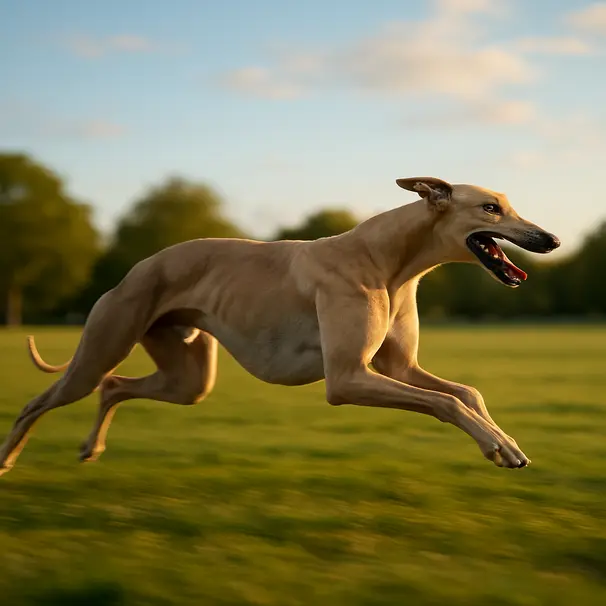
- Speed-specialist breeds: 30–45 mph (48–72 km/h)
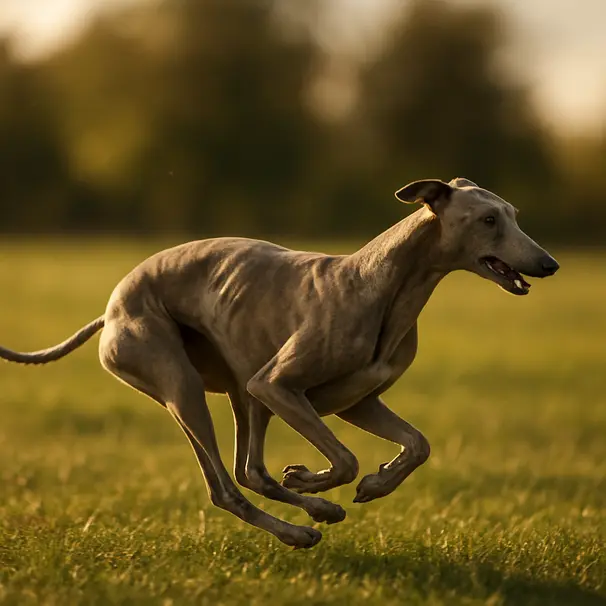
Greyhounds and a few other sighthounds sit at the top end. A world-class racing greyhound can reach close to 45 mph for short bursts. By contrast, many family pets are happiest and healthiest running at a brisk 15–25 mph when they’re playing.
Why the ranges? Genetics, body shape, and conditioning all matter. Don’t focus only on top-end speed. Endurance, control, and safe recall are just as important for real-life walks and play.
Where speed differences come from
Several physical and environmental factors combine to determine how fast a dog can run.
- Body type and build. Long, lean bodies with deep chests and long legs favor sprinting. Powerful shoulders and hindquarters matter for acceleration.
- Muscle fiber and physiology. Some dogs have more fast-twitch muscle fibers, which help with explosive speed. Others have more slow-twitch fibers for endurance.
- Age and health. Puppies and seniors are not speed machines. Joint health, weight, and any chronic conditions can limit safe speed.
- Training and conditioning. A well-conditioned dog with progressive exercise and strength work may run faster and farther without injury.
- Surface and weather. Loose sand, wet grass, or icy paths slow dogs down. Heat can limit how long and how fast a dog should go.
Breed tendencies give a handy shorthand, but remember there’s wide variation even within a breed. Two sibling dogs can perform very differently.
Fastest dog breeds and typical speeds
If you enjoy breed trivia, here are a few breeds known for speed and what makes them quick.
- Greyhound: Often called the fastest domestic dog, greyhounds have a lightweight frame, deep chest, and long legs. They excel in short, explosive sprints.
- Saluki: A graceful sighthound with strong endurance, salukis combine speed with stamina across longer distances.
- Whippet: Smaller than a greyhound but incredibly fast for its size. Whippets are great at bursts and short races.
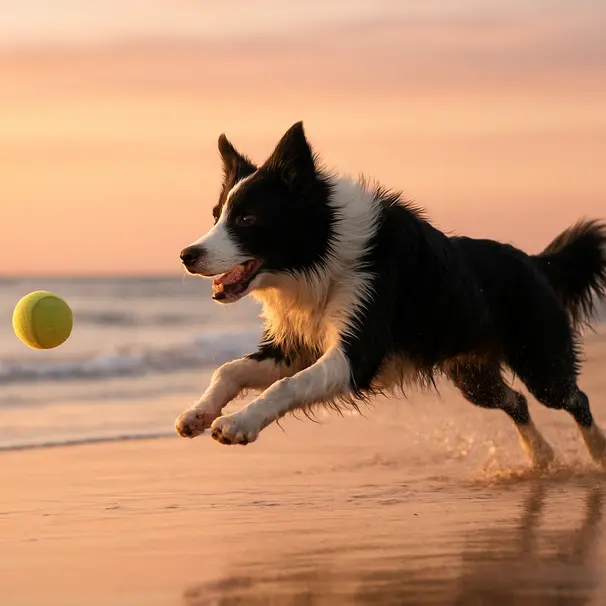
- Border Collie: Not the absolute fastest, but highly athletic with strong acceleration and agility. Brilliant for sports and work.
- Vizsla and Weimaraner: Muscular sporting breeds with powerful strides, great for runners who want a steady partner.
Breed lists are useful if you’re thinking about which dog fits an active lifestyle, but always consider temperament, training needs, and health history.
Measuring your dog’s speed at home, safely
If you want to find a rough figure for your dog’s top speed, there are practical, low-cost ways to measure it. Focus on safety and gradual experimentation.
- Choose a safe, enclosed area. A fenced field, empty park, or secure dog sports area works best. Avoid roads and busy public trails.
- Pick a flat surface. Firm grass, packed dirt, or a running track are better than loose sand or slippery pavement.
- Measure a set distance. Mark out 50 meters or 100 meters so you can calculate speed easily.
- Use a helper and a stopwatch or smartphone. One person releases or motivates the dog from the start line, the other starts the timer when the dog’s front paws cross the start and stops it at the finish.
- Repeat a few times. Try two or three runs after a proper warm-up and take the fastest safe effort.
Simple speed calculation: speed = distance divided by time. If your dog covers 50 meters in 4.5 seconds, that’s about 11.1 meters per second, or almost 25 mph (roughly 40 km/h). Smartphone apps and GPS watches can make this easier, but a measured distance and stopwatch remain reliable.
Safety tips during testing:
- Warm up for 5–10 minutes with easy walking and light jogging.
- Avoid full-speed trials if your dog is young, unfit, overweight, or recovering from injury.
- Watch paws for cuts and keep sessions short, especially on hot days.
- Offer water and cooling breaks. Stop immediately if your dog pants excessively, drools, or seems disoriented.
Training tips to safely improve speed and conditioning
If you and your dog enjoy running together, you can help them get faster in a gradual, fun way. These practical exercises build strength, acceleration, and endurance.
- Short sprints and intervals. After warming up, try 20–30 second sprints followed by a few minutes of walking. Repeat 4–6 times. This builds speed without overloading joints.
- Hill repeats. Gentle uphill running strengthens hindquarters and improves power. Keep hills moderate and sessions short at first.
- Play-based speed work. Use a ball, flirt pole, or fetch to encourage short, explosive bursts. Keep the games controlled to avoid collisions.
- Strength and core work. Controlled tug, sit-to-stand exercises, and guided balance work can help muscle tone. Consider canine-specific fitness classes or consult a canine conditioning coach.
- Gradual progression. Increase intensity and duration slowly over weeks. A consistent plan of three quality sessions per week, mixed with easy walks, may improve performance while reducing injury risk.
Sample four-week starter plan for a fit adult dog:
- Week 1: Warm-up, 3 interval sprints of 20 seconds, long cool-down walk.
- Week 2: Warm-up, 4 interval sprints of 25 seconds, easy jog between sprints, cool-down.
- Week 3: Warm-up, 5 interval sprints of 30 seconds, include one hill repeat, cool-down.
- Week 4: Warm-up, 3 higher-intensity sprints with longer rest, 1 play session, cool-down.
Adapt the pace and volume to your dog’s size, age, and health. Consider a professional dog trainer or a certified canine fitness specialist for tailored plans.
Surface, footwear, and environmental considerations
Where your dog runs affects both speed and safety. Think about footing, temperature, and potential hazards.
- Grass and packed dirt are forgiving and often best for bursts of speed.
- Sand reduces speed and increases strain on muscles, so use it sparingly.
- Pavement is hard and can lead to joint stress and paw wear. Limit high-speed work on hard surfaces.
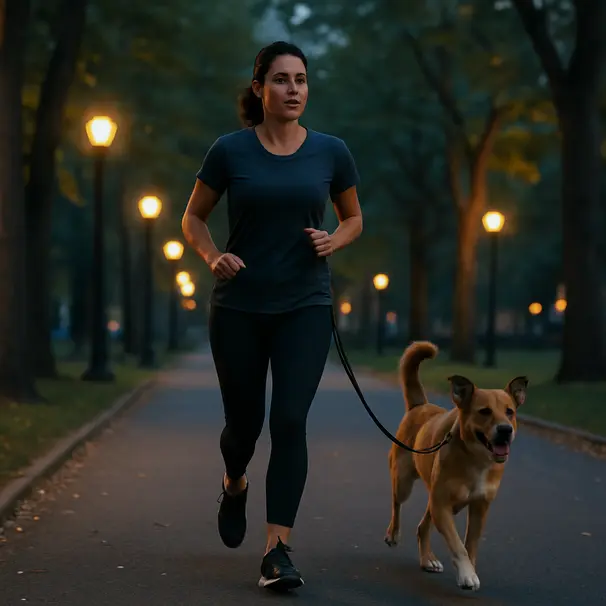
- Hot surfaces and air temperatures can cause overheating quickly. Early morning or late evening runs may be cooler.
Dog boots are an option for icy or harsh surfaces, but they change gait and can slow dogs. Introducing boots slowly and ensuring a good fit is important if you plan to use them.
Signs your dog needs a break or vet check
Dogs don’t always tell us when something’s wrong. Keep an eye out during and after activity.
- Limping or favoring a limb
- Stiffness that lasts more than a day
- Reluctance to run or jump
- Excessive panting or drooling after a short effort
- Visible cuts, hot spots, or bleeding paws
If you notice persistent issues, consider a vet visit. A vet can check for joint problems, cardiac concerns, or other conditions that may change exercise recommendations.
Use cautious language and consider professional advice if you’re unsure about what’s safe for your dog.
Practical tips for owners and pet carers
Pet carers and owners often share responsibility for exercise. Clear communication helps everyone keep dogs safe and happy.
- Share routine notes. Tell carers about preferred distance, pace, triggers, and recall reliability.
- Set clear boundaries. If your dog prefers short bursts rather than long runs, put that into a care plan.
- Use suitable gear. A well-fitting harness gives better control than a neck collar during fast runs for many dogs.
- Practice recall and impulse control. A reliable recall is vital for off-leash speed work in unfenced areas.
- Plan for recovery. Active rest days, gentle walks, and play are part of a healthy routine.
If you hire a pet carer through a platform, add notes on training progress and any recent health changes. Regular updates help carers stay consistent with your dog’s routine.
Fun ways to enjoy your dog’s speed responsibly
Speed is thrilling to watch, and many dogs love the joy of running. Here are friendly activities that let you enjoy their natural bursts without pushing them too hard.
- Lure coursing for sighthounds can be a structured, safe outlet for chasing instincts.
- Canicross or dog-friendly running groups let you exercise together with community support.
- Agility and flyball offer short, fast bursts combined with obedience and fun.
- Backyard games: short fetch sessions or gentle chase games with safe toys.
Rotate activities so your dog gets variety. That reduces overuse injuries and keeps things interesting mentally.
Final thoughts
Speed is thrilling, but useful day-to-day running for most family dogs is about balance. Focus on safe conditioning, gradual progress, and enjoyment. Measure speed for fun or training, and always prioritize warm-ups, cool-downs, and recovery.
If you’re ever unsure about a program or notice worrying signs, consider talking to your vet or a canine conditioning professional. A little planning and a lot of care will keep your four-legged sprinter happy, healthy, and ready for the next joyful dash.
Ready to go for a run? Pack water, pick a safe route, and enjoy the moment with your dog. And if you’re using a pet carer, share these tips to make sure every sprint is a happy one.