

How long is a typical dog drop-in visit?
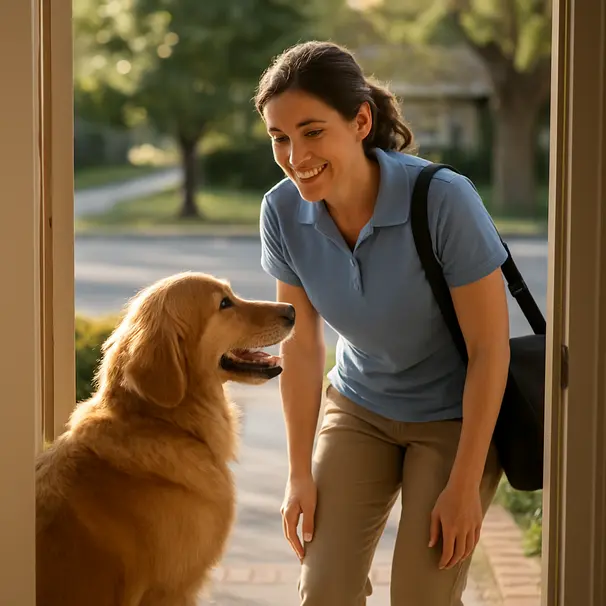
A dog drop-in visit is one of the most flexible and friendly services on Floofy. It’s a short, focused visit by a trusted carer to check on your dog, give a potty break, a little playtime, maybe a snack, and some reassurance while you’re away. But how long does a visit actually take? The short answer: it varies. The typical range is 15 to 45 minutes, with 30 minutes being a common sweet spot.
Below I’ll walk you through common visit lengths, what usually happens during each, the factors that change timing, and practical tips for both pet owners and carers to make every drop-in smooth and satisfying.
Typical visit lengths and what they look like
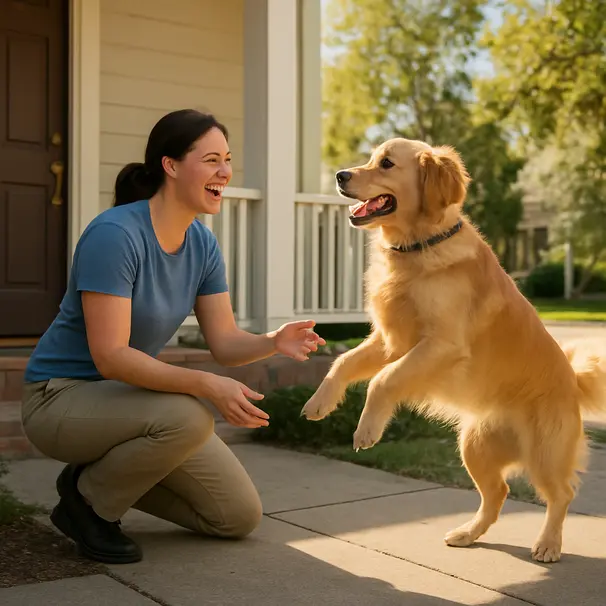
15 minutes: Quick potty and check-in
- Best for dogs who only need a bathroom break and a quick hello.
- Carer arrives, lets the dog out on leash or into a fenced yard, checks water and food, and snaps a quick update photo.
- Great for households with predictable, low-energy dogs, or when you just need a fast mid-day break.
Why 15 minutes? It’s enough time to let a dog relieve itself, refresh the water bowl, and reassure a dog who’s left alone. It’s not enough for long play sessions or multiple feeds, though.
30 minutes: Standard visit, and a reliable default
- This is the most common option among pet owners and carers.
- Time for a full potty, 10–20 minutes of play or calm attention, a short walk or enrichment games, and a check of the home environment.
- Carer can tidy up, change water, give a small snack if requested, and send photos and a short report.
A 30-minute visit tends to balance dog needs and carer schedules. It’s plenty for most dogs to get some mental and physical stimulation, and for carers to notice anything unusual.
45–60 minutes: Extended care for higher needs
- For puppies, very active breeds, dogs with separation anxiety, or multiple-dog households, 45 to 60 minutes gives time for a proper walk, training reinforcement, and relaxed one-on-one attention.
- Useful when feeding, medicating, grooming, or performing other household tasks are needed.
- Also good when drop-ins are spaced far apart during the day.
Longer visits let carers build trust with shy dogs, do enrichment activities, or help with behavioral work assigned by an owner or trainer.
Factors that change visit length
Several variables influence how long a drop-in should last. Think of these as pieces of the puzzle when planning visits.
- Dog age and energy level. Puppies and high-energy breeds may need longer visits for walks and playtime. Older or lower-energy dogs might be happy with a quieter check-in.
- Health and medication. Dogs that need medication or special care may require extra time for safe administration and observation. Consider consulting a vet if you’re unsure how much time is needed.
- Feeding and special routines. If your dog eats at certain times, or needs slow-feeding or multiple dishes changed, add time so the carer isn’t rushed.
- Number of pets. Multiple dogs add complexity. Feeding separately, managing introductions, and cleaning up take time.
- Behavioral needs. Separation anxiety, reactivity, or shy dogs often benefit from longer, slower visits where the carer can build rapport.
- Travel and accessibility. If the carer needs to climb stairs or walk farther from the parking spot, plan for extra minutes. Remote properties or secure gates can add time.
- Owner preferences. Some owners simply want longer visits for extra photos and updates. Others prefer quick check-ins.
What happens during a standard 30-minute drop-in
Here’s a practical timeline for a typical half-hour visit. It helps owners set expectations and carers manage time.
- Minutes 0–5: Arrival, greeting, quick safety check, and leash on if heading out. Carer reads house notes and checks any posted instructions.
- Minutes 5–15: Bathroom break or short walk. If indoors, a potty break in the yard or on a potty pad.
- Minutes 15–25: Play, enrichment, training cue practice, or cuddles depending on the dog’s mood. Provide interactive toys or short fetch sessions.
- Minutes 25–30: Final check of water and food, tidy up, update the owner with photos and brief notes, and depart.
This rhythm can shift depending on the dog’s needs. Some dogs want more play and less walking, others prefer sniffing time on a longer stroll.
Practical tips for pet owners to get the most from a drop-in
Preparing ahead keeps visits efficient and stress-free for everyone.
- Leave clear, concise instructions. A short bullet list covering feeding times, medication dosages, bathroom preferences, and any off-limit areas helps carers hit the ground running.
- Prep food and meds. Pre-portion meals and label everything. Use easy-to-open containers and put medications where the carer won’t have to search.
- Share access details. Give precise instructions for how to get in, where keys or codes are stored, and any special locking procedures.
- Have emergency contacts ready. Include your vet information and a local emergency contact in case you can’t be reached.
- Create a comfort zone. Leave your dog’s favorite bed, toys, and a worn T-shirt if separation is hard. That familiarity can shorten settling time.
- Schedule thoughtfully. If you know your dog needs a walk mid-day, set visits so they’re spaced to allow rest between them.
- Communicate preferences. If you prefer no photos, or if you want short video updates, say so up front.
Practical tips for carers to manage visit time and quality
Carers succeed by being organized and present. Here are habits that help each visit feel calm and professional.
- Arrive a minute early, with a flexible mindset. A quick text to confirm arrival is always appreciated.
- Do a safety scan. Look for hazards like exposed cords, toxic plants, or open gates before interacting with the dog.
- Let the dog set the pace. If a pup is overstimulated, swap high-energy play for calming petting and enrichment toys.
- Use enrichment. Puzzle toys, scatter-feeding, and short tricks keep dogs mentally engaged with minimal extra time.
- Send a photo and short note. A timestamped photo plus a sentence covering bathroom, food, and mood gives owners peace of mind.
- Plan for buffer time. Don’t schedule back-to-back drop-ins at the same minute. Travel and unexpected delays happen.
Sample visit scenarios with recommended durations
- Senior dog who just needs to go to the yard, have water refreshed, and a brief check: 15 minutes.
- Average adult dog who benefits from a short walk and playtime: 30 minutes.
- Puppy needing several potty opportunities, play, and training reinforcement: 45 minutes.
- Two large dogs who both need separate feedings and a longer walk: 45–60 minutes.
- Dog with medication and slow feeding, plus supervision: 30–45 minutes depending on complexity.
These are guidelines, not hard rules. Use past drop-ins as a reference and adjust as you and your carer learn your dog’s rhythm.
Safety and health considerations
Drop-ins are usually low-risk, but a few safety practices help protect pets and carers.
- Keep emergency information accessible. A visible sheet with vet info, allergies, and emergency contacts saves time.
- Be transparent about health concerns. Tell your carer if your dog is on medication, has mobility issues, or needs special handling.
- Consider veterinary advice. If your dog has complex medical needs, consult a vet about how long visits should be, and whether a drop-in is appropriate.
- Observe behavior changes. If your dog seems more anxious or lethargic after visits, discuss it with your carer and consider a longer visit or a different routine.
Use cautious language when discussing health. For example: “If your dog seems unwell, consider contacting your vet, as a professional opinion can help.” Avoid making medical promises.
Pricing and expectations
On Floofy, pricing often correlates with visit length and tasks. Shorter visits tend to be cheaper, longer or more complex visits cost more. Extra charges may apply for multiple pets, medications, or additional household duties.
Clear expectations make billing fair. Owners should list all duties and ask for an estimated time and price before booking. Carers should state their availability and any added fees for extra work.
FAQ
Q: How many drop-ins a day does my dog need? A: That depends on age, bladder control, and energy. Puppies and senior dogs may need more frequent breaks. An adult dog usually manages on one or two midday drop-ins, plus morning and evening routines.
Q: Can a carer extend a visit if the dog needs extra time? A: Many carers will stay longer if both parties agree. It’s kinder to set up a buffer or pre-agree on extra time and fees.
Q: Are photos always sent during a drop-in? A: Most carers enjoy sending a quick photo, but owners can request not to receive images. Confirm preferences ahead of time.
Q: What if my dog is reactive or aggressive? A: Be upfront during booking. Some carers have special training and equipment. For safety, a pre-visit meet-and-greet can help determine whether a drop-in is appropriate.
Closing thoughts: make it fit your floofy family
A drop-in visit is small in length but big in comfort. A well-timed, thoughtful check-in can turn a day of solitude into a day of reassurance for your dog. Start with a 30-minute visit if you’re unsure, and tweak the length based on how your dog responds. Communication is the secret sauce: clear notes, labeled supplies, and a bit of feedback after each visit will help you and your carer build a rhythm that keeps tails wagging.
If you’re a carer, bring patience and curiosity. If you’re an owner, trust that small routines add up. Together you’ll find the right visit length to keep your dog happy, healthy, and content.
Thanks for reading, and happy floofing!