


How many teeth do dogs have? Complete guide
Dogs have teeth that are as useful as they are charming. If you’ve ever wondered how many teeth your pup should have, when they lose their baby teeth, or how to keep those chompers healthy, you’re in the right place. This guide breaks things down in a warm, practical way, with tips for pet owners and carers who want confident, comfortable dogs.

Quick snapshot
- Puppies: 28 deciduous (baby) teeth
- Adult dogs: 42 permanent teeth (most breeds)
Read on for timelines, tooth types, common problems, care tips, and simple steps carers can take to help every dog keep a happy mouth.
Puppy teeth: a first set of tiny tools
Puppies are born without teeth. Around two to four weeks of age the first baby teeth begin to come in. These tiny, sharp teeth help them learn to take soft food and explore the world with their mouths.
Puppy dental timeline:
- 2–4 weeks: Incisors start to erupt
- 3–6 weeks: Canines and premolars appear
- By 6–8 weeks: Most puppies have a full set of 28 baby teeth
Those 28 teeth are called deciduous teeth. They’re smaller than adult teeth and are meant to fall out as the permanent teeth develop. While it can be worrying to see little teeth lying around the floor, losing baby teeth is normal and usually happens between three and seven months of age.
Signs your puppy is teething:
- Increased chewing, sometimes more intense than usual
- Swollen, red or sensitive gums
- A little drooling or mild fussiness
- Missing baby teeth visible in food bowls or on the floor
Teething can be unpleasant, so consider gentle chew toys, chilled dental toys, or soft food to help soothe sore gums. Avoid frozen bones or very hard chews for puppies, as baby teeth and developing adult teeth can be damaged.

How many teeth does an adult dog have?
Most adult dogs have 42 permanent teeth. The exact number can vary slightly with breed and individual differences, but the typical adult dental formula includes:
- Incisors: 12 (6 top, 6 bottom)
- Canines: 4 (2 top, 2 bottom)
- Premolars: 16 (8 top, 8 bottom)
- Molars: 10 (4 top, 6 bottom)
These teeth usually come in between 4 and 7 months of age, replacing baby teeth. By about six to seven months most dogs have their full adult set, ready for chewing, playing, and giving kisses.
Breed and individual differences
Some breeds or individuals may have fewer teeth due to genetics, prior tooth loss, or retained baby teeth. Brachycephalic breeds with short faces, like French bulldogs and pugs, sometimes have crowded teeth or retained deciduous teeth. Toy breeds may also have dental crowding. If teeth don’t fall out as expected, consider a vet check to prevent misalignment or infection.
Tooth types and what they do
Understanding the role of each tooth makes dental care feel less mysterious.
Incisors
Small front teeth used for grooming, nibbling, and picking up small objects. They help a dog clean its fur and grasp food.
Canines
Those dramatic pointy teeth are for holding and tearing. Canines are strong and help dogs carry toys or hold things gently while wagging their tails.
Premolars
Located behind the canines, premolars slice and shear food. They’re used for chewing and breaking food into smaller pieces.
Molars
The back teeth, molars grind and crush tougher foods. Not all breeds have the same number of molars. They’re important for processing food and for overall jaw function.
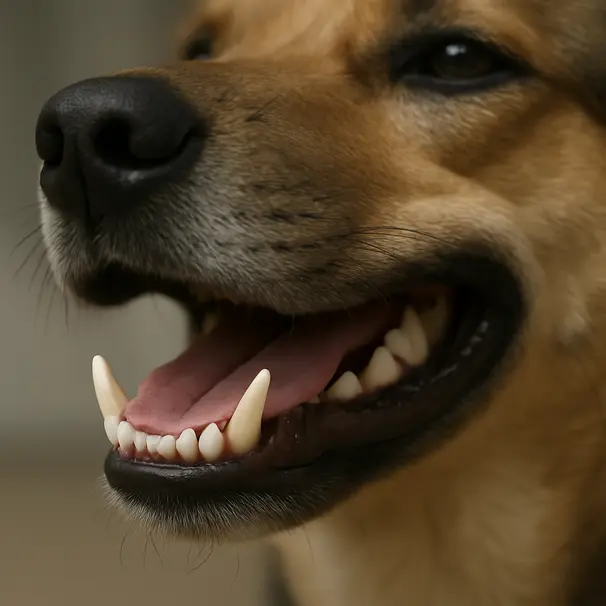
Common dental problems pet owners and carers may see
Keeping an eye on your dog’s mouth helps you spot problems early. Here are some common issues:
- Plaque and tartar buildup: This starts as a soft film and may harden into tartar, which can lead to gum irritation.
- Gingivitis and periodontal disease: Inflamed gums can progress to more serious infection and tooth loss if not addressed.
- Broken or worn teeth: Chewing very hard objects or trauma can fracture a tooth. Broken teeth may be painful.
- Retained deciduous teeth: Baby teeth that don’t fall out can crowd adult teeth and cause problems.
- Oral infections or abscesses: Infections can cause swelling, bad breath, and changes in appetite.
Symptoms to watch for:
- Bad breath that doesn’t go away
- Drooling more than usual
- Pawing at the mouth or face
- Difficulty eating, dropping food, or chewing on one side
- Swollen or bleeding gums
- Loose or missing teeth
If you spot these signs, consider a vet visit. A vet can examine the mouth under light sedation if needed, and suggest cleaning, extractions, or other treatments. Early attention can help prevent more complex problems later.
Gentle dental care: easy daily habits that help
Good dental care doesn’t have to be a chore. Small, consistent steps can help keep a dog’s mouth healthier and more comfortable.
Daily and weekly practices:
- Start brushing early: Use a dog-formulated toothpaste and a soft brush. A few times a week can help, daily is ideal. Take it slow and make it positive with praise and treats.
- Offer dental chews and toys: Look for products approved by veterinary dental organizations. Chews can help reduce plaque, but avoid ones that are too hard.
- Feed with dental health in mind: Some diets and kibbles are formulated to reduce plaque buildup. Consider them as part of an overall plan.
- Inspect the mouth regularly: Lift the lips and look for redness, swelling, or loose teeth so you can catch issues early.
- Routine professional care: A vet dental check and cleaning may be recommended periodically. Professional cleaning may require sedation, and your vet can explain risks and benefits.
Simple at-home brushing tips:
- Let your dog sniff and taste the toothpaste first
- Use gentle, circular motions on the outside surfaces
- Focus on the gumline where plaque accumulates
- Keep sessions short and positive, finish with a favorite treat or cuddle
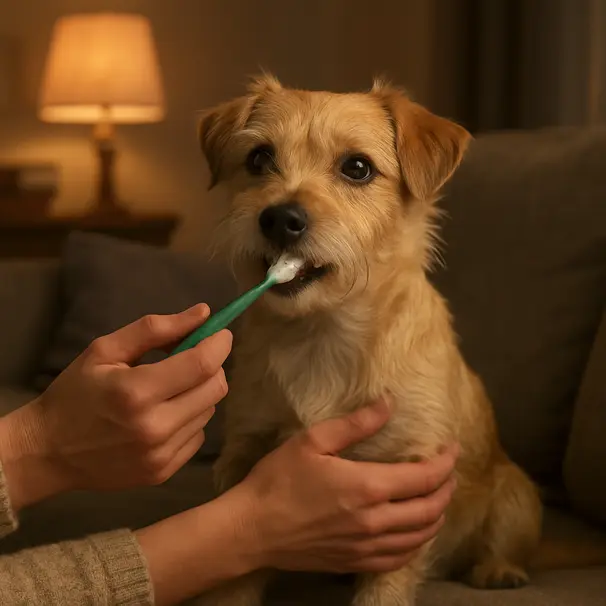
Handling a dog’s mouth safely: tips for owners and carers
Many dogs will let you touch their mouths if you build trust slowly. For pet carers, gentle and confident handling is key.
- Start young and go slow: Pair mouth handling with treats and calm reassurance
- Read body language: If a dog tenses, licks lips, or turns away, pause and try again later
- Use two people when needed: One person can gently hold while the other checks the mouth
- Avoid force: If a dog is frightened or in pain, a vet or experienced handler should assist
- Note special needs: Senior dogs or those with dental pain may need extra patience and a gentle plan
Encourage carers to communicate with owners about any mouth issues noticed during walks, grooming, or sitting. A quick photo or note about bad breath, loose teeth, or swelling can prompt a vet visit.
When to call the vet
Consider contacting a vet if you notice:
- Sudden reluctance to eat or dramatic changes in chewing
- Visible swelling, pus, or obvious broken teeth
- Chronic bleeding from the gums
- A retained puppy tooth still present after 6–7 months
- Any sign of severe pain
Vets may suggest a professional cleaning, extractions, or x-rays to check roots below the gumline. Dental x-rays can reveal problems you can’t see with a quick look.
Travel, kennels, and carers: what to mention about dental care
If you’re leaving your dog with a pet carer or boarding facility, make a short dental note:
- Any recent dental problems or treatments
- Sensitivities around mouth handling
- Favorite toys and chew preferences
- Whether your dog is on a dental diet or special chews
Clear notes help carers avoid triggers and spot concerns early. A caring sitter who knows to report loose teeth or changes in appetite can make a big difference.
FAQs from dog lovers
Q: Do all adult dogs have 42 teeth?
A: Most do, but variations exist. Some dogs lose teeth, have retained baby teeth, or are missing teeth due to breed or injury.
Q: When should baby teeth fall out?
A: Typically between three and seven months. If a baby tooth hasn’t fallen out by seven months, a vet check may be wise.
Q: Can I remove a baby tooth myself?
A: No. It can cause pain or infection. If a baby tooth is stubborn, consult your vet.
Q: Are dental chews safe?
A: Many are helpful, but choose appropriate sizes and avoid overly hard items. Supervise chewing and consider vet-approved products.
Simple checklist for a healthy dog smile
- Look inside your dog’s mouth weekly
- Brush teeth regularly with dog toothpaste
- Offer safe dental toys and vet-approved chews
- Keep an eye out for signs of pain or infection
- Schedule vet checks and professional cleanings as advised
Caring for a dog’s teeth is an act of love that helps them stay comfortable and happy. Little habits add up.
Final thoughts
Teeth are a small part of what makes your dog unique, but they play a big role in daily comfort and overall health. Knowing the numbers, the teething timeline, and what to watch for gives you confidence. If you’re a pet carer, these tips help you support the dogs in your care and report issues clearly to owners.
When in doubt, consider a vet consult. A quick check can ease worries and keep tails wagging.
Thanks for reading. Give your dog a gentle pat and maybe a vet-approved chew — they deserve it.