

How much attention dogs really need
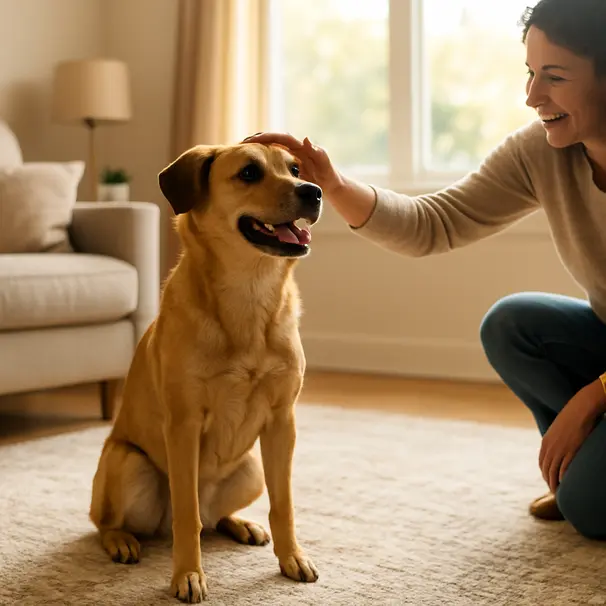
Every dog is an individual. Some are velcro pups who follow you from room to room, while others are content with a nap in their bed and an occasional pat. Figuring out how much attention your dog needs is less about a single number and more about understanding their personality, age, health and daily life. This article walks through practical, heartwarming guidance for pet owners and carers who want to meet a dog’s emotional and physical needs without turning care into a chore.
Why attention matters
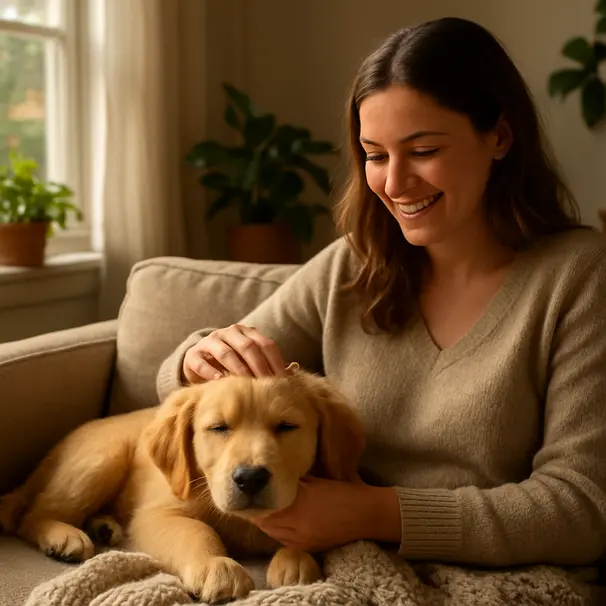
Attention is how dogs learn, bond and stay mentally healthy. It can be a simple scratch behind the ears, thirty minutes of play, or focused training that challenges their brain. Attention helps reduce boredom, prevents unwanted behaviors that come from frustration, and strengthens the relationship between a dog and their human. Consider attention an essential part of care, similar to feeding and shelter, rather than an optional luxury.
How attention needs vary
Dogs won’t all ask for the same kind of attention. Here are the most common factors that change what a dog needs:
- Breed and energy level. Herding and working breeds often ask for sustained mental and physical engagement. Toy breeds might need less exercise but still enjoy social interaction.
- Age. Puppies need frequent interaction and training sessions. Adult dogs usually settle into predictable rhythms. Senior dogs may need gentle, comforting attention and short, regular outings.
- Health and pain. Dogs in pain, recovering from surgery, or with chronic conditions may want more reassurance. If attention needs change suddenly, consider a vet check.
- Past experience. Dogs with a history of neglect or anxiety may seek constant reassurance or, conversely, may avoid touch until they feel safe.
- Personality. Some dogs are naturally independent. Others are social butterflies who thrive on human presence and interaction.
Quality versus quantity of attention
A short, focused interaction can be more meaningful than hours of background presence. Quality attention means being fully present, responsive and consistent. A five-minute training game with attention and praise can be more satisfying than two hours of TV with a dog at your feet.
Quality attention examples:
- Focused play where you follow the dog’s lead.
- Short training sessions that reward calm behavior.
- Calm cuddles when the dog leans in for contact.
- Scent games that engage the brain and nose.
When time is tight, aim for several short, high-quality moments spread across the day. Dogs remember interactions and routines, so small but consistent investments pay off.
Daily attention guidelines by life stage
These are starting points, not rules. Watch your dog’s response and adjust.
Puppies (8 weeks to about 6 months)
- Frequent short interactions: socialization, bite inhibition play, and brief training sessions.
- Supervised exploration: new sounds, surfaces, and people in short, positive bursts.
- Rest is equally important: puppies need lots of naps between activity.
Adult dogs (1 to 7 years, depending on breed)
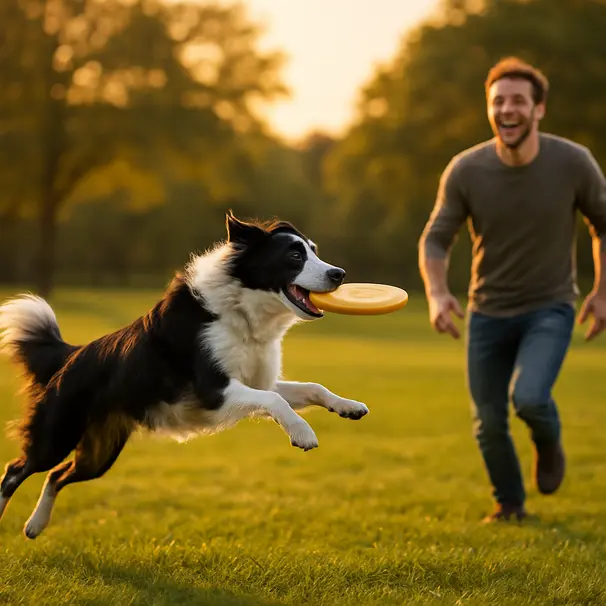
- Daily exercise: 30 to 90 minutes depending on energy level. This can be split into walks, play sessions, or runs.
- Mental stimulation: training, puzzle toys, or scent work for 20 to 40 minutes total across the day.
- Bonding time: relaxed cuddles, grooming, or quiet time together.
Senior dogs (7+ years or depending on breed)
- Gentle, shorter walks to keep muscles moving.
- More frequent but gentler attention: massages, soft brushing, and reassurance.
- Adjust activities to comfort levels and mobility.
Signs your dog needs more attention
Noticeable changes can mean your dog isn’t getting enough social or mental engagement. Look for:
- Increased chewing, digging, or destructive behavior.
- Repetitive actions like pacing or excessive licking.
- Sudden clinginess, or the opposite, sudden withdrawal.
- Barking at times they’re usually quiet.
If behaviors change drastically, consider both attention levels and health. A vet visit can rule out pain or medical reasons for behavioral shifts.
Practical ways to give attention
You don’t need huge blocks of free time to make a difference. Try these practical ideas that fit into busy lives.
Play and exercise
- Short, energetic play sessions in the yard or living room. Use toys that match your dog’s style: chase toys for sprinters, tug for interactive players, and soft fetch for gentle mouths.
- Break walks into two or three shorter outings if a single long one isn’t possible.
Brain games and training
- Five- to ten-minute training bursts teach manners and tire a dog mentally.
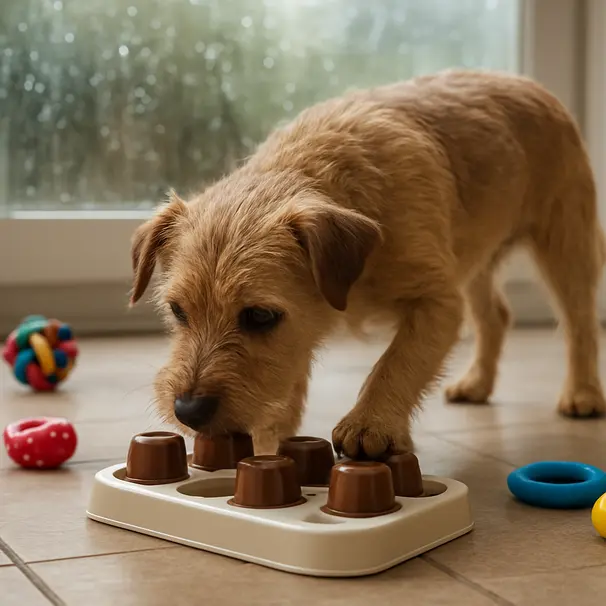
- Puzzle feeders and scent games encourage problem solving and satisfy natural instincts.
- Teach new tricks as a bonding activity; keep sessions upbeat and reward-based.
Calm, reassuring attention
- Quiet cuddle time after a walk can help dogs settle.
- Gentle grooming or brushing can be soothing and doubles as a health check.
- Sit quietly with your dog while you read or work nearby to offer presence without overstimulation.
Enrichment when you’re out
- Leave safe chew toys or long-lasting puzzles for solo enrichment.
- Rotate toys to keep novelty alive.
- Consider dog-safe scents or safe hiding treats for morning entertainment.
Creating attention routines when life gets busy
Consistency helps dogs feel secure. Build rituals that fit your schedule.
Morning
- A ten-minute wake-up routine: potty, short walk, or play.
- A quick training session to start the day with focus.
Midday
- A midday walk or enrichment toy while you work or run errands.
- Ask a trusted carer to pop by for a short play session if you’ll be gone long.
Evening
- A longer walk or play session to burn off evening energy.
- Quiet time with gentle grooming before bed.
Weekends
- Longer outings or adventures that vary the scene: beaches, parks, nature trails, or new neighborhoods.
Consistency is the secret sauce. Dogs thrive when they can anticipate attention moments. That doesn’t mean every interaction must be identical, but a predictable rhythm reduces anxiety and unwanted surprises.
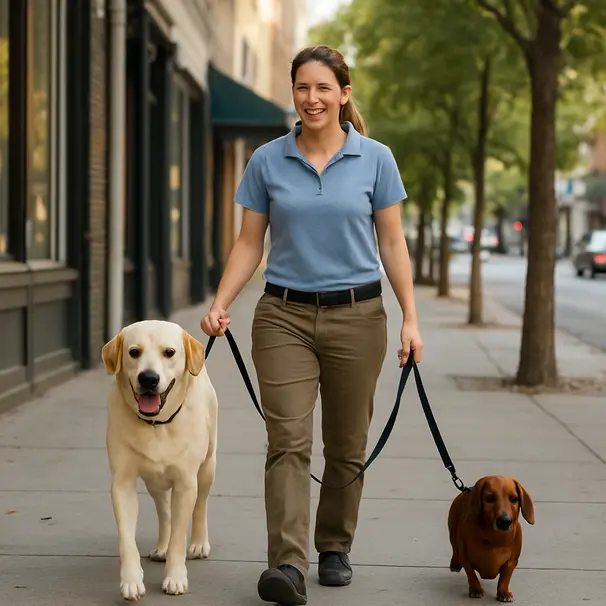
When a pet carer can help
Pet carers are a practical solution for busy schedules, special needs, or multi-dog households. They can:
- Provide mid-day walks and play sessions you can’t fit in.
- Offer one-on-one time for shy or anxious dogs who need gradual socializing.
- Deliver structured activities like training refreshers or enrichment setups.
- Help seniors with gentle support and mobility assistance.
If your dog seems under-stimulated, a carer can fill consistent gaps and keep your dog mentally and physically active. Meet carers in person, ask for references and trial visits, and communicate your dog’s routine and cues clearly.
Safety and when to check with a vet
Changes in attention-seeking or withdrawal might be behavioral, but they can also signal discomfort or illness. Consider a vet visit if:
- Your dog’s attention needs shift suddenly and dramatically.
- There’s a new reluctance to move, play or be touched.
- Sleep patterns change significantly.
Consulting a vet can rule out pain, sensory changes, or other medical issues. Use cautious language: a vet visit may help identify medical causes and guide adjustments to care.
Quick checklist and a sample day
Simple checklist to assess your dog’s attention needs:
- Is my dog getting daily physical exercise appropriate for their breed and age?
- Do they have mental stimulation each day?
- Are there predictable moments of close interaction and calm bonding?
- Do behaviors suggest boredom, anxiety, or pain?
- Could a pet carer or neighbor help fill consistent gaps?
Sample day for a medium-energy adult dog:
- Morning: 20-minute walk, 10-minute training session.
- Midday: 15-minute walk or enrichment toy while you work, or carer visit.
- Afternoon: Short play session or fetch for 15 minutes.
- Evening: 35- to 45-minute walk or mixed activity, followed by calm brushing and a quiet cuddle.
Adjust times up or down depending on size, breed and energy level.
Final thoughts
Attention is a language dogs understand. It can be active play, gentle contact, focused training or simply being present. Think of attention as a mix of quantity and quality, tailored to your dog’s personality, stage of life and health. Small, consistent efforts often make the biggest difference. When you can’t be there, trusted carers, rotating enrichment and predictable routines can keep your dog feeling loved and secure. Keep watching, listening and adapting. Your dog will tell you what they need, one wiggle, nuzzle or playful bark at a time.