

A friendlier way to care for pets
There’s something quietly powerful about a neighborhood where people know each other’s pets by name. Pet carer networks—groups of trusted sitters, walkers, foster helpers, and neighbors who pitch in—do more than keep tails wagging. They help weave animals into the social fabric of a place, and that has ripple effects for everyone.
This post is for pet owners and carers who want practical ideas and warm encouragement. You’ll find how networks build trust, create daily moments of connection, enrich animals’ lives, and boost community resilience. There are tips for starting or joining a network, safety pointers, and small activities that make bonds stronger. Let’s get into it.
What is a pet carer network and why it matters
A pet carer network can be formal or informal. It might be a group on a platform like Floofy where verified carers connect with owners, or a neighborhood list of people who swap dog-walking duties, check in on house rabbits, or cover vet trips. The core idea is simple: shared responsibility and reliable human connections.
Here’s why that matters:
- Consistency for pets. Animals thrive on routine. A network helps preserve feeding, walking, and play rhythms even when an owner is away.
- Social buffering for owners. Knowing there’s someone you trust to help reduces stress and guilt. That relaxed owner often reads into their pet’s mood and responds more calmly.
- Shared knowledge. Carers swap tips about enrichment toys, calming strategies, or vet-recommended routines. Small things add up.
- Community cohesion. Pet-focused interactions are natural conversation starters. They lead to friendships that extend beyond animal care.
How networks strengthen bonds at home and beyond
There are a few clear pathways through which networks deepen human-animal bonds.
Consistent emotional care
Pets pick up on our emotions. When several trusted people understand a pet’s cues, reactions, and favorites, they help the owner maintain consistent emotional care. For example, a sitter who knows Fluffy prefers slow petting during thunderstorms will mirror the owner’s approach. That continuity can reduce anxiety and make the pet feel safer.
More social opportunities for pets
Networks open up safe, varied social experiences. Dogs can meet different friendly humans and other dogs in supervised settings. Cats might get short home visits with gentle handling by someone who knows feline body language. These interactions can increase pets’ tolerance for new people, support positive social skills, and encourage curiosity rather than fear.
Shared activities deepen the human-pet relationship
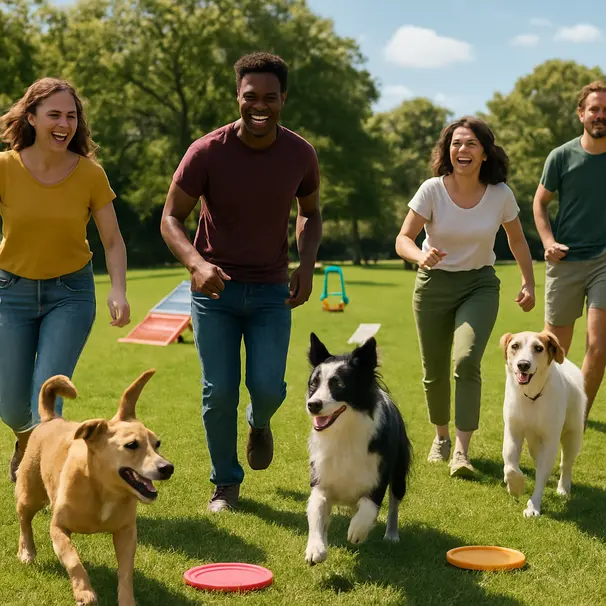
When neighbors organize group walks, park playdates, or toy-sharing swaps, owners get the extra time and motivation to engage with their pets. A game of fetch that happens twice a week with friends teaches owners to notice small signs of fatigue or joy, and pets learn to trust multiple people who care for them.
Community memory for pets
A strong network creates a collective memory. If your older dog had a favorite bench on a route, neighbors remember and keep bringing treats. If a cat prefers a sunny porch, someone checking in can leave the curtains open. That shared attention preserves the little comforts pets love.
Real-life examples: tiny moments, big impact
You don’t need sweeping programs to strengthen bonds. Small, repeated actions make the difference.
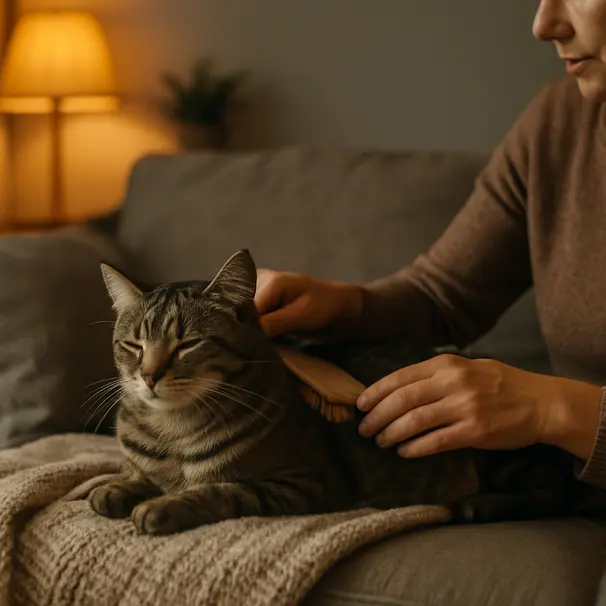
- The neighbor who drops by to collect mail and spends five minutes playing with a shy rescue cat. Over weeks, the cat begins to purr when that neighbor arrives.
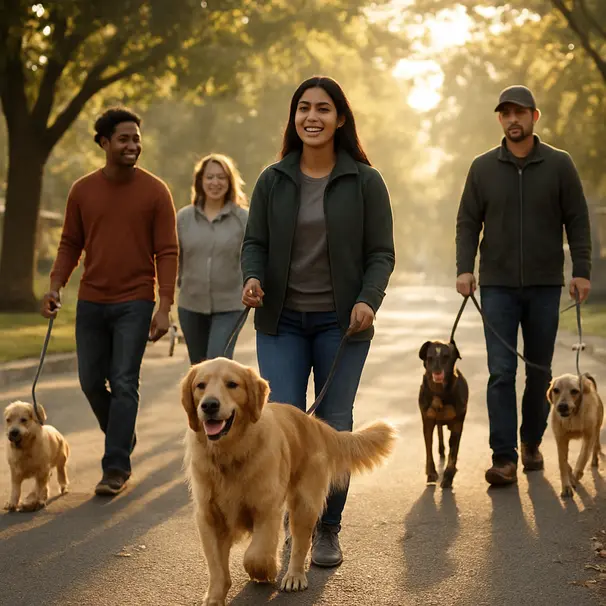
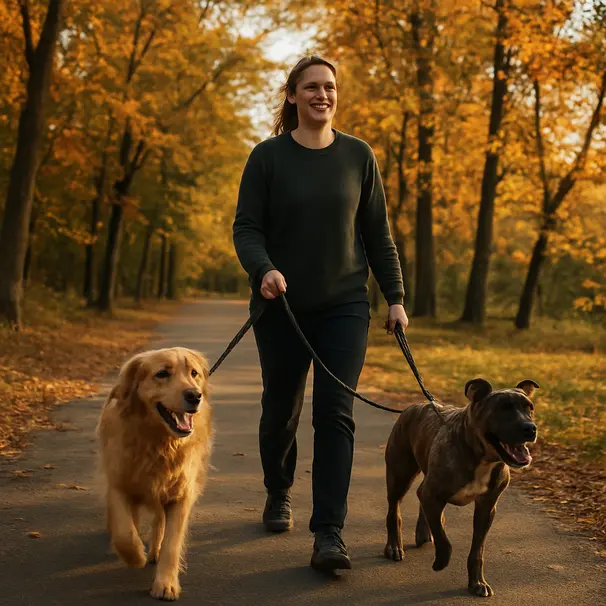
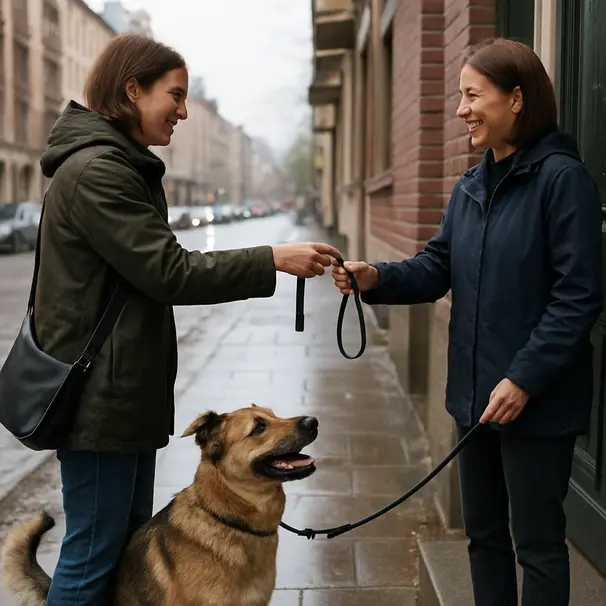
- A group of walkers who rotate mornings so a busy owner never misses their dog’s exercise. The dog learns a steady schedule and the owner feels supported.
- Teen volunteers from a local school who help socialize shelter pups on weekends. Those pups become more adoptable, and teens learn empathy and responsibility.
These micro-moments add up. Pets develop secure expectations, and humans feel part of a caring circle.
Building trust: safety and screening tips
Trust is the backbone of any carer network. Safety practices protect pets and reassure owners.
- Use verified profiles and references. Platforms like Floofy make it easier to check experience and read reviews. Consider background checks for long-term carers.
- Meet and greet. Arrange a short, in-person meeting before any sitting or walking appointment. Observe how the carer interacts with your pet and how the pet responds.
- Share routines clearly. Write down feeding times, medication notes, favorite games, and any triggers. The small details matter.
- Emergency plan. Make sure carers know your vet’s contact, local emergency clinic, and how you prefer to be contacted. Consider leaving a spare key with a trusted neighbor.
- Insurance and bonding. If you’re organizing a larger community group, ask about liability coverage for carers. Clear expectations reduce misunderstandings.
Encourage carers to continue learning. Workshops on canine body language, feline stress signals, or basic first aid can make everyone more confident. If a health question arises, suggest owners consult their vet rather than relying on anecdotal advice.
Practical ways owners can participate and contribute
Being a great member of a pet carer network involves more than asking for favors. Giving back builds goodwill and strengthens the whole group.
- Share knowledge. If you’ve found a calming toy or puzzle feeder that works, pass the tip along.
- Swap shifts. Offer to cover a walk or visit for busy members. Reciprocity keeps the system fair and friendly.
- Host a short workshop. A 30-minute demo on leash manners or nail trimming can be a huge help.
- Keep communication clear. Use shared calendars, chat groups, or lists so everyone knows who’s scheduled when.
- Be gracious. Small thank-you notes, treats for carers, or houseplant cuttings are simple tokens that make relationships last.
When owners are proactive, networks feel less transactional and more like a neighborhood of helpers.
Activities and events that spark connection
Events give pets and people structured chances to bond. Here are ideas that work well in small or large groups:
- Meet-and-greet strolls. Short, 30–45 minute walks in a low-traffic area help dogs and humans practice introductions.
- Play-and-learn sessions. Combine playtime for pets with a brief talk from a local trainer or experienced carer.
- Swap boxes. A small lending library for toys, carriers, or grooming tools can reduce waste and expense.
- Potluck for people, treats for pets. Casual gatherings with simple rules about shared treats and allergy-safe options can be fun and inclusive.
- Volunteer days. Team up to walk shelter dogs or assist at adoption events. Pets outside the network benefit, too.
These activities give pets novel experiences while helping owners meet people they can trust.
Tips for carers: building lasting connections
Carers play a special role. They are often the bridge between owners and a larger community.
- Be consistent. Showing up on time and following routines builds credibility.
- Communicate kindly. Little texts and photos during a sit are comforting to owners and strengthen trust.
- Learn each pet’s language. A wag, a blink, or a stretched-out yawn can tell you a lot. Observant carers help pets feel safe.
- Keep boundaries clear. Agree on payment, timeframes, and expectations up front.
- Share progress. Let owners know what activities the pet enjoyed or any small changes in behavior. That feedback helps owners notice patterns.
Consider creating a short checklist you use for every visit: arrival time, behavior notes, food given, medications, and a photo. That simple record can create continuity across multiple carers.
Digital tools and platforms: making networks easier
Technology can help manage logistics and increase transparency. Use apps or platforms that support:
- Verified profiles and reviews
- Shared calendars and bookings
- Secure messaging and photo updates
- Payment tracking and receipts
Digital tools reduce confusion and make it easier to scale a network. Keep privacy in mind: share only what’s necessary and use secure channels for keys and sensitive information.
When to involve a professional or a vet
Networks are wonderful, but they aren’t a replacement for veterinary care. If a pet shows signs of illness, sudden behavior changes, or an emergency, owners should contact their vet. Carers can help by noting concerns and encouraging owners to seek professional advice.
Consider recommending regular check-ins with a vet for older pets or those with chronic conditions. Carers who notice subtle changes, like decreased appetite or new limping, can be an early warning system.
Small rituals that deepen bonds
Rituals create predictability. Try these simple practices:
- A five-minute wind-down after every walk. Let the pet sniff a favorite spot and give a calm goodbye.
- A shared training trick. Teach a new cue together and celebrate small wins.
- Photo messages. Send a quick happy photo while you’re with the pet. Owners treasure those moments.
Rituals don’t have to be elaborate. Regular, gentle patterns are what pets remember.
Starting or growing a carer network in your neighborhood
If you want to start a network, begin with one or two neighbors. Try these steps:
- Make a simple spreadsheet or group chat with names, contact info, and pets’ basic needs.
- Host a casual meet-up at a park or someone’s backyard. Keep it short and pet-friendly.
- Establish basic rules about scheduling, compensation, and emergency contacts.
- Use a platform like Floofy to vet and expand membership when you’re ready.
- Celebrate wins. Share success stories so more people feel comfortable joining.
Networks grow best when they feel safe, fair, and fun.
A closing note: pets at the center
At the heart of every carer network is a happy animal who benefits from consistent care, varied social experiences, and a circle of people who notice small changes. For owners, networks ease the burden of lone caregiving. For carers, they create meaningful ways to help. For communities, they spark friendships and shared responsibility.
If you’re curious, take one small step this week. Introduce yourself to a neighbor with a shy cat, offer to swap a short walk, or post a helpful tip in your local Floofy group. These tiny threads of connection are how strong bonds are made.
Thanks for being the kind of person who cares. Your effort matters to the pets and people in your community.