

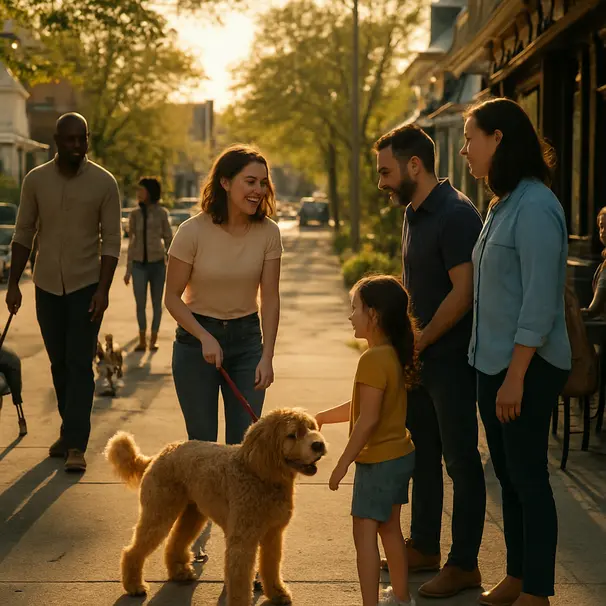
How pet carers and pet-friendly neighborhoods shape pet culture
Every city block, park bench, and local shop plays a quiet role in how pets and people coexist. Pet carers bring skills, warmth, and reliability into that mix. Neighborhoods that welcome animals build routines, social rituals, and safe spaces. Together, carers and communities create the kind of pet culture that makes tails wag and hearts relax.
In this article we’ll look at the everyday ways pet carers and neighborhoods influence life with animals. You’ll find practical ideas for owners and carers, plus glimpses of community habits you can encourage at home or on your street.
Why this matters
Pets thrive on routine, calm leadership, and chances to be part of daily life. A caring walker, an attentive pet sitter, or a friendly cafe that leaves water bowls out can change an animal’s experience from lonely to loved. Pet-friendly neighborhoods make these small kindnesses visible and repeatable. That consistency shapes pet behavior, owner habits, and how neighbors relate to each other.
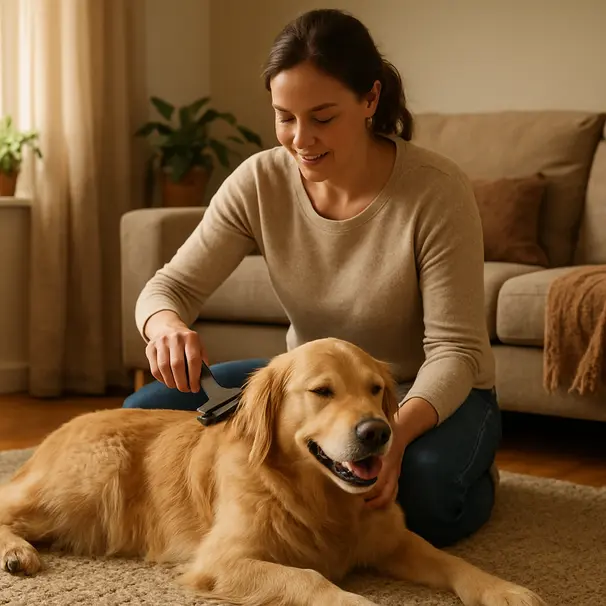
The role of pet carers in building trust and routine
Pet carers are more than convenient helpers. They become bridges between busy owners and contented pets. A regular carer learns preferences, triggers, and the little things that keep a pet comfortable. That understanding often translates into better walks, safer introductions, and calmer transitions when owners are away.
Trust, consistency, and small rituals
- Regular schedules help reduce stress for many pets. A predictable walk time, feeding window, or quiet cuddle can make a big difference.
- Carers who communicate clearly about mood, appetite, and energy levels help owners notice subtle changes early. Consider short updates that include photos and a sentence or two about behavior.
- Familiarity with home routines and favorite toys reduces anxiety. A carer who knows where the treats are and what music soothes a dog can keep things steady.
Real caretaking also means respecting boundaries. Some pets need slow introductions to new people or limited handling. A good carer reads body language and adjusts quickly. Those adjustments shape how the pet reacts later to visitors and other animals.
Neighborhood design that encourages pet-friendly culture
A welcoming neighborhood isn’t just a list of pet policies. It’s about how spaces are used and shared. Thoughtful sidewalks, shady walking routes, and small off-leash areas create chances for pets to exercise, explore, and socialize safely.
Public spaces and everyday etiquette
- Clean, accessible waste bins and clear signage encourage responsible behavior. When people see others picking up after pets, they tend to follow suit.
- Benches, water fountains, and shaded spots invite stops during walks, which helps older or smaller pets manage longer outings.
- Off-leash areas can work when they are well maintained and divided by size or activity level. Community-led rules help these spaces stay friendly for everyone.
Think of parks as classrooms. Dogs that meet other dogs calmly and under supervision learn better cues. Cats in urban neighborhoods may benefit from flower boxes and window perches that give safe interest without constant outdoor risk.
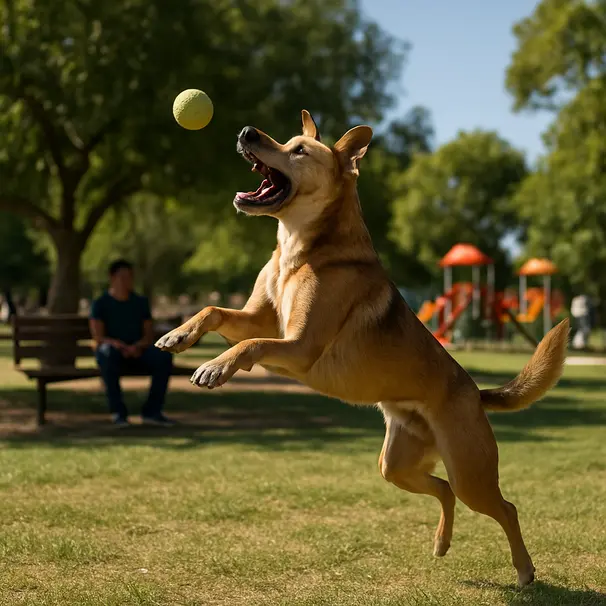
Daily practices that spread pet-positive habits
Culture grows from repeated, small actions. Friendly greetings, leash manners, and how shops react to pets all add up. Here are practical habits that pet carers and owners can model.
Actions that influence public perception
- Smile first. A calm, friendly approach to someone walking a nervous dog makes the other person feel seen. Your tone and posture tell a story more than your words.
- Keep interactions short and predictable during initial greetings. Pet carers who step back, offer a treat or a brief pat when welcomed, and avoid looming over animals help reduce fear.
- Use signage at businesses. A sandwich board that says pet-friendly or a chalkboard listing water breaks is a small gesture that invites pet owners to include local shops in their walks.
Neighborhood rituals that work
- Monthly meetups, like a weekend morning dog social or a cat-owner coffee hour, build familiarity among animals and people. These gatherings teach pets to expect friendly faces and predictable interactions.
- Community notice boards for lost and found, recommended carers, or local pet supply swaps keep information flowing. Sharing positive experiences about carers amplifies trust.
- Volunteering for park cleanups or fundraisers connects pet people with neighbors who might not have pets. It breaks down barriers and normalizes responsible pet ownership.
At the heart of these practices is respect. Pet culture thrives when everyone feels that their pets are safe and their concerns are heard.
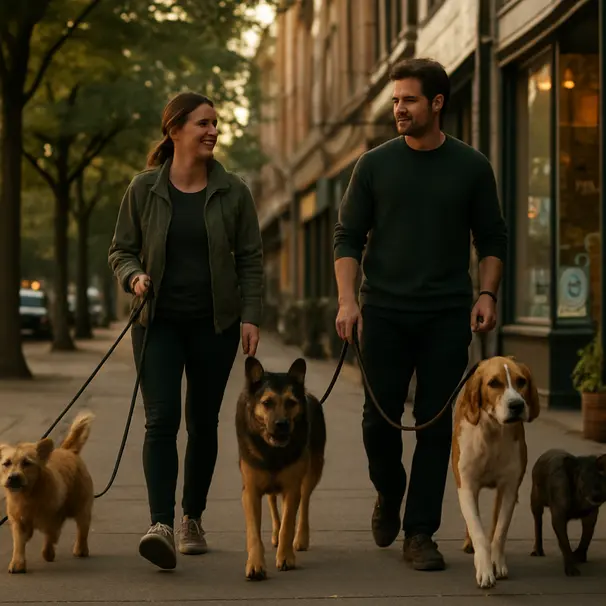
Practical tips for pet owners and carers
Whether you’re a veteran owner, a new pet parent, or a professional carer, small changes can make life easier and more joyful.
For pet owners
- Build a clear information sheet for carers. Include feeding notes, emergency contacts, favorite toys, and signals that something is off. Short, specific points are easier to follow during a busy day.
- Arrange short meet-and-greets before booking longer sits. Seeing a carer in your home for 15 minutes helps your pet learn a new face without stress.
- Encourage good neighborhood manners. Carry waste bags, offer water at park stops, and leash up when required. Your example influences neighbors and visitors.
For pet carers
- Offer flexible update options. Some owners want a photo and a sentence, others prefer a quick call. Adapting your communication builds trust.
- Keep a small kit: collapsible water bowl, waste bags, a calming toy, and contact details for local vets. Preparedness keeps small problems from becoming big ones.
- Respect property and privacy. Ask before sharing photos of a client’s home or posting photos online.
If you notice behavior or health changes in a pet, consider suggesting a vet check. Language that says something like, ‘I noticed a difference in appetite, you may want to consult your vet’ is gentle and responsible.
Businesses, services, and policies that amplify pet-friendliness
Local shops, cafes, and landlords can shape culture by setting welcoming norms. A cafe with outdoor seating that welcomes dogs, a pet supply store that sponsors adoption days, or a landlord who allows pets with clear guidelines makes life simpler for many owners.
- Work with local businesses to add pet amenities like water bowls or paw-cleaning stations.
- Advocate for clear and fair pet policies in shared housing. Rules that are predictable and enforced evenly reduce conflict.
- Encourage training resources. Community classes or carer-led workshops about basic first aid, leash manners, or enrichment ideas raise the baseline of knowledge across the neighborhood.
These changes don’t have to be costly. A chalkboard sign, a partnership for discounted vet consultations, or a monthly training drop-in can all make a difference.

Stories from streets and stoops
Small acts of kindness often ripple. A neighbor who offered to water plants in exchange for dog-walking, a carer who left a comfort toy when a pet was anxious, or a local shop that kept treats behind the counter all become shared memories. These moments define a neighborhood more than any formal policy.
One town started a simple badge program for trusted carers. Owners posted a small sticker on their windows showing their carer’s badge number. The program encouraged accountability, and people began recognizing familiar carers by name. It made asking for help easier and created an informal safety net.
Another example is a weekend dog training circle started by a local shelter. It began with five dogs and now draws twenty. Owners share tips, trainers volunteer time, and newcomers get a friendly entry into the community.
Small steps you can try this week
- Make a one-page care sheet for your pet and share it with your regular carer. Keep it updated.
- Introduce yourself to a neighbor walking a dog you often see. A quick hello can turn strangers into allies.
- Drop into a local pet-friendly cafe and leave a positive note for the owner. Businesses notice feedback.
- If you’re a carer, offer a short trial walk with a new client. It reduces nerves for everyone and sets clear expectations.
Closing thoughts
Pet culture grows from tiny, repeated actions: a reliable walker, a shady bench, a bowl of water by the shop door. Carers and communities that pay attention to these details help pets live calmer, fuller lives. You don’t need a big plan to make a difference. Start with kindness, clarity, and consistency, and watch the neighborhood become a friendlier place for all paws and people.
If you have particular concerns about health or behavior, consider consulting a vet or a qualified trainer. Small, informed steps can prevent stress and keep pets thriving.
Thanks for being part of the community that cares. Share a story from your street, and help inspire the next friendly corner of town.