


How Pet Culture Shapes Our Communities and Everyday Life
Pets are more than companions. They’re conversation starters, daily anchors, and unexpected connectors across age groups and backgrounds. From the friendly nod on a morning walk to organized neighborhood events, pet culture seeps into everyday life in ways that make communities kinder and more connected.
In this post we’ll look at how pet culture helps shape neighborhoods, supports local economies, gives rise to rituals and routines, and creates real human connections. We’ll also share practical tips for pet owners and carers on strengthening those ties safely and respectfully.
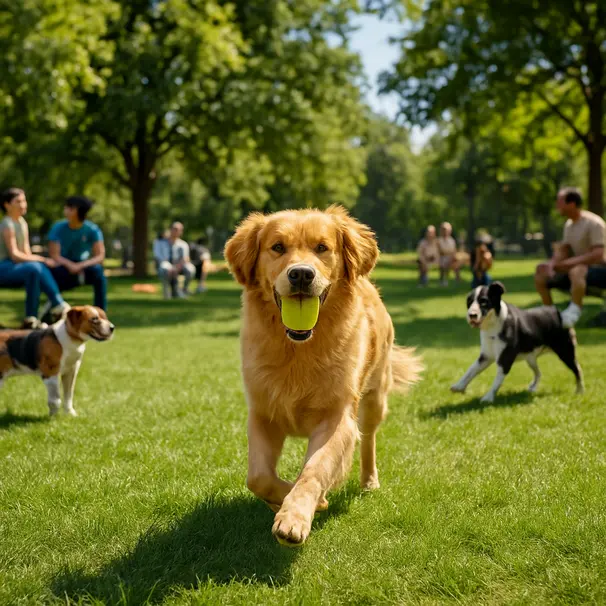
Pets as social glue: how animals make neighborhoods friendlier
Anyone who’s spent time at a dog park knows the magic. A curious pup becomes an excuse to say hello to a neighbor, share a treat recommendation, or swap stories about training wins. Pets remove the awkwardness of starting conversations.
- Shared spaces breed small acts of kindness. When a dog needs water or a cat sitter recommends a vet, neighbors step in. Small help becomes a pattern.
- Pets broaden social circles. People who might not otherwise meet can form friendships based on common care routines, weekend playdates, or shared fundraising for a local shelter.
- Community safety and watchfulness can increase. Neighbors who get to know each other while walking pets often look out for each other’s homes and routines.
Practical tip for owners and carers: learn names. Knowing a neighbor’s name or a dog’s nickname can turn a brief hello into a friendly exchange that deepens over time. If you’re new to an area, introduce yourself during a walk and ask about local pet hangouts.
Local economies and pet-centric services
Pets support local businesses in a very real way. Independent groomers, boutique supply shops, trainers, and doggy daycares rely on communities where people choose local care providers. Pet culture makes those small businesses thrive.
- Pet services create jobs and flexible roles that often suit people seeking part-time or home-based work, including many pet carers who join platforms like Floofy.
- Markets and pop-ups centered on pets bring people together to shop, learn, and socialize. They also create opportunities for charities and rescue groups to raise funds and awareness.
Practical idea: support a local pet service once a quarter. A grooming visit, a small purchase from a neighborhood pet shop, or booking a trusted sitter helps keep local pet culture vibrant. If you’re a pet carer, consider offering small community workshops—like basic grooming tips or enrichment ideas—to introduce your skills and build trust.
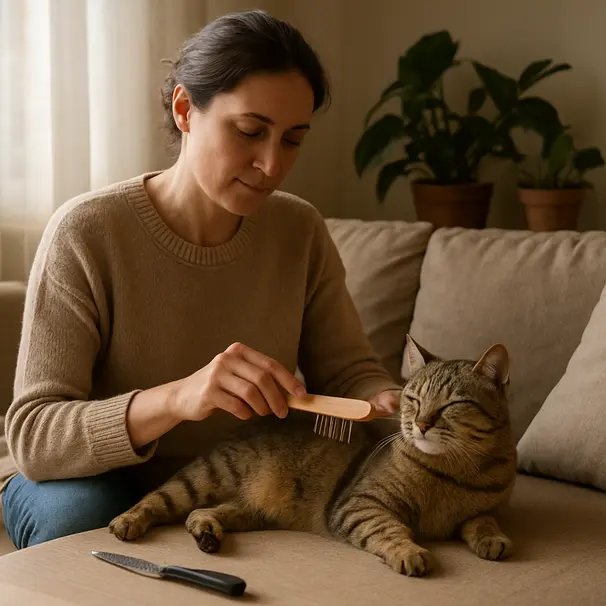
Rituals, routines, and the quiet structure pets bring
Pets create routines. Morning walks, feeding schedules, and bedtime cuddles give many people a comforting framework to their day. These routines ripple outward—people plan their commutes, social time, and errands around their pets’ needs.
- Routines encourage accountability. A daily walk means someone is more likely to get outside, meet neighbors, and pay attention to the neighborhood’s pulse.
- Community rituals form around pets. Weekly park meetups, weekend training sessions, or seasonal costume walks are ways people connect and celebrate together.
For carers: respect household routines. When you’re looking after someone’s pet, honor the feeding times, favorite toys, and walking routes. Small consistency helps pets stay calm and helps owners feel confident leaving their animals in your care.
Practical tips for building pet-friendly routines
- Create predictable meetups: pick a day and time for a park walk and stick to it. Regularity helps people plan and brings a steady group together.
- Share resources: set up a neighborhood chat or a pinned notice with recommended vets, trainers, and trusted sitters.
- Make space for newcomers: when a family moves in with a pet, invite them to the next meetup. A warm welcome can turn isolation into inclusion quickly.

The emotional and wellbeing ripple effect
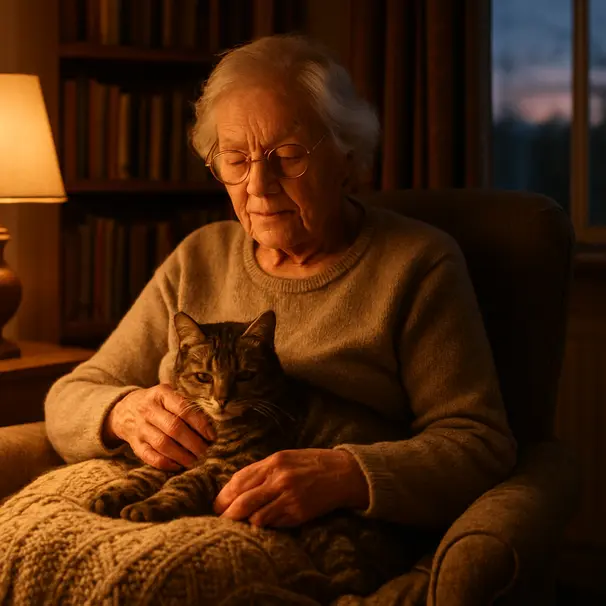
Pets offer comfort, reduce stress, and bring joy in small daily doses. That emotional support isn’t confined to owners. Therapy visits at schools, libraries, and care homes show how animals can lift moods and spark conversations across generations.
- Pets help bridge age gaps. Kids learn responsibility, adults find companionship, and elders often experience calmer, more engaged interactions when pets are present.
- Collective empathy grows. Communities that value animals may practice more compassion, visible in volunteer efforts, foster networks, and neighborhood guardianship.
A note of caution and care: pets are not a substitute for medical care or professional therapy. They can provide comfort and company, but if someone needs specific mental health support or medical intervention, encourage them to consult professionals. If a pet shows signs of stress, illness, or behavior changes, consider suggesting a vet visit.
Cultural variations and inclusivity in pet culture
Pet culture isn’t uniform. Different communities and cultures have unique relationships with animals. Recognizing those differences helps create respectful, inclusive spaces.
- Some neighborhoods have long-standing traditions around animals, like community events tied to cultural celebrations. Others may have practical concerns, such as limited green spaces or rental rules.
- Accessibility matters. Not everyone can walk a dog or attend a midday meetup. Inclusive pet culture considers seniors, people with disabilities, and shift workers when organizing events.
Practical suggestion: vary meeting times and venues, and offer low-effort options like a short “hello” table at a weekend market for people who can’t join longer activities. If you’re organizing events, ask for input from diverse neighbors so you design gatherings that feel welcoming.
Building trust between pet owners and carers
Trust is the backbone of any pet care arrangement. Pet owners want assurance that their animals will be safe, loved, and looked after. Carers want clear expectations and supportive communication.
- Be transparent. Clear profiles, references, and open communication about routines and emergencies make a big difference. Pet carers should share their experience and any relevant certifications.
- Meet and greet first. A short, in-person introduction helps pets and people get comfortable. It’s a chance to observe reactions, ask questions, and review the home layout or leash routines.
- Use tech wisely. Bookings, photos during care, and short updates can reassure owners and let carers demonstrate professionalism.
Quick checklist for a smooth pet care booking:
- Confirm feeding times, allergies, and medication instructions.
- Agree on emergency contacts and a veterinarian preference.
- Discuss house rules, like furniture access and bathroom routines.
- Exchange a backup plan for travel delays or unexpected changes.
Stories from the block: small moments, big impact
Sometimes it’s the tiny things that show pet culture’s power. A neighbor bringing in a stranded cat, a teenager walking elderly neighbors’ dogs during heatwaves, or a community fundraiser for a rescue—these moments weave a neighborhood’s story.
If you’re a pet owner, notice these moments and say thank you. If you’re a carer, small gestures—like text updates or a short note—build goodwill and trust. Pet culture lives in the exchanges that aren’t flashy, but mean everything.
Practical next steps to strengthen pet-friendly community life
- Organize a low-key welcome walk for new neighbors with pets. Keep it short and friendly, and offer practical local tips.
- Host a skills swap. Someone might show basic obedience, while another teaches enrichment toy DIYs.
- Volunteer together. A group clean-up at a local park or a donation drive for a shelter plants the idea that pets and people prosper together.
- Use local platforms to find vetted carers. Well-reviewed sitters and walkers can expand access to care and support spontaneous plans without stress.
Final thoughts
Pet culture shapes communities in small, steady ways. It nudges people outside, sparks conversations, and creates shared rhythms. Those daily threads—walks, meetups, small acts of care—add up into neighborhoods that look out for each other.
If you love pets and want to help your community, start small. Bring a bowl of water to the park, welcome a new neighbor, or give a trusted carer a glowing reference. Over time those gestures turn into a network of support that benefits pets and people alike.
Thanks for being part of a pet-loving community. If you’re looking for trusted pet carers or want to offer your skills, platforms like Floofy make it easier to connect, share values, and build local bonds.