

How Pet Lifestyle and Culture Shape Local Communities
Pets are part of our daily rhythm. They tug us outside for morning walks, inspire weekend gatherings, and turn ordinary streets into friendly meeting spots. Across towns and cities, the habits and cultures people build around their animals ripple out, shaping public spaces, local businesses, and the way neighbors connect. This article peels back the layers of that influence, sharing observations and practical ideas for pet owners and carers who want to help their communities thrive.
Streets, Parks, and Public Life
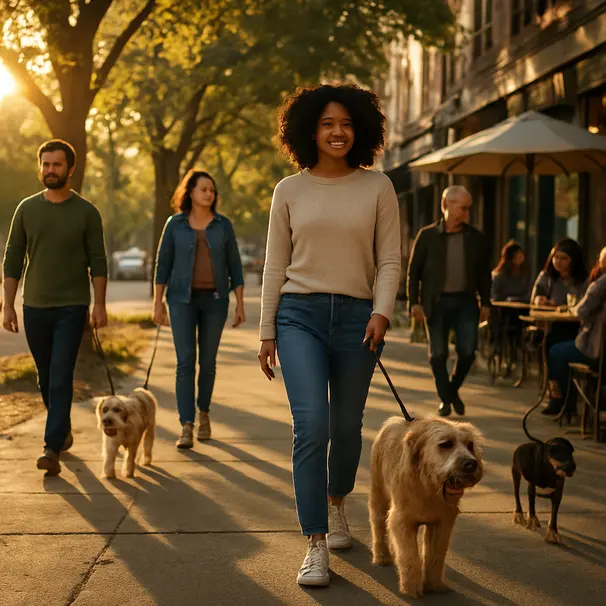
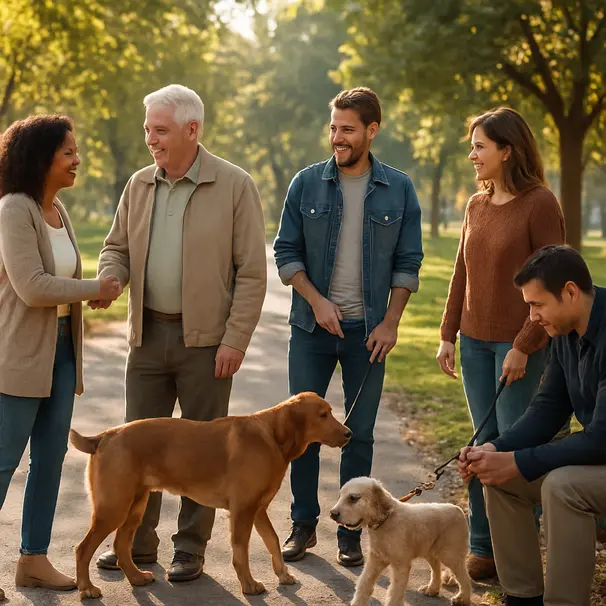
One of the most visible ways pets shape community life is how they change the way we use outdoor space. Dog walkers create regular foot traffic, which tends to make streets feel safer and more animated. Parks become social hubs, where people trade tips about training, swap stories about mischievous kittens, or organize informal playdates.
- Regular routines: Daily walks introduce predictability. Familiar faces (and dogs) turn into casual acquaintances and then friends.
- Park culture: Some parks develop their own etiquette—off-leash hours, preferred paths, and favorite gathering spots for certain breeds.
- Micro-communities: Neighbors who meet around pets often form small support networks, helping each other with errands, feeding plants, or collecting mail during trips.
These patterns influence the feel of a neighborhood. Streets with lots of pet activity often feel more human-sized and accessible. That doesn’t mean every street has to be a dog parade, but encouraging pet-friendly spaces can be a powerful tool for community-building.
Practical tip
If you visit the park regularly, introduce yourself to a few neighbors. A friendly hello can spark a pet playgroup or a Whatsapp list for local pet-sitting swaps.
Pet Businesses and Local Economy
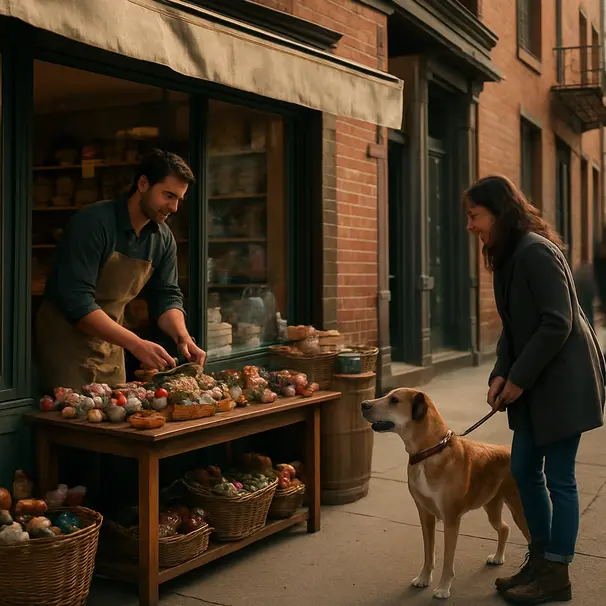
Pet culture also creates a visible local economy. Pet shops, groomers, trainers, and boutique cafes pop up in neighborhoods where owners want services close to home. Those businesses do more than sell food and toys. They become meeting points, event hosts, and local employers.
- Entrepreneurs respond to need: A neighborhood with lots of active dogs may attract a mobile groomer or a daytime dog-walking service.
- Events and workshops: Local businesses often host training sessions, adoption events, or seasonal meetups that bring people together.
- Economic ripple effects: Cafes with outdoor seating that allow well-behaved dogs may see more daytime customers, and nearby stores can benefit from the extra foot traffic.
When pet carers and owners support local businesses, they help sustain a network that keeps communities resilient. Small, pet-focused enterprises often collaborate—vets recommending groomers, trainers partnering with cafes for classes, and adoption centers co-running festivals.
Practical tip
Keep a short list of reliable local services and share it with new neighbors or clients. A simple Google Doc or a community board can become a treasured resource.
Social Rituals, Festivals, and Identity
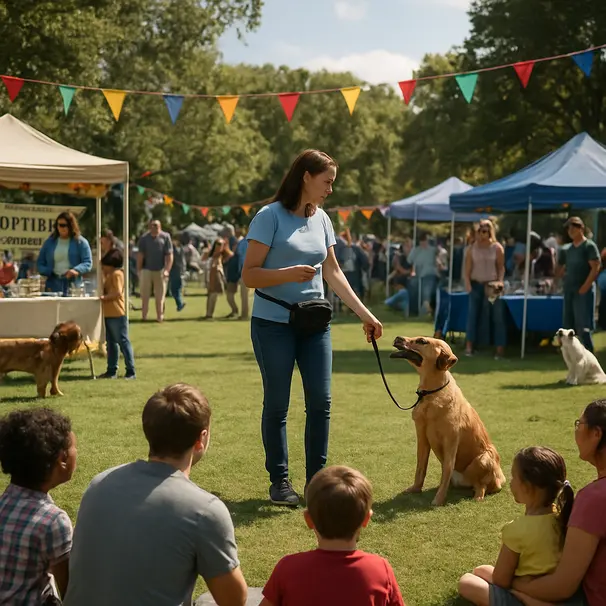
Pets shape more than daily habits. They become part of local identity. Think neighborhood parades, charity walks, or cat café fundraisers. These rituals give people reasons to gather and celebrate a shared love for animals.
- Seasonal traditions: Halloween pet costume contests, holiday photo booths, and summer adoption drives are ways communities mark time together.
- Shared causes: Pet-related volunteer work—like fostering, beach cleanups to protect wildlife, or fundraising for shelters—creates a sense of common purpose.
- Cultural expression: Different neighborhoods may favor different animals and activities; urban areas might embrace small dog meetups, while coastal towns rally around water-loving breeds.
These events are fun, but they also knit people together around shared values. They create memories and stories that get retold at the dog park, in local social media groups, and at the café counter.
Practical tip
If you’re organizing a small pet event, keep it low-friction: pick a familiar spot, set a clear schedule, and post a short code of conduct. Volunteers from local carers or pet owners can make things run smoothly.
Diversity of Pet Culture: Neighborhood by Neighborhood
Not every part of a city or town shares the same pet culture. Some areas are full of apartment cats and leash-trained small dogs. Others are parkside, where large, active breeds dominate. Cultural backgrounds of residents also influence pet choices, care routines, and attitudes toward animals.
- Housing influences pets: Apartment living encourages compact breeds and indoor enrichment, while houses with yards make space for higher-energy dogs.
- Cultural traditions: Some families have multi-generational pet habits, while others are new to owning animals. That diversity brings different perspectives to pet care and community norms.
- Interactions across cultures: Exchange of knowledge—about feeding, training, and pet-friendly celebrations—enriches a neighborhood’s approach to animals.
Recognizing this diversity helps pet carers and businesses offer services that really meet local needs. It also helps neighbors be more understanding; a rowdy puppy and a nervous senior dog can coexist when people appreciate different rhythms.
Practical tip
Offer a short, friendly meeting when introducing a new pet to the neighborhood. A quick chat about park rules and safe meeting practices can prevent misunderstandings.
Pet Carers, Trust, and Reputation
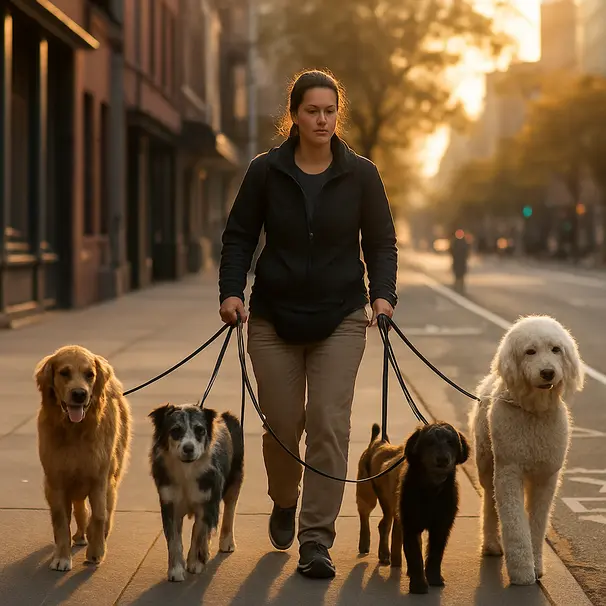
Trusted pet carers—walkers, sitters, and boarders—are often central to local pet culture. They’re the connectors who help busy owners relax and who step in during vacations or emergencies. Reputation travels fast in pet communities: word of mouth, local social posts, and review sites influence who gets hired.
- Building trust: Clear communication, prompt updates, and genuine care build strong reputations.
- Community vetting: Local recommendations weigh heavily. A single thoughtful review can mean steady bookings or an invitation into neighborhood groups.
- Training and standards: Carers who invest in basic training, first-aid knowledge, and clear contracts tend to be trusted more quickly.
Carers also shape the experience of pets themselves. A walker who loves socializing dogs can foster confident, friendly animals; a sitter who focuses on calm routines can help anxious pets relax. That influence changes how pets behave in public, which in turn affects how neighbors feel about them.
Practical tip
If you’re a pet carer, create a short welcome packet for new clients. Include your routines, emergency plan, and a few photos from recent walks. It’s practical and helps owners feel reassured.
Inclusive Design and Accessibility
As communities adapt to pet culture, thoughtful design makes a big difference. Benches with leash hooks, water fountains for dogs, and clear signage about off-leash rules are small fixes with big impact. Accessibility matters too: seniors and people with mobility differences should be able to enjoy pet-friendly spaces safely.
- Design for everyone: Wider paths, gentle ramps, and shaded seating welcome a broader group of pet owners.
- Clear rules: Simple, visible guidelines about waste disposal, off-leash times, and shared use reduce conflicts.
- Inclusive programming: Low-key events for shy pets, quiet hours at dog parks, or small indoor meetups can make spaces friendlier for all.
These design choices show that a neighborhood values both people and pets. They lower barriers to participation and keep more residents engaged.
Practical tip
Volunteer to help guide a small community audit. Walk your local park with notes about benches, lighting, and water access. A few thoughtful suggestions shared with a parks team can spark improvements.
Tips for Pet Owners and Carers Who Want to Strengthen Community
- Be predictable and polite: Clean up after your pet, follow posted rules, and be mindful of others. Small acts of respect create trust.
- Share knowledge: Post recommended vets, trainers, and pet-friendly spots in a shared document. Newcomers will appreciate it.
- Host micro-gatherings: A monthly leash-free coffee meet, a training practice at the park, or a rotating playdate invites casual participation.
- Support local businesses: Choosing nearby groomers and shops keeps the community’s pet services healthy.
- Promote safety: Encourage microchipping, up-to-date vaccinations, and calm introductions. When health questions arise, suggest owners consult a vet.
These actions are practical ways to invest time and attention. They help keep neighborhoods friendly and resilient.
Small-Scale Case Ideas to Try Tomorrow
- Neighborhood “pet table” at a weekend market where people can post lost-and-found notes.
- A rotating list of trusted carers for short-notice bookings.
- A welcome card for new residents that includes nearby pet-friendly spots and local rules.
- A quiet-hour policy at a local park for nervous or elderly pets.
Try one idea for a month and see how it changes daily life. Often small experiments turn into steady habits.
Closing Thoughts
Pet culture reveals something gentle and human about communities. The routines of feeding, walking, and caring create pockets of connection that enrich daily life. By paying attention to how pets move through neighborhoods, supporting local pet businesses, and building trusting relationships between owners and carers, we can make towns and cities friendlier for people and animals alike.
If you’re a pet owner or carer, consider one small change you can introduce this week. Share a resource, volunteer at a local event, or simply say hello to a neighbor at the park. Little bits of kindness add up, and before long, your neighborhood will feel like a warmer, more connected place for every floof and human who calls it home.