

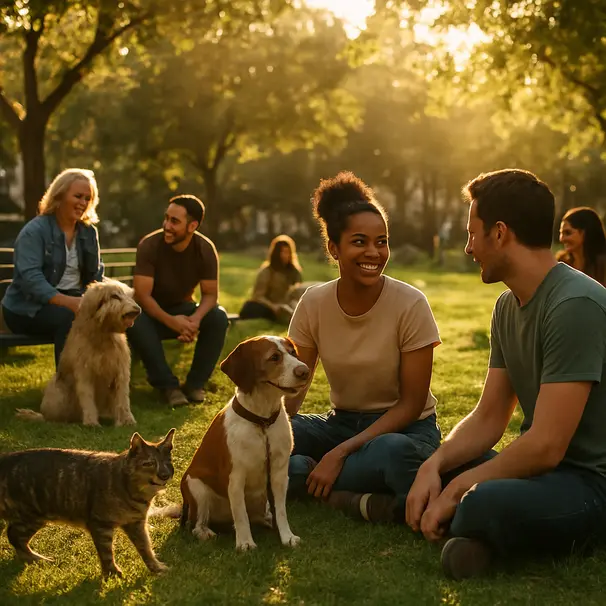
How social media pet trends are building local pet communities
Pets have always been a natural icebreaker. They make strangers smile on the street, create instant conversation at the dog park and give carers a warm, shared reason to connect. Lately, social media has amplified that power. Short videos, local hashtags and playful photo challenges are turning online attention into real-world meetups.
If you love pets and enjoy a friendly neighbourhood vibe, this is for you. I’ll walk through how pet trends spark local communities, how carers and owners can get involved safely, and practical tips to turn a hashtag into a heartwarming get-together.
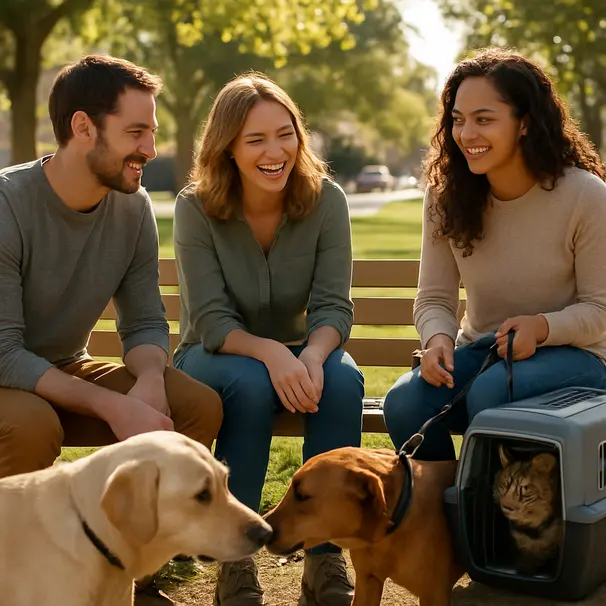
Why a trending post can become a neighborhood moment
A single post can travel fast. When a pet does something adorable or an owner shares a clever idea, the content often resonates because it’s simple, relatable and emotional. That emotional pull is the first ingredient that transforms an online trend into something local and tangible.
- Emotional resonance: People are drawn to joy and comfort. A cute trick or a silly outfit gives viewers a reason to comment, share and save. Those interactions often include local viewers who then tag friends in the same area.
- Local hashtags and geotags: Many creators add neighbourhood tags, parks, or city names. That tiny detail turns a global post into a local breadcrumb trail. People who live nearby can spot the location and feel invited.
- Shared challenges: Challenges that encourage people to participate are contagious. A “park cleanup with pups” challenge or a “20-minute fetch for socialising” trend gives people a low-effort way to join in and meet others who did the same.
When these elements line up, you stop seeing a post and start seeing neighbours — and their furry companions — showing up in real life.
Real examples that started online and grew locally
You don’t need big accounts to create impact. Lots of trends begin small and spread across neighbourhoods.
- Walk-and-photo meetups: A pet owner shares a themed walk — think matching bandanas or costume strolls — and tags their park. Others join the next weekend. It’s casual, fun and family-friendly.
- Rescue spotlights: Rescue groups post profiles of adoptable animals and use local tags. Followers sometimes meet at adoption events or volunteer together for transport and fostering.
- Skill-share sessions: A short training video goes viral in a community. Local owners ask for an in-person tutorial that the original poster or a nearby trainer offers.
These gatherings tend to be relaxed. They’re not formal events unless someone wants them to be. Mostly they’re friendly, spontaneous and often repeatable.
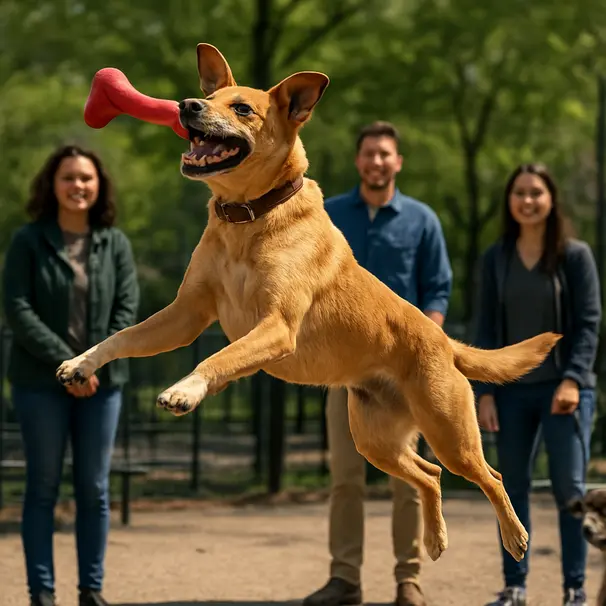
How pet carers benefit from social media trends
Pet carers — walkers, sitters and day hosts — can use these trends to meet clients and fellow carers. A few ways carers gain from this shift:
- Visibility and trust: Sharing clips of safe, playful outings or enrichment activities helps potential clients picture how you care for their animals. Local trends give that content a ready audience.
- Referral networks: Carers who join neighbourhood trends can meet each other, swap shifts or recommend local services. It’s a gentle, organic way to build a support system.
- Group bookings: A themed group playdate sparked by a trend can become a paid group walk or a recurring socialisation session.
The important thing is authenticity. People respond to genuine care and practical tips. If carers show real moments of responsible interaction, clients notice.
Safety and good etiquette for trend-driven meetups
Bringing pets together needs a bit of planning. Trends are fun, but safety makes them sustainable.
- Pick a suitable venue: Choose a space that matches the event energy. A quiet park corner for shy dogs, a fenced area for off-leash play and a café patio for calm meetups with cats in carriers.
- Communicate clearly: Use the post caption to state basics — date, time, leash rules, vaccination expectations and whether dogs should be treated for fleas and ticks. Clear details reduce awkwardness at the meetup.
- Respect boundaries: Not every dog wants to be a social butterfly. Encourage owners to read body language and step in if their pet looks uncomfortable.
- Know local rules: Many parks have leash laws and restricted areas. Respect signs and local regulations so the community can keep using the space.
- Bring essentials: Water, poop bags, a basic first aid kit and a towel can save the day. Suggest these in your event post so others arrive prepared.
Consider adding a simple RSVP method in the comments or a linked event page. That helps hosts estimate numbers and ensures a safe ratio for social dogs.
How to turn a trend into a regular local tradition
If a one-off meetup goes well, it’s natural to want to keep it going. Here’s how to evolve a single trending post into something recurring.
- Create a consistent hashtag: A local, easy-to-remember tag helps people find updates and photos. Keep it short and include the neighbourhood or park name.
- Set a predictable schedule: Meet the first Saturday or the last Sunday of each month. Consistency builds habit and trust.
- Invite local businesses: Pet-friendly cafés, groomers or trainers might chip in with treats, a prize or a small discount. That helps you grow without much administrative work.
- Rotate leadership: Let different owners or carers host each meet. It keeps things fresh and spreads responsibility.
- Collect feedback: Ask attendees what they liked and what could improve. Small changes like better shade or different start times can make a big difference.
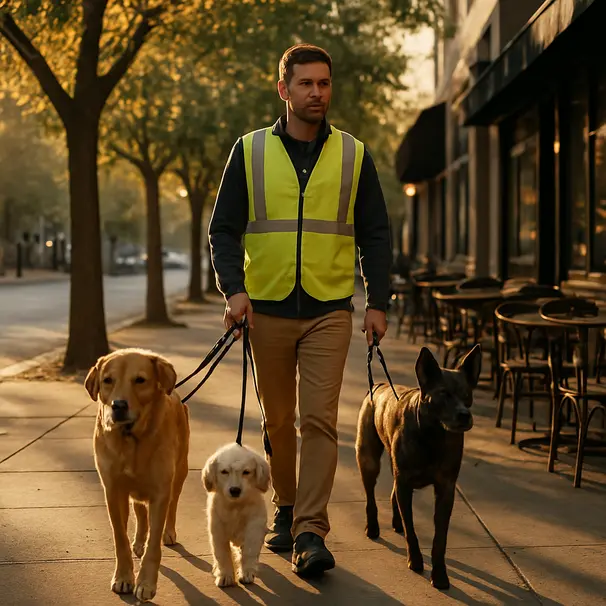
Practical tips for owners and carers who want to start something
You don’t need a big following. Here’s a simple playbook:
- Post a short, friendly video or photo with these key details: place, date, time and a single rule (for example, keep dogs on leash unless in fenced area).
- Use a local hashtag and geotag the location. Mention a nearby landmark so people can easily find the spot.
- Encourage people to tag a friend and bring water. “Tag a neighbour who needs a walk pal” works well.
- Offer one activity that makes introductions easy: sit-and-chat benches, a short group walk, or a slow introductions circle.
- Follow up with photos and a recap to keep momentum. Share the best moments and name-check contributors when appropriate.
For carers specifically:
- Show value in posts: A short clip of an enrichment game or a calm timeout technique demonstrates skills clients appreciate.
- Highlight safety: Mention vaccination checks and how you manage group sizes. That fosters confidence among owners.
- Network gently: Use meetups to introduce yourself, leave a business card or a QR code to your profile on a pet care platform.
Moderation and inclusivity: making spaces welcoming
A thriving pet community feels welcoming to everyone. Moderation matters, especially if your meetup grows beyond a small group.
- Set a code of conduct: Keep it simple. Respect, clean up after pets and consent for photos are solid basics.
- Be mindful of accessibility: Choose routes or meeting spots that are stroller and wheelchair friendly when possible.
- Offer alternatives: Some pets don’t do well in big groups. Suggest one-on-one coffee meetups or small training sessions for owners seeking quieter interactions.
- Handle conflicts calmly: If disagreements happen, de-escalate with kindness. Private messages and a neutral tone usually cool things down.
A small effort to be inclusive goes a long way. The friendliest local groups are the ones people keep coming back to.
Stories from the neighbourhood
I’ve seen simple posts grow into warm traditions. A cat-friendly meetup started when a neighbour shared a photo of their indoor cat on a sunny windowsill and asked if others had similar setups. It turned into a biweekly swap of enrichment ideas, indoor toys and spare climbing shelves.
Another example: a pup whose owner posted a 15-second slow-walk clip to help nervous dogs went viral locally. A handful of neighbours reached out. A month later, there was a small group meeting at a shaded path for calm social walks. Some of those dogs went on to make friends, and two owners connected with a sitter who now helps them regularly.
These stories feel small and human. They show that trends are really just invitations. Someone says, “Hey, try this,” and the neighbourhood replies, “We’ll come.”
Tools and platforms that help local pet communities
A few helpful tools make organising and growing easier:
- Local hashtags and repeating posts: Use a consistent tag and post reminders on community days.
- Community apps: Some neighbourhood apps and local Facebook groups are great for spreading word of mouth.
- Event pages: Simple event pages let people RSVP, ask questions and see updates.
- Pet-care platforms: Profiles on trusted platforms help carers show references and connect with owners who attend local meetups.
Combine tools gently. You don’t need to be everywhere. Pick one or two channels that your neighbourhood already uses.
Final thoughts: small posts, big connections
Social media pet trends are charming because they translate easily into real life. A tiny video or an honest photo can spark meetups that enrich pets and people. The secret is simple: keep things friendly, plan for safety and offer clear details so others can show up with confidence.
If you’re ready to join in, start small. Post a brief invite, pick a safe spot, and bring water. If you’re a carer, share a useful tip and show how you keep group activities calm and controlled. Before long, a few likes may turn into new friends, repeat clients and a cozier neighbourhood for everyone.
Would you like a checklist to post your first local pet meetup? I can make one tailored for owners or carers to copy and use.