


Why brushing matters for your dog
Brushing your dog does more than keep them looking good. It removes loose hair, dirt, and dander, helps prevent mats, and can make skin healthier by distributing natural oils. Brushing is also a lovely way to spend quiet time together. Dogs often take comfort from the rhythm and attention, and it can help you spot lumps, bumps, or skin changes early.
Regular brushing can help with shedding, which is a big win for your furniture and clothes. It may also reduce the chances of painful matting, especially in breeds with long or curly coats. Remember, if you find anything unusual while brushing, consider checking with your vet.
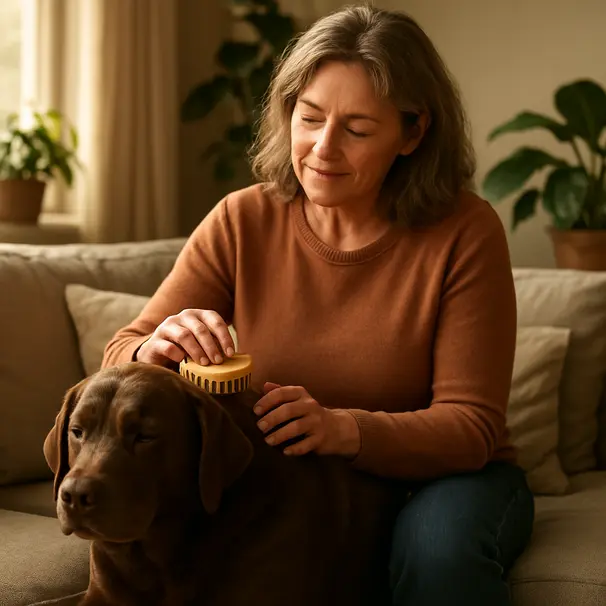
How often should you brush your dog?
There’s no one-size-fits-all answer. Coat type, activity level, and the season all play a role. Here’s a friendly guide to help you decide:
- Short-haired dogs (like Beagles or Boxers): Once a week. A rubber curry brush or a bristle brush can remove loose hairs and keep the skin healthy.
- Medium-haired dogs (like Cocker Spaniels or Border Collies): Two to three times a week. These coats can tangle and pick up debris from outdoor play.
- Long-haired dogs (like Shih Tzus or Afghan Hounds): Daily to every other day. Long coats can matt quickly unless you stay on top of them.
- Double-coated breeds (like Siberian Huskies or Golden Retrievers): Several times a week during shedding seasons, weekly otherwise. Use an undercoat rake or de-shedding tool for the loose undercoat.
- Curly or tightly textured coats (like Poodles or Bichons): Every day or every other day, plus regular professional trims. Curly coats can trap dirt and form mats near sensitive areas.
Puppies: Start slowly. Short, gentle sessions a few times a week to get them used to the feel of brushing. Senior dogs: Be mindful of sore joints and skin that may be thinner or more fragile. Adjust your technique and tools accordingly.

Tools of the trade: which brush to use
Choosing the right tool makes brushing easier and more effective. Here are common options and when to use them:
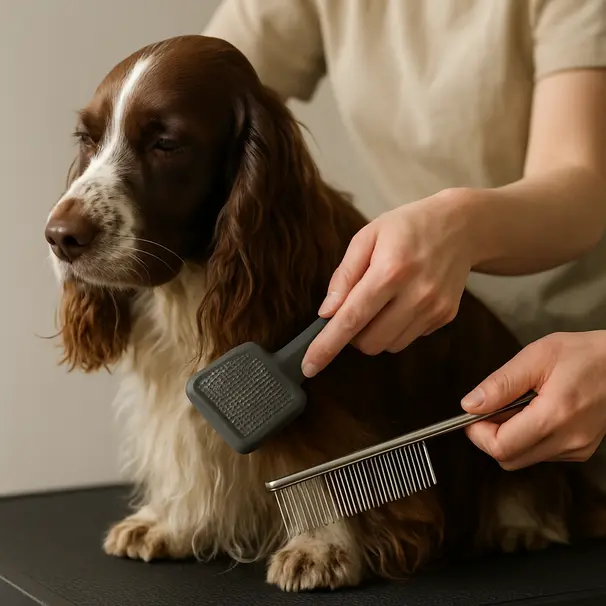
- Slicker brush: Great for removing tangles and light mats, especially in medium and long coats. Use gently on sensitive areas.
- Pin brush: Ideal for long, flowing coats. It smooths and finishes the coat, giving a shiny appearance.
- Bristle brush: Works well for short-haired dogs. It smooths the coat and brings natural oils to the surface.
- Rubber curry brush: Perfect for short-haired dogs and bathing. It’s friendly on the skin and good for massaging.
- Undercoat rake/deshedding tool: Designed to reach the undercoat and remove loose fur without damaging the topcoat. Excellent for double-coated breeds.
- Comb: A fine-toothed or wide-toothed comb helps finish the job and check for remaining tangles.
When picking tools, consider your dog’s temperament. Some brushes can be startling if your dog isn’t used to them. If you’re unsure, try a padded brush or a soft bristle brush to start.
Step-by-step: how to brush your dog like a pro
A calm, consistent routine helps your dog enjoy brushing. Here’s an easy sequence to follow.
- Set the mood. Choose a quiet spot where your dog feels comfortable. Have treats ready and keep sessions short to begin with, five to ten minutes a day for puppies or nervous dogs.
- Check the skin. Run your hands over your dog to feel for hot spots, lumps, or sore areas before you start. If something seems off, make a note and consider asking your vet.
- Start with the right tool. Use a gentle brush for the neck and back first. Work with the hair’s natural direction, not against it.
- Work in sections. Divide the coat into manageable areas: neck, back, sides, legs, chest, and tail. This reduces missed spots and keeps the session organized.
- Be gentle with tangles. Hold the base of the hair close to the skin to avoid pulling, then work through tangles with a comb or a slicker brush. For stubborn mats, use a detangling spray, or consider seeking help from a professional groomer.
- Reward and praise. Keep the tone upbeat, give treats, and speak kindly. Your dog will learn brushing equals good things.
- Finish with a comb. Run a comb through the coat to catch any remaining knots and check the skin again.
For dogs who dislike certain spots, like paws or tails, do those areas last and make them especially rewarding.
Special areas to handle with care
- Ears: Use a soft brush or a dry cloth around the ear folds. If there’s a lot of wax or a bad smell, consult a vet.
- Face: Use a small soft brush or a damp cloth. Avoid hitting the eyes or whisker area roughly.
- Paws: Check between the pads and toes for debris or growth that could lead to matting.
- Tail and rear: These areas can matt easily. Detangle gently and keep hair trimmed if needed.
Bathing and trimming: fitting it into the routine
Brushing should happen more often than bathing. Frequent baths can strip natural oils, so aim to bathe only when needed, perhaps every 4 to 12 weeks depending on activity and coat. Brushing before a bath removes loose fur and reduces the amount of hair in your tub. After a bath, brush to detangle while the coat is damp, and use conditioner sparingly for extra softness.
Trimming around the eyes, paws, and sanitary areas can make daily brushing simpler. If you’re not confident with scissors or clippers, a professional groomer or a trusted carer can help.
Tips to make brushing calmer and easier
- Start young. Puppies who learn to enjoy grooming are easier to care for throughout their lives.
- Keep sessions consistent. Daily short sessions are better than occasional long ones.
- Use positive reinforcement. Treats, praise, and gentle strokes create good associations.
- Make grooming fun. Mix brushing with play or a favorite chew afterwards.
- Be patient. If your dog is anxious, slow the pace and keep sessions brief, gradually increasing time.
- Rotate tools slowly. Introduce new brushes one at a time so your dog doesn’t get overwhelmed.
- Use calming aids carefully. Soft music, pheromone sprays, or a snug calming wrap may help. Check with a vet before trying supplements or medications.
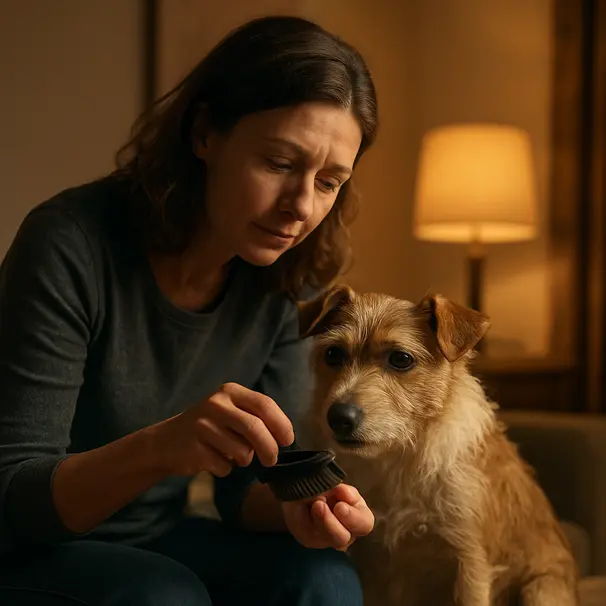
Troubleshooting common problems
- Mats: If you catch a mat early, use a slicker brush and detangling spray, hold the hair near the skin, and work the mat out gently. For severe mats, a groomer may need to clip them out to prevent hurting your dog.
- Excessive shedding: Shedding can be seasonal, but if it seems extreme or is accompanied by bald patches, irritation, or changes in skin appearance, consider a vet visit. Diet, allergies, or parasites can influence shedding.
- Skin sensitivity: If your dog flinches or shows redness after brushing, switch to a softer brush and be gentler. If skin problems persist, consult a vet.
- Fear or aggression: If your dog reacts badly to brushing, don’t force it. Work with a trainer or behaviorist, and consider a professional groomer experienced with nervous dogs.
When to call a professional
Some things are best left to pros. Consider seeing a groomer or asking a trusted carer on Floofy for help if:
- Your dog has severe mats near the skin.
- You need a full haircut or breed-specific trim.
- Your dog is very anxious or shows aggressive behavior during grooming.
- You’re short on time and want routine maintenance.
A good groomer can also advise on coat-specific routines and help you learn better techniques.
Brushing as bonding: more than just coat care
Brushing is a chance to slow down and connect. A relaxed grooming routine helps your dog feel seen and safe, and it teaches them to expect gentle handling from carers and vets. Building this trust makes other care tasks, like nail trims or medical checks, less stressful for everyone.
If you’re using Floofy to find a carer, look for someone who communicates clearly about their grooming approach, has positive reviews, and is comfortable with your dog’s temperament. Ask about their tools, experience with your dog’s breed, and how they introduce grooming to nervous pets.
Final checklist: quick guide for busy owners and carers
- Match the brush to the coat type.
- Brush frequency: short-haired weekly, medium-haired 2–3 times weekly, long or curly daily or every other day, double coats several times weekly in shed seasons.
- Keep sessions short and positive at first.
- Check skin, ears, paws, and teeth during grooming time.
- Reward your dog and end on a happy note.
- Seek professional help for mats, skin issues, or behavioral challenges.
Brushing your dog can be simple and joyful. With the right tools, a little patience, and consistent care, you’ll keep your pup’s coat healthier and strengthen your bond along the way. If anything looks concerning, consider asking your vet for advice or booking a groomer through Floofy who specializes in your dog’s needs.
Happy brushing, and enjoy the extra snuggles.