


Welcome: Caring with Confidence
Whether you have a bouncy puppy, a mellow senior cat, a curious rabbit, or a chirpy bird, caring for a pet is one of life’s great joys. This guide is meant to be warm, practical, and a little playful — full of everyday tips you can use right away. Think of it as a friendly checklist to help your pet feel safe, happy, and loved. If you share caregiving duties with a sitter or a pet carer from Floofy, many of these steps will help you create consistent routines everyone can follow.
Daily Care Basics
Daily routines are the backbone of good pet care. Predictability makes pets feel secure and helps you spot changes that may signal stress or illness. Aim to check these items every day:
- Fresh water: Refill bowls and change water daily. Pets may prefer running water; consider a small fountain for picky drinkers.
- Meals: Feed at consistent times and portion according to your pet’s size, age, and activity level. If you use measured kibble or prepared diets, keep a feeding log for sitters.
- Bathroom breaks: Dogs typically need multiple outings; indoor pets benefit from a clean litterbox or designated area. Scoop and sanitize regularly.
- Interaction and attention: Spend quality time petting, brushing, or playing — even short, focused sessions matter.
- Environment check: Look for hazards like exposed wires, toxic plants, or small items a pet could swallow.
Keeping a short daily checklist that you or a carer can follow helps reduce stress for both people and pets.
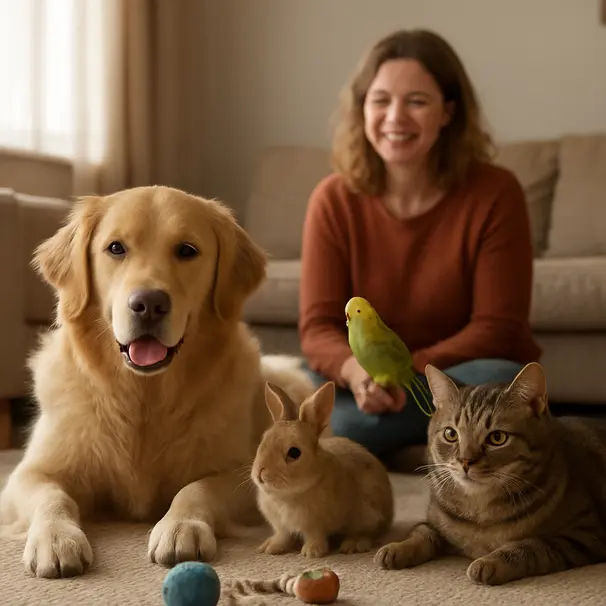
Daily care moments make a difference.
Nutrition: What to Feed and When
Good nutrition is foundational, and diets vary by species, age, and health. Here are friendly guidelines that can help you make meal decisions:
Choose the right food
- Look for species-appropriate diets labeled for the correct life stage (puppy/kitten/adult/senior).
- High-quality proteins and a clear ingredient list are helpful clues. Avoid diets with lots of ambiguous fillers, and be cautious with trends that promise quick results.
Portion control and routine
- Use the feeding guidelines on the package as a starting point and adjust based on your pet’s body condition and activity level.
- Free-feeding can work for some animals but may lead to overeating for others. Scheduled meals make weight management easier.
Treats and human food
Treats can be useful for training and bonding, but keep them to under 10% of daily calories. Many human foods are unsafe for pets — chocolate, onions, grapes, raisins, xylitol-sweetened items, and some nuts can be dangerous. When in doubt, ask your vet or avoid sharing human snacks.
When changing diets, transition slowly over 7–10 days by mixing increasing amounts of the new food to reduce tummy upset. If your pet has special dietary needs or allergies, consider consulting a veterinarian or a certified animal nutritionist.
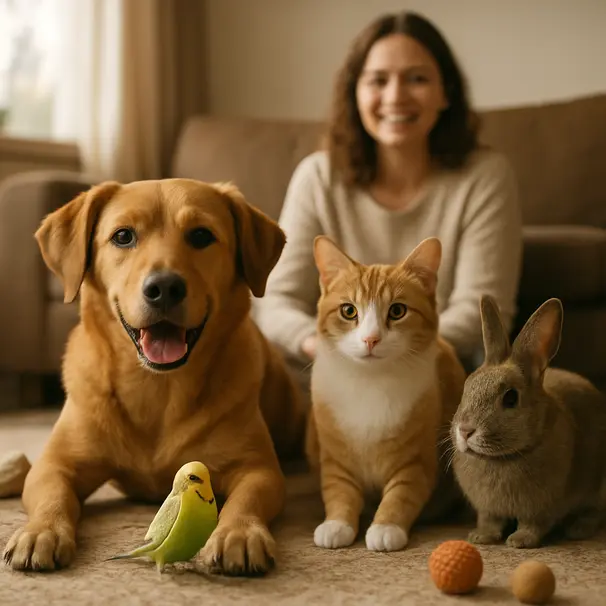
Nutrition and feeding routines.
Exercise and Play: Physical and Mental Health
Movement and stimulation keep pets physically fit and mentally satisfied. Different animals need different kinds of enrichment:
- Dogs: Daily walks, play sessions, and interactive toys help burn energy and reduce boredom. Vary pace, route, and games to stimulate the mind.
- Cats: Short, intense play sessions with wand toys or laser pointers can mimic hunting behavior. Provide vertical spaces like shelves and scratching posts for climbing and stretching.
- Small mammals and rabbits: Safe, supervised floor time and chew toys support natural behaviors. Enclosures should allow room to hop, climb, and hide.
- Birds: Time outside the cage for flight or wing exercises and puzzle toys for foraging.
Rotate toys to keep interest high and use food puzzles to encourage natural foraging. Regular exercise can help reduce behavior problems and supports a healthy weight. If you’re unsure how much activity is right, consider discussing a plan with your vet or an experienced trainer.
Grooming and Hygiene
Grooming is about more than looks — it supports skin health, helps you bond, and gives you a chance to inspect for lumps, bumps, or parasites.
Brushing
- Brush regularly to remove loose hair and prevent mats. Short-haired breeds may need weekly brushing; long-haired pets often need daily attention.
Bathing and skin care
- Only bathe when necessary and use species-appropriate shampoos to avoid drying the skin. Frequent bathing can strip natural oils.
Nails, ears, and teeth
- Trim nails regularly to prevent splitting or overgrowth. If you’re uncomfortable, a groomer or carer can help.
- Check ears for unusual odors or discharge and clean gently when needed. Avoid poking deep into the ear canal.
- Dental care — brushing teeth, dental chews, and routine veterinary dental checks — can help maintain oral health.
Grooming sessions are great moments for bonding, but if you notice persistent skin issues, hair loss, or sores, consider contacting your veterinarian for guidance.

Grooming and playtime keep pets healthy.
Training, Behavior, and Socialization
Training makes life easier for both pets and people. Use positive reinforcement — praise, treats, and play — to encourage good behavior. Avoid punishment-based methods that can create fear or anxiety.
Helpful tips
- Start early: Puppies and kittens benefit from gentle early socialization to people, sounds, and safe handling.
- Consistency: Use the same cues, rules, and rewards across family members and carers.
- Short sessions: Keep training sessions brief and fun, especially for young animals with short attention spans.
- Problem behaviors: For serious issues like aggression, separation anxiety, or extreme fear, seek help from a certified trainer or behaviorist.
Simple commands and good manners reduce stress in everyday situations and make it easier to leave care instructions for sitters or boarding facilities.
Health, Preventive Care, and When to Call the Vet
Regular checkups and preventive care can help your pet stay healthy. Vaccinations, parasite prevention, routine bloodwork for seniors, and dental evaluations are common parts of preventive care. Use cautious language and avoid medical promises: these steps can help reduce risks, but they are not guarantees.
- Watch for red flags: prolonged vomiting or diarrhea, trouble breathing, collapse, severe bleeding, sudden lethargy, or changes in eating and drinking habits may require urgent attention.
- Keep emergency contacts handy: your regular vet, an emergency clinic, and your trusted carer should all know whom to call.
- Documentation: Maintain an up-to-date list of medications, vaccinations, allergies, and preferred vets so carers have quick access to important information.
When in doubt, it’s wise to consult your veterinarian — especially for new, unexplained, or worsening signs. A vet can evaluate symptoms and recommend appropriate next steps.
Finding and Working with Trusted Pet Carers
Whether you need a daily dog walker, a weekend sitter, or boarding, finding a trustworthy carer is essential. Here are practical tips to ensure a great match:
- Check references and reviews: Look for repeat clients and specific examples of past experiences caring for pets like yours.
- Meet-and-greet: Arrange a meeting before the first job so your pet and the carer can get comfortable together.
- Clear instructions: Provide written routines, feeding amounts, emergency contacts, and any quirks your pet has.
- Trial run: For longer engagements, consider a short trial visit so everyone gets used to the routine.
- Communication: Choose a carer who provides updates, photos, and honest feedback about how your pet is doing.
Floofy makes connecting with trusted carers easier by letting you share preferences, routines, and notes that help preserve continuity of care. A good carer not only follows your instructions but also notices subtle changes and communicates them promptly.

Trusted carers provide peace of mind.
Travel, Boarding, and Preparing for Absences
Leaving your pet can be stressful, but planning helps. Here are tips to prepare for short or extended absences:
- Create a care binder: Include feeding schedules, medication instructions, vet contact info, favorite toys, and any behavioral notes.
- Comfort items: Leave familiar bedding, toys, and an item with your scent to ease separation anxiety.
- Medication management: Label doses clearly and demonstrate any special administrations to the carer beforehand.
- Emergency plan: Provide permission details for veterinary care in your absence and indicate whether you prefer the carer to seek immediate care or contact you first.
Whether your pet stays with a sitter at home or boards at a facility, a consistent routine and clear instructions make transitions smoother and safer.
Special Considerations for Different Pets
Every species has unique needs. Here are a few quick notes:
- Cats: Keep litter boxes clean and provide vertical spaces. Many cats prefer less change, so try to keep routines stable.
- Dogs: Mental challenges like scent games are as important as walks. Socialization with people and other dogs should be managed based on temperament.
- Small mammals and rabbits: Secure housing with hiding spots and chew-safe enrichment is essential. Rabbits often bond strongly and may need gentle handling routines.
- Birds and reptiles: Temperature, lighting, and species-specific diets matter; consult experts for habitat needs.
When you hire a carer, match their experience to your pet’s species and needs to ensure competent, compassionate care.
Wrapping Up: Small Habits, Big Impact
Consistent routines, thoughtful nutrition, regular play, gentle grooming, and working with trusted carers create a foundation for happy, healthy pets. Small daily habits — like a short brushing session, a consistent feeding time, or a five-minute training game — add up to a life that feels secure for your pet and manageable for you.
Remember: if you notice concerning health changes or have specific medical questions, consult your veterinarian. A vet can provide tailored advice for your pet’s unique needs and help you build a care plan that keeps tails wagging and purrs plentiful.
Thanks for caring so well for your animal companions. With routines, love, and the right support, you’ll help your pets thrive for years to come.